
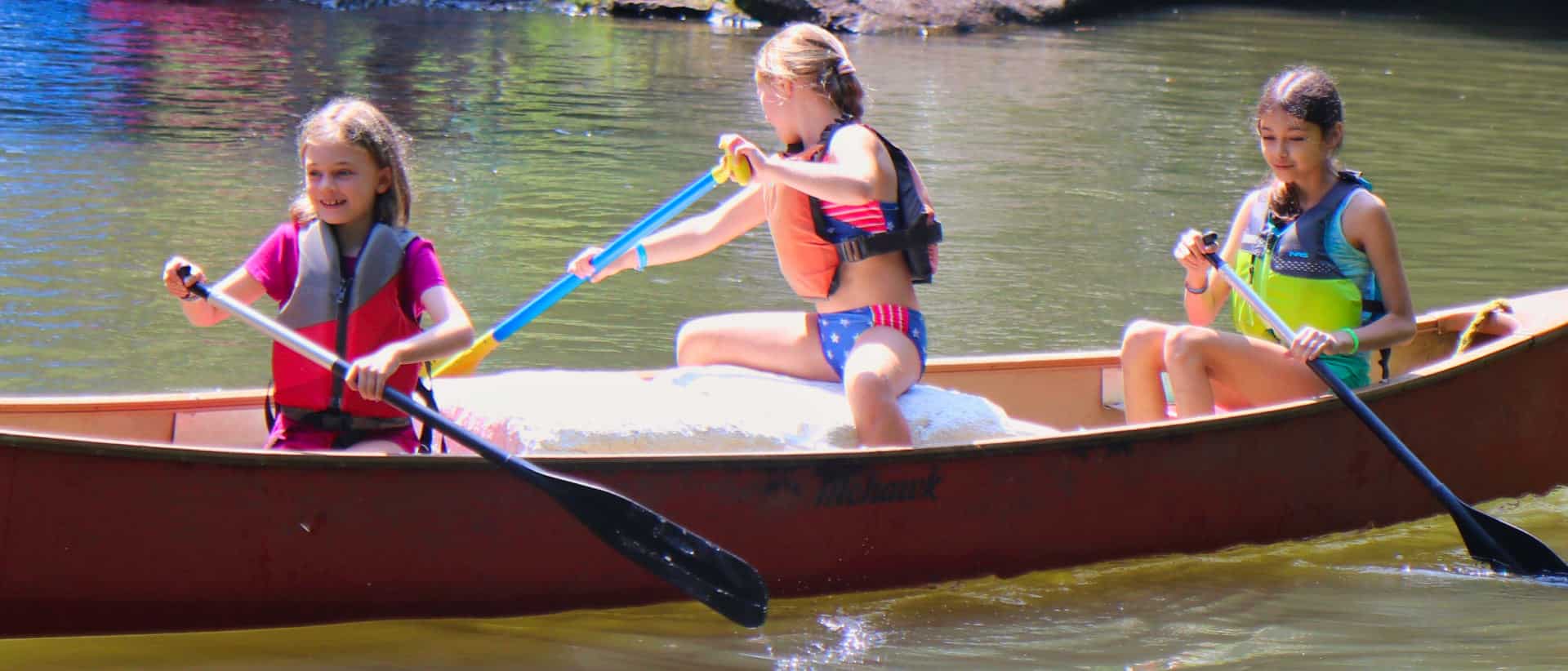
Camp Teaches Resilience

Everyone experiences setbacks now and then, the occasional failed effort or unexpected misfortune. But what happens when you kids trip up or get knocked down? Do they stay down? Sink lower, and let that moment of failure defeat them? Or, do they bounce back, maybe learn from the experience, and gain a new dimension of confidence to face the next challenge? Put differently, how resilient are your kids? What can we as parents do to help them become more resilient?

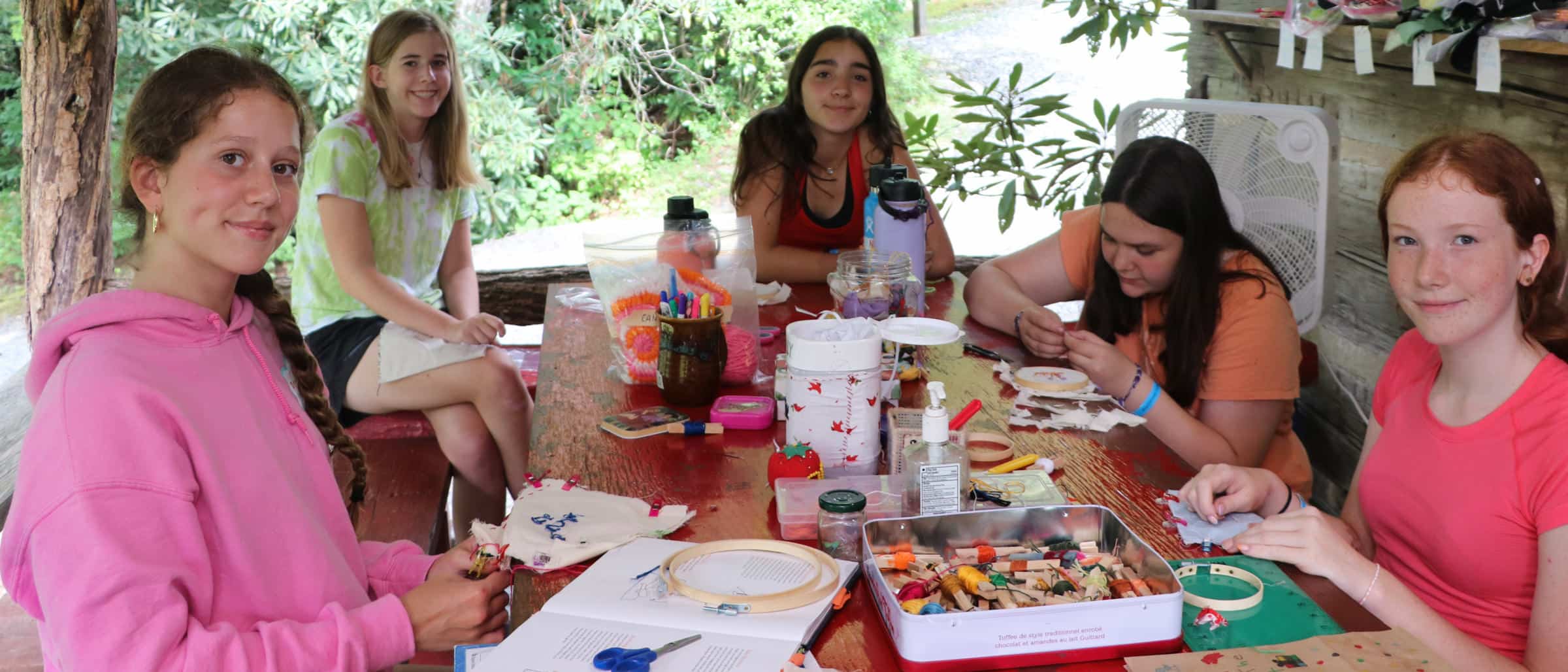
Girls Resilience at Summer Camp

Dr. Michael Ungar, a Social Worker, Family Therapist, and University Research Professor at Dalhousie University in Halifax, Canada has thought about this question a lot. He is a co-director of the Resilience Research Centre, an organization coordinating experts from around the world in sociology, psychiatry, education and medicine in a broad project to understand the cross-cultural similarities and differences in how resilience is understood, and to explore ways we can help children and young people be more resilient.

Several times before we’ve discussed how summer camp helps kids grow and how becoming more resilient is one of the clear benefits of camp. Now Dr. Ungar weighs in with a nice Psychology Today article entitled, “Summer Camps Make Kids Resilient.”

I encourage you to go read the article, but I wanted to summarize his main points here as well. Perhaps most importantly, Ungar identifies summer camp as a place where kids learn to do things for themselves without the kind of careful orchestration parents ordinarily provide. It’s a place where, instead, they can try challenging activities and take manageable risks, all while being provided encouragement and positive role models to help them learn to cope with disappointments.

Speaking from his research on resilience, Ungar pinpoints 7 important components of the summer camp experience children need to develop these coping strategies. These are seven things camp provides that help kids when they experience setbacks later in their lives.

Seven Things Camp Provides

  1. New friendly relationships
  2. Regular moments of pride and self-confidence
  3. Experiences of competency and self-efficacy
  4. Relief from unfair social treatment
  5. Healthy physical activity and nutrition habits
  6. Belonging to a meaningful community
  7. Opportunities to reflect on cultural values

There’s so much more to each of these, and I suspect interesting mechanisms that make them effective. What’s important to realize is that all of them are core ingredients of the camp experience here at Rockbrook. The program activities, staff training, and overall camp philosophy here work together to insure that our campers enjoy these beneficial experiences. Of course, we’re having a really great time together as well, just as we strengthen our powers of resilience.
Researching the Benefits of Camp

“Sending kids to camp allows children to grow and learn good citizenship, social integration, personal development and social development, exploring his or her capabilities and being in a safe environment where they can grow, gain independence and take risks.”—Troy Glover, the director of the University of Waterloo’s Healthy Communities Research Network

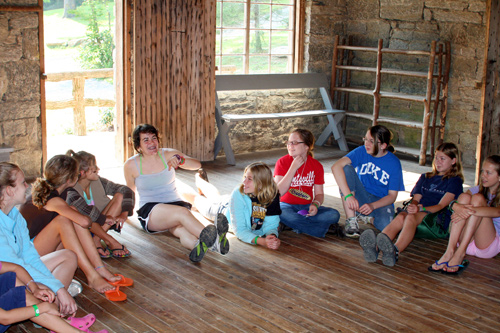
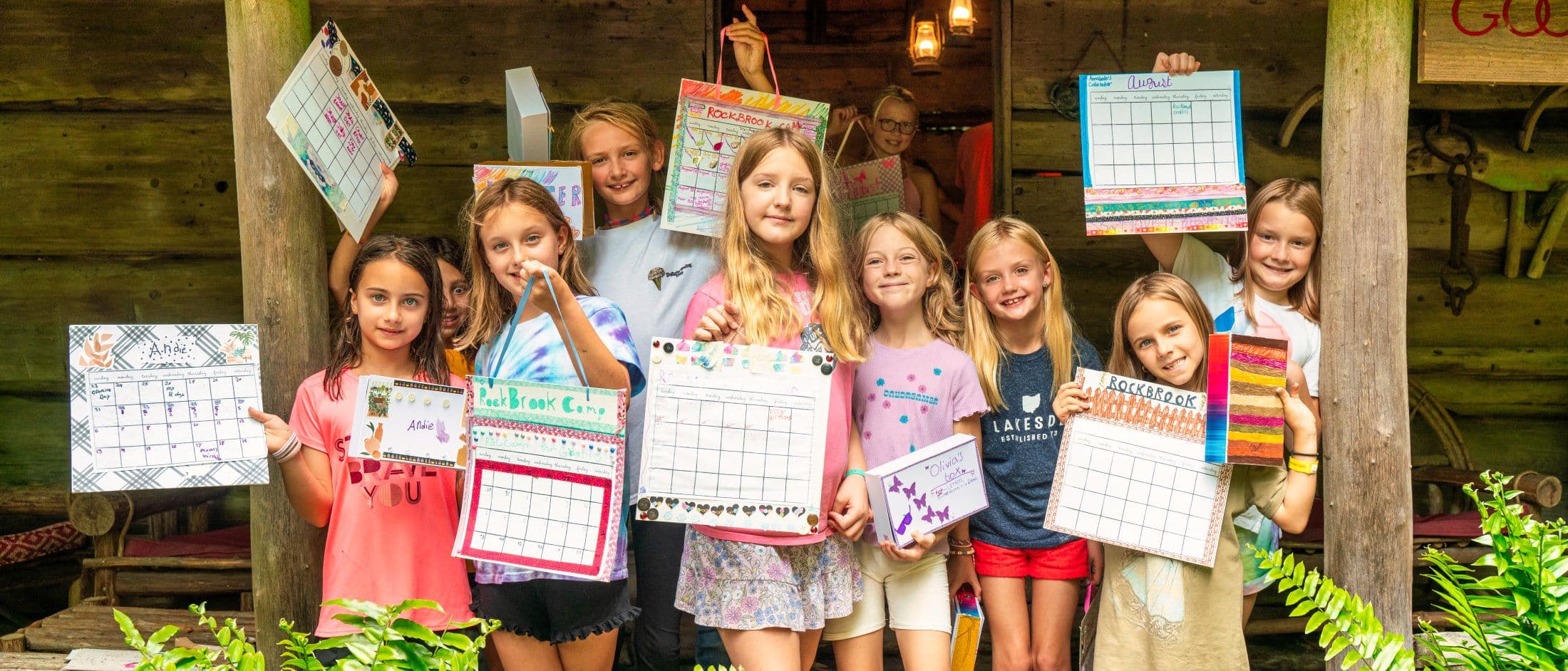
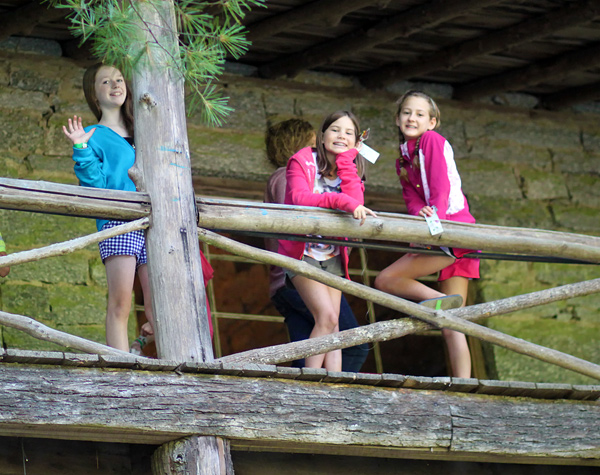
Summer Camp Lodge Porch Girls


It’s pretty easy for those who have attended camp to speak enthusiastically about how much it’s meant to them. Campers themselves are full of glowing stories about their summer camp experiences, but even adult camp alumni, many years later, can trace aspects of their personal success back to their time at camp.

For others, though, how camp provides these important benefits, and what types of benefits to expect from a summer camp experience, are not apparent. It was this fact —the general public’s unawareness of what makes camp great for children— that prompted a team of Canadian researchers to study and evaluate the impact of a camp experience.

Working with camp directors, staff, campers and camp alumni, the researchers conducted surveys and compiled observations focused on what a summer camp provides and how that affects children over their time at camp.

What Research Reveals

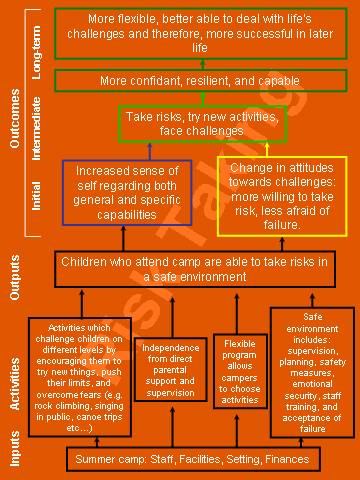
Camp helps children learn to take appropriate risks

The research aimed to demonstrate and understand the initial, intermediate, and long-term value of the summer camp experience, and found several significant outcomes. Most importantly, the study was able to pinpoint what “children first learn at camp, what they do with that learned material and what impact it then has on who they become.” The researchers were able to identify 5 main areas of this growth.

There is, of course, quite a bit to explain about each of these areas, so I encourage you to read more about the study’s findings on their site.

This is exciting stuff! We’ve often discussed the benefits of camp for children, so it’s nice to see this kind of organized, methodical verification. Now spread the word! Let’s help others understand how uniquely “camp is a place for kids to grow.”

Curing Community Deficit Disorder

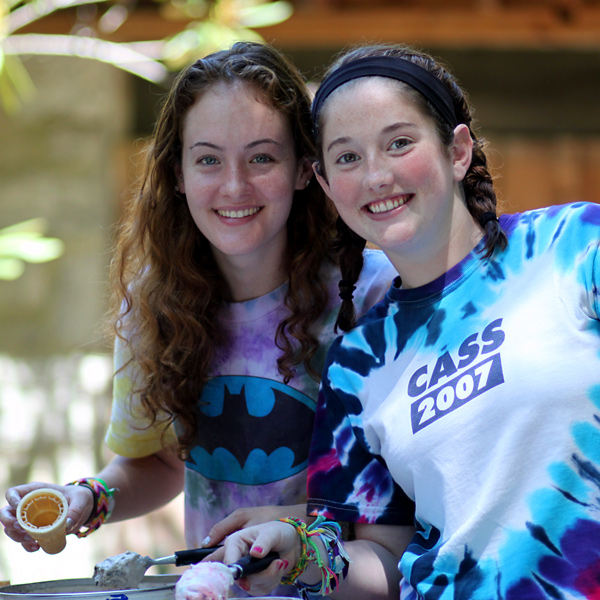
Camp Girls Connected in Community

There are many ways to describe the difference between camp life and the “real world” that happens elsewhere and throughout the school year. At Rockbrook, we might point to our living mostly outdoors and close to nature. We might celebrate our opportunities to experience adventure (hike, paddle, climb!), or to have time for unstructured play. We could describe how camp is a break from electronic technology, and from the social pressures of school revolving around our appearance, possessions, and status. We might highlight the true independence kids experience being away from parents and teachers.

These are all very clear differences, each helping to explain the benefits of a sleepaway camp experience for children. But there is another one, and it is community, the very real sense of being included, respected, trusted and loved by a group of people. Camp is, at its core, a special community built on central values like kindness, cooperation, compassion, care and generosity. It is brimming with enthusiasm and encouragement, wrapped tightly by a collective spirit. At camp, and certainly at Rockbrook, everyone is welcomed and included.

How different this feels from ordinary life! Camp is not about individual consumption, getting a grade, standing out as the best, or advancing at the expense of others. It’s not so ego-centric, nor blind to the people around us. At camp, where there is always support from friends, you’re never left to just fend for yourself.

And how wonderful it feels! Partly, I think joining a camp community, and other communities too, provides us such a powerful sense of contentment because it is so different from ordinary American life. Human beings, and especially kids, crave this kind of connection. We need to know wholeheartedly that we belong to something bigger than “just me,” that our “true self” is accepted and valued by those around us, and unfortunately it is all too rare these days. Perhaps we modern Americans are dis-content because we are dis-connected from an authentic community. Perhaps we are suffering from what could be called “Community Deficit Disorder.”

Thank goodness for camp and its ability to be a powerful and effective antidote for this disorder. It may not be the main reason we attend a sleepaway camp, but the joy of joining a camp community is certainly one of the most important reasons why we love it.

Looking Glass Rock Climbing

One of the best rock climbing areas in the Southeast is Looking Glass Rock. Rising almost 1000 feet from the forest floor, Looking Glass is a dome-shaped mass of granite near Brevard in the Pisgah National Forest. It can easily be seen from the Blue Ridge Parkway nearby. For rock climbers it offers a fantastic variety of sport, friction, face, crack and even aid climbing routes suitable for the beginning, intermediate and advanced climber. Circling the domed rock are well-known climbing areas: the Nose, South Side, Sun Wall and North Wall. On the southeastern side of the rock, there is a popular tourist trail for hiking to the summit.

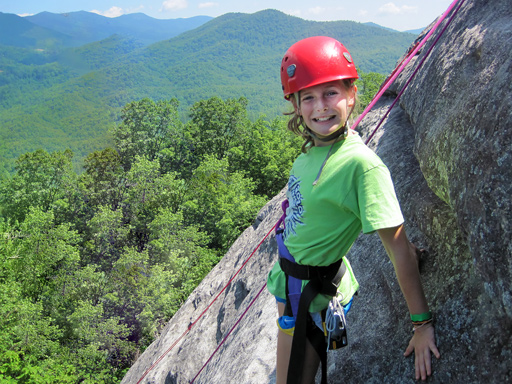
Rockbrook camper Joanna climbing looking glass rock
Rockbrook Camp Girl Joanna on Looking Glass Rock

Here’s a photo of a Rockbrook camper on the Nose (5.8).  Rockbrook is located only about 15 miles from Looking Glass.  After topping out our own climbs on Castle Rock, our camp rock climbing program brings girls to Looking Glass, as well as other climbing areas in this region of North Carolina.  There’s a lot of rock to climb around here, and the girls love it!

How Camp Helps Build Self-Esteem

self esteem girl camper

How does summer camp help children gain self-esteem?

Parents know it’s important for children to feel good about themselves, to be proud of their abilities and accomplishments, and to be accepted socially. That’s why we take such great care to provide experiences where children will succeed. Music lessons, organized team sports, even the “right” haircut and clothing— we hope all of these will help our kids be more competent, confident, and ultimately happier in life.

Many times this strategy works. Our child may find a talent, rise above the ability of others, gain some praise and recognition for it, and thereby feel good about being “good.” Being recognized for an outstanding ability, winning the competition for social attention, can be a real boost to a young person’s self-esteem. But what if a child doesn’t quite measure up, and she’s not the prettiest, the smartest, the most athletic, or the most talented in some way? What about her self-esteem? Is winning some unspoken competition the only way to feel good about herself?

Fortunately, there’s more to self-esteem than just individual success. It’s also about feeling competent in the face of life’s general problems, having a sense of “personal capacity.” It’s also about being able to simply have fun with others, to be able to make decisions for oneself, and feeling included in group endeavors. Interestingly, self-esteem is also about cooperation and community. In an environment defined by encouragement, mutual respect and collaboration, it’s not important if a child doesn’t stand out as an individual because of some extraordinary talent. Instead, a sense of self-worth and dignity can arise from doing something great together, from being a part of a group accomplishment.

Self-Esteem Through Community

And that’s why camp is so ideal for helping children grow their self-esteem; it is exactly this kind of environment. On the one hand, summer camp is a place for kids to make their own decisions, try new things, and discover individual achievement.  There are small moments of personal success everyday.  And on the other, there is incredible community spirit at camp, with groups of kids working together to solve problems, taking care of each other, and collaborating on creative projects. Regardless of their age or ability, their experience or talent, children at camp are reminded everyday that they can do it, and that they can believe in themselves. Everyone’s in it together at camp, and while we each may not hit the target with every arrow we shoot, there’s laughter and joy among friends no matter what. It’s through building this kind of community that all the girls at camp strengthen their self-esteem. Around here, you can count on it!

Teens Seeking Sensations

Girls Camp for Teens Thrive on Sensation

If you spend time around teenagers, it’s easy to see them exhibit “sensation seeking” behaviors. They thrive on new experiences and stimuli of all kinds, and tend to take surprising risks. In fact it’s widely accepted within psychology that this personality trait is a dominant force in the lives of teen girls and boys. This sensation seeking is thought to be an evolutionary skill, something that helps teens learn new things, become more independent from their parents and to increase their social competence. Overall, it’s a good thing.

When Sensation Seeking Goes Wrong

On the other hand, chasing novelty like this, even if they’re unaware of it, can sometimes get teenagers into trouble. As a young teen girl or boy is bombarded by urges to experience new things and to be included in their peer group, they may lack the cognitive development to temper risky behaviors, or blindly hold the perceived benefits of that behavior supremely important over everything else. For example, a girl may experiment with drugs at the urging of her friends, effectively ignoring the personal, legal and health consequences of that decision, because she values the approval of her peer group more. Put differently, it’s thought that risky teenage behavior can be understood as “sensation seeking” run amok.

It’s a dilemma; we want our teenagers to experience new things and meet new people, and thereby to learn and grow from that novelty, but we also want them to choose less risky behaviors and seek out positive experiences and peer influences. How to land on the right side of that equation?

Camp as Positive Sensation Seeking

Summer camp is well suited to provide this kind of positive sensation seeking for teens. Everyday at sleepaway camp, girls can enjoy new experiences, whether they be climbing a rock, the excitement of shooting a gun, or just making friends with new and different people.

Camp is a pool of positive peer pressure. Chock full of excellent role models, it promises to help teens channel their urge for novelty and their desire to connect with friends. Camp is also a place where teens can take acceptable risks, challenging themselves in exciting new ways, even as parents can be assured their children are kept safe, encouraged and supported. It’s just an ideal environment for teens seeking sensations. It’s no wonder they love it so much! And need it so clearly!

Healthy Kids Get Outdoors

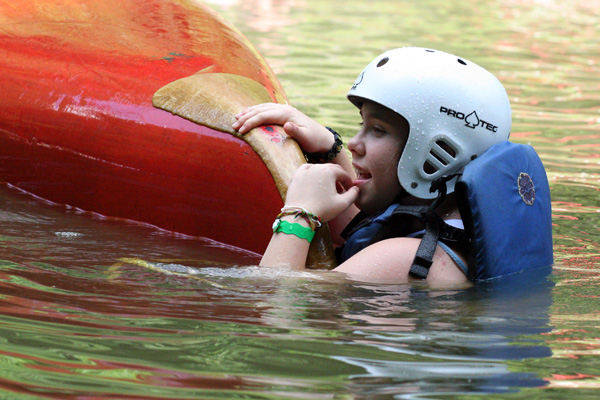
Canoe kid in the water with canoe outdoors

There’s a new bill introduced in the US Senate that authorizes “the Secretary of the Interior to carry out [state and local] programs and activities that connect Americans, especially children, youth, and families, with the outdoors.” It’s called the Healthy Kids Outdoors Act of 2011 and was introduced by Senator Mark Udall of Colorado, and co-sponsored in the House of Representatives by Rep. Ron Kind of Wisconsin.

Prompting this legislation is a growing concern that American children are increasingly sedentary, spending most of their time indoors, and overweight. A wide range of studies show our kids are addicted to electronic media, watching on average 7.5 hours per day. Obesity and its related health problems are closely related to this. And now, seeing that kids are spending on average less than 10 minutes a day in unstructured outdoor play, an alarming trend is appearing. There’s even some worry that an unhealthy American population would be a national security threat given how many overweight people would be disqualified from military service.

The Healthy Kids Outdoors Act would combat these trends by funding state and local organizations in their efforts to get kids outdoors, to encourage active outdoor experiences. Here too, studies show outdoor activity yielding incredible public health, local economic and national conservation benefits. Seeking these benefits, this legislation would provide up to $15 million dollars of matching funds to sponsor programs and infrastructure that effectively connect Americans, especially kids, with outdoor experiences.

Of course, we are cheering this legislation! At an outdoor summer camp like Rockbrook, we know and celebrate the wonders of outdoor experience everyday. We spend most of our time (not just 10 minutes!) outside, actively engaged in dozens of activities.

At camp, we know all about the benefits to kids of outdoor activity. It’s nice to see those same benefits being championed nationally.

Be a Camp Counselor Instead

Two girls being camp counselors

Did you know that being a summer camp counselor is more beneficial to your career than taking a summer internship, that the skills practiced and learned working at camp have far more value than the clerical duties often assigned college student interns? That’s exactly the claim put forward by Darryl Brown in his short article appearing in USA Today. He describes being a camp counselor as the “perfect summer job.”

“In this job, I am part of an organization that gives me duties that are critical to its long- and short-term success. Supervisors give me responsibilities such as interacting directly with customers on a daily basis, and they fully integrate me into the professional hierarchy. To top it all off, I am learning legitimate skills that will help me develop professionally when I move into the workforce.”

It’s true; having “camp counselor” on your resume is a very good thing. The skills required to be a great counselor are valuable and in demand by employers, things like problem solving, leadership, creativity and imagination, being a “team player,” stamina, compassion, responsibility and maturity.

Being a camp counselor means receiving training in all of these areas, and then means practicing them in the real world, working with kids and taking on the complexities of life in a summer camp community. Everyone will tell you that being a camp counselor was the most challenging and the most fun job they ever had. I suspect most summer interns won’t be able to say that.

What are you going to do this summer?

Camp Builds Character

Summer camp builds character

It doesn’t take long, once your daughter has attended an overnight summer camp like Rockbrook, to realize that the weeks spent having fun, enjoying outdoor adventure, horseback riding and all sorts of crafts have also been profoundly formative. Summer camp professionals and camp families alike, all know it; camp builds character.

In fact, it was back in 1929 when Hedley Dimock and Charles Hendry published their study Camping and Character: A Camp Experiment in Character Education. This book reported what the authors saw as positive changes in campers’ behavior as well as the mechanisms that explain how camp can be so “stimulating and enlightening.” Far beyond what ordinary classroom learning can provide, they saw the highly social nature of camp to be most important for helping children grow more responsible, trustworthy and more caring, fair and respectful in their interaction with others.

At Rockbrook we take great care to create a culture where all children feel included and appreciated, where staff members are extraordinarily admirable, and where positive peer pressure reinforces honesty and kindness. This is camp, and this is why camp builds character.