

Classic Parents Posts

Letters from Home

How to Write a Letter to Your Child at Camp

Out on the porch of the Rockbrook dining hall is a row of mailboxes, one for every camper and staff member at camp. Every day after lunch, everyone takes time to peer into their box hoping there’s some mail to find. It could be a card or letter, or an email that the office printed and delivered to the box. This is a highlight of the day because it’s exciting to receive a surprise gift, no matter how small, and think, “I wonder who it’s from.” Receiving letters from home or other friends and family has always been a part of the summer camp experience.

Most parents know they should write to their kids when they’re away at summer camp. But do they know how to do it? Do they know what to say, and perhaps more importantly, what not to say? They may have questions like “How often should I write?” or “Should I tell them about world events, or shield them from troubling news?” In fact, there are good answers here, helpful guidelines to ensure parent letters encourage a camper’s independence while still maintaining a connection to loved ones at home. A great camp letter from home finds this balance between support and the self-confidence that grows while away. Here’s how to do it.

Your goal when writing to your child at camp should be to encourage and support her in this new experience. You want to provide some reassurance as she explores and at the same time be careful not to pull her back home. You want to be upbeat about her abilities to take full advantage of camp life, to try new activities, meet new people, and overcome any challenges that might pop up. It’s through your confidence in her that she will build her own confidence. Home serves as an anchor of love and support as she navigates camp life away. A phrase like “I know you’ll figure it out” goes a long way. Remind her of her strengths: “You’re always so kind and understanding” or “You know what being a good friend means,” for example. You are expressing your trust in her, and in her success at camp.
One trap to avoid is writing too often to your child at camp. Yes, more letters from home isn’t always better. Research has shown that too much communication from parents increases the likelihood of homesickness. After all, you really don’t want your camper thinking about you instead of immersing herself in camp life. It seems counter intuitive, but ideally your camper loves camp so much, they forget about life at home. Too many letters from home, especially the wrong kind of letters, will surely undermine this ideal.

What to Include in your letters

With all these goals in mind, what should parents write about in their letters to camp? What are some content ideas that work?
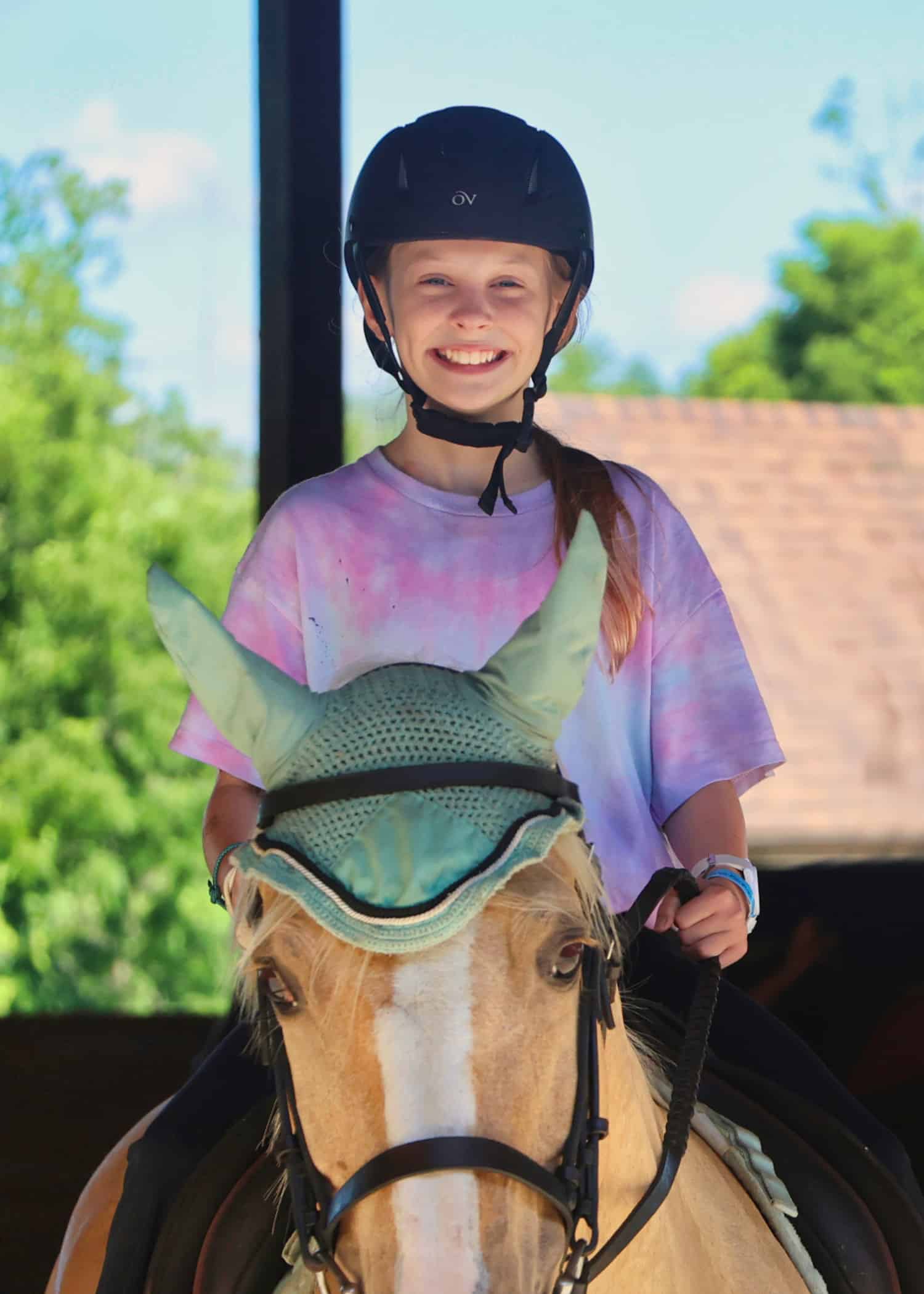
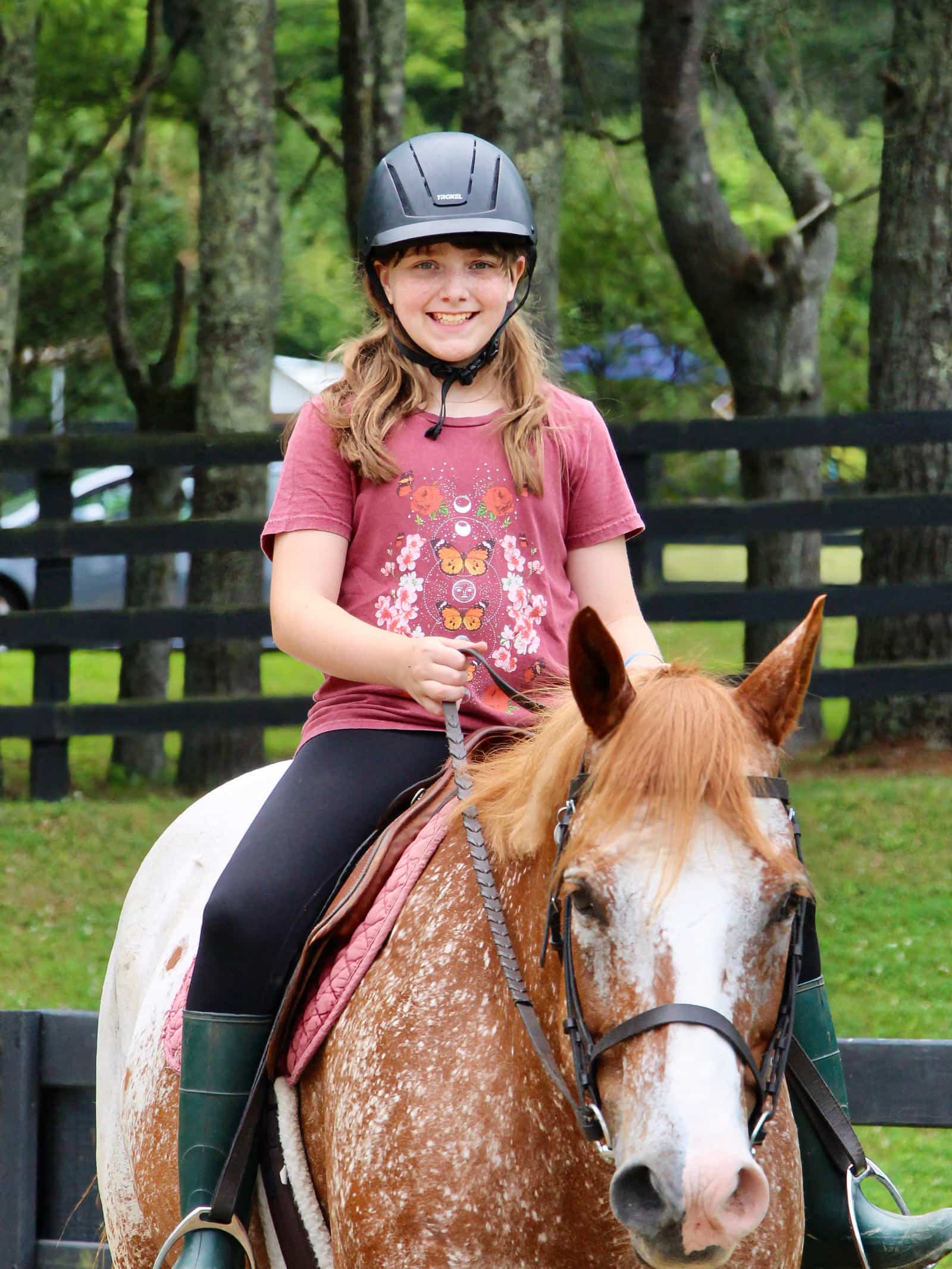
summer camp horse riding girl
  • Describe boring home updates – Tell her how everything is normal at home, all routine sorts of things happening, with very little excitement. The idea is to make camp seem way more fun and exciting by comparison… Because it is! For example, “Dad fixed the sink,” or “We reorganized the garage,” or “I’ve been working in the garden.” But be careful not to make your letter a highlight reel of everything she’s missing while away.
  • Ask questions about camp – This is a great way to keep the focus on camp. Show your interest in all of the things going on at camp. Reference what you’ve seen in the photo gallery. For example, you can ask “Tried climbing yet?” or “What’s the best muffin flavor so far?” or “I saw a photo of you weaving. That’s so cool! What are you making?” Show your camper you are curious and excited about all of the new experiences she’s having at camp.
  • Tell her you’re proud – It’s a great accomplishment just being at camp, making so many decisions on her own, navigating the social aspects, taking care of everything without parents guiding every step. You should be proud of your camper! And she should be proud of herself! Tell her about it. “It’s cool you’re doing this on your own.” “I’m so happy you’re trying horseback riding.” “I saw a photo of you shooting archery. That’s amazing!”
  • Add a bit of fun – This is your chance to get creative. Toss in a new “dad joke,” tell a silly riddle, or compile a funny “top 5 list.” You are providing a little entertainment, or a chuckle she can share with cabin mates and friends. “Q: Where do pirates get their hooks? A: Second-hand stores!” “It really takes guts to be an organ donor.” “I ate a clock the other day. It was very time consuming.” “Here are my top 5 hidden talents.” Word games for older campers, brainteasers and other puzzles are always fun to receive.

What to Avoid in Your Letters

After these good ideas, there are also things to avoid. Some topics can stir up emotions in kids away from home. They might feel guilty about being away, or worried about how parents are doing, for example. What should parents NOT talk about in their letters to camp?
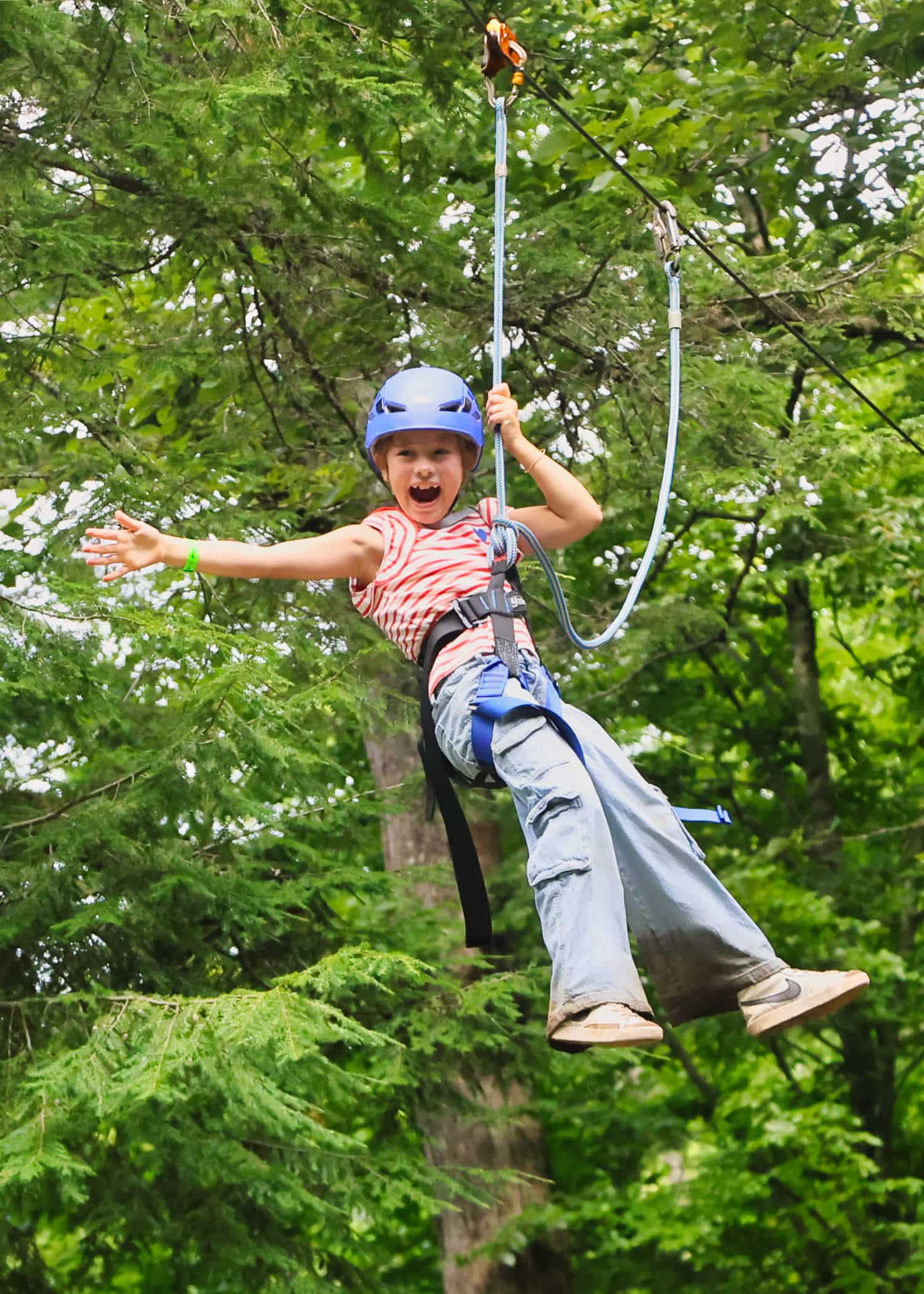
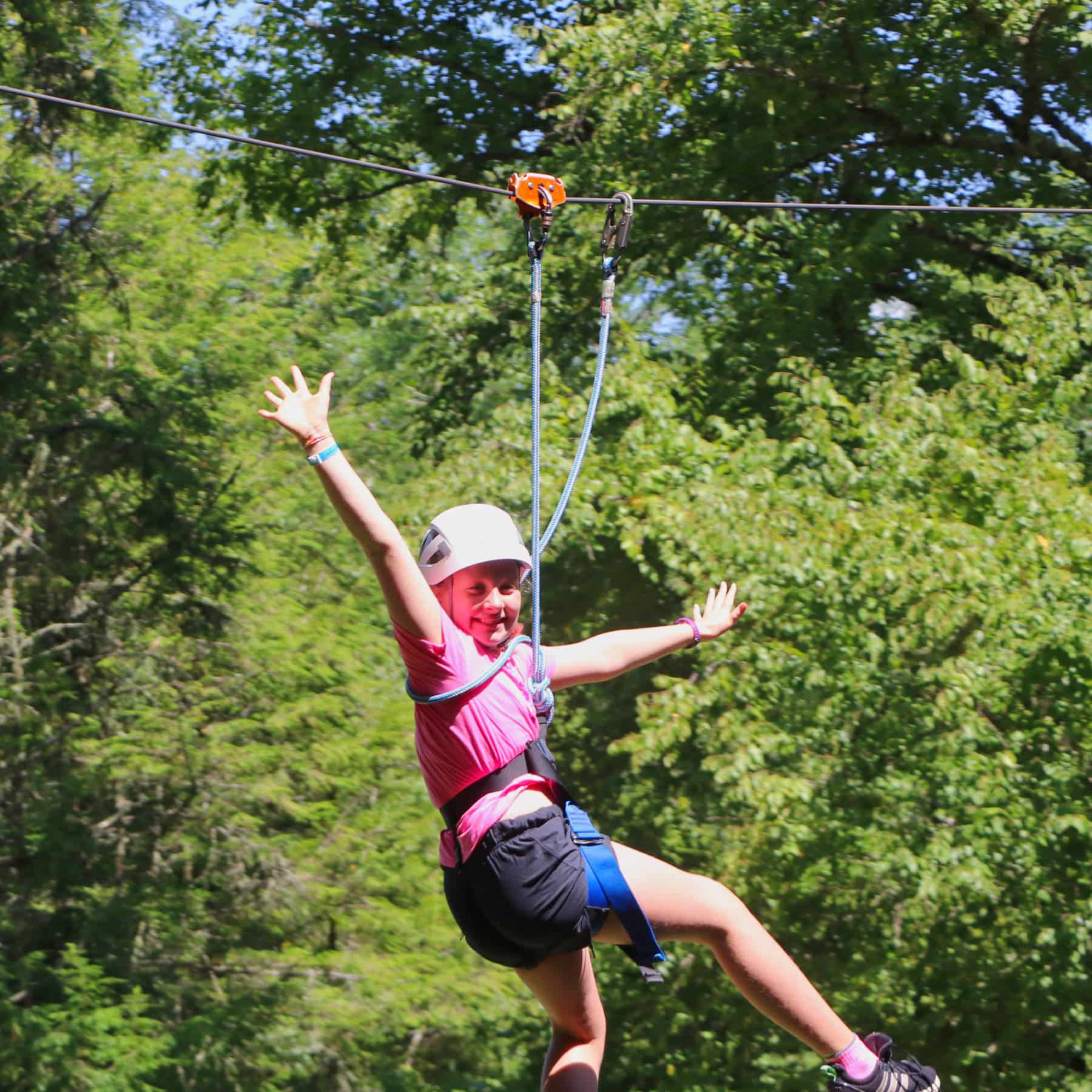
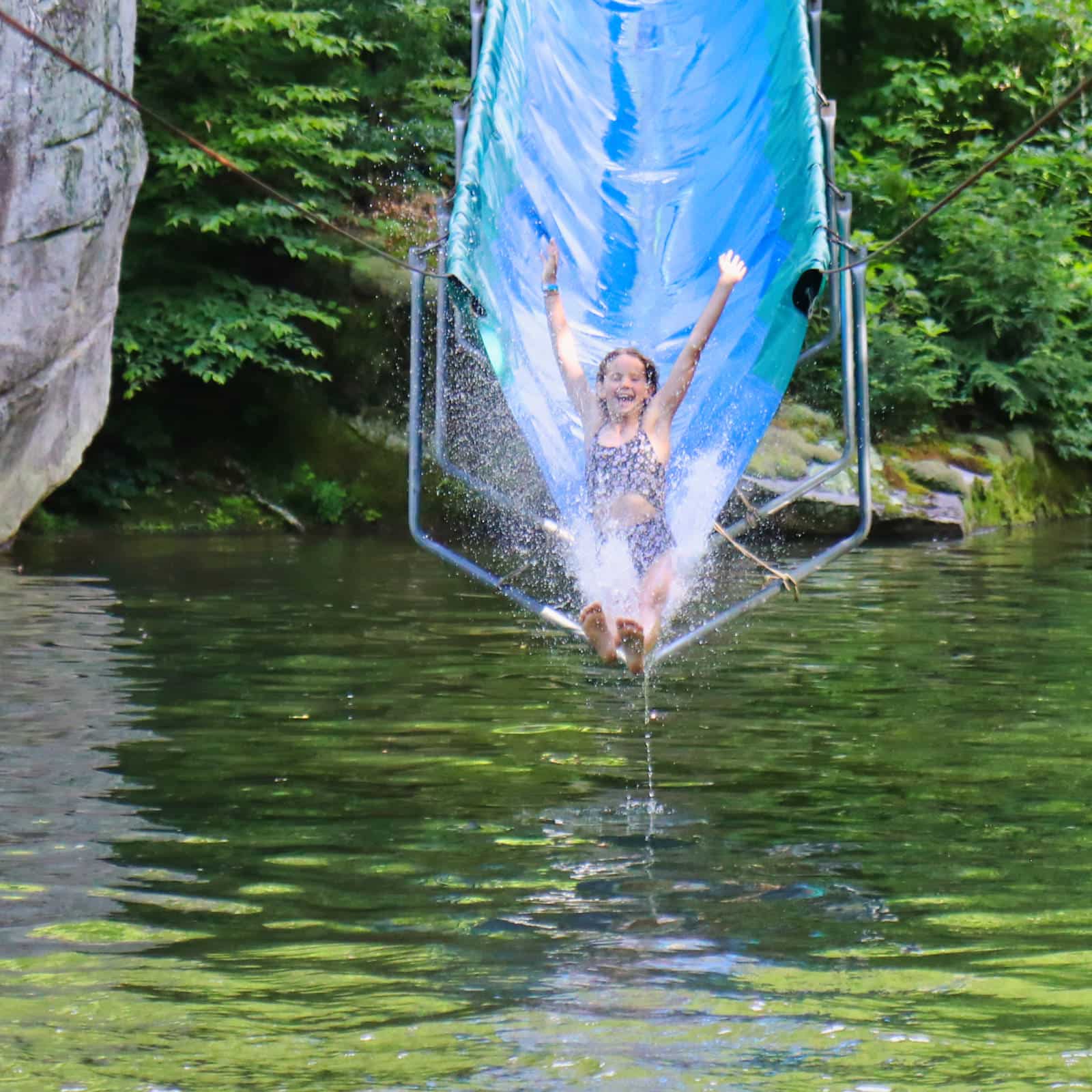
child zip line scream
  • News of exciting events they’re missing – Nobody enjoys skipping something they like, especially kids who might already be missing the comforts of home. Try to avoid making your camper feel torn about what’s happening without her. Don’t say, for example, “We’re going to the beach this weekend” or “We ate dinner at your favorite restaurant.” Feeling left out is hard for everyone.
  • Emotional manipulation – The risk here is that your feelings of missing your camper will make her feel guilty. Yes you miss them, and you love them, but your job is to encourage their independence while they are away at camp. Don’t undermine that by suggesting people at home aren’t doing well. Avoid saying things like, “The house feels so empty without you,’ or “Your sister (or family pet) is sad and really misses you,” or “I don’t know what to do without you here.”
  • Vague concerns – Avoid discussing your own specific concerns, even in vague terms. The adult world can be a jumble of anxieties, but camp is designed to be a break from all that. Don’t bring up problems or issues campers can’t solve or control. Some campers are easily worried about life outside of camp, so don’t hint at anything concerning, even if you think they should know eventually. For example, don’t say, “There’s a lot going on, but we’ll tell you later,” or “Grandma was in the hospital, but she’s fine now.”
  • Pressure and expectations – Be careful not to pressure your camper with high expectations for her time at camp. You want camp to be her experience, something self-directed and enjoyed at her own pace. Let her choices be her own. Similarly, avoid nagging her about schoolwork, room cleaning, or other home responsibilities. For example, avoid asking, “Why are you taking so many crafts activities?” or “Why aren’t you writing me back?” or “There’s a big pile of summer reading books here for you.”
  • Big things happening at home or in the world – Generally, waiting for your camper to return home is the best time to discuss troubling news. Camp is a haven, a happy place immune from heavy things in the world like natural disasters, sad family events, and incidents of violence. It’s easy to understand why it’s best to avoid discussing anything that might be frightening for a child. Avoid speculative language that may feed anxiety. If you feel you must share some troubling news with your camper, please reach out to us beforehand to coordinate how we can support the process.

Writing to your camper doesn’t have to be complicated. Instead, just keep these tips in mind and rest assured that “getting it right” is mostly about expressing your optimism about the camp experience, and your firm belief in your child. By writing this kind of encouraging letter, by cheering them on from afar, you’re helping your camper get more out of camp. So go ahead, write her a letter. It will truly mean a lot to her.
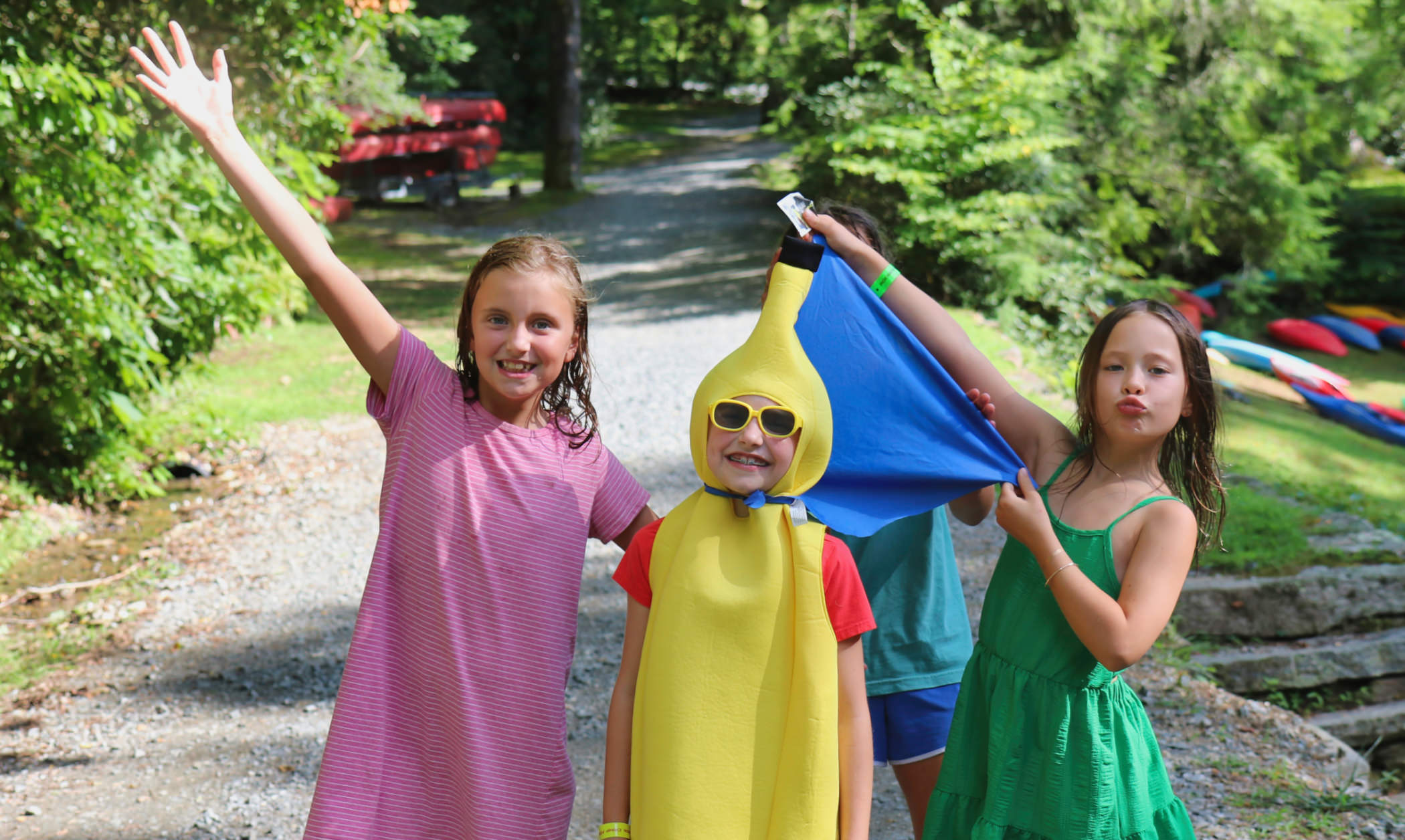
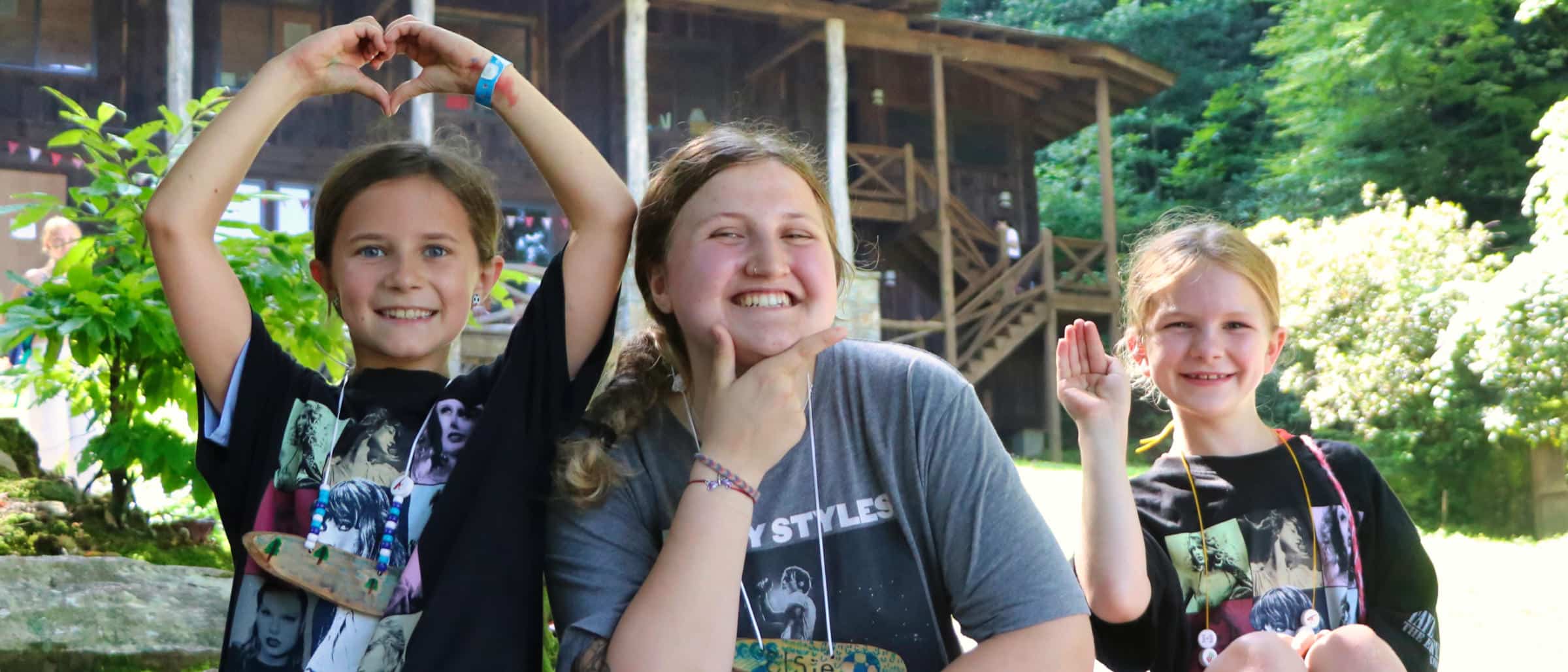
silly summer camp girl costumes

Leaving Camp

Let’s discuss the closing day of camp. You might think it’s a simple matter of arriving to pick up your child and a return to normal life. While it does mean reuniting after being separated for these past few weeks, it’s also an emotional time for most girls, and there are a few things parents can do to help their children as they leave camp.

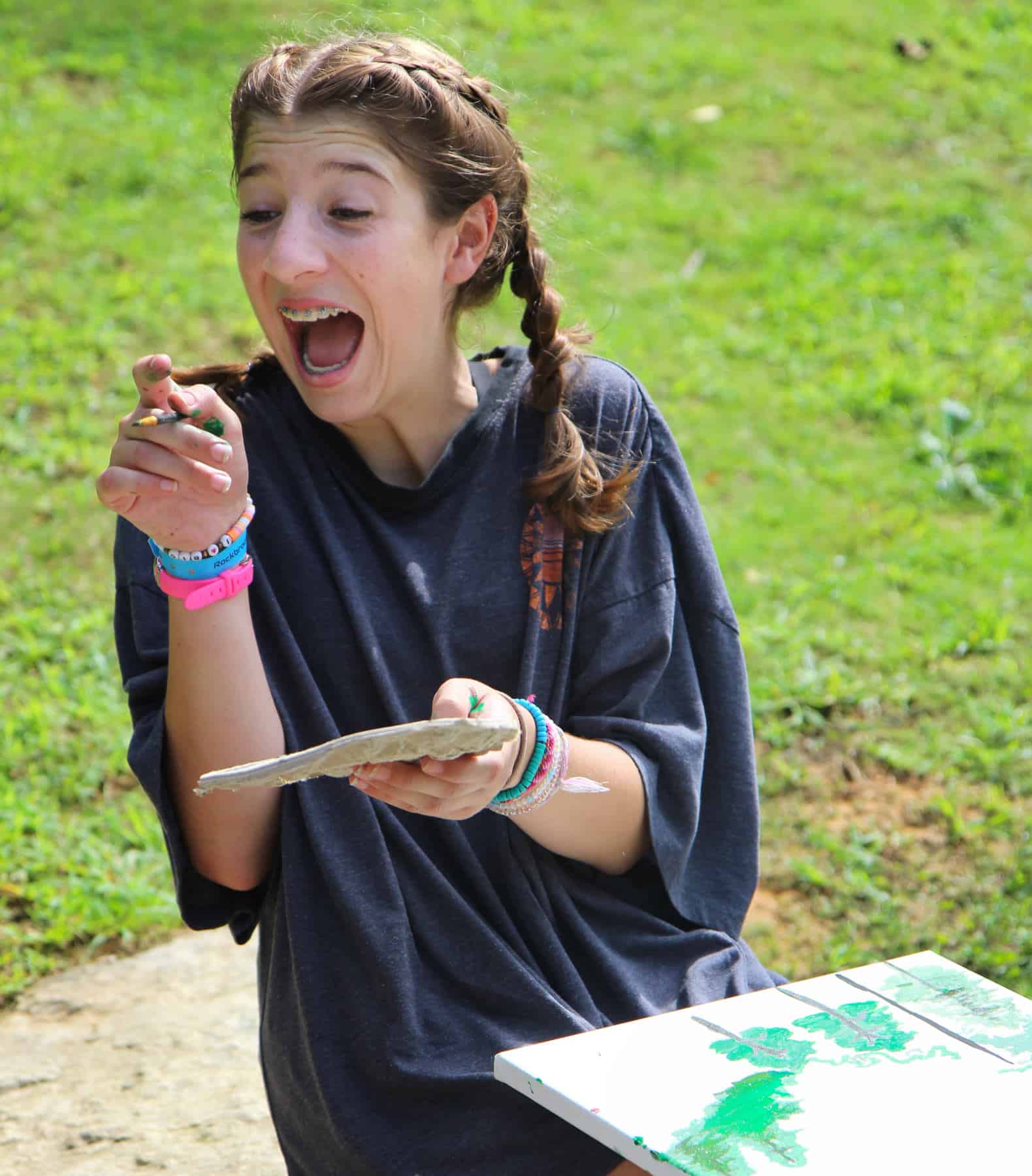
excited camp kid painting

Pickup Time

We don’t assign arrival times for pickup like we do for the opening day drop off, and instead ask you to arrive on closing day between 9am and 11:30am. My first tip is this; try not to be either the first or the last parent to pick up your camper. It’s not always possible to avoid these extremes for pratical travel purposes, like needing to catch a flight for example, but aiming for mid-morning is best.

Being picked up first means being the first to say goodbye to everyone at camp. It feels the most abrupt having to drive away (or leave on the earliest airport shuttle) while everyone else gets to savor more time with each other. Leaving first is tough because it feels like your camp time is ending at the same time as you’re saying goodbye to ALL of your friends. It’s an intense jolt in two ways.

Being one of the last to be picked up from camp is difficult too. It’s exhausting to say goodbye over and over as each friend is called to leave while you stay behind. It’s a little sad too, as campers can’t help but think their parents have forgotten something. If you are delayed for some reason (e.g., traffic, etc.), please call the office so we can let your camper know you’re running late.

summer camp kid zipping

A Sense of Loss

It’s important to know there is a real sense of loss that comes with leaving camp. Earlier this summer I wrote about Rockbrook being a haven, about it providing relief from certain pressures and challenges girls commonly experience the rest of their lives. In ten significant ways, we saw how certain aspects of “regular life” are particularly difficult for kids. In a world that’s defined these days by constant competition and judgment (think of school), that’s reved up to a breakneck pace, lived mostly indoors and saturated with information, that’s laden with social pressures, assumed inferiority and often prejudice, and that defaults regularly to electronic media for entertainment, it’s tough being a kid. Throughout the year, there’s a lot to shoulder.

When camp provides a refuge from all of this, when girls join a community that’s free from these challenging forces, they experience the most incredible feeling of joyful freedom. That’s when they find themselves playing more, exploring and trying new things. That’s when they’re suddenly more independent, more confident, curious and resilient. That’s when they feel recharged, and begin to develop habits of kindness, of paying attention to others, and of enthusiasm for new experiences. Most importantly, the haven of the camp community provides the perfect safe environment to open up and be their true selves. And it’s this authenticity of self that enlivens the forces of friendship. Kids make their very best friends at camp as a result.

Super camp outdoor fun

So this is what your girls feel they are losing when their camp session ends. They’re losing life in a haven where they feel so good, have so much fun, and are surrounded by such great friends, and they’re returning to a world where things are more difficult. The relief they experience at camp is coming to an end, at least for now. No wonder they are bound to be feeling sad! No wonder they are often crying.

How to Help

What can you as parents do to help your girls when they are leaving camp? First, take what we know they are going through and simply be understanding. This post helps you with that hopefully. Ask her about her friends and about what she liked about camp. Show her that you are interested in her experience at camp by listening to her. You can reassure her that she’ll be able to stay in touch with her camp friends (we’ll provide a list of everyone’s contact info), and if it feels right, that she can look forward to returning to Rockbrook next year.
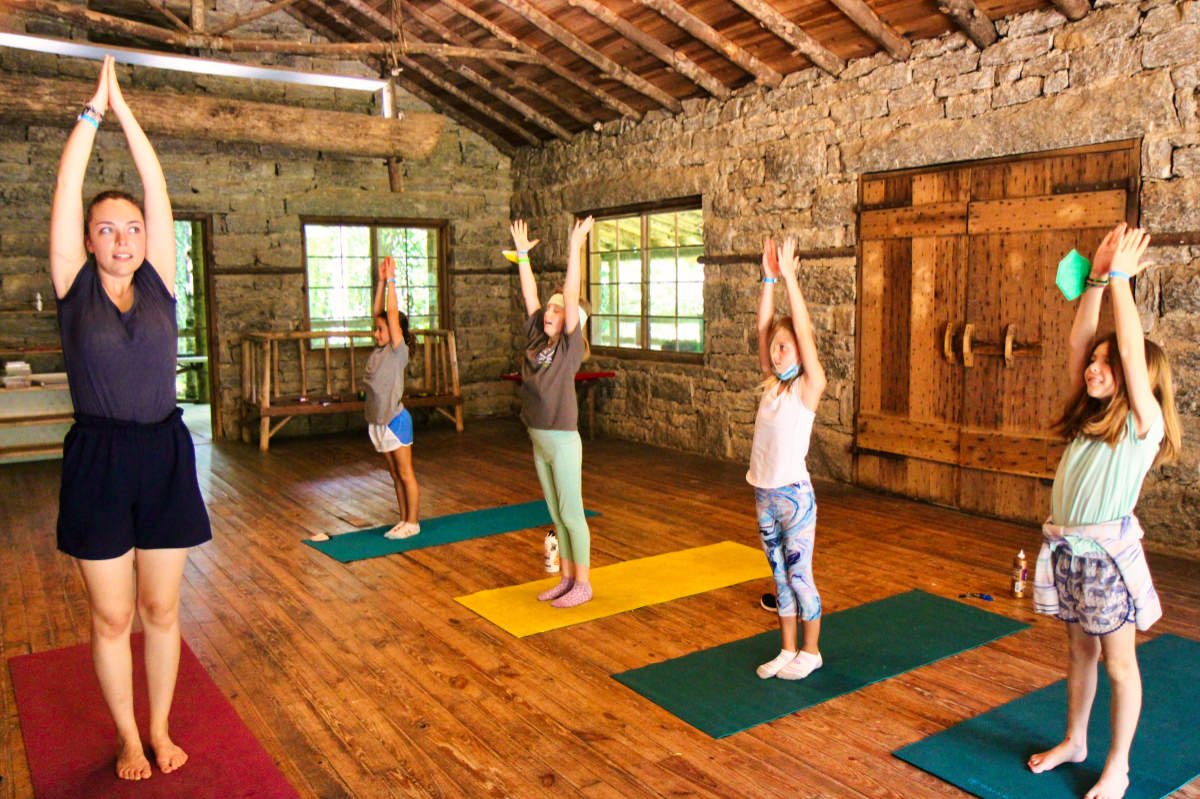
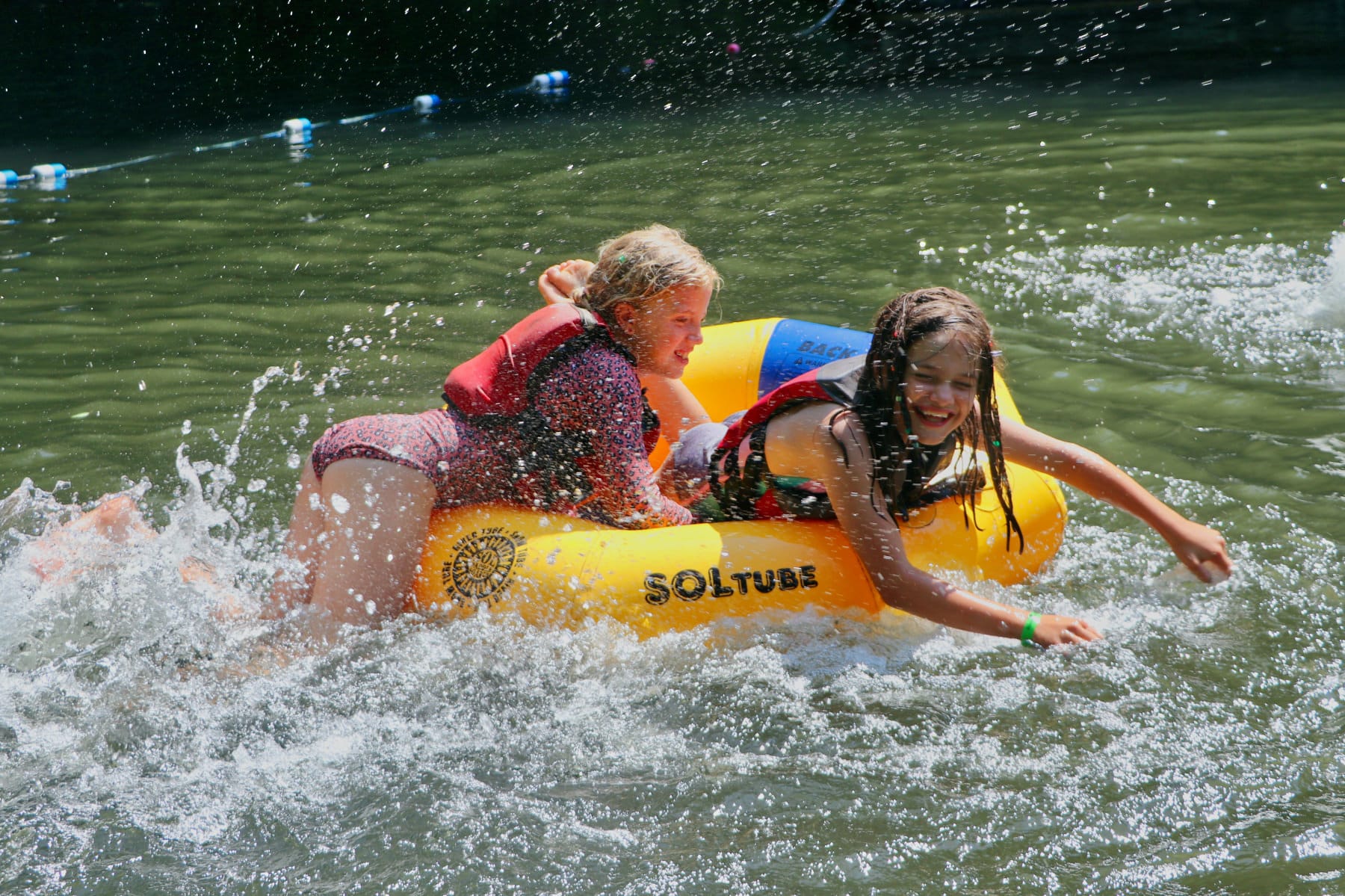
summer camp lake splashing

Secondly, and this is really important, do what you can to ease your girls’ reentry into their lives at home and school. Remember, there’s a huge difference here. For example, go slow firing up a busy schedule of “things we’ve gotta do.” Try your best to turn down the heat of any pressure she might be feeling with respect to school. Remind her of good friends she’ll see back at home. I also would suggest not jumping right back online, into her phone. Maybe make a deal that you’ll leave your phones off in the car for the ride home, creating a good chunk of time for talking about her camp experience. Think of it this way; everything about her smartphone is antithetical to the life she lived at camp, so you can help soften her return to ordinary life by reducing the role it plays for her. Yes, older girls may feel they have “missed their phone,” but they also now know how great they feel without it. She may not see it this way, but you’ll be doing her a real disservice by handing over her phone as soon as she gets in the car. There’s nothing worse for extinguishing the camp glow she’s been feeling while here.
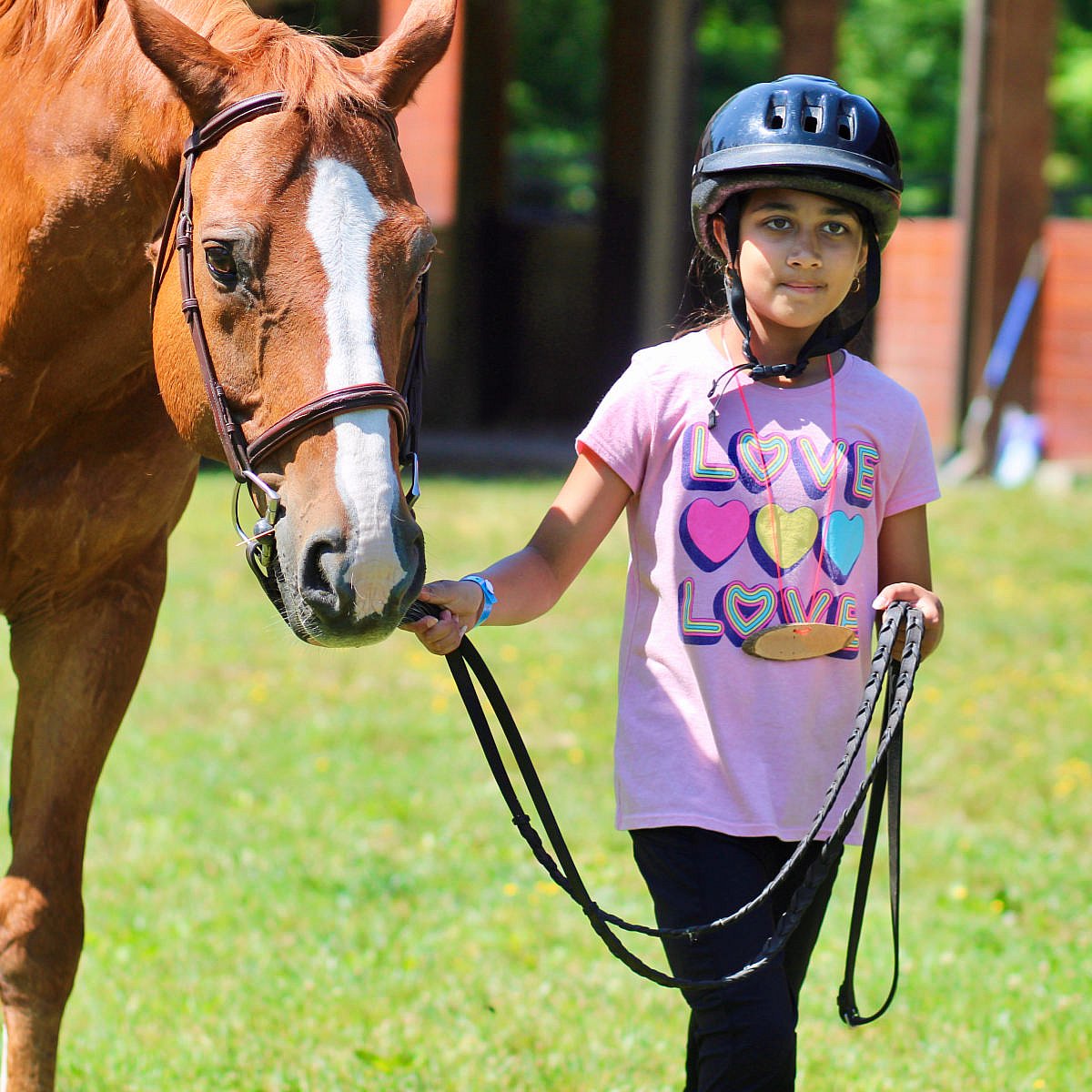
Leaving camp is tough, tougher for some than others, but it’s something we all have to do. And yes, it’s sad. Our challenge becomes discovering ways we can feel glimpses of camp magic in the currents of ordinary life. I believe it can be done, especially with good friends by your side. My hope is that your Rockbrook girls will feel empowered and find the courage to do exactly that.

We’ll see you on closing day. Oh, and you might want to plan a visit to Dolly’s before you leave town. She’ll love that.

summer camp friends hug

Inside the Photo Gallery

The daily Rockbrook photo gallery available to parents in their online account is always great fun to see. Long ago we realized that even though camp is inherently an experience for the campers, parents want to be a part of it too. They at least want to see what’s going on. In fact, many parents “live” for the photo gallery, they tell us, checking for newly uploaded photos throughout the day. Most days we upload a batch of photos just before lunch and another just before dinner. Some days, when a special event of some sort has happened, we’ll have other batches uploaded as well.
That’s great! We’re happy to provide all the photos, and while we can’t possibly show everything going on at camp, or take a photo of every camper every day, we try our best to cover things. On most days we have two photographers roaming about the camp trying to capture the action. We prefer two because there is so much going on at camp simultaneously. If we’re down at the barn taking pictures of riding, we’re missing the zipline kids, and so forth. So we need to divide and conquer! Still, we’re bound to miss a few things.

We use a 3rd-party photo display system that’s part of CampMinder, the camp registration service that handles our online registration, forms, and payment processing. This company creates the display grid and handles the photo prints and downloads, setting the prices for this service. Unfortunately, we can’t control all of that.

Photos Need Context

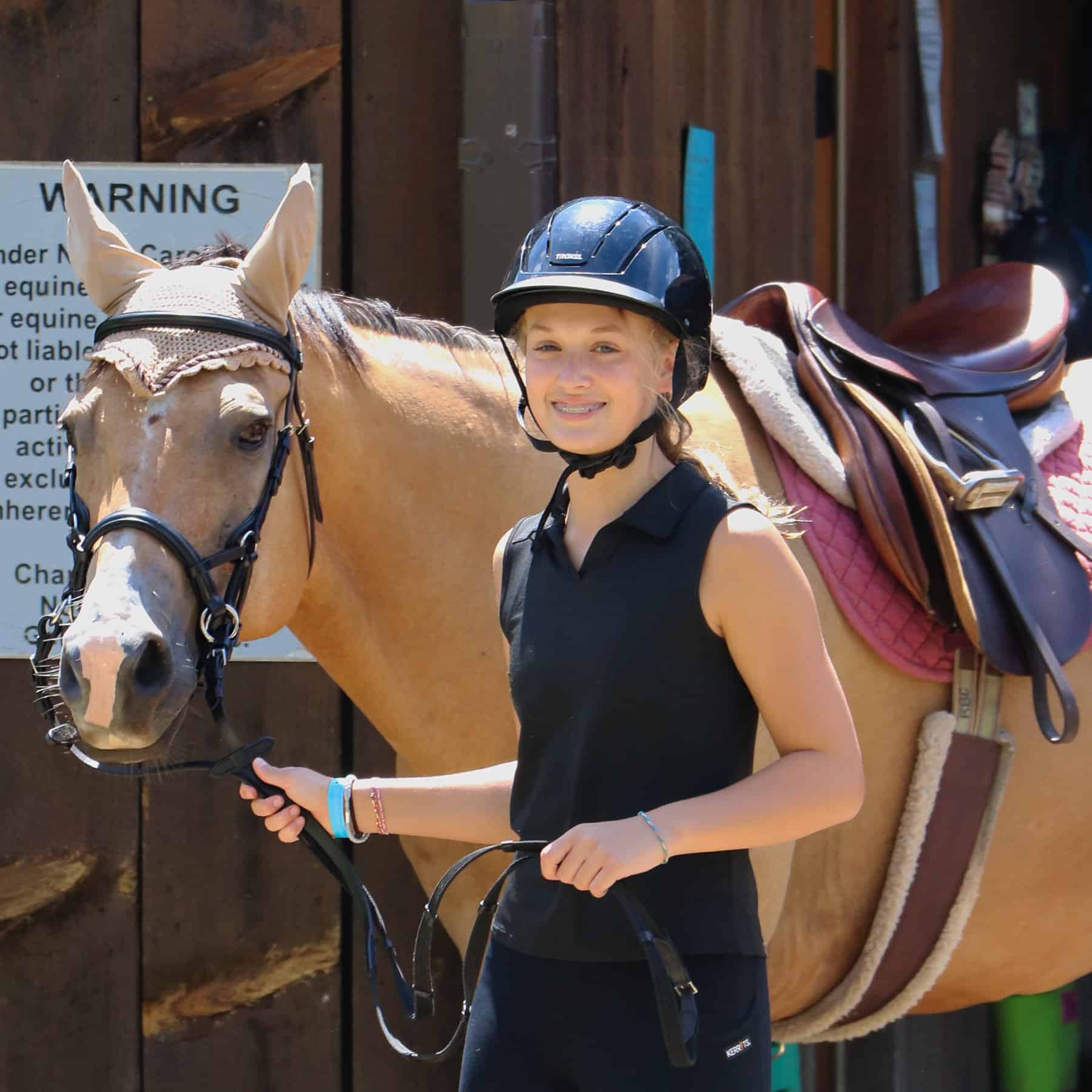
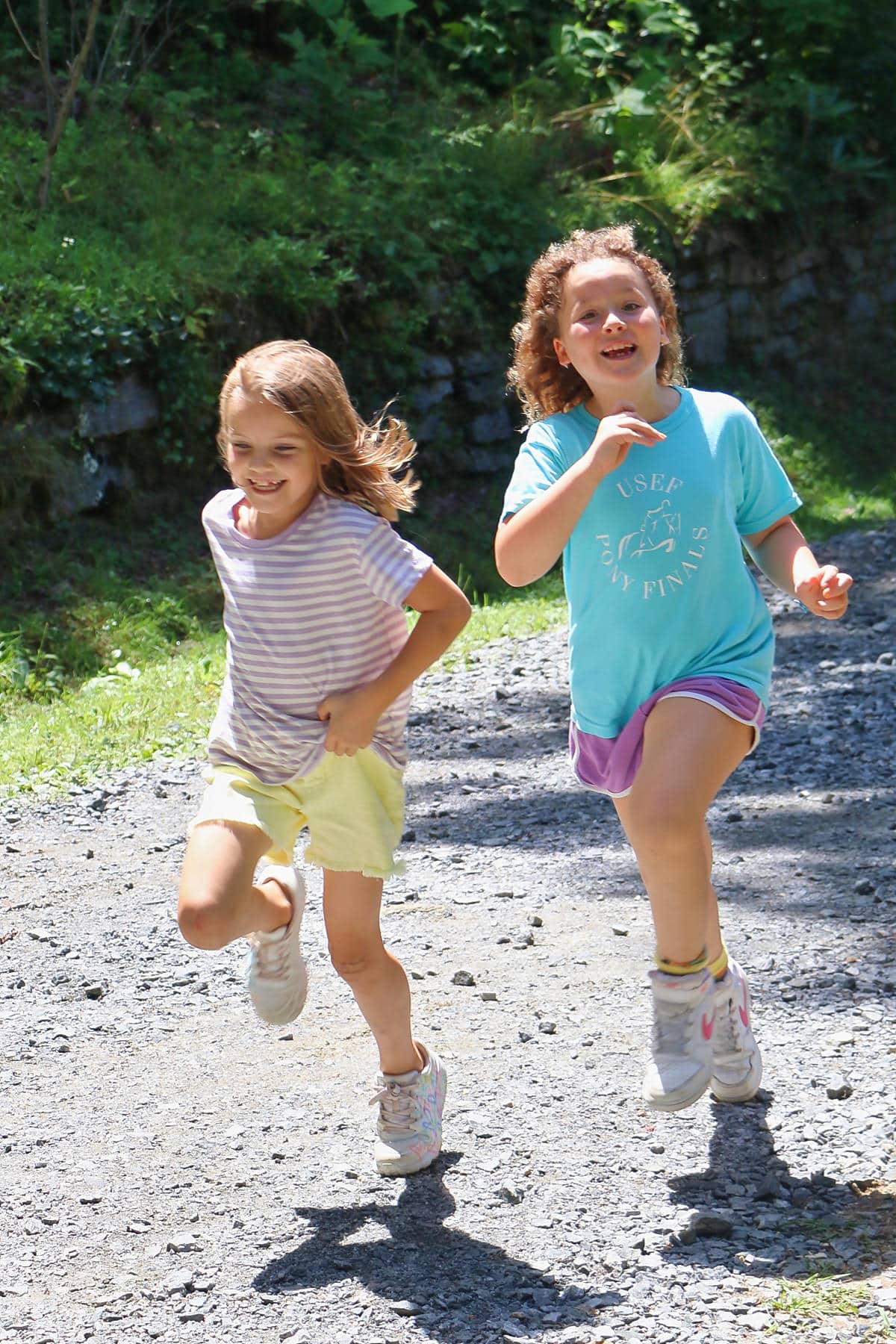
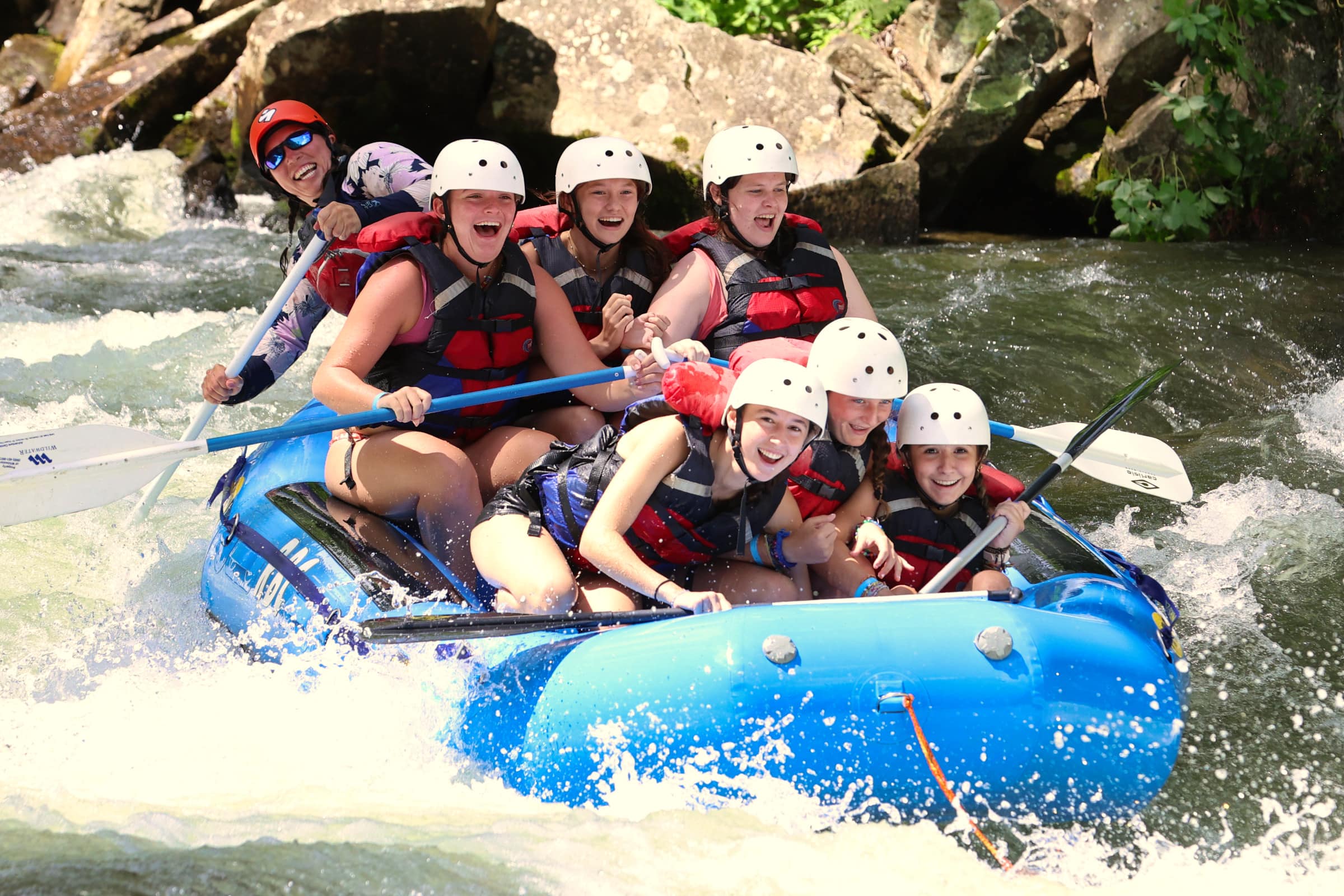
Sometimes, the photos can be confusing to parents. Not knowing the background of what’s happening at camp, you won’t know what’s going on in a particular shot. You might see a couple of girls running, but not know they are jogging by as part of a group, “The Rockbrook Runners,” that covers a 2-mile loop before lunch most days. You might see a girl standing next to a horse smiling, but not realize she is leading her horse from the barn to the riding ring to begin her mounted lesson. Likewise, you’ll see three girls wearing helmets and PFDs and not understand that they are listening to the safety talk just before going rafting on the Nantahala River. If every “picture is worth a thousand words,” there are some days on the photo gallery where almost a million words are there to be read!
shady summer camp tennis court
girl camp weaving at loom

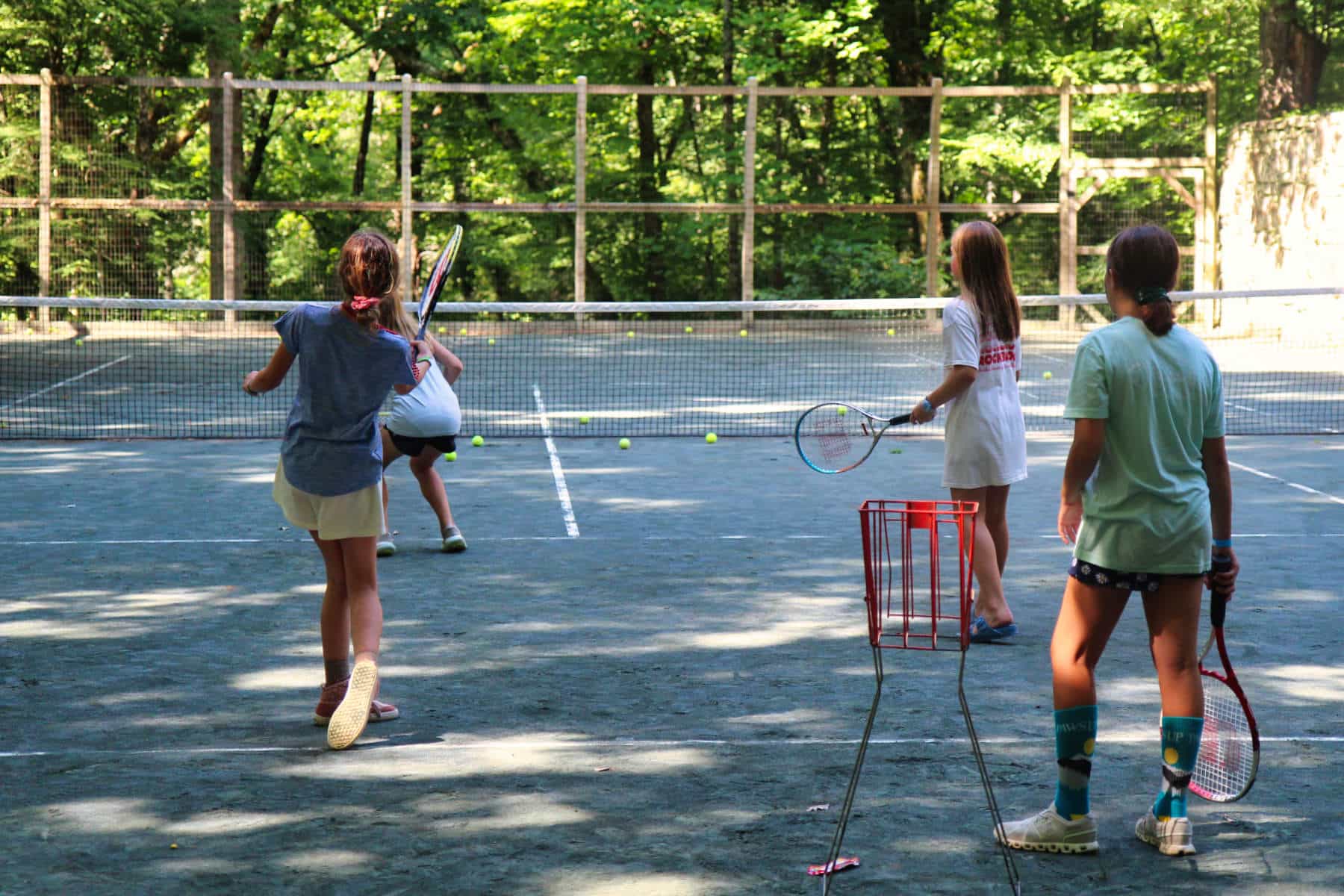
Here’s another example, a photo taken one sunny afternoon at the tennis courts. The instructor is just out of view, but you can see girls with an empty ball basket after practicing forehand and backhand volleys. The court is nice and shaded, a definite plus on a warm afternoon, and you can see the clay playing surface that also helps keep things cool. The courts need to be brushed every so often and the taped lines hammered into the clay need to be cleared off as well. With a rock wall on one side and the trees lining the other side of the lower court, playing on these courts feels very old fashioned and campy.

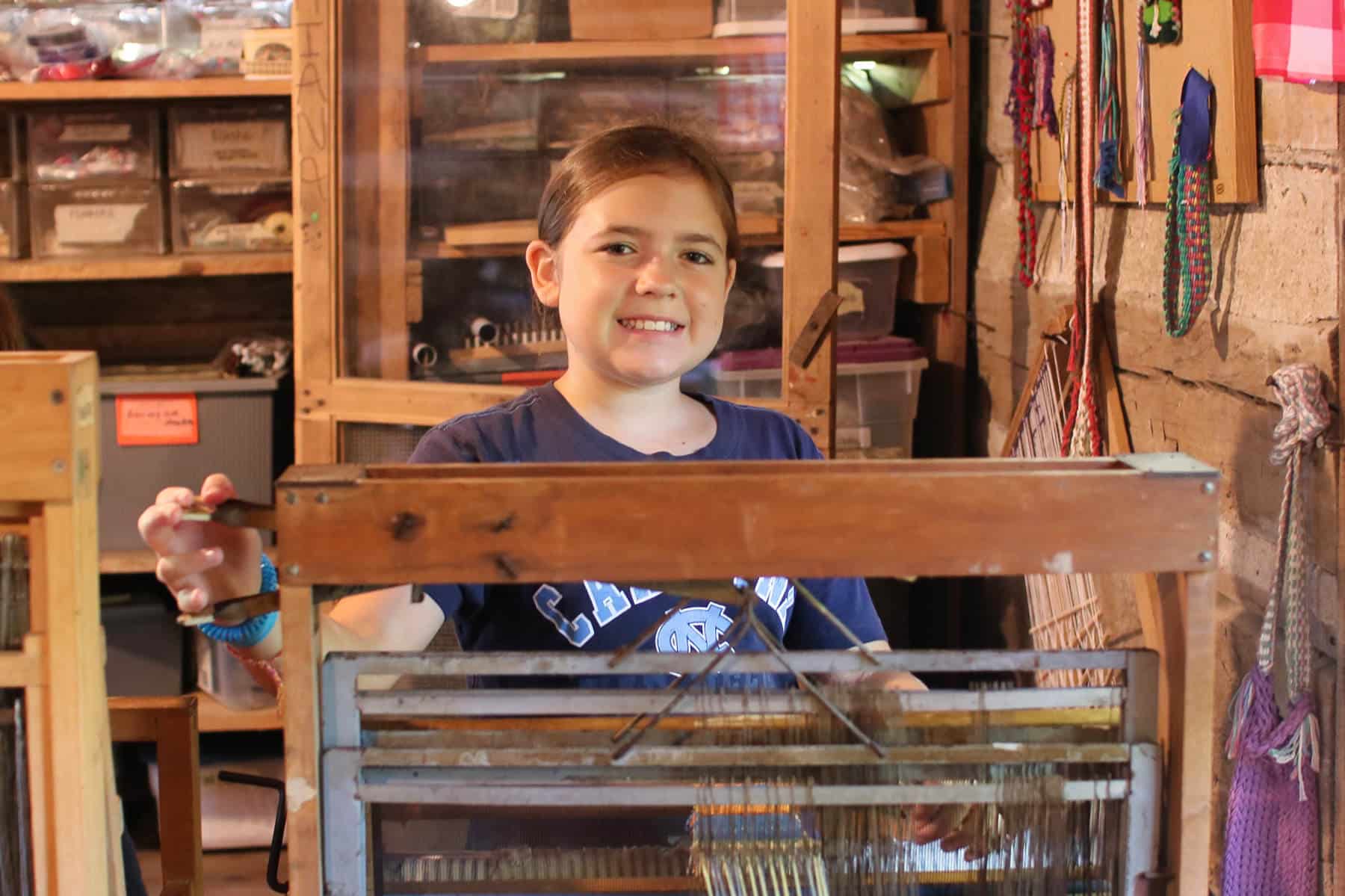
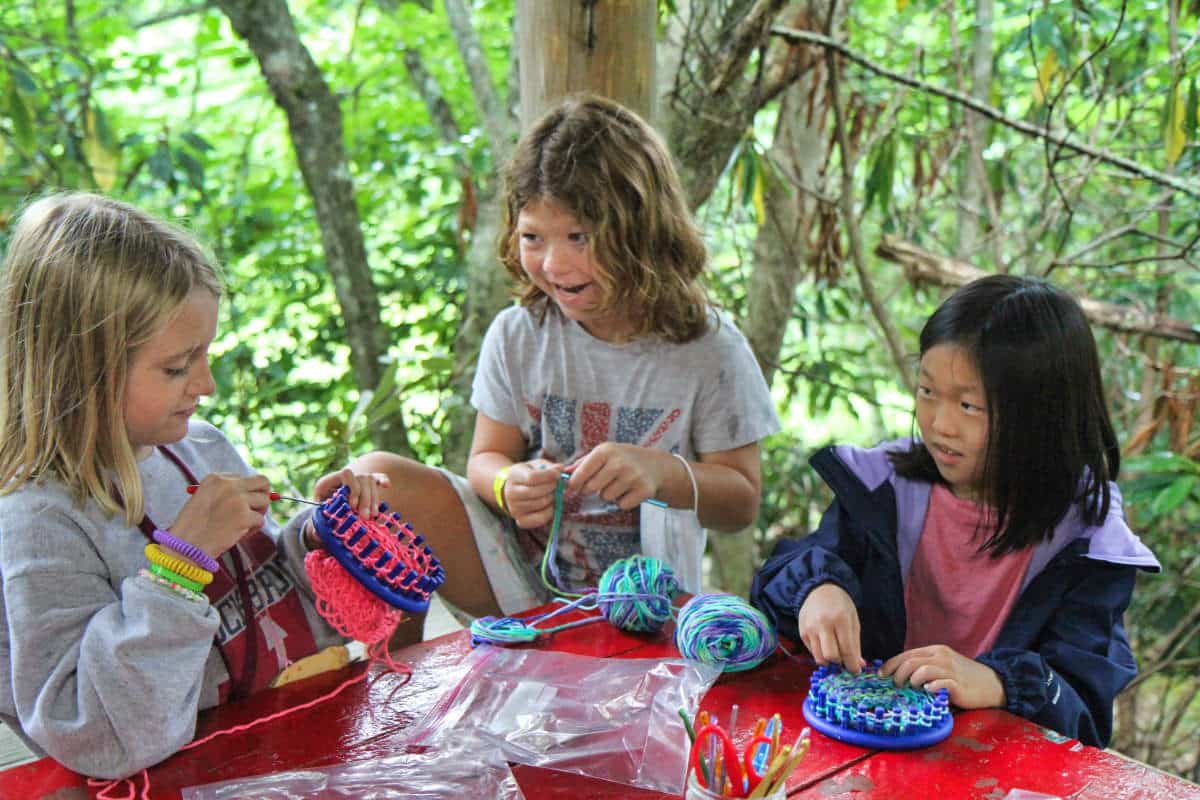
The same can be said for all the weaving going on in the Curosty cabin just up the hill from tennis. This is one of the historic log cabins on the Rockbrook property. It’s full of all sorts of looms, full-sized floor looms, smaller tabletop looms, and even smaller frame looms. Any time of the day, you’ll find campers busy on these looms, running some sort of weft back and forth through some pattern of warp held tightly on the looms. In this photo, the camper is pressing the keys with her hand to change which strings in the warp move up and down allowing the weft to be passed through horizontally. It only takes a few passes to begin seeing the design in the woven cloth. In this photo, you can also see hanging on the wall some of the colorful woven projects created, and in the background, a cabinet of weaving supplies.

Revisit the Gallery Together

Well, we could go on and on like this, but I hope you can see how it will be fun to revisit the photo gallery with your camper after she returns home. Take some time to sit together and have her explain what’s going on in the photos. I think you’ll enjoy learning more about camp, and love hearing her enthusiasm and excitement for all the little details you probably missed on your own. You’ll be able to ask questions and hear even more stories about her experience at Rockbrook. Highly recommended!

wild whitewater rafting trip

The Ritual of Packing for Camp

The anticipation of camp time approaching can create as much joy and excitement as actually arriving! 

summer camp trunk

Preparing for camp is a time-established ritual that girls at Rockbrook have known for more than a century. Exploring the archives of old Carrier Pigeon newsletters uncovers fascinating references to girls preparing their steamer trunks, counting out their stockings, and visiting department stores for final items. Campers today go through much of the same preparations (though no one arrives by Pullman car anymore!). 

Feelings in the Suitcase

The rituals of reviewing the packing list, counting out clothing items, and labeling belongings can bring up all kinds of feelings for campers and their parents. Sometimes it’s a little nervousness around leaving home for the first time and making new friends. For returning campers, it can be great anticipation to see old friends and return to familiar places. 

summer camp footlocker

Deciding what to bring to camp is another big ritual, approached with great care and attention by some campers. They know that space is limited in their bunk, but there’re so many things they want to bring! Books, a favorite stuffed animal, stationary for writing home, and costumes for cabin skits are crammed in. Careful decisions must be weighed! There’s always an item or two that’s forgotten or left out, but as all campers know, simplifying life down to fewer items brings its own joy too. 

No matter how many or few belongings each camper arrives with, quality time at camp has nothing to do with the “stuff” you bring. Showing up ready to make new friends, try new things, and have great days is the only thing you need to pack. And maybe a toothbrush.

—Miranda Barrett
   Camp Mom, former camper and counselor

How Camp Fun Matters

One of the phrases I sometimes use to describe the experience of camp is to say it’s “fun that matters.” The idea is that camp is certainly fun, filled with exciting activities, thrilling adventures, and plenty of silliness, but it’s also educational in the best sense of the word. In addition to all the colorful crafts, tennis and tetherball, horseback riding, ziplining, and playing in the lake, for example, the girls at camp are learning and growing in important ways. Camp is not just entertainment, or a brief diversion, like a trip to an amusement park or watching a movie. It means so much more to the children who experience it. To them, camp is profound; it matters, so much in fact, that they yearn to return each summer.

camp archery bullseye

It’s an interesting question to ask, therefore, how camp matters. If it matters because it’s educational, how is it educational and what are these camp kids learning (while they’re having fun)?

There are so many great answers to this question. Over the years I’ve written about camp life fostering core aspects of who we are as human beings, helping children become more creative, more courageous, more compassionate. I’ve said camp helps kids develop critical “life skills,” becoming better decision makers, communicators, collaborative team members. Watch out because camp kids are going to be confident and capable. They’re going to be excellent friends, more joyful than not, and kind to most everyone they meet. Camp teaches all this and more.

We could say, I believe, that girls love camp because it provides all these opportunities for personal growth. In other words, girls love camp not just because it’s fun, but because they’re also learning! Obviously, they wouldn’t put it like that. If you asked, they’d talk about laughing their heads off with their friends rather than the social and emotional skills they’re exercising in that moment. But I think there’s something to this idea. Yes, camp is fun, but Rockbrook girls love camp because the fun here makes a difference in their personal development.

My other theory about why kids love camp, namely that it satisfies critical childhood needs, aligns with this idea. Maybe nowadays children are having difficulty learning these lessons because modern education can’t adequately teach them about the joys of being silly, the role of compromise in a thriving community, or inspire confidence in them to tackle new challenges, to name a few examples common at camp. I wonder if focusing heavily on (academic, athletic, artistic, etc.) achievement limits what most educational systems are really teaching, and if so, our children need more than just school. They have unmet needs, and unfortunately, can feel uneasy as a result. When something can relieve this uneasiness and fulfill these unmet childhood development needs, it’ bound to feel really good. And since camp life does exactly that, since it’s “a place where they feel the most at ease,” kids love it.

zany summer camp girls

This is how the fun of camp matters. It provides a special kind of learning that’s ordinarily hard to find, and that once fulfilled, makes campers feel the “happiest they’ve ever been.”

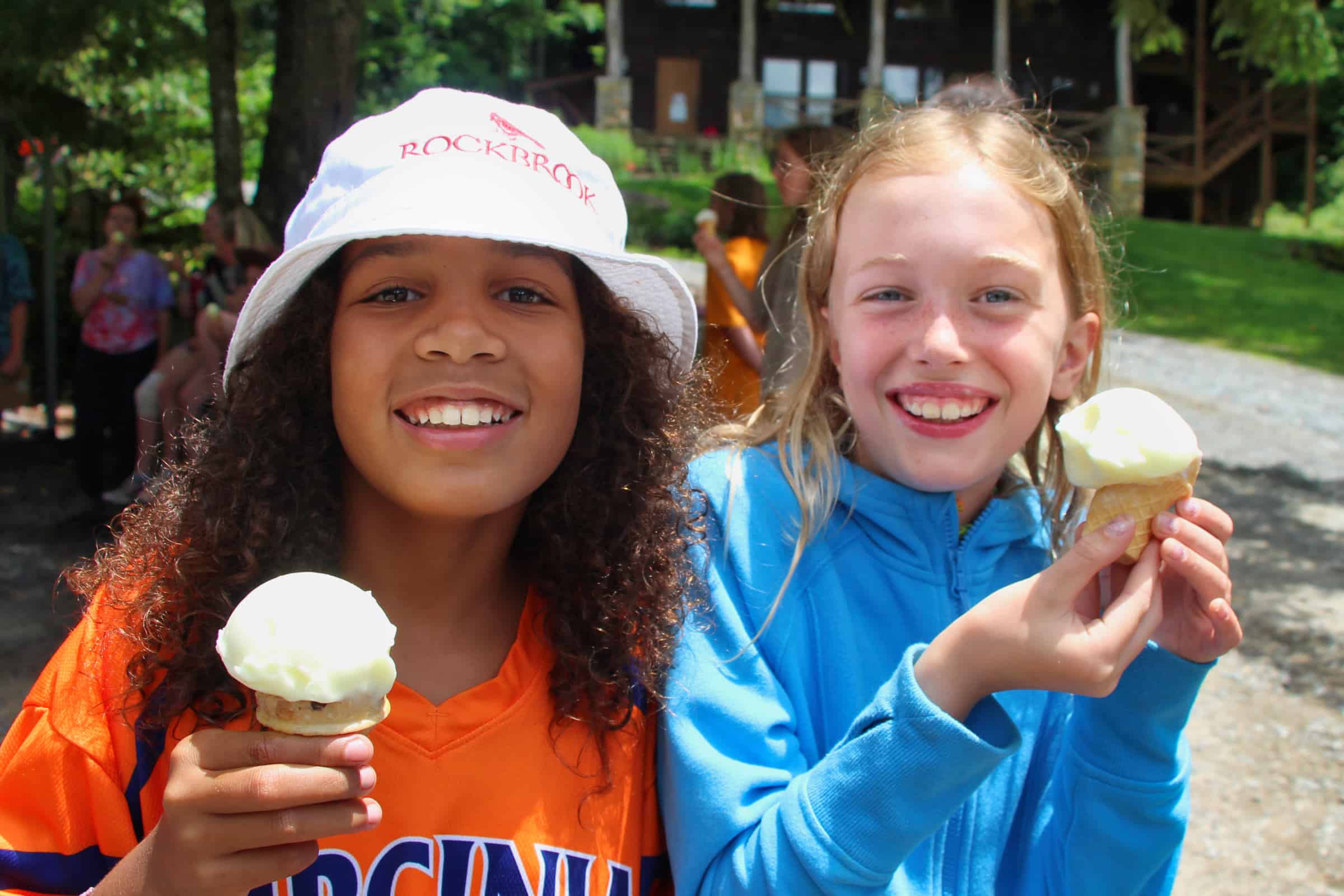
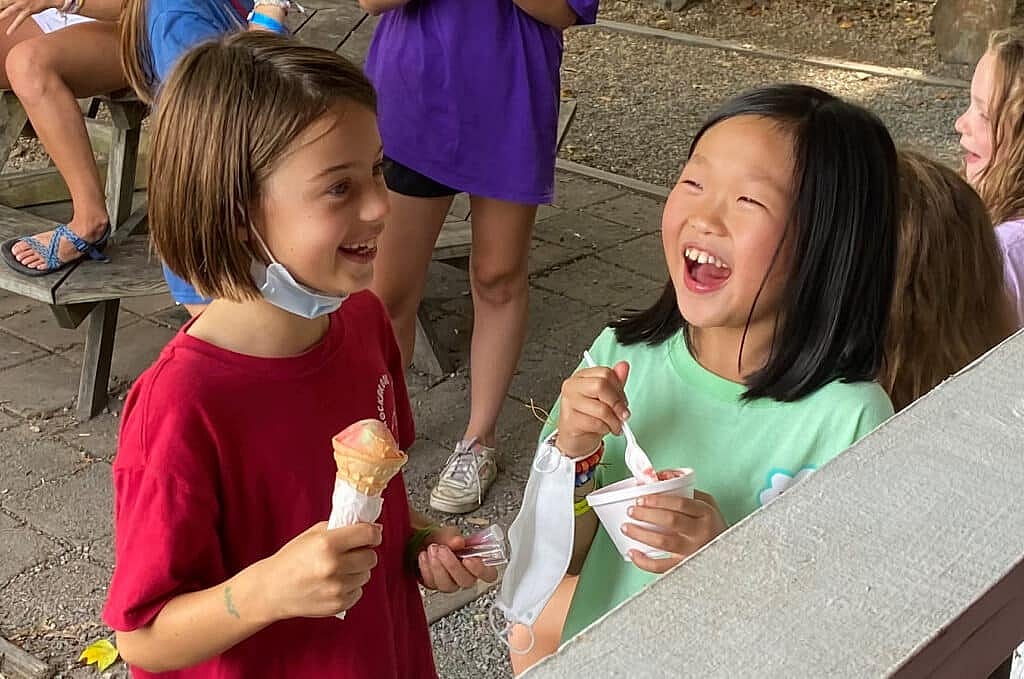
If this all makes sense, then it tells us how to help girls love their camp experience. Interestingly, you don’t do that by adding more activity options, toys at the lake, or other “amenities” at camp. Of course all of that is an important context for life at camp, for the fun of what we do and where we do it each day. But no, you inspire a love for camp by making whatever we’re doing more meaningful, more thoroughly tied to satisfying those core human development needs. Instead, do what you can to remove their uneasiness. Help girls feel they belong. Prove to them they are stronger than they think. Show them that kindness, caring and generosity form the roots of true friendship. Give them daily chances to collaborate, to create, to be silly and free from judgment. It helps to feed them a freshly baked muffin every morning and the occasional ice cream cone, but you see what I mean.

Everyday we’re having a lot of fun at Rockbrook, but it’s more than that because something more meaningful sticks with the girls. It’s fun that helps them grow and makes them feel really good too. They love this tight-knit community and their place among the friends around them. Camp is a fun experience that really does matter. And it’s my regular joy to be a part of it.

international camp children

Avoiding Parent Pitfalls

summer camp horseback riding girl

Over the years, as we’ve welcomed new families to Rockbrook, we’ve often found ourselves cautioning first-time parents to avoid particular pitfalls when they are preparing for camp, and later when their child is here. Just like their campers, parents too can experience a mix of nervousness and excitement when contemplating the adventure of camp. These feelings, despite their best intentions, can sometimes lead parents to say or do something that ultimately undermines their child’s success at camp. Knowing about these common pitfalls, and avoiding them, can really make a difference for first-timers— parents and campers alike.

Sarah Carter, Director of Rockbrook, recently published an article addressing these common pitfalls.

Tips for First-time Camp Parents: 10 Traps to Avoid

She presents ten essential tips parents need to know before sending their kids off to summer camp. The article cautions parents but also gives thoughtful advice about how to reassure campers more constructively.

Attending a sleepaway camp like Rockbrook for the first time is exciting! It’s a big step that empowers children, fosters their independence, and grows their confidence. With these tips in mind, parents will make a real difference in the success of their camper’s summer camp journey.

two good friends at summer camp

A Parent Perspective

I am the proud mother of a Rockbrook camper. This is my daughter’s second year at Rockbrook. For her first year, we decided to sign her up for the mini-session to see if summer camp was something she was going to enjoy. When we picked her up last summer, she let us know without hesitation that she was ready to go back for the full session, which is almost 3 weeks long. As I write this and reflect on what summer camp means to me as a parent, she is back at Rockbrook enjoying all that camp has to offer.

The Drop-Off Emotions

girl ready for summer camp

The moments leading up to camp drop-off are always emotional. This year, as we waited in the car line, I watched my daughter go back and forth between happiness and excitement (after all, she had been waiting for this all year!) to being nervous and anxious. She recognized the lake she had so much fun in last summer but then realized this meant we were getting closer to the drop-off point. After we unloaded her trunk and she realized it was time for us to say goodbye, she started to cry, just as she did the previous year. This year, however, she was not the only one; I also had some tears as we drove away from camp. 

Worries and Trust

Sending your child off to sleepaway camp is not easy. Aside from the obvious fact of how much I would miss her, there were lots of other things I worried about. Would she do a thorough job of brushing her teeth? Would she remember to put on sunscreen? Would she eat any vegetables over the next couple of weeks? More importantly, would she be able to fall asleep without the goodnight hugs and kisses from Mom and Dad that she was used to? Would she miss the nightly ritual of being tucked into her own bed? What would happen if she got homesick or felt left out? 

In the end, I know she will be fine. At Rockbrook, she is surrounded by an incredible staff trained to handle all types of situations and wonderful, caring counselors (many who were Rockbrook campers themselves!) who have secret tricks up their sleeves to help homesick campers. Not to mention, she is in a cabin full of friends who are also probably feeling a little sad about missing home. And, as she settles into camp life and I start to see photos of her smiling with her friends, I know I will be okay too. 

Benefits for Parents Too

If you’ve been reading this blog for a while, you know that camp has so many benefits for children: the opportunity to try new activities, developing confidence and self-esteem, learning social skills, and building lifelong friendships. What you may not know is that camp can also benefit the parents. By sending my child to camp, I’ve learned that being a parent is more than handling the day-to-day stuff. Sometimes, it means stepping back and letting your child find their own way. At Rockbrook, my daughter gets to decide what activities she wants to sign up for, what food to put on her plate, and how to spend her free time. That is a great thing. If she gets homesick or has a bad day, she has to figure out how to deal with those feelings without me. And while the time apart is difficult, I know that when we are reunited, I will have so much respect and appreciation for my daughter for the amazing, brave, resilient, independent person she is. (I will also appreciate the steady stream of camp songs that usually follow in the days after camp!)

Earlier today, I listened to one of my favorite podcasts, This American Life. Coincidentally, this episode was all about summer camp. The host of the podcast, Ira Glass, talks about how there is a divide between “camp people” and “non-camp people.” Those that never went to summer camp can never fully understand the camp experience. He interviews a former camper-turned-counselor who says that all of the best moments of his life have either been at camp or with camp people. What a bold statement. He continues on to say that he would not be who he is if it wasn’t for camp. As a non-camp person, I may never understand what this means. But my daughter (and your daughters) will, and hopefully the experiences they have at Rockbrook will also become some of the “best moments” of their lives.

Jean Lee

happy summer camp girls

Raising a Successful Child

What is a parent’s role in raising confident and successful children? What matters in a child’s life that helps them grow up and find satisfaction as an adult? What can we parents do to encourage the habits, character and understandings that children need as they face challenges later in life? We all want our kids to be successful grownups, but is there something specific we can do to give them the best odds?

kids yoga class

These are the questions asked by Margot Machol Bisnow in her recent article, “I talked to 70 parents who raised highly successful kids—here are the 4 hard parenting rules that make them different.” The whole article is online here. In her research for writing a book about “raising an entrepreneur,” Bisnow identified several trends in how successful entrepreneurs were raised as kids. Their parents provided certain experiences that made a difference for these kids as adults.

When I spotted the article it was clear that summer camp, certainly at Rockbrook, aligns perfectly with all four of these “parenting rules.” Our camp philosophy and culture inspire these same experiences, which we hope encourages the girls here to grow and be more confident later in life.

Here are Bisnow’s 4 “rules.”

1. Give kids extreme independence

Kids need to practice acting independently. When faced with choices, we want our kids to make good decisions on their own, without the guidance of authority figures like parents and teachers. Camp is great for this! The kindness and support kids find in the camp community bolsters their confidence to act independently. Everyone here is making independent decisions, and finding encouragement to give things a go. And with “success” at camp being defined more as process than a particular “win,” there’s less fear of failure and a more joyful approach toward new experiences.

2. Actively Nurture Compassion

Bisnow suggests compassion is a character trait that correlates with being a successful adult. This means being aware of how those around you are feeling, and responding positively with a desire to help. It means being tuned into the needs of others. This kind of compassion goes a long way, and at camp, it’s the core of our community. Here at Rockbrook, we are all focused on caring for each other, pitching in to help, and being friendly to everyone. We work to keep others in mind when we make decisions. We strive to include people, and to be generous with our selves. This air of compassion at camp is one the main reasons it feels so good, so freeing, to be here.

3. Welcome failure early and often

Most adults don’t do well if they focus too much on avoiding failure, or on removing personal feelings of discomfort or frustration. Life is bound to present occasional setbacks, and often great opportunities include an obvious amount risk. But if we are to grow, we need the courage to accept those risks and to lean into challenges rather than to retreat to the comfortable and the familiar. Here too, camp teaches this lesson everyday by presenting girls with chances to go beyond what they’re familiar with. Everyone here is expanding their “comfort zone” by trying new things and meeting the challenges that presents.  In this kind of caring community, “failure” is not even a concern. Instead, we’re resilient. We embrace the possibility that we might not “get it perfectly,” and just keep moving ahead.

4. Let go of control and lead by following

Kids need space to explore who they really are. They need the freedom to reveal their passions and talents. They need to be trusted to understand themselves without too much outside pressure to be a certain thing. Camp is the perfect environment for this too. It’s supportive and actively accepting. We celebrate different interests and applaud every kind of creativity. Simply sending your girls to camp, letting them go, allows them to tap into this authenticity and to know they are still valued. This is a really empowering step on their path toward being strong, confident and well adjusted.

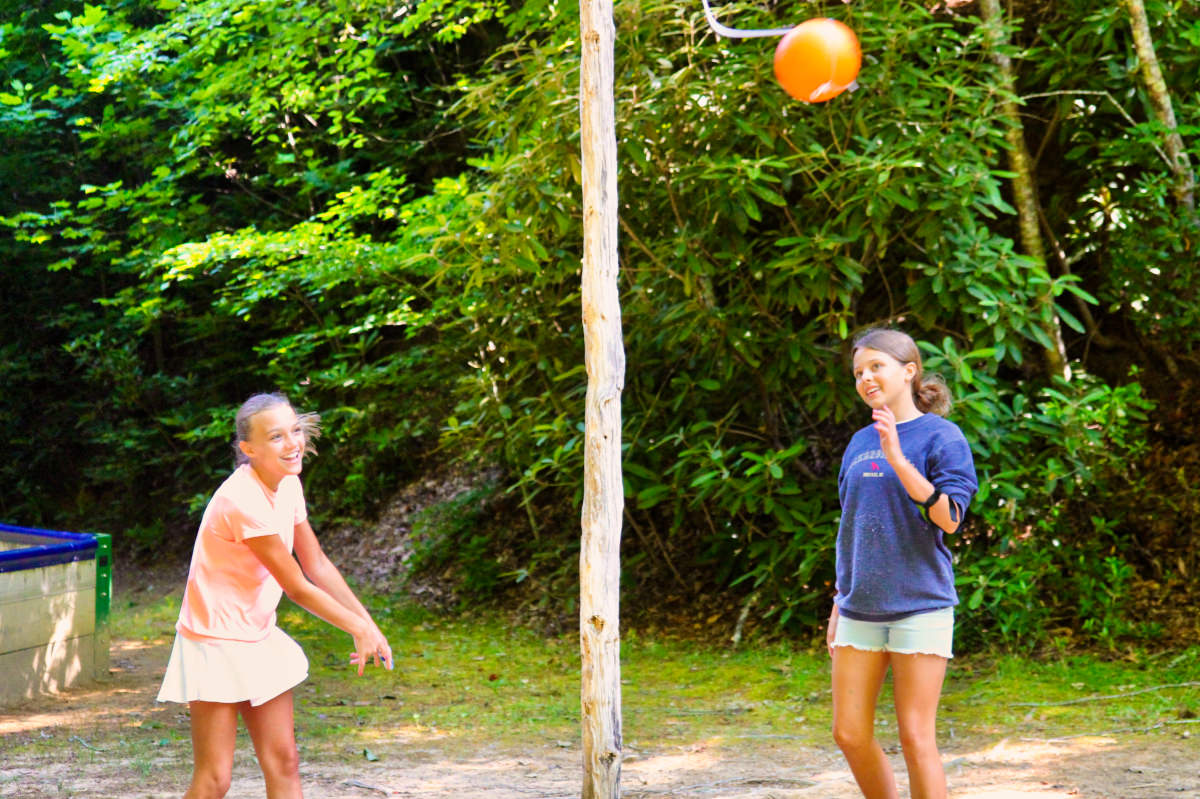
tetherball smiles

All four of these impulses are woven into our daily life at Rockbrook. It’s the type of community we have here—rooted in kindness and generosity —that makes this possible. It’s this safe and supportive environment that is ideal for kids to build these character traits, to grow personally and socially stronger, and to experience first-hand that being a little brave pays off. Of course the girls love how all this feels too. They’re eager to experience it and grow in these ways. At least partly, it’s what’s “fun” about camp.

And all of this happens away from their parents, which is the other crucial component here. Practicing these four “rules” can sometimes be hard at home (hard on the parents!), but at camp, they’re easy.

So is there something we parents can do to help our kids be more successful later in life? Is there a way to inspire them to be more independent, compassionate, resilient, and true to their authentic self? There is. You can send them to camp.

Camp Pen Pals – Hooray!

Coming to camp is so much about friendship. Camp means meeting new people and making friends. It means learning how to be a good friend, a true friend. Life at camp shows you that friends can be older or younger than you (doesn’t matter), friends can be from far away (even from another country), and friends can be deeply supportive (especially when they know you so well).

At Rockbrook making friends starts before you even arrive. That’s because, in the spring before camp, everyone coming is paired with a pen pal. Your pen pal is another camper who will be coming to your same session, and is someone we think you’ll enjoy getting know. She’ll be similar in age, and possibly assigned to your same cabin. Your penpal could be a returning camper or someone who is experiencing Rockbrook for the first time.

Camp Pen Pals

For years now, decades actually, we’ve paired up girls as pen pals before camp because we know how much fun it is to share your excitement about camp with another girl who will be attending. That’s the point— to begin making a connection with a new camp friend even before arriving.

Even if this is your first time at camp, and even if you don’t know anyone who already attends, your pen pal can be your first camp friend. You can look forward to seeing a friendly face you on your very first day. You can sign up for activities together, go to free swim together, and sit together during evening programs.

Every April, we send each camper the name and address (and email address) of her new camp pen pal. In the letter, we also enclose a fun postcard to help inspire your first letter.

So let’s get started! Grab a pen, some markers, or colored pencils and write that card. Or, if you’d rather, compose an email introducing yourself. Or, really get creative and write a whole letter on a piece of paper you decorated. But, don’t delay! Your pen pal really wants to hear from you!

What to write? Almost anything about yourself will be great— What’s your favorite food? Do you have any pets? Brothers or sisters? Hobbies? Sports? What are things about camp you’re looking forward to? Are you planning to pack a funny costume for camp? Ask some questions too, so you can get a conversation going.

Go ahead and write more than once! Everybody loves getting mail. If your pen pal doesn’t write back at first, don’t let that prevent you from writing again. It will help!

Writing your penpal is really fun! Hooray!