Castle Rock Climbing

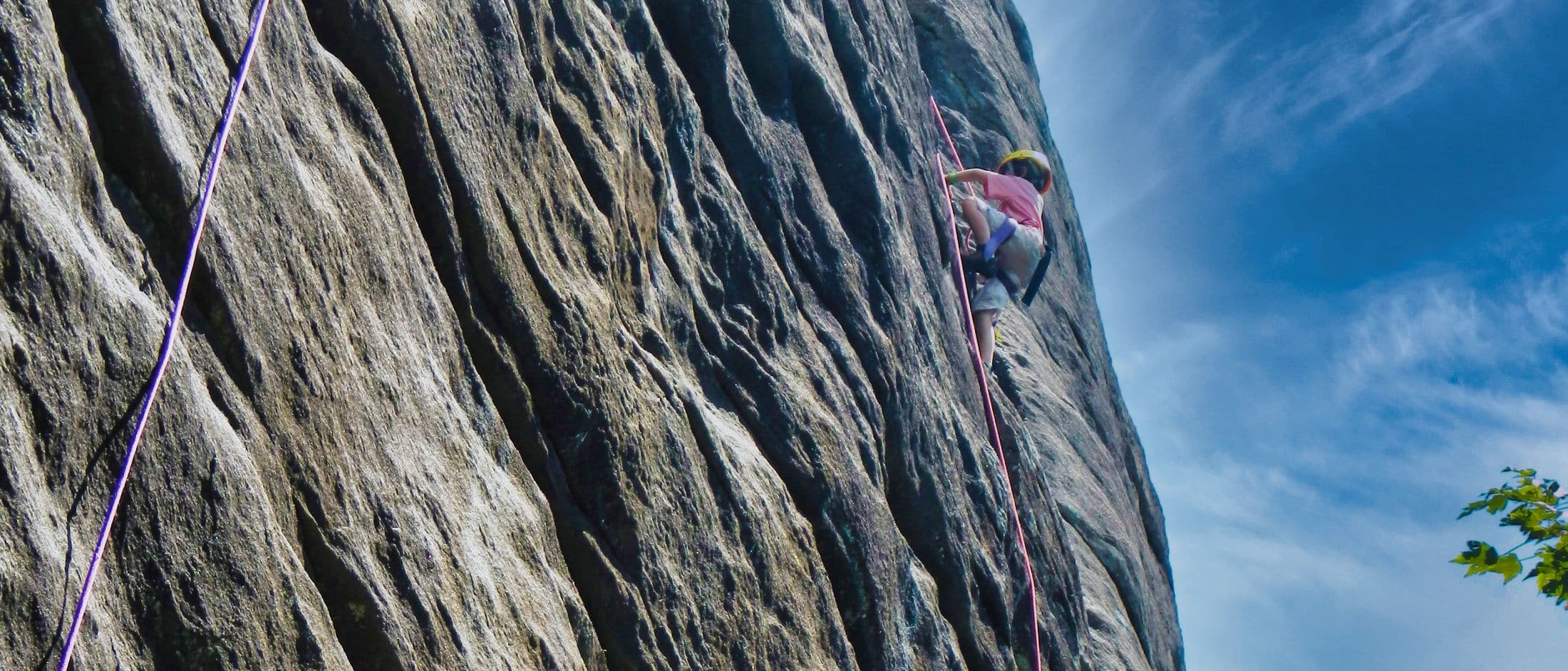
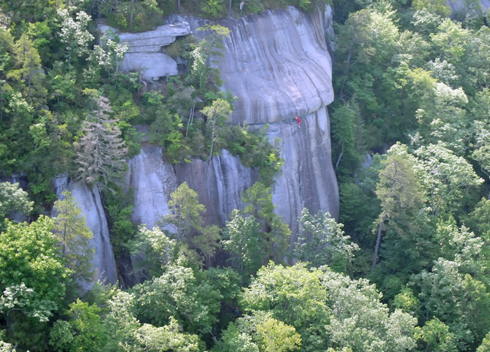
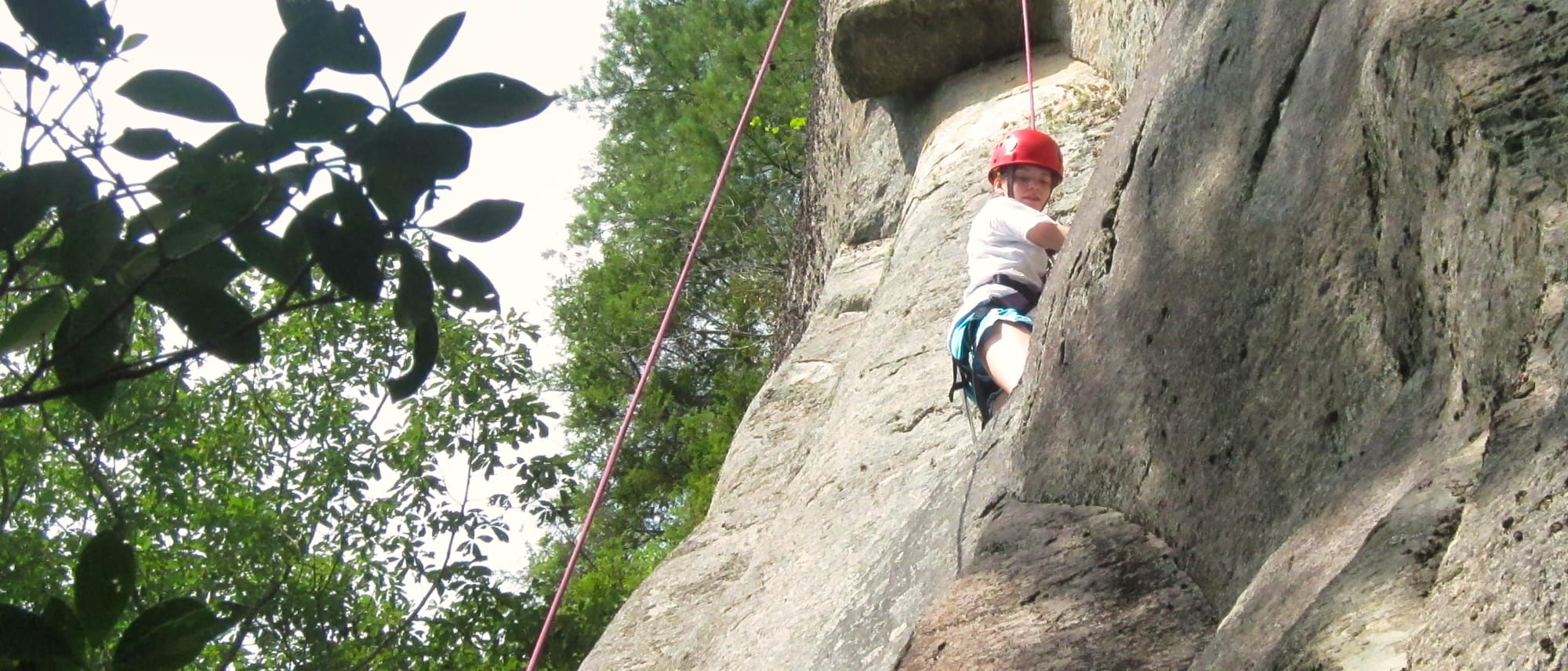
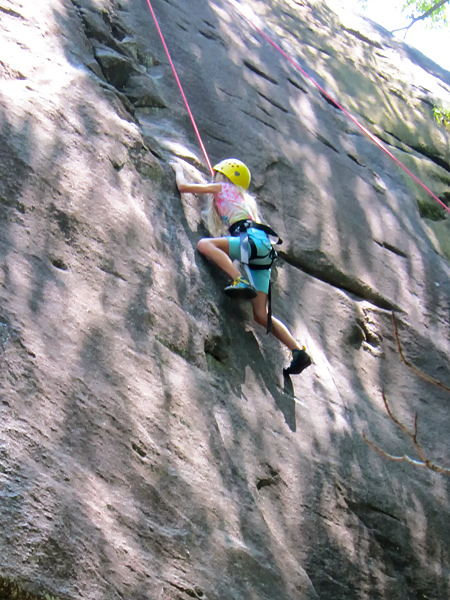
What’s that red dot in this photo? Amazingly, it’s a Rockbrook camper climbing Castle Rock! You may have heard that Rockbrook is lucky to have a great rock climbing area right on its property, and that this makes it incredibly easy to rock climb while at camp. It’s true, and here’s the proof! You may not, however, have a sense of just how BIG Castle Rock is. Well, it’s enormous… the exposed rock face being easily 250 feet tall.

Our friend Bob Twomey, who is a helicopter pilot and the owner of Wolf Tree Aviation, helped a photographer grab these shots last summer. Bob passed them along to us, and we just had to share.

Ready for some rock climbing? That red dot could be you!

Camper rock climbing on Castle Rock at Rockbrook

Kids Sculpting with Clay

Camp Clay Sculpture Project

In addition to all of the clay vessels we make at camp, the cups, bowls, trays, dishes, pitchers and so forth, another fun part of the Rockbrook ceramics program is making sculpture. This means using the same hand building techniques, and even wheel-thrown pottery techniques, and combining pieces to build three-dimensional objects.

One important technique to learn for clay sculpting is using something called “slip.” Slip is a form of liquid clay, or a runny mixture of clay and water. It can be used a number of ways, but when building a clay sculpture, slip is applied to join two pieces of wet clay together. For example, you might want to connect a coil to a slab, or a dome shape to something turned on the potter’s wheel. The slip acts as a sort of glue helping the pieces stick together.

What Can You Sculpt?

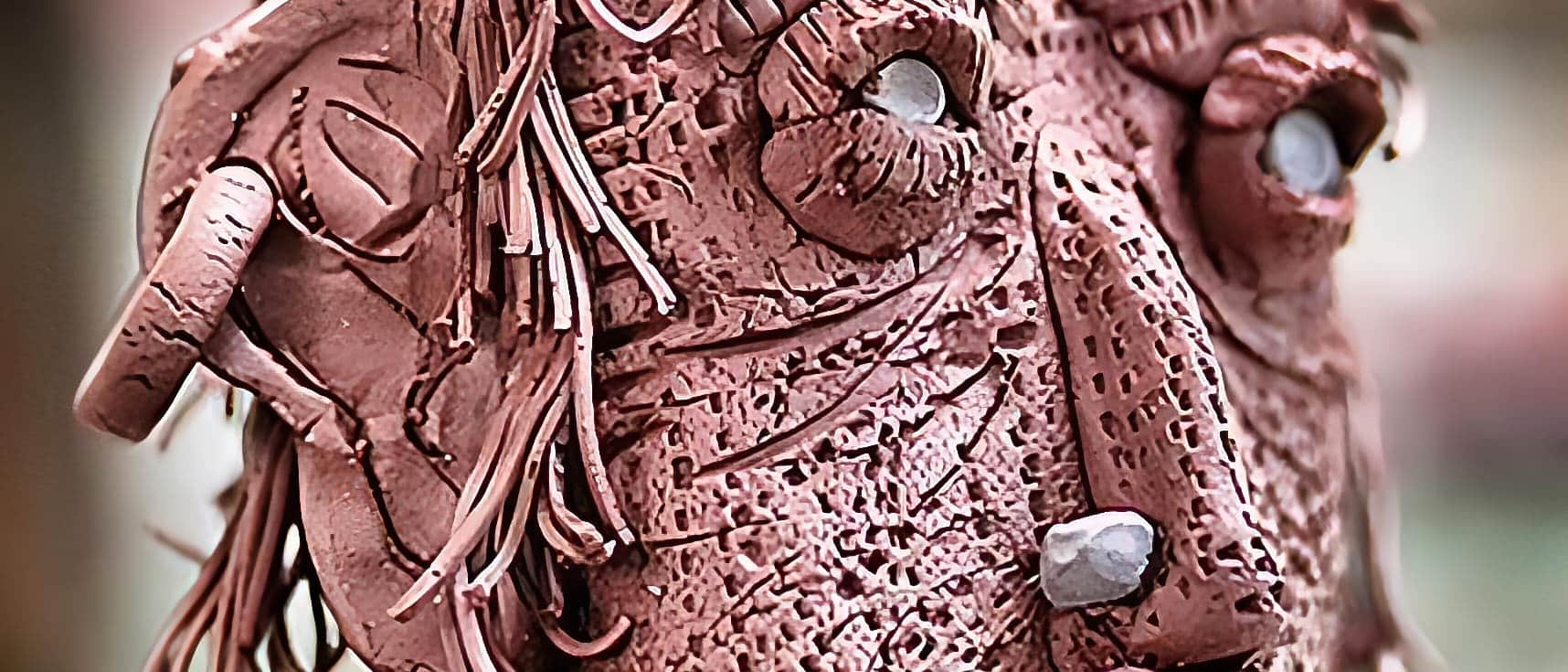
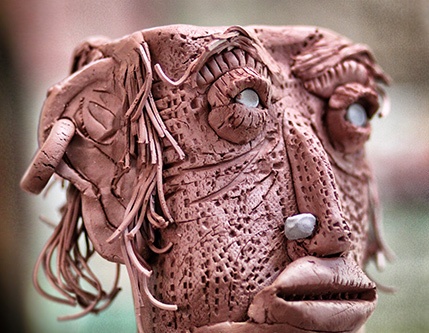
So what kinds of things can you sculpt out of clay? Anything your imagination might dream up! Recently at camp we’ve seen some great representational figures— fish, horses (of course!), turtles, snakes, and other animals. The campers have also made amazing human forms like faces and hands. Natural objects like leaves, ferns and branches make great textures to be incorporated as well.

Seeing what the Rockbrook girls are sculpting in our pottery classes, it’s easy to be amazed, and to understand why this arts and crafts activity is so popular at camp.


New Horseback Riding Video!

You can learn a lot about the Rockbrook horseback riding program by reading through the many resources on our Web site. We’ve written about being an advanced rider and a complete beginner. We’ve talked about our horses, our staff, even some of the games we play in addition to our mounted lessons.

Now we have a new video to show you! It’s a great way to see our horses and riding program in action. Cara, our Equestrian Director, explains the philosophy and main goals of the Rockbrook program. Go ahead an check it out… And share it with your friends!

Let’s Go Rock Climbing!

Kid Adventure Rock Climbing

When kids come to Rockbrook for camp, they know there’s going to be outdoor adventure happening, things like backpacking, kayaking and whitewater rafting, but they are sometimes surprised about all the rock climbing available. That’s mostly because there is simply so much rock to climb right here on the camp property, not to mention some of the famous rock climbing areas nearby in the Pisgah National Forest. But it’s also because learning to climb is so popular! No matter how old you are —yes, even the youngest kids— you can climb a real rock just about every day at Rockbrook.

How Climbing Trips Work

Here’s how it works. Usually at breakfast or at dinner the night before, the rock climbing staff will announce a trip they have planned. Like for all of our adventure trips, the campers can then decide if they want to go. They make their own decision weather to go.  It means giving up their regularly scheduled activities, and that can be a hard choice if you really love horseback riding or archery for example, but it also means enjoying the thrill of getting up on the rock. It helps to have experienced the fun of rock climbing to realize these trips are worth signing up for, but even after just one outing, campers learn how much of a treat they are. Some of these trips are short hikes up to a couple of the routes on Castle Rock, while others will be all-day adventures to one of the climbing areas on Looking Glass Rock.

The Rockbrook Camp rock climbing program is a big part of the adventure activities around here. Hey, let’s go climbing!

Her Very First Ride

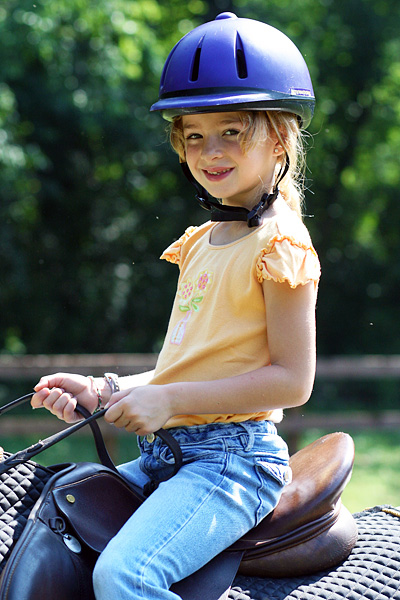
Little Summer Camp girl horseback riding

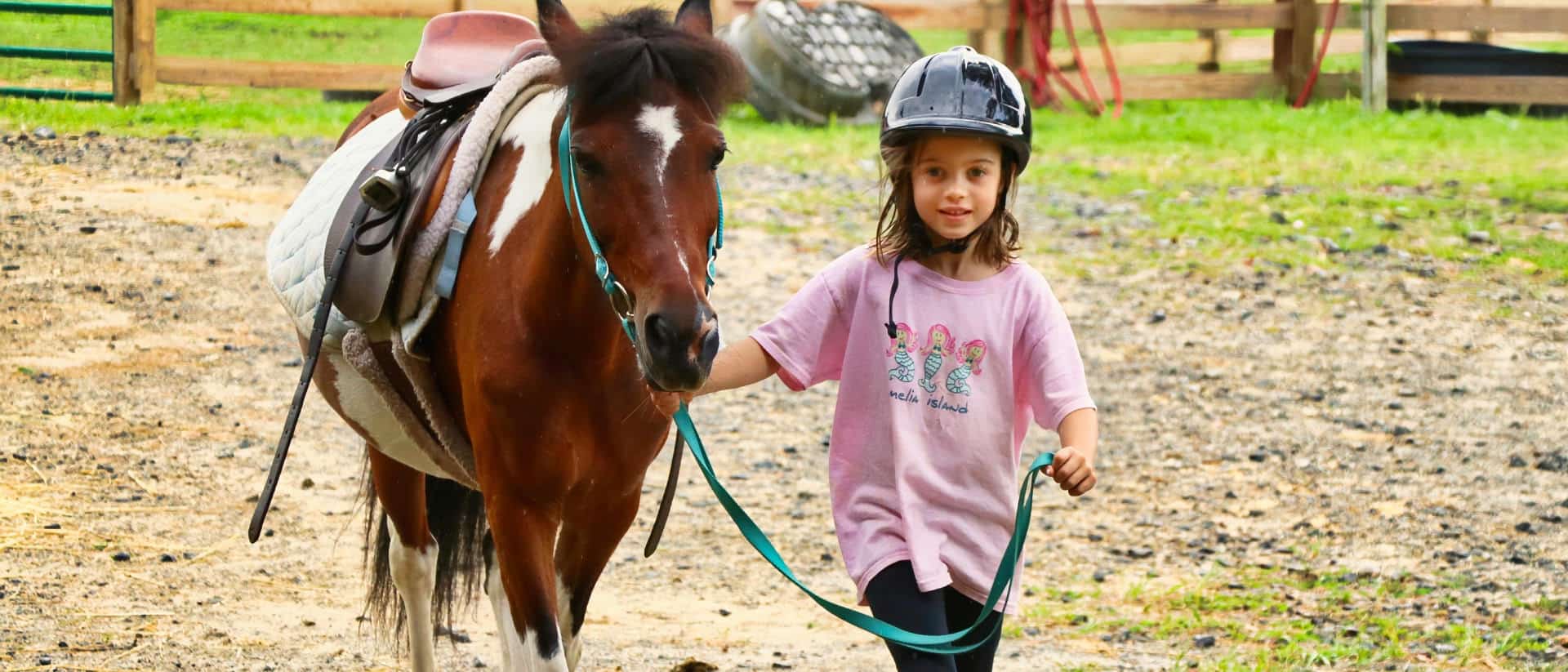
For little girls, taking their first equestrian lesson can be a mix of excitement and nervous jitters. It’s exciting because horseback riding seems so fun when you read about it or see it in movies, but for your first riding lesson, it can easily be a little overwhelming. There is so much to learn— special clothes, important safety rules, riding gear for the horse, how to mount, different riding positions, and communicating with your horse. The horses and ponies can seem so huge! And there is a lot to remember all at once.

Why a Gentle Start Matters

That’s why it’s so important that a girl’s first experience learning to horseback ride be a safe, caring, gentle introduction. It’s crucial that her instructor be experienced working with small children, that he or she be kind and patient, and that the pony be calm and gentle in the ring. Taking small steps, gradually gaining confidence and greater understanding, is the best way to maintain a girl’s enthusiasm for riding. The best children’s horseback riding centers know how to pace this kind of progression.

The Right Recipe for Lifelong Love

The equestrian program at Rockbrook Camp has a long history of introducing young girls to horseback riding. Camp has just the right combination of skilled instructors and gentle ponies, enthusiasm for riding, and great equestrian facilities to encourage girls on their very first ride. At camp, we’re well prepared to make every girl’s first horseback riding experience a positive one. It’s the perfect recipe for a life-long love of horses and horseback riding!

Dude, Do you Extrude?

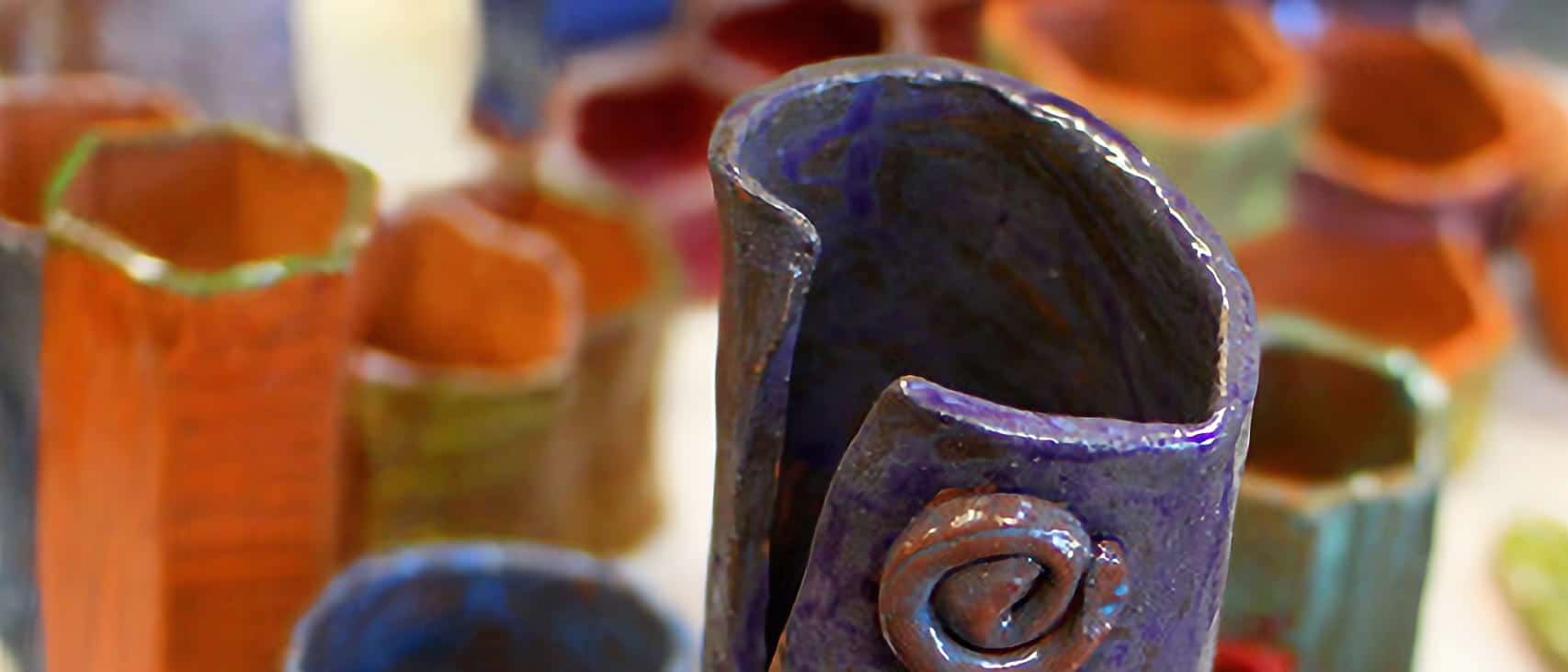
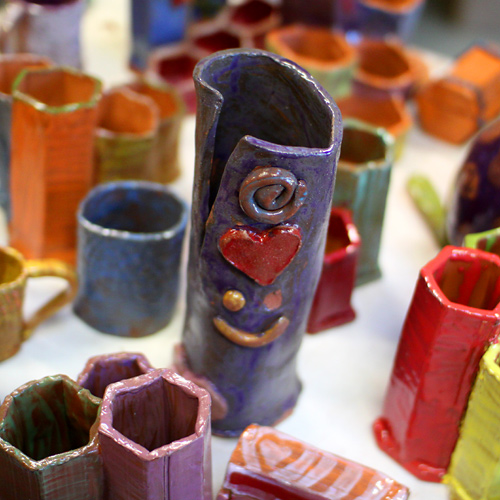
extruded pottery and glazed ceramics

One of the ceramics hand-building techniques we teach in Rockbrook pottery classes is extruding. This involves creating clay forms, or consistent shapes, by pressing clay through an extruder, a simple hand-powered machine. An extruder is really a piston of sorts operated by a lever. On one end of the piston’s cylinder is a wooden or metal plate called a die. Different dies have different shapes cut out of them. The whole thing works by filling the cylinder with clay, and pulling the lever of the extruder, thereby forcing the piston to push the clay through the die, and out in the shape of the cutout. It takes muscles to pull that lever, but it’s so cool to see the extruded clay come out!

Some dies extrude circular tubes, but there are also square, hexagonal and octagonal tubes as well. You can extrude slabs, coils and even half-spherical shapes. Extruders are great at making long, even forms of clay.

Of course, these shapes then can become the building blocks for more complex hand-building projects. Extruded clay can be combined to make really complex sculptures, for example when extruded tubes are cut at different angles and joined to make multi-sided vessels.

And don’t forget glazing and firing these pieces. Like all the pottery and ceramics projects at camp, the artistic results are beautiful! Yep, at Rockbrook, we do extrude.

Parent, Alexandria, VA

“You folks do this beautifully. We’ve tried two other camps, and THIS was what we’d been looking for the whole time. The people + the tradition + the philosophy = spectacular experience.”

Read more testimonials.

Riding English

English Equestrian Horse and Saddle

At Rockbrook, our camp Equestrian Program teaches “English Riding” as opposed to “Western Riding.” But what is the difference between these two forms of horseback riding?

The Saddle Difference

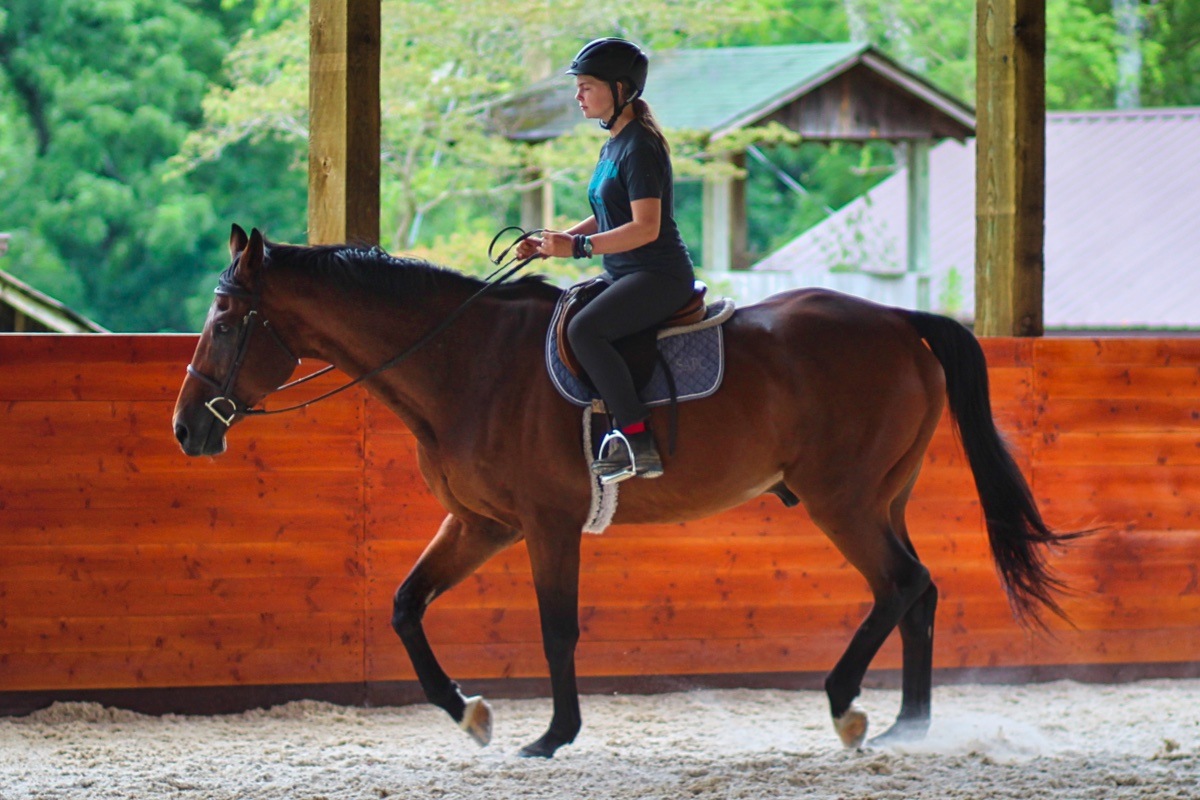
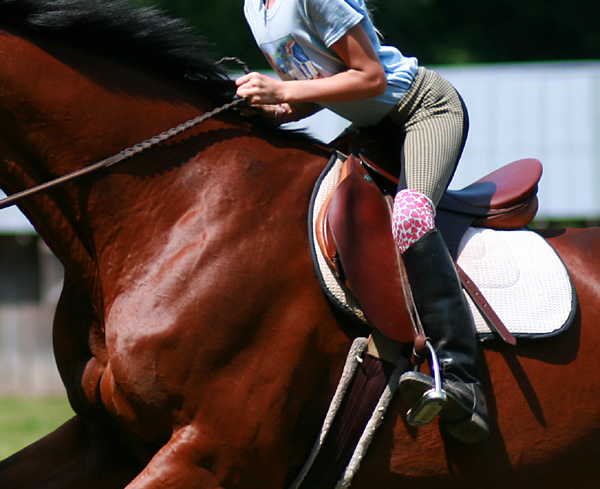
One difference you’ll notice right away, even before mounting your horse, is in the saddles. Western saddles are wider and deeper, with a very prominent horn toward the front. These are stable, comfortable seats designed for the cowboy (or girl!) who needs to spend a long time in the saddle. English saddles are smaller and lighter to allow the horse the greater freedom of movement required for the different hunter jumper gaits. And again, they don’t have a horn.

Other parts of the tack are different too. The reins are closed (left and right sides connected), the stirrups are shorter, and the bit is softer in the horse’s mouth in English Riding.

How You Ride English

With these differences, naturally how you ride English is different from Western riding. As opposed to Western riding’s use of the reins, English horseback riding relies much more on balance and the rider’s legs to control the horse. The rider is often up and out of the seat (two point, posting and jumping for example), as opposed to the seated position in Western riding.

Add to that learning to walk, trot, canter, dressage and jumping techniques, and you can see that learning English horseback riding is a wonderful sport.

Parent, Black Mountain, NC

RBC has got to be the most fun and rewarding summer experience a girl could have! Thanks to all the staff for their energy and talents, and willingness to work so hard to make Rockbrook such a wonderful place. We could write a book describing the positive aspects of RBC!

Read more testimonials.