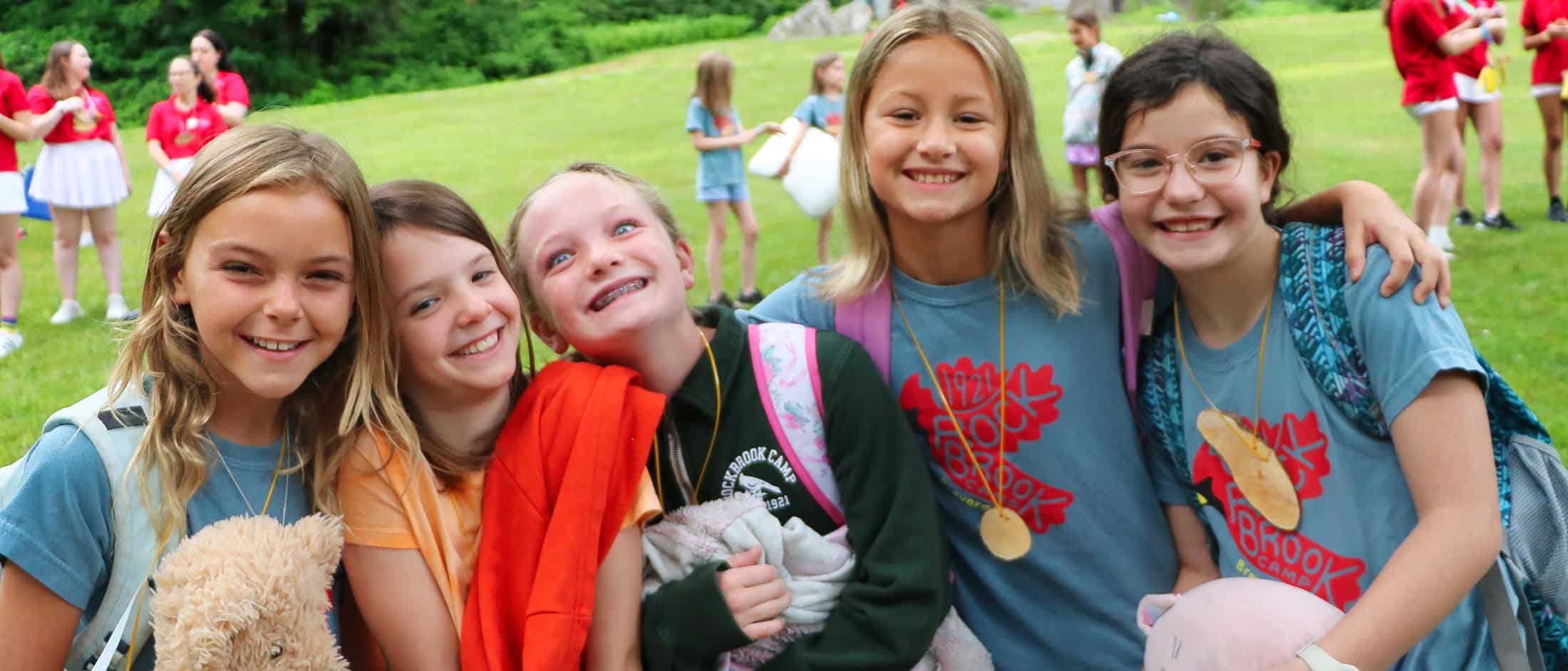
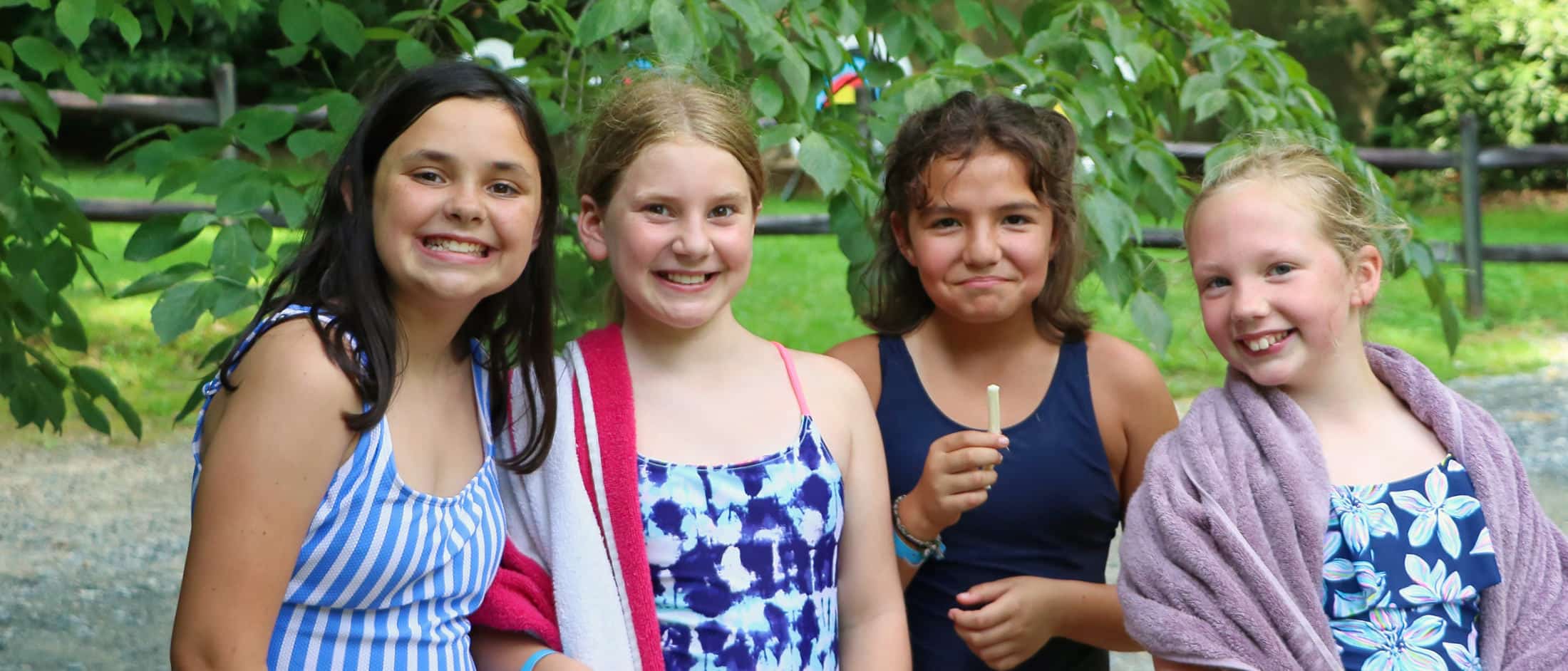
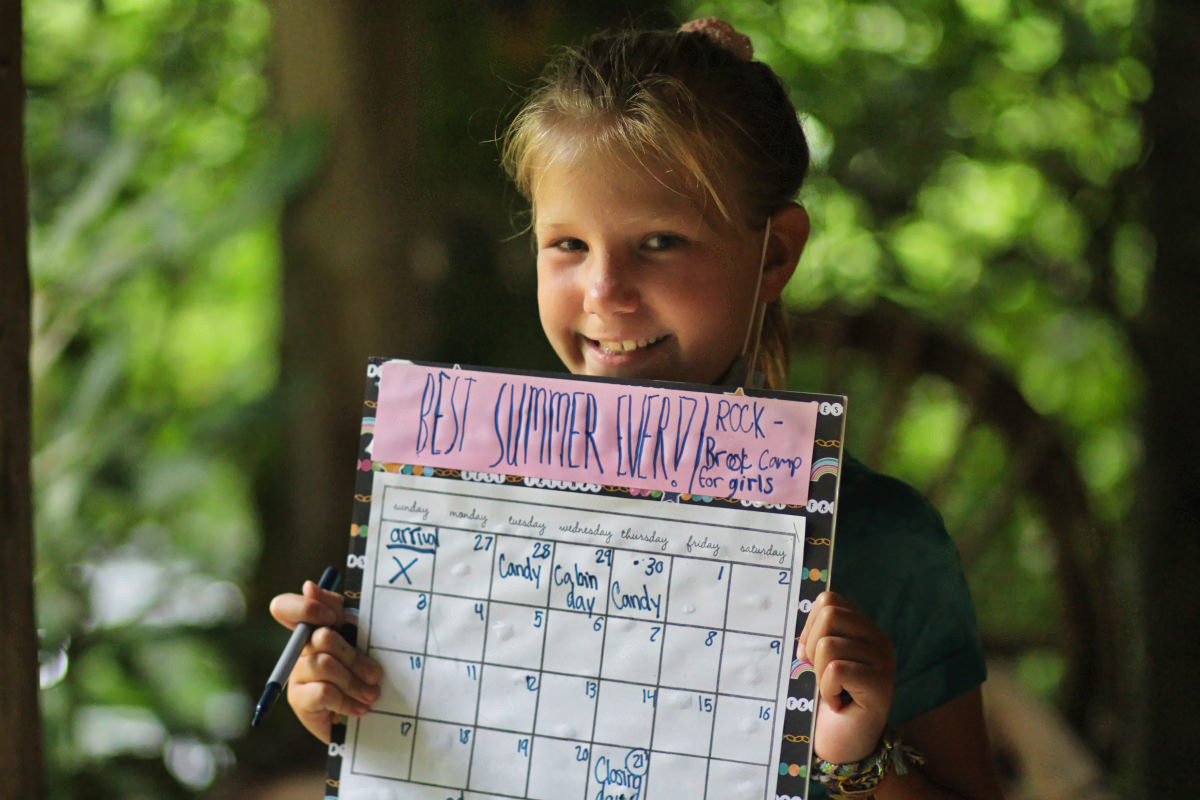
The anticipation of camp time approaching can create as much joy and excitement as actually arriving!
Preparing for camp is a time-established ritual that girls at Rockbrook have known for more than a century. Exploring the archives of old Carrier Pigeon newsletters uncovers fascinating references to girls preparing their steamer trunks, counting out their stockings, and visiting department stores for final items. Campers today go through much of the same preparations (though no one arrives by Pullman car anymore!).
The rituals of reviewing the packing list, counting out clothing items, and labeling belongings can bring up all kinds of feelings for campers and their parents. Sometimes it’s a little nervousness around leaving home for the first time and making new friends. For returning campers, it can be great anticipation to see old friends and return to familiar places.
Deciding what to bring to camp is another big ritual, approached with great care and attention by some campers. They know that space is limited in their bunk, but there’re so many things they want to bring! Books, a favorite stuffed animal, stationary for writing home, and costumes for cabin skits are crammed in. Careful decisions must be weighed! There’s always an item or two that’s forgotten or left out, but as all campers know, simplifying life down to fewer items brings its own joy too.
No matter how many or few belongings each camper arrives with, quality time at camp has nothing to do with the “stuff” you bring. Showing up ready to make new friends, try new things, and have great days is the only thing you need to pack. And maybe a toothbrush.
—Miranda Barrett Camp Mom, former camper and counselor
It’s not hard to imagine that we’re having a great time at camp. If you’ve been tabbing through the daily photo gallery, and if you watched the recent video, it’s clear. The girls— and I’d add also the staff —are having fun in so many ways. You can tell by the smiles, the laughter, and the excited cheers that erupt throughout the day. You can get a sense of it by seeing the sheer variety of things everyone is doing. In a single day, a camper can ride a horse, shoot an arrow, climb a tower, weave, swim, hike, sing, and many other specific activities. But the campers will also tell you that it’s fun to just be at camp. They value the periods of self-directed free time too, just like the activity time. Mealtime is fun, free swim is fun, and even getting ready for bed and waking up in the morning is fun in way.
How can this be? What’s different about camp that makes even ordinary times fun? I have two thoughts.
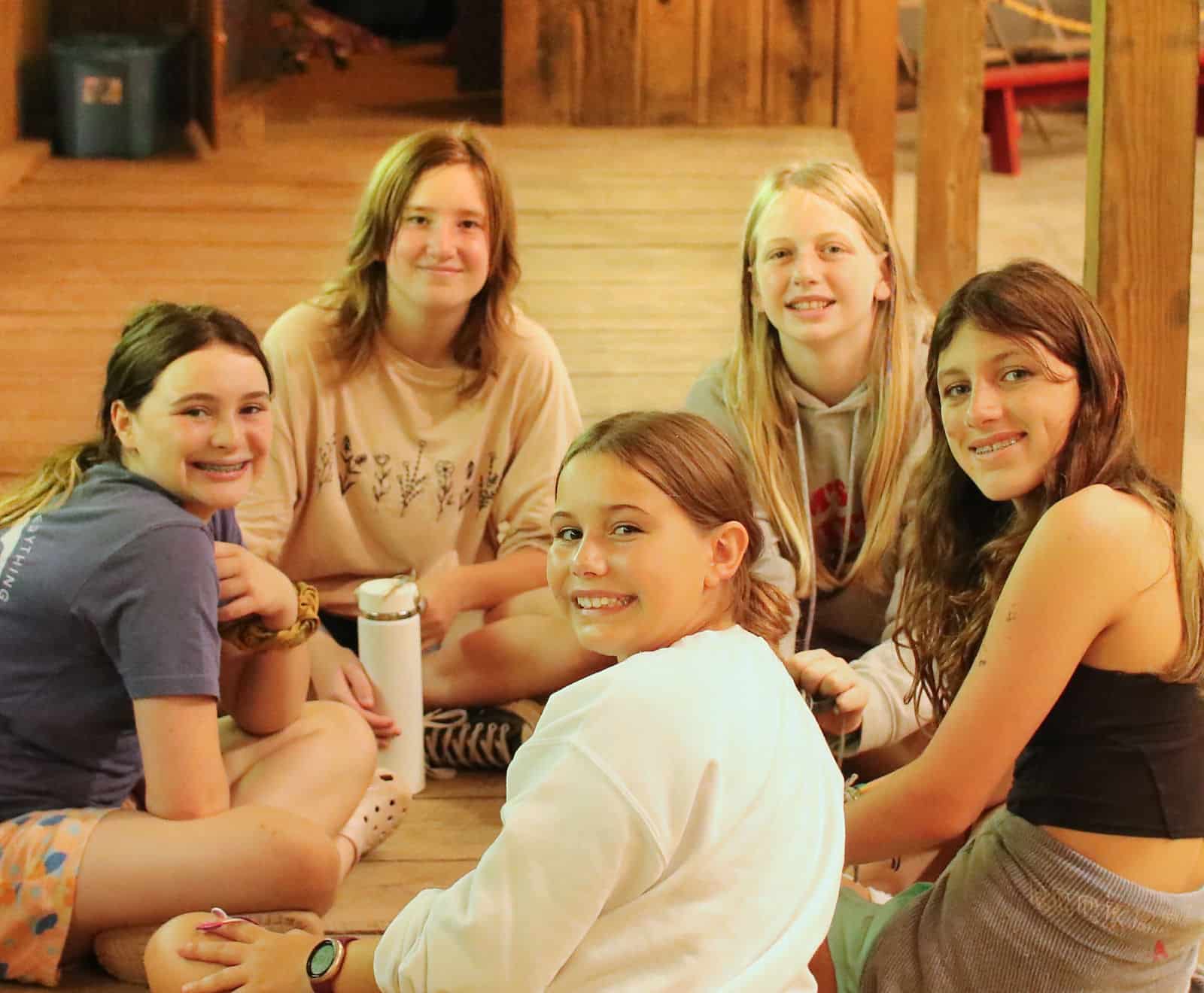
The first I mentioned earlier. A big reason life at camp is fun is because of the other people here, the other kids and the staff. You might say that without other friendly people at camp, what we do here wouldn’t measure up at all. We wouldn’t have people wanting to return year after year to shoot another arrow, or put on another costume, or sleep in a rustic cabin. Older campers will put it that way. They’ll tell you they come back to be with their friends. They come back for the people. And I think that’s because no matter what they’re doing, it’ll be great, if they have their camp friends to do it with.
To put that a little differently, it’s the relationships we have with each other that make a difference. The camp culture sets the tone for these by valuing kindness, caring, and respect. The Rockbrook community spirit is built on a philosophy of belonging, encouragement and cooperation —all pointing toward developing deeper more meaningful relationships. At camp, we’re not competing and we’re not judging or undermining anyone. Instead, we’re applauding each other for trying things. We’re supporting everyone around us. There’s a positivity to camp that helps everyone feel safe and valued. This encourages openness and a feeling of freedom to enjoy whatever we’re doing. It all comes from the genuine relationships we have with the kind people around us.
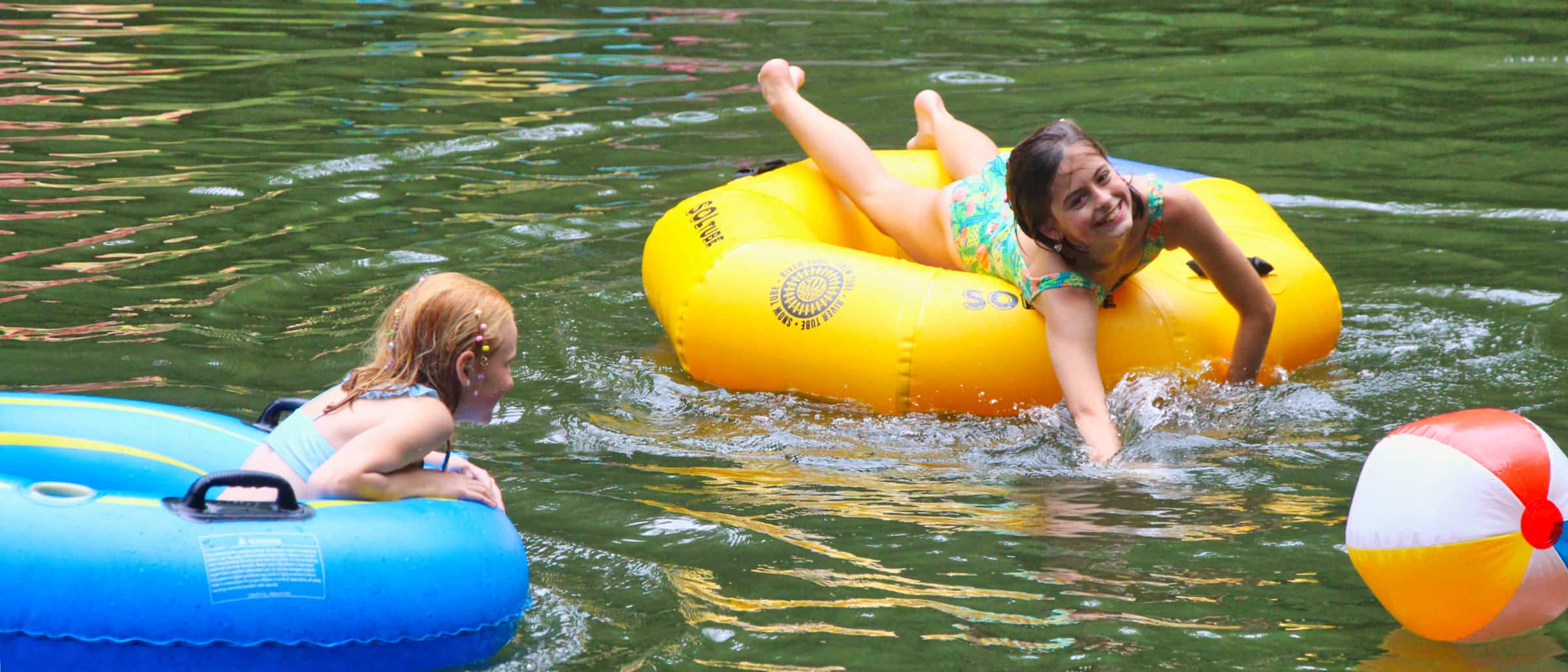
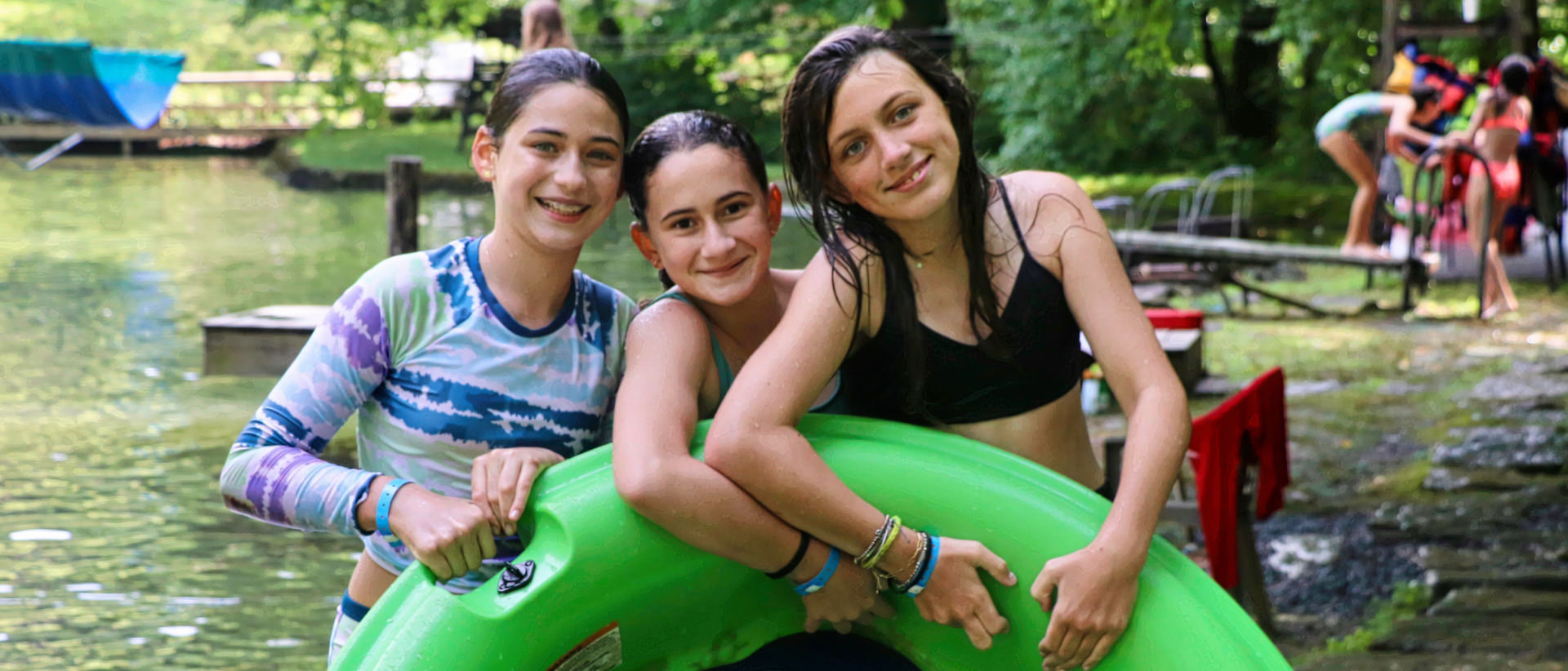
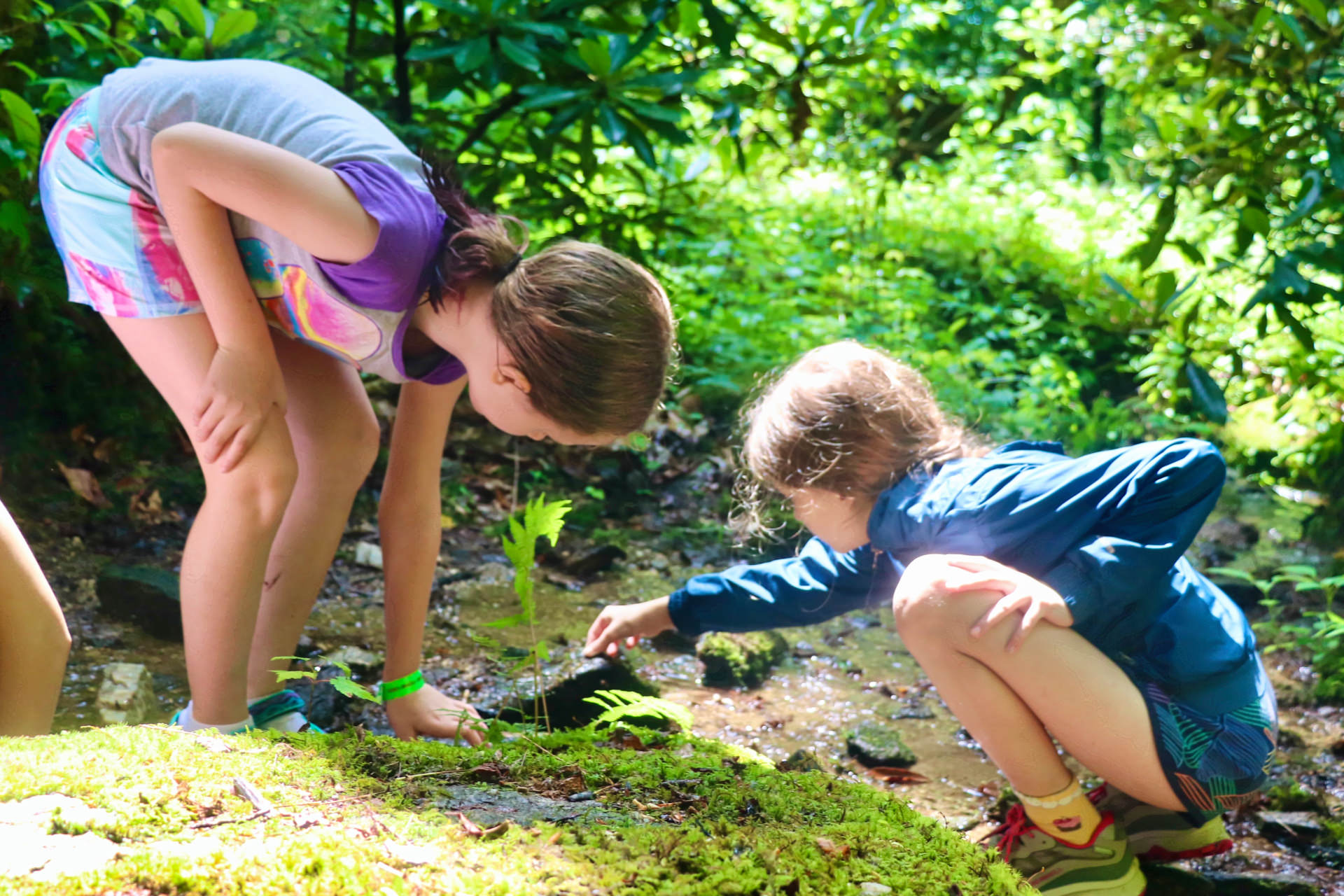
There’s another factor too, another characteristic of camp life that serves up so much fun. It’s Rockbrook’s emphasis on play. On the one hand, our daily schedule provides lots of free, unstructured time for the girls to play. Whether on the hill, or by the creek, or floating in the lake, the campers are playing— being social, being active and creative. They have the freedom for real-world play, for making things up, and open self-expression. Here too, having great friends to join makes it even more likely that kids will spontaneously play together if given the freedom (time, space and encouragement) to do so. It’s wonderful to see these Rockbrook girls relish the opportunities to play at camp.
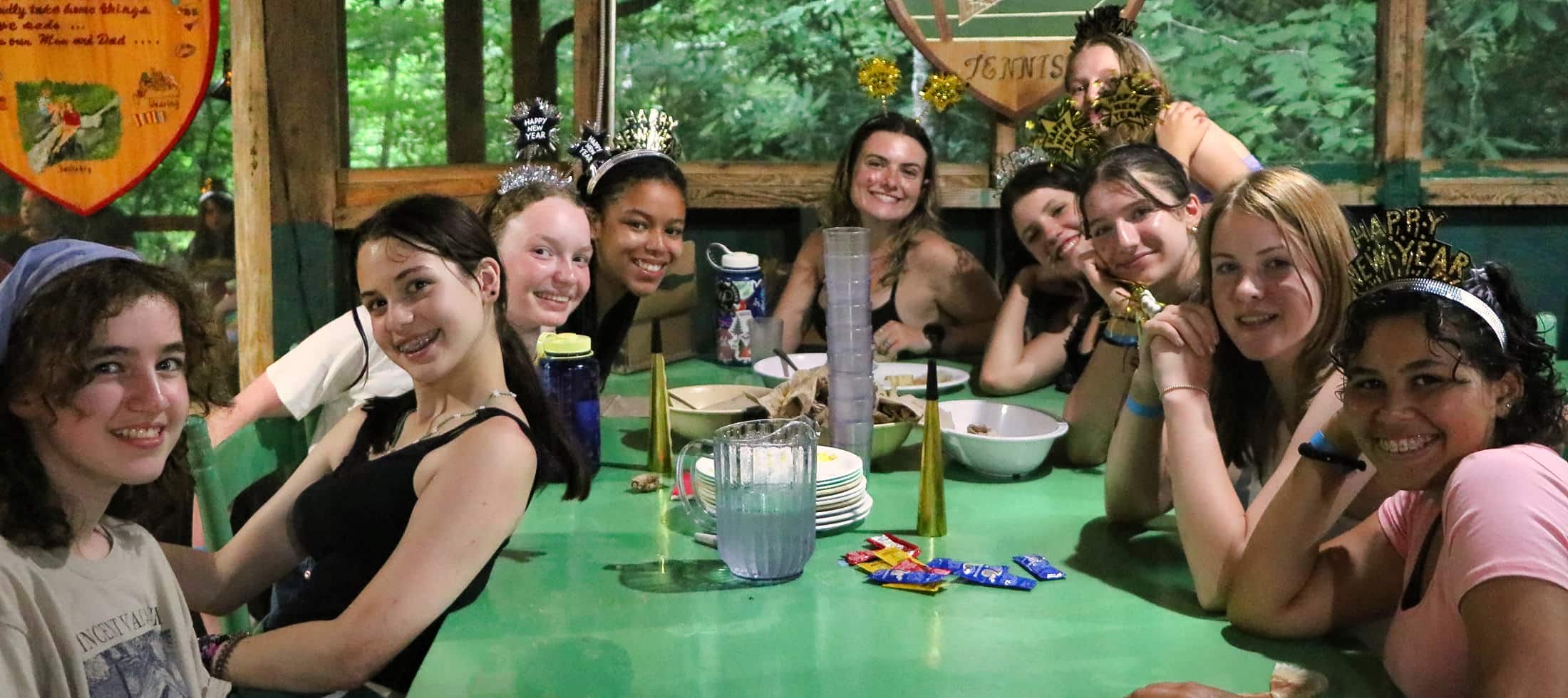
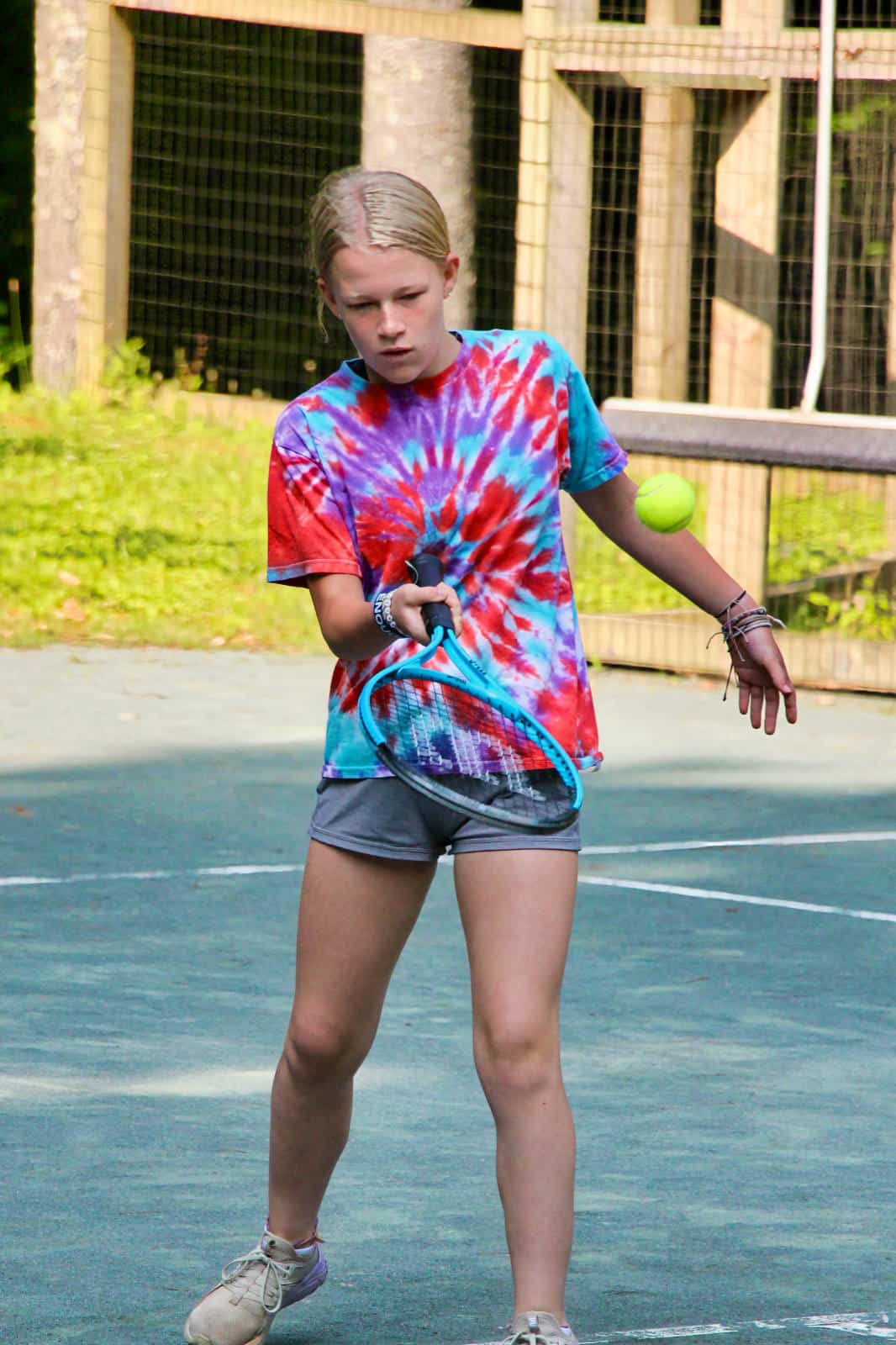
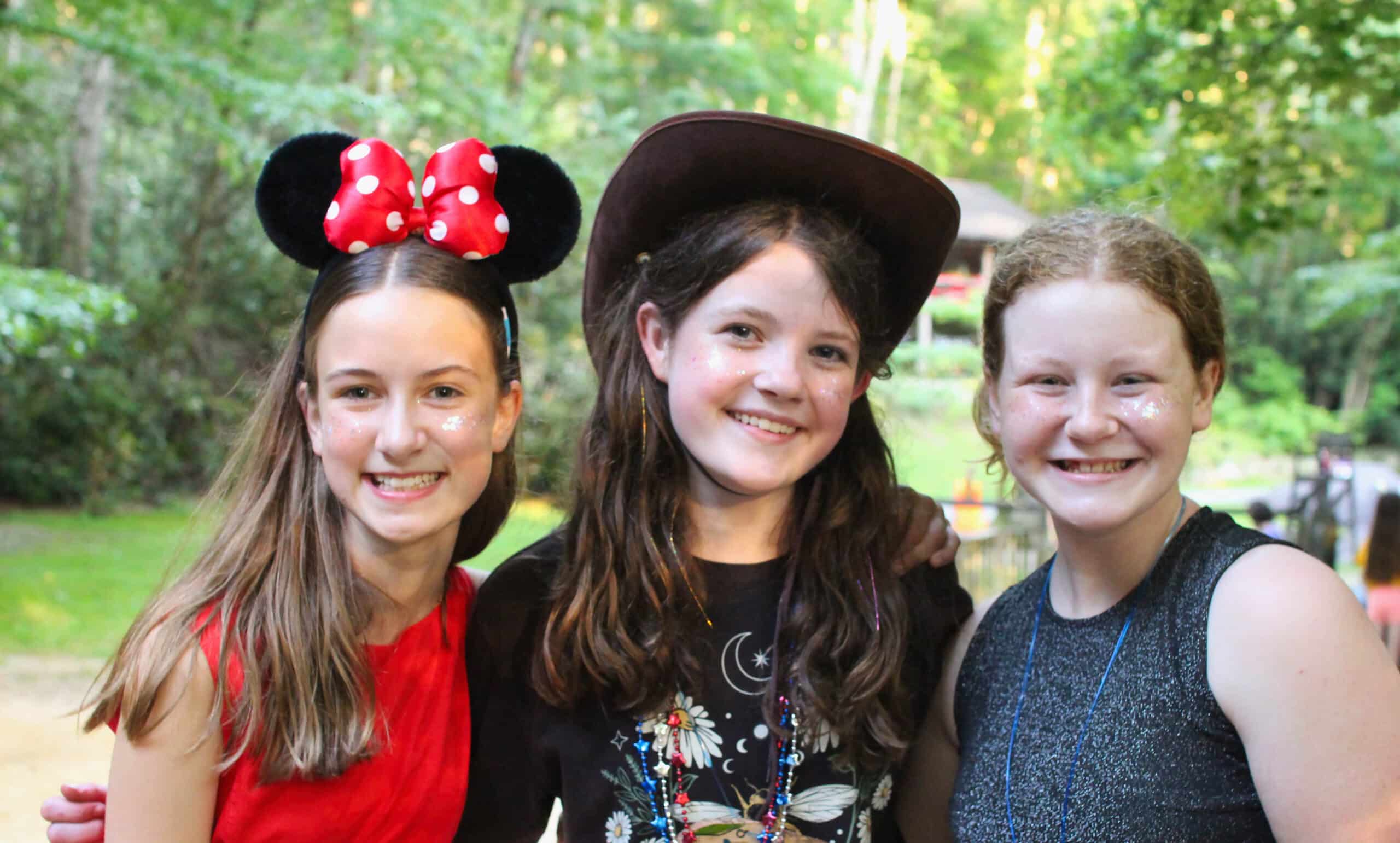
Rockbrook also promotes play at camp by injecting a little silliness into most things. We know that wearing a goofy hat to dinner makes it more fun. We know that the zanier the dance move, the more fun it will be. When we’re making things, the more imaginative it is the better. We foster exploration and experimentation, excited no matter what the outcome. We’re silly with the rules of the game— tennis with your non-dominant hand, climbing the tower blindfolded, gagaball with more than one ball —all for just the playful fun spirit of it. And when you’re not keeping score or competing (who cares who wins?), the play itself is intrinsically rewarding. This celebration of the silly helps us approach things playfully at Rockbrook.
I should add that the play we enjoy at camp, and the fun we experience while playing, is not just frivolous. There’s mounting evidence that the sort of play that camp provides is a fundamental aspect of childhood that contributes to social, emotional and even cognitive development. Removing the regular opportunity to play is largely detrimental for kids. There’s more to say about that later. For now, let’s appreciate the fun our kids have playing at camp. It’s a really great, and valuable thing.
My friend recently visited Rockbrook with her daughter, a prospective Rockbrook camper. They had a wonderful visit, and I wasn’t surprised when she described Rockbrook as “magical.” If you read the camp blog on a regular basis, you know that the magic of Rockbrook is a recurring theme. Over the past few years, there have been numerous posts on this topic: “A Magical Day at Summer Camp,” “The Magic of Moments,” and “Reliving the Magic,” just to name a few.
It seems it would be easy to understand the magic of Rockbrook if you’re on the inside. Campers, counselors, staff members, directors, and even the owners get to witness this magic on a daily basis. For those of us on the outside, however, it’s not as easy to wrap our heads around this idea of magic – especially if, like me, you’ve never had the opportunity to experience Rockbrook (or any other summer camp).
As I write this, my daughter is at Rockbrook for her third summer. I think maybe I am starting to understand a little more of what the Rockbrook magic is all about. Over the last couple of years, I have seen hundreds of photos of girls smiling and laughing as they participate in camp activities. As I see photo after photo of girls living out the Rockbrook principle of “be kind, be silly, be brave,” it’s impossible to miss all of the magical moments taking place at camp.
I pick up on a little bit more of that magic with every letter my daughter sends from camp. In a recent letter, she told us about the “polar plunge,” where at 8:05 AM one day, she would jump into a “freezing cold lake.” It may not sound very fun but when that lake happens to be at Rockbrook and you get to share the experience with your Rockbrook friends, it becomes something magical. The chance to earn a special bead (a fun Rockbrook tradition) only adds to the magic.
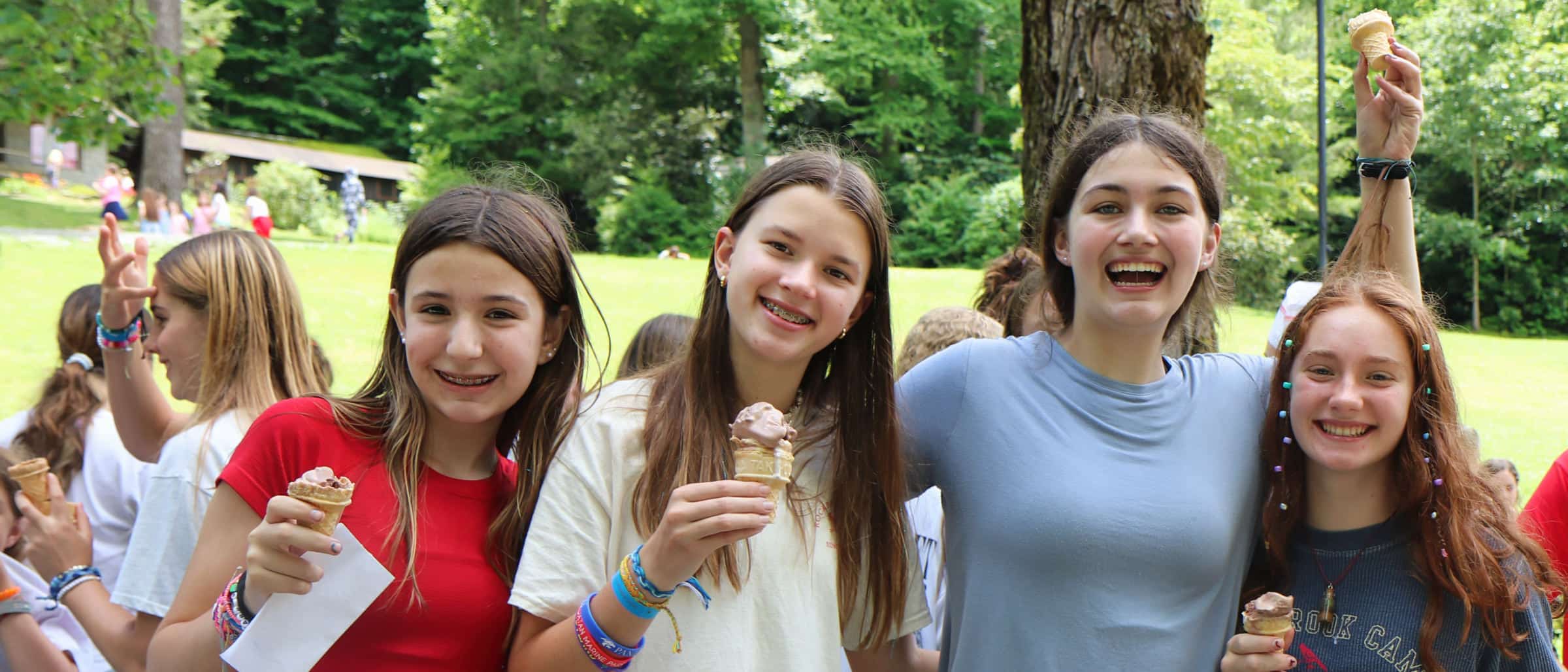
I’ve even been fortunate enough to witness some Rockbrook magic in person. If you ever visit Dolly’s (a Rockbrook favorite) on a summer evening, you may see a large group of campers enjoying ice cream after a trip to Sliding Rock. And if you’re lucky enough, you may be treated to a live performance featuring classic camp songs that have been passed down through generations of Rockbrook campers. As these girls sing at the top of their lungs without a care in the world, you can feel the magic in the air. And while some may disagree, I think it’s more magical than a Taylor Swift concert.
The magic of Rockbrook goes beyond the heart of a wooded mountain. When I pick my daughter up in a few days, I know she’ll be bringing some of that magic home with her. And maybe she, along with her fellow Rockbrook campers, will spread a little bit of Rockbrook magic into the world – because wouldn’t that be wonderful?
One of the phrases I sometimes use to describe the experience of camp is to say it’s “fun that matters.” The idea is that camp is certainly fun, filled with exciting activities, thrilling adventures, and plenty of silliness, but it’s also educational in the best sense of the word. In addition to all the colorful crafts, tennis and tetherball, horseback riding, ziplining, and playing in the lake, for example, the girls at camp are learning and growing in important ways. Camp is not just entertainment, or a brief diversion, like a trip to an amusement park or watching a movie. It means so much more to the children who experience it. To them, camp is profound; it matters, so much in fact, that they yearn to return each summer.
It’s an interesting question to ask, therefore, how camp matters. If it matters because it’s educational, how is it educational and what are these camp kids learning (while they’re having fun)?
There are so many great answers to this question. Over the years I’ve written about camp life fostering core aspects of who we are as human beings, helping children become more creative, more courageous, more compassionate. I’ve said camp helps kids develop critical “life skills,” becoming better decision makers, communicators, collaborative team members. Watch out because camp kids are going to be confident and capable. They’re going to be excellent friends, more joyful than not, and kind to most everyone they meet. Camp teaches all this and more.
We could say, I believe, that girls love camp because it provides all these opportunities for personal growth. In other words, girls love camp not just because it’s fun, but because they’re also learning! Obviously, they wouldn’t put it like that. If you asked, they’d talk about laughing their heads off with their friends rather than the social and emotional skills they’re exercising in that moment. But I think there’s something to this idea. Yes, camp is fun, but Rockbrook girls love camp because the fun here makes a difference in their personal development.
My other theory about why kids love camp, namely that it satisfies critical childhood needs, aligns with this idea. Maybe nowadays children are having difficulty learning these lessons because modern education can’t adequately teach them about the joys of being silly, the role of compromise in a thriving community, or inspire confidence in them to tackle new challenges, to name a few examples common at camp. I wonder if focusing heavily on (academic, athletic, artistic, etc.) achievement limits what most educational systems are really teaching, and if so, our children need more than just school. They have unmet needs, and unfortunately, can feel uneasy as a result. When something can relieve this uneasiness and fulfill these unmet childhood development needs, it’ bound to feel really good. And since camp life does exactly that, since it’s “a place where they feel the most at ease,” kids love it.
This is how the fun of camp matters. It provides a special kind of learning that’s ordinarily hard to find, and that once fulfilled, makes campers feel the “happiest they’ve ever been.”
If this all makes sense, then it tells us how to help girls love their camp experience. Interestingly, you don’t do that by adding more activity options, toys at the lake, or other “amenities” at camp. Of course all of that is an important context for life at camp, for the fun of what we do and where we do it each day. But no, you inspire a love for camp by making whatever we’re doing more meaningful, more thoroughly tied to satisfying those core human development needs. Instead, do what you can to remove their uneasiness. Help girls feel they belong. Prove to them they are stronger than they think. Show them that kindness, caring and generosity form the roots of true friendship. Give them daily chances to collaborate, to create, to be silly and free from judgment. It helps to feed them a freshly baked muffin every morning and the occasional ice cream cone, but you see what I mean.
Everyday we’re having a lot of fun at Rockbrook, but it’s more than that because something more meaningful sticks with the girls. It’s fun that helps them grow and makes them feel really good too. They love this tight-knit community and their place among the friends around them. Camp is a fun experience that really does matter. And it’s my regular joy to be a part of it.
Over the years, as we’ve welcomed new families to Rockbrook, we’ve often found ourselves cautioning first-time parents to avoid particular pitfalls when they are preparing for camp, and later when their child is here. Just like their campers, parents too can experience a mix of nervousness and excitement when contemplating the adventure of camp. These feelings, despite their best intentions, can sometimes lead parents to say or do something that ultimately undermines their child’s success at camp. Knowing about these common pitfalls, and avoiding them, can really make a difference for first-timers— parents and campers alike.
Sarah Carter, Director of Rockbrook, recently published an article addressing these common pitfalls.
She presents ten essential tips parents need to know before sending their kids off to summer camp. The article cautions parents but also gives thoughtful advice about how to reassure campers more constructively.
Attending a sleepaway camp like Rockbrook for the first time is exciting! It’s a big step that empowers children, fosters their independence, and grows their confidence. With these tips in mind, parents will make a real difference in the success of their camper’s summer camp journey.
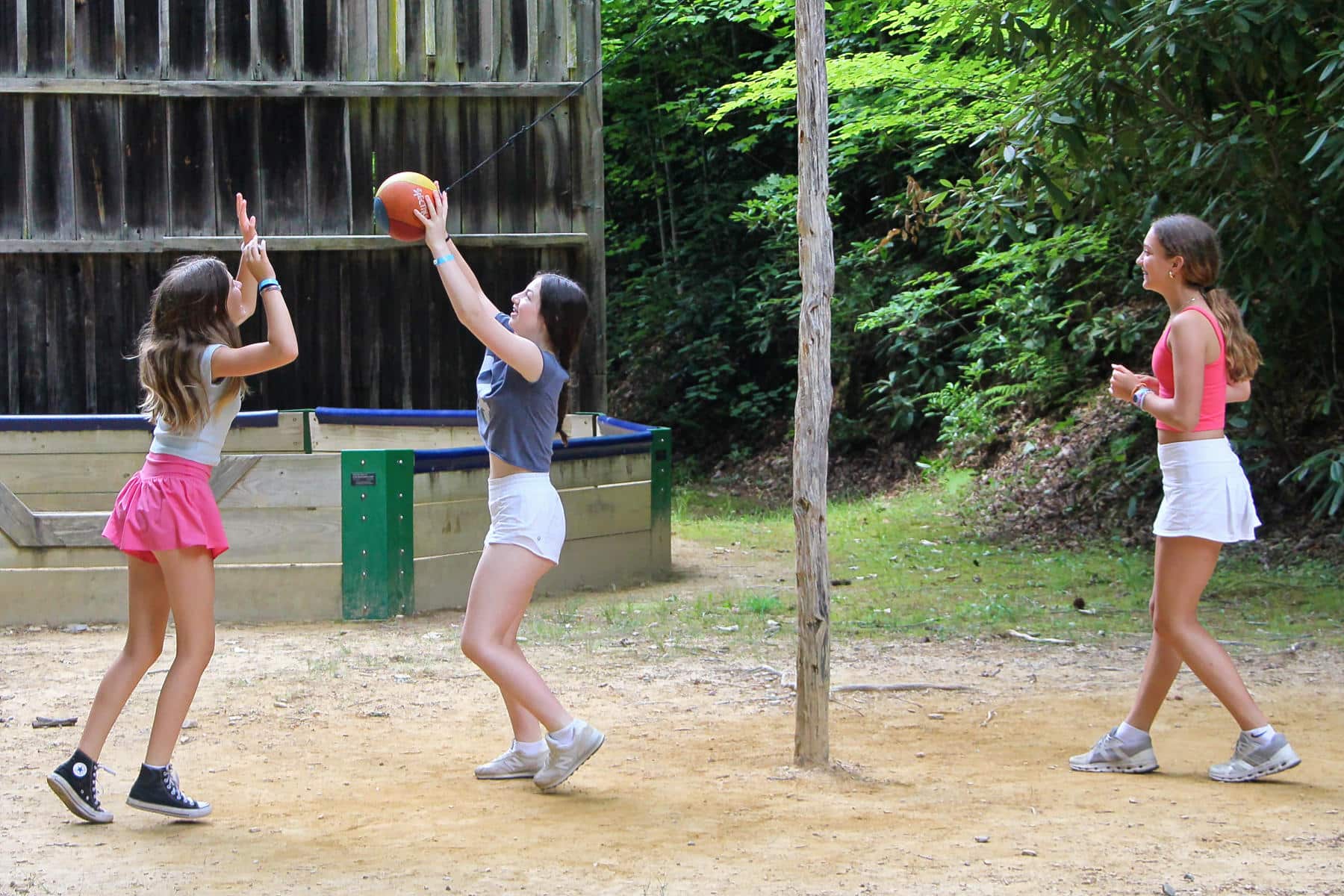
One of my favorite things to do at camp is to wander around and find groups of girls happily busy with something, and then stop to hang out with them a while. It’s enjoyable because they are always keen to explain what they’re doing, to answer my questions, and generally to chat about whatever is on their minds. This can happen anytime of the day at one of the tetherball courts, for example. There’ll always be a group huddled around taking turns challenging the winner of the last game. The same is true at the Gagaball arena, at the lake when it’s open for free swim periods before lunch and dinner, at the creek passing by the Curosty cabin, on the grassy camp hill, or one of the many porches around camp.
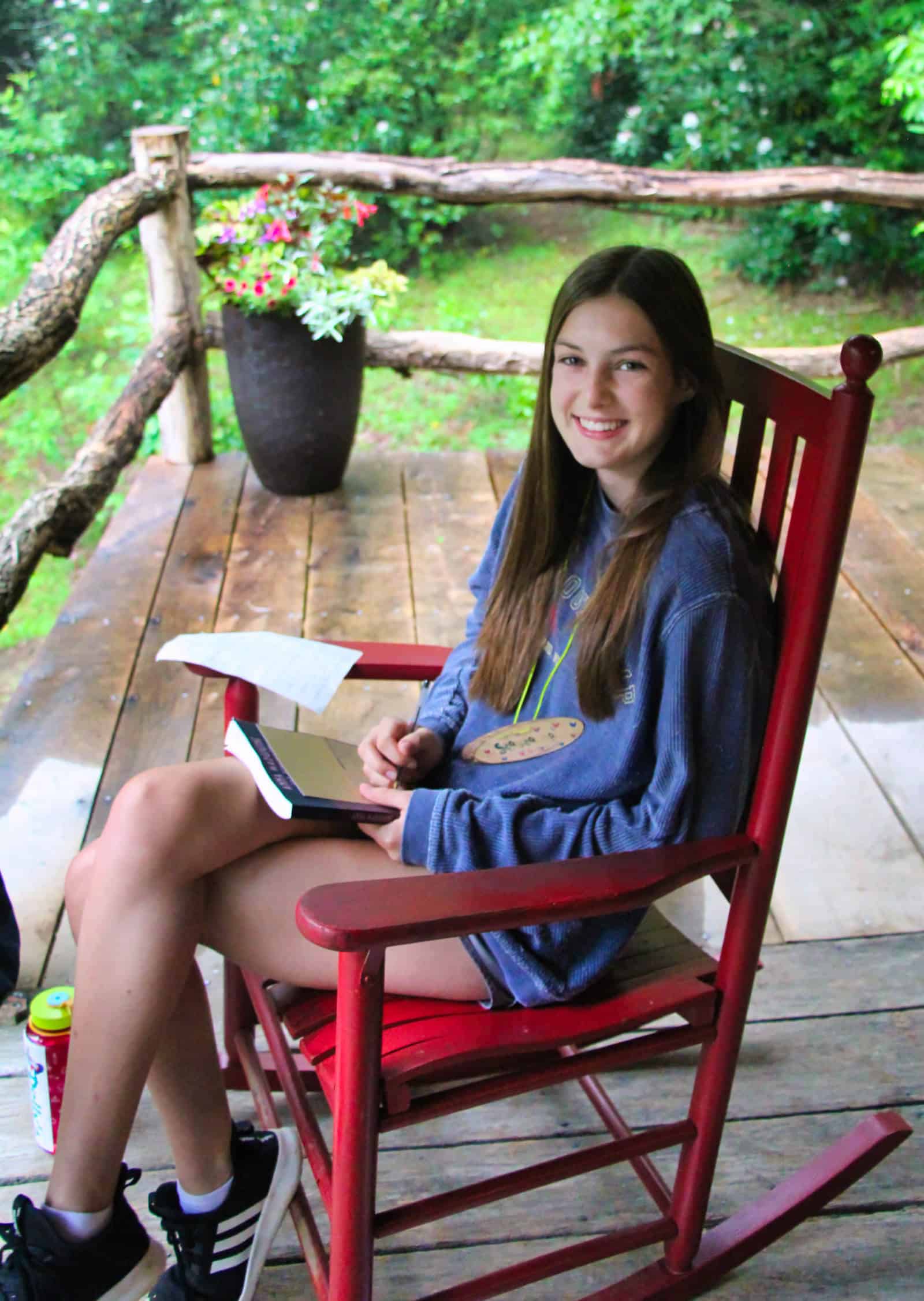
This happened the other afternoon when I sat down for a few minutes on the dining hall porch where three 10th graders (who at RBC we call “Hi-Ups”) were hanging out in the red rocking chairs. We chatted a bit about camp, but things got more interesting when I asked them how they were handling being away from their smartphones.
Since these were seasoned camp girls who have been coming to Rockbrook for 4, 7 and 10 years, I had a hunch how they would answer. Unanimously, they said they loved being at camp without their phones. They were completely sure camp would be ruined if they had access to their phone. “But, why is that?” I asked.
They explained that they generally have a “love-hate” relationship with their phones. At home, they need a phone to communicate with their friends, but sometimes found its demands on their attention to be “exhausting.” Too often at school, they find themselves in a group where everyone is staring down at their phone and not really engaging very much with each other. Too often, scrolling through Instagram is the way they spend every free minute. One brought up the documentary film, The Social Dilemma, and its argument that social media use is unhealthy for individuals (especially young people) and society. They knew their phones were in many ways “bad for them,” and they didn’t like it, but they still “had to” use them.
Being away at camp, they explained, gave them permission to ignore that glowing screen and that insistent ping they live with at home. Camp allows them to avoid those pressures and instead slow down to connect more genuinely with the people and world around them. Here at Rockbrook, they spend their time actually doing things in the real world, finding real people to talk with, discovering chance encounters, and taking control of their days. “It just feels so good to be here, and being away from my phone is a part of that,” one girl wisely realized.
Smartphone use is antithetical to camp, literally at odds with our camp philosophy and mission. Far more than the allure of curated electronic content, camp is about rich experiences, face-to-face friendships, and the sense of belonging inspired by living in a true community. Through caring and kindness, we are building deep connections at camp, unquestionably more meaningful than the narrow, algorithmically idealized version of things served up by any flickering electronic companion. Smartphones isolate you and are correlated with feelings of loneliness, while camp pulls you into a friendly community.
Instead of marketing polish, camp is a place where we can be messy and explore. Instead of limiting what we experience, camp life has a power to unlock deeper layers of our personality, our sense of humor, creativity, curiosity and awareness of beauty in the tiniest detail. You see, all of this— what we might call a “greater humanity” —blossoms camp, but is undermined by internet technology and social media.
These 16-year-old girls, despite being perhaps the least likely to agree with all of this, in fact model it exactly. They have a personal sense that being away from their phone, and the negative consequences it can cause, plays a major role in why they love camp so much.
Toward the end of our conversation, the girls admitted that when they return home, they’ll likely be pulled right back into using their phones “all the time.” Away from camp, they simply need their smartphones as an important tool. Still, my hope for them is that they’ll recall their time at Rockbrook and realize the tech-free world we enjoy here is not entirely impossible to replicate at home. It won’t be easy, unfortunately, because the outside world provides very little incentive for limiting one’s smartphone use. In fact, it’s just the opposite; there are constant pressures to expand our use of these devices.
At least these Rockbrook campers now understand the benefits of taking a break from the internet. They now know that true companionship doesn’t come through their smartphones. Thanks to their time at Rockbrook, they have experienced firsthand how shallow and ultimately unsatisfying a life lived on one’s phone actually is. They know the good news that there’s much, much more to living than what their phones can provide. Let’s hope camp will motivate them in the future to push past what pops up on their screen.
I’ll say it again. Thank goodness for camp, a special place where children enjoy themselves, experience the profound delight of true connection, learn and grow beautifully.
On a regular day, the girls wake up around 8am at camp. They get dressed and tackle their cabin chores before making their way to the dining hall for breakfast at 8:30. Today it was a cool 60 degrees when we woke up, so a cozy long-sleeve fleece or sweatshirt felt great. That’s pretty typical of the June weather at Rockbrook.
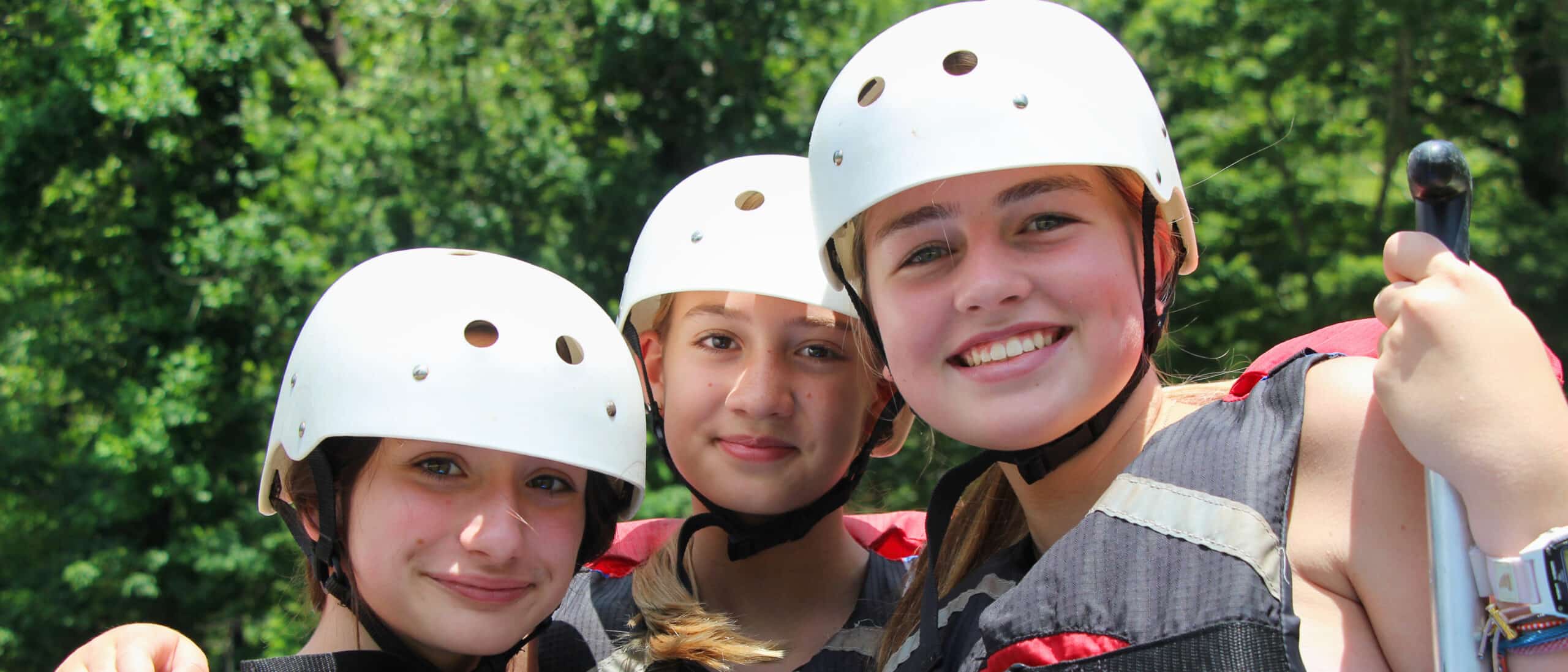
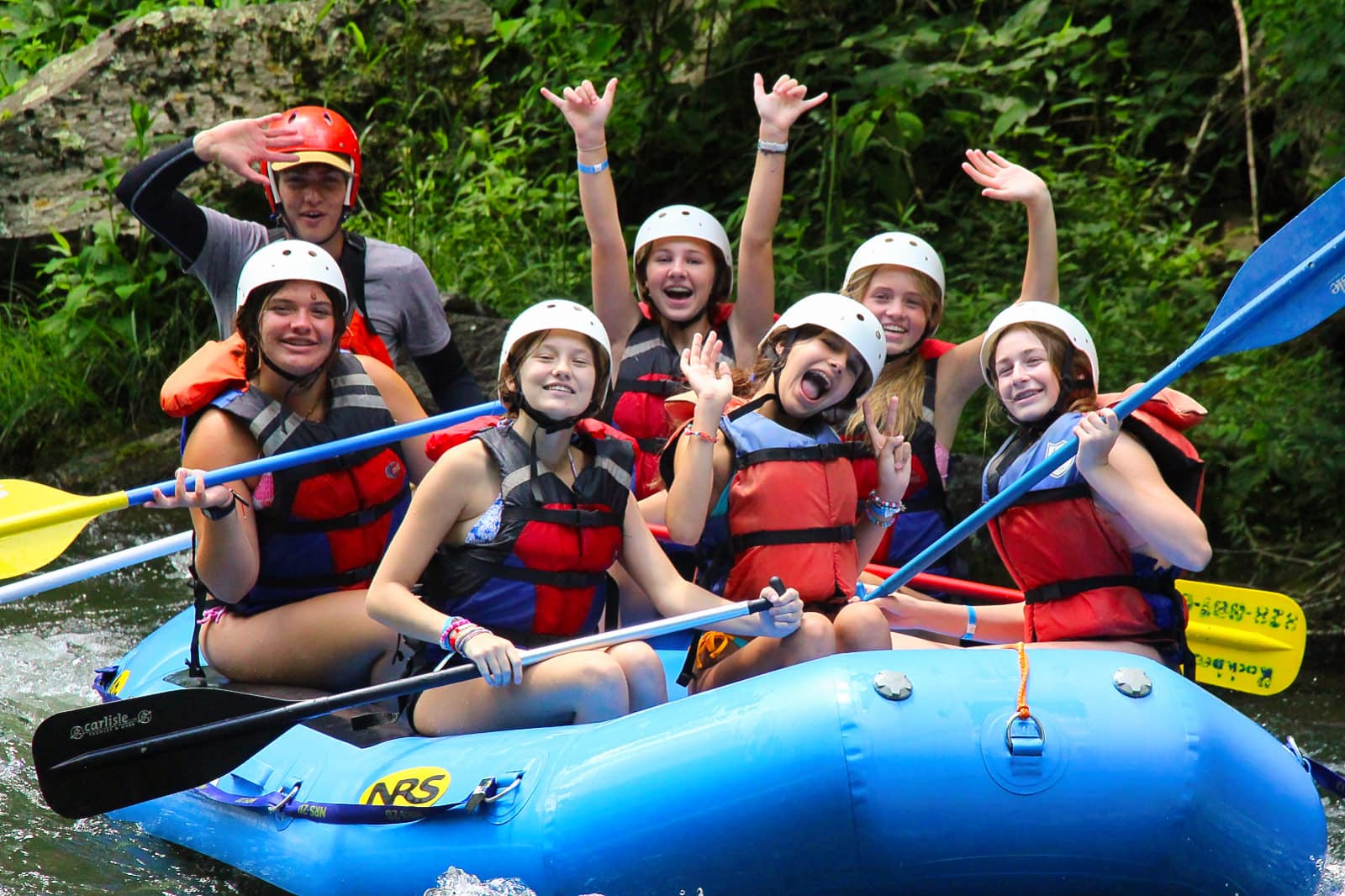
Some days, however, groups of girls will get up early because they are heading out of camp for an adventure. Today, a group of 36 campers, plus their counselors, met in the dining hall at 7am for a quick breakfast of bagels, fruit, cereal and yogurt. They were a little groggy, but also excited, because they were going whitewater rafting on the Nantahala river. This is by far the most popular trip we offer. It’s open to Middlers and Seniors (5th grade and older) and almost every one of them goes at some point during their session.
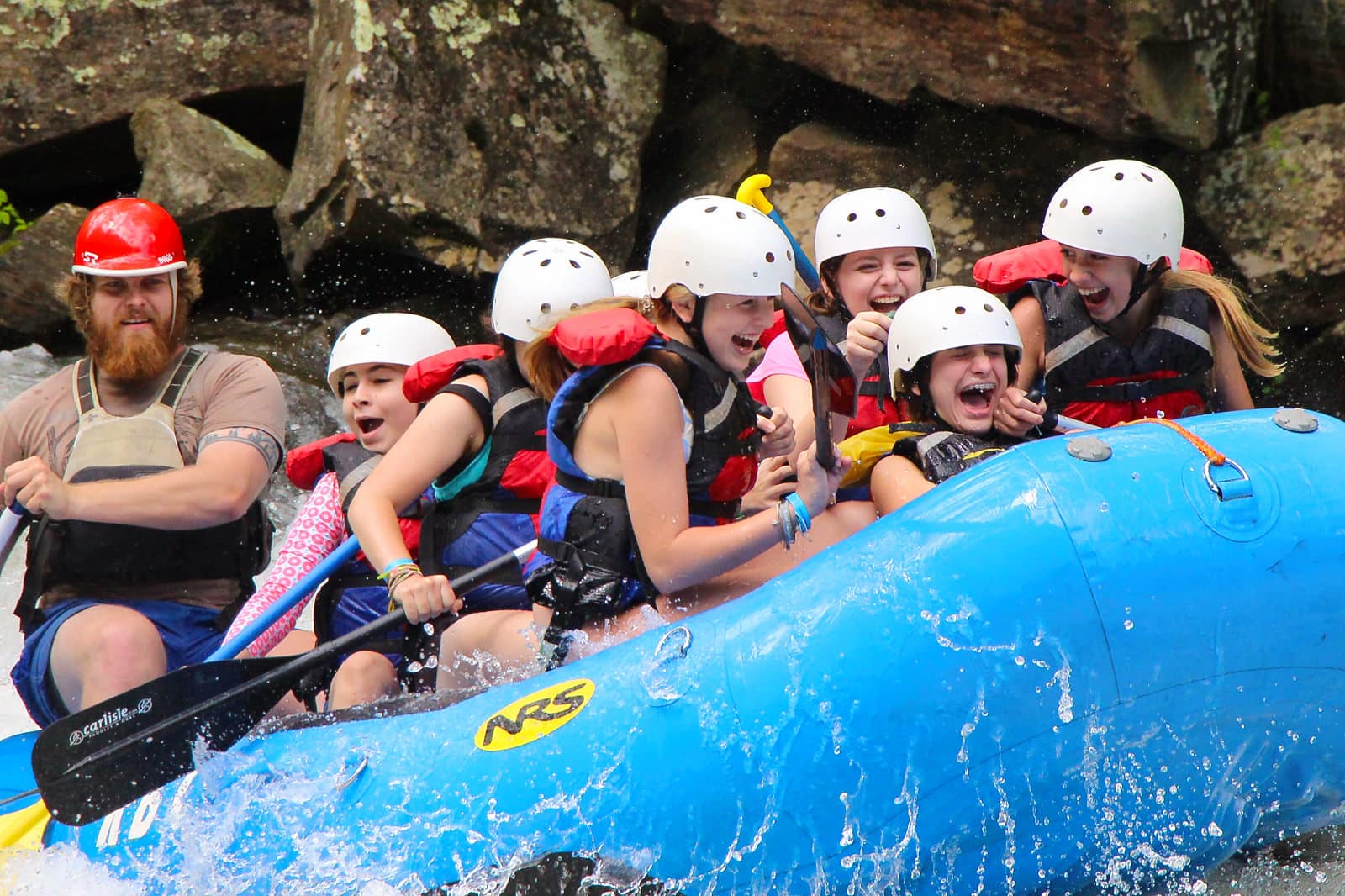
We ran two groups down the river today, one before lunch and one after, 84 people all together. Both trips hit the water with clear perfect weather and with boats full of high spirited friends for 2-hours of whitewater excitement. The rapids of the Nantahala all have unique characteristics that make them interesting and fun. There’s Patton’s Run, Delbar’s Rock, The Whirlpool, and the big finale, the Nantahala Falls. It’s a complete blast for girls to come this close to the power and intensity of fast-moving whitewater, to be bounced in (and sometimes out of!) the rafts while being splashed by the cold, cold water of the river. I always say, though, that the biggest reason rafting is so much fun is that you’re doing it with your friends. It’s the social aspect of rafting, the hilarity of being splashed together, the screaming with delight when your boat hits a wave— this creates the kind of fun that’s uniquely thrilling and memorable.
As I watched these trips unfold, taking photos along the way, I was struck again by just how unique this experience is for your girls. It’s not the rafting per se, the specific river we’re on, the RBC guides, or the weather. What’s unique is the fun created by the girls being together. Their friendships, relaxed way of interacting, and their silly enthusiasm amplifies the experience. Rafts from other rafting companies float by silently, while the Rockbrook rafts scream, and wave, and sing, and pose for the camera. There’s almost constant laughter, conversation, and wide-eyed exuberance. The adventure of the rafting itself initiates the experience, but it’s really just the context for the girls and their relationship with each other to flourish. It’s a joy to see it in action.
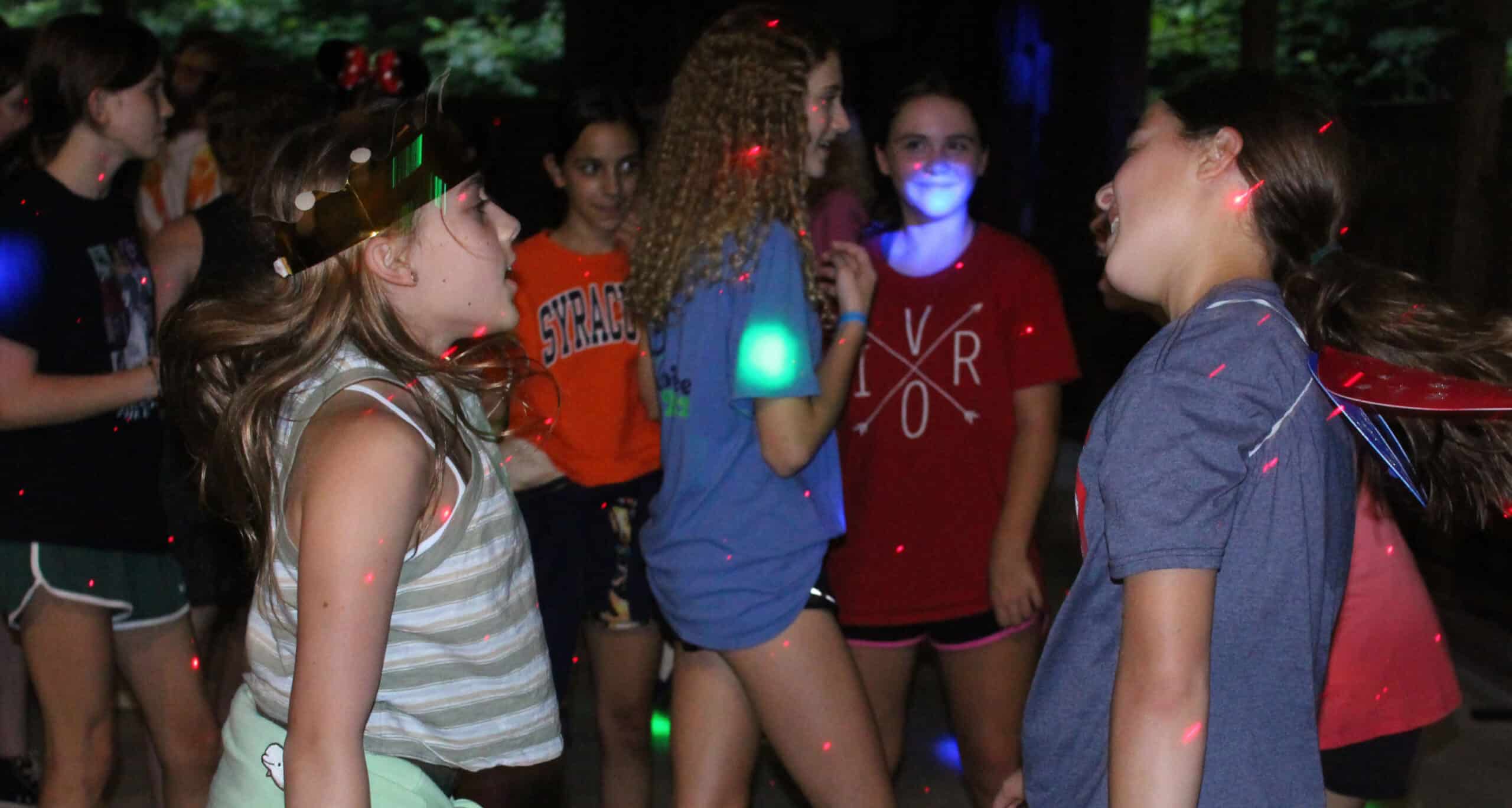
Something similar took place after dinner when another all-camp Evening Program brought us to the gym. It was time for our “Monster Mash” dance. Our theme for the day was “Not Scary Halloween,” which means “Let your costume imagination run wild!” There was a carton of milk, a hippie, Annie (from the musical), a taco, a pickle, a leopard, a kiwi, several princesses and fairies, and so many things in between. Our local DJ, DJ Marcus, was here with his lights and sound system, and our Rockbrook girls showed up ready to groove. Here too, they created the fun themselves. Together they jumped and sang. They literally let loose— hair, arms and legs flying around in all directions. They encouraged each other, modeled different dance moves, and joined line dances like “Cotton-eyed Joe.” The culture of camp makes being together like this generate energy, fanning the flames of excitement in ways that are impossible to duplicate elsewhere. Camp makes it possible because it encourages everyone here to relax and be themselves, be kids without academic or social pressures. It’s welcoming and relentlessly encouraging. It inclines everyone toward connecting with others, with nature, and with real-world activity. There’s simply a unique power when you combine all of this. And yes, it’s this power that makes anything we do at camp fun. Magic!
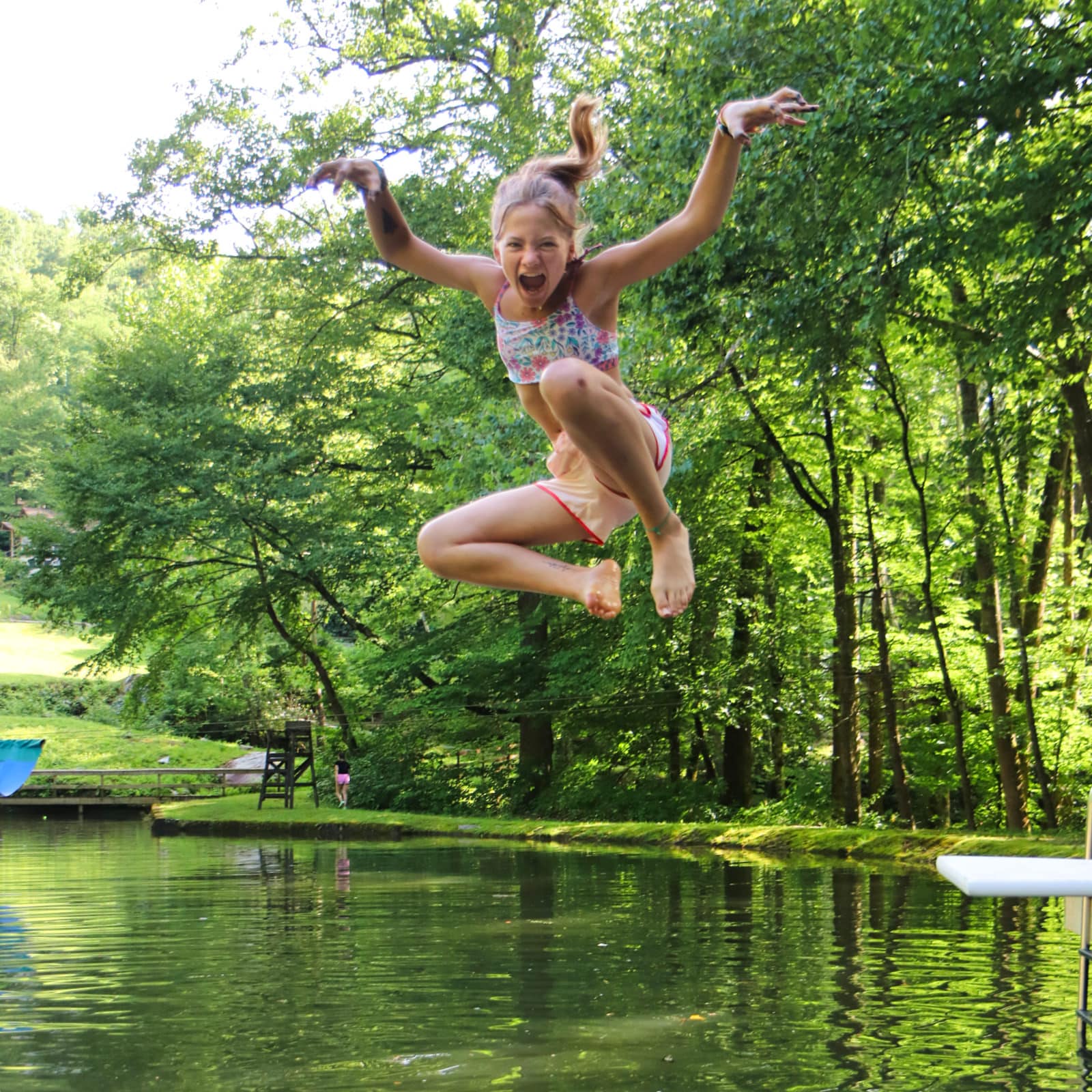
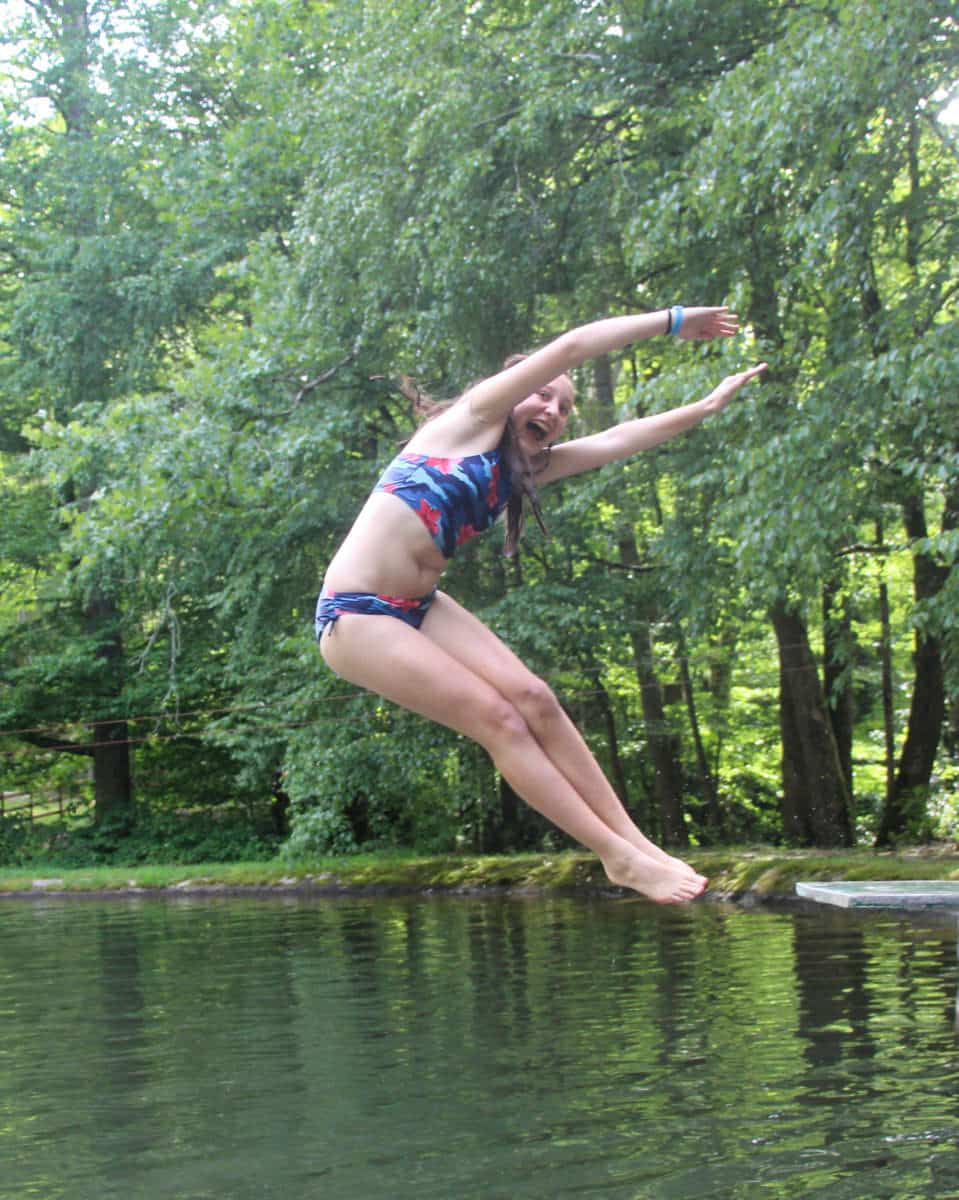
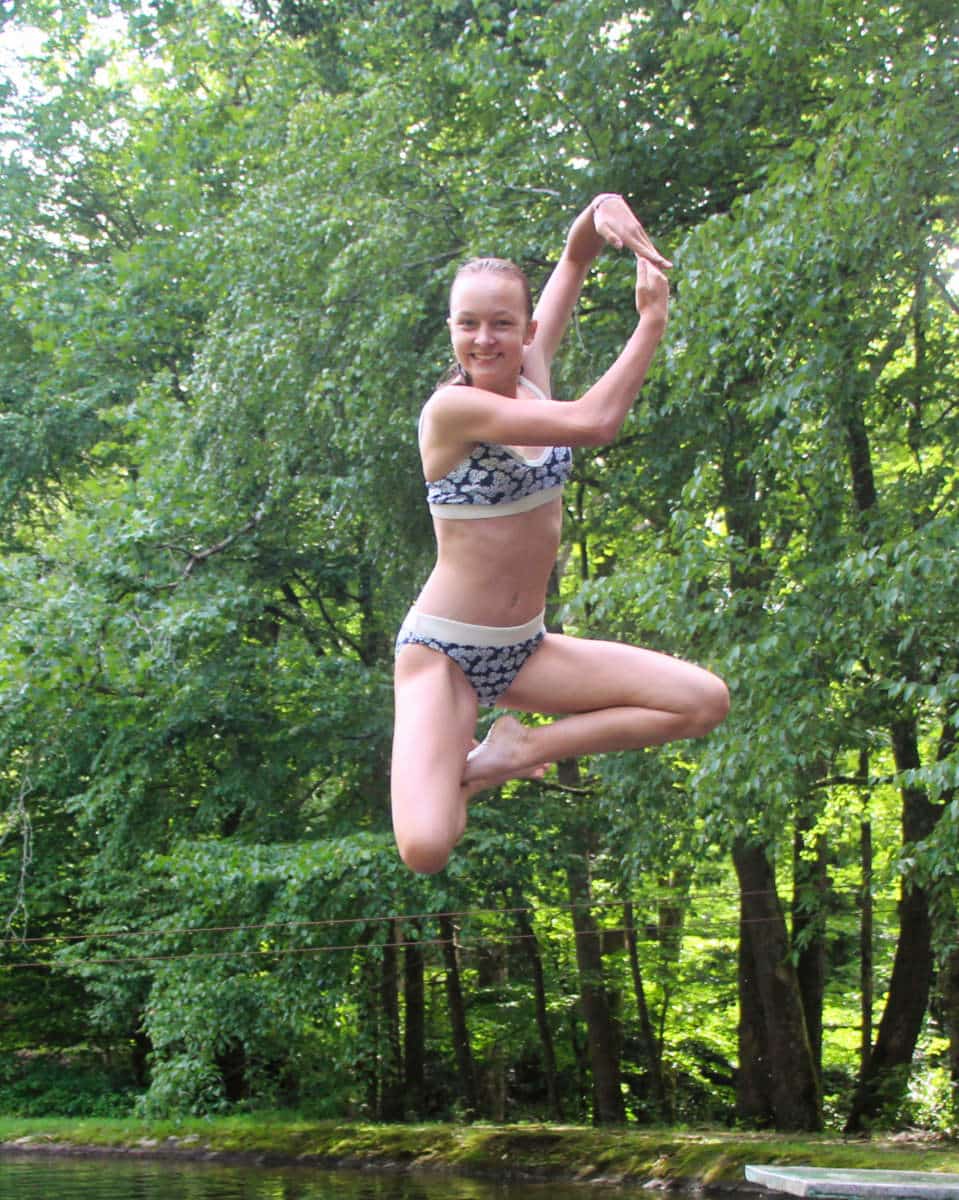
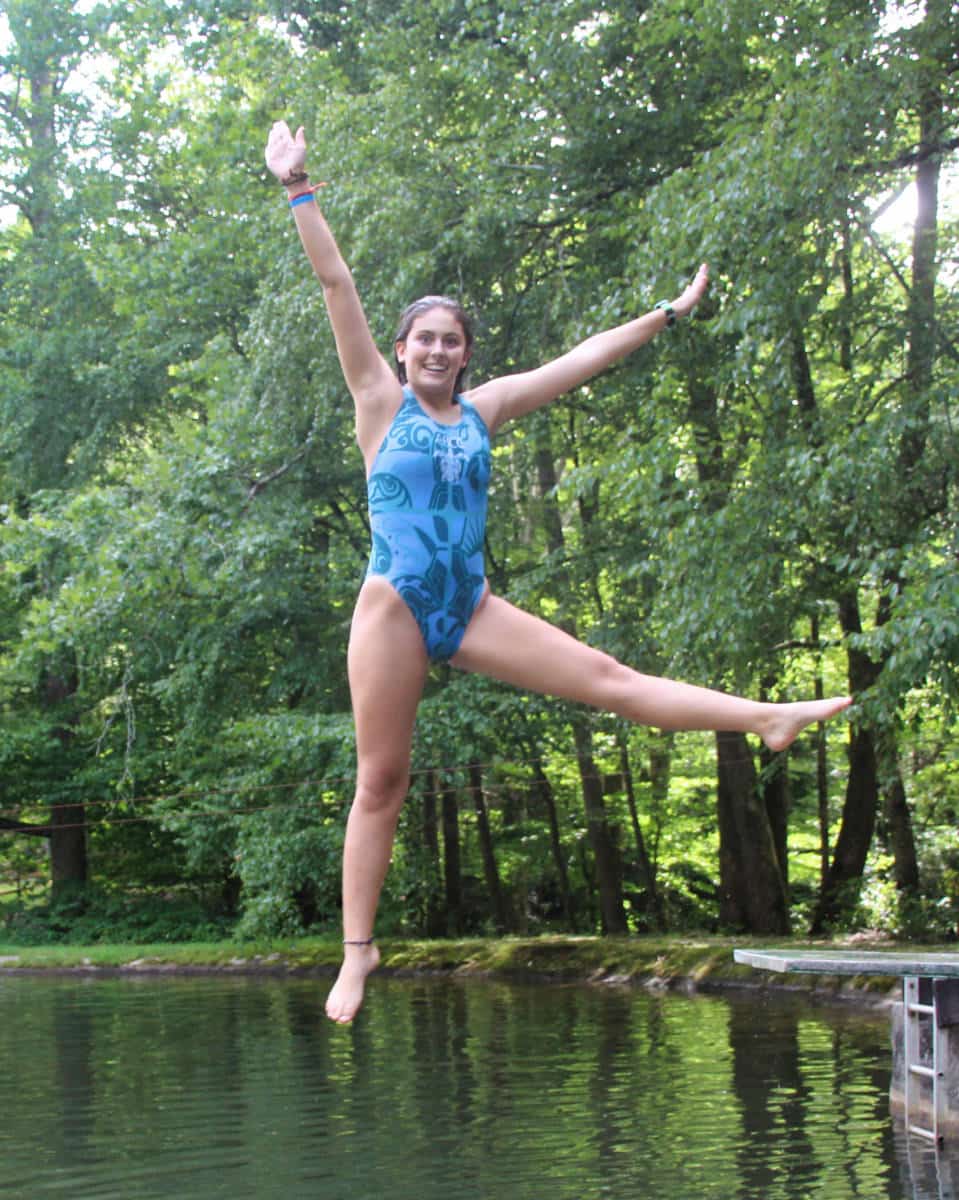
Jumping off the diving board at the Rockbrook lake really appeals to some kids. Some like to simply run off the end and land in the water, and others like to really bend it down and spring high into the air. Either way, there’s enough airtime to do a trick or strike a pose before splashing into the water. During the second free swim period yesterday (before dinner), a set of girls decided they could contort themselves in the air and form letters. And with one of the photographers coincidentally there, they decided to take photos of themselves spelling R-O-C-K-B-R-O-O-K. Here are some sample shots. Can you tell what the letters are? It was just a little silly camp fun before dinner.
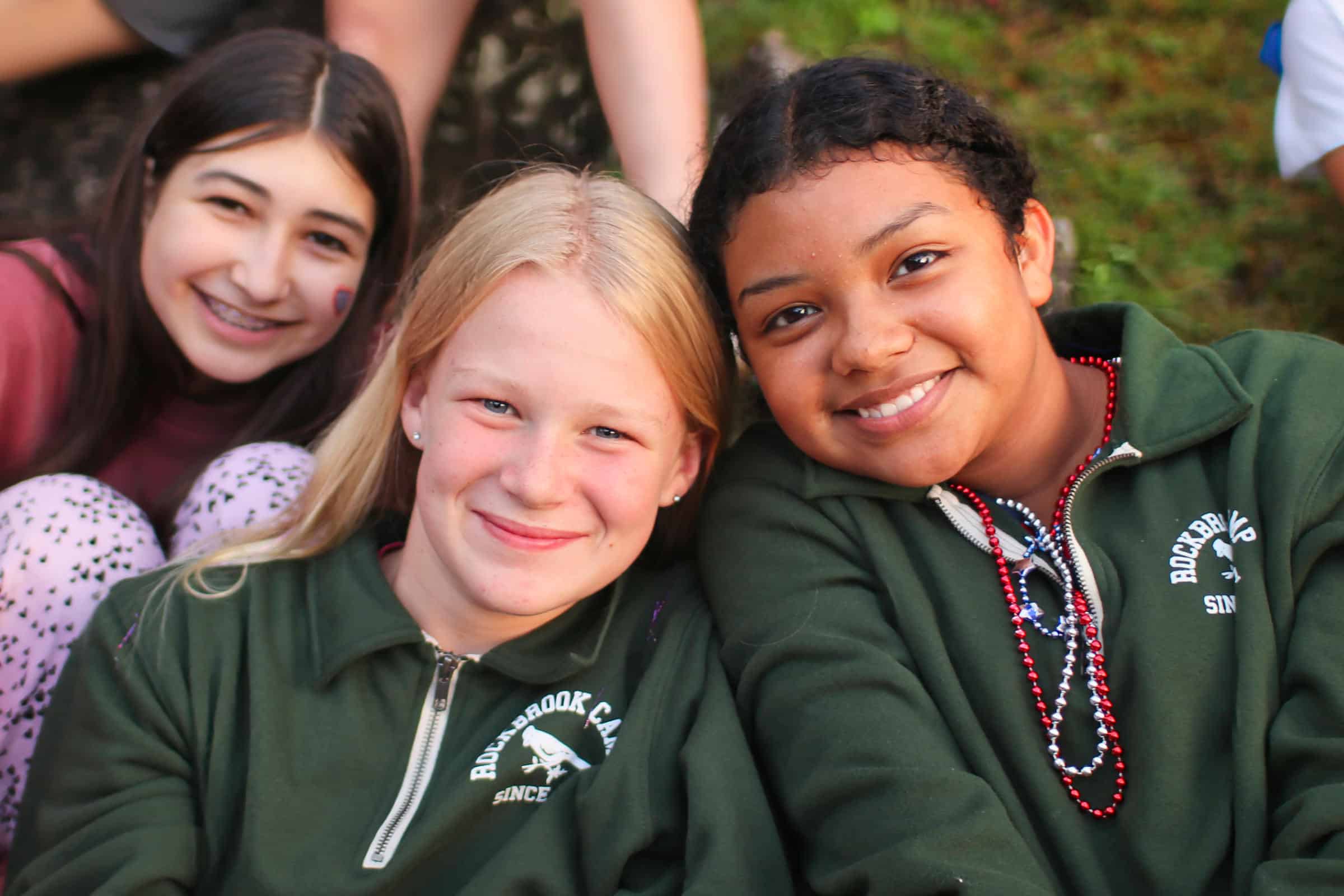
It’s an example of the kind of silliness that naturally percolates up when girls find themselves in a safe place where they are comfortable enough to relax and be their true selves. Rockbrook is exactly that sort of place. Our philosophy and emphasis on kindness and community make it a place where girls feel included. It’s a place of belonging for everyone who is here, free from social judgment and competition for rewards. Kids here support each other, cheer for each other, and laugh together. It’s a little surprising compared to the outside world, and can take some time to realize it, but camp is a special kind of environment. Once you find the courage to embrace the community, it can be literally life changing.
The other day I was talking with a Senior camper who has been coming to Rockbrook for several years and she put it like this: “Camp is a place where I can finally be part of something that makes you feel so much gratitude and love and connection to the people, the earth and to yourself. Here I can be my true self, the person I have always wanted to be.”
What a lovely sentiment! And a great testament to the beauty of the camp community and what it means to so many of the girls here. Camp feels uniquely good. Being accepted for who you really are is a relief compared to the worry that often accompanies school environments. Camp feels good because it opens up a welcoming space for girls to let their true selves shine, and because it’s also supportive and encouraging, it provides tremendous opportunities to grow as well. When you’re not worried what someone might say, and you know you don’t have to hide behind something fake, it’s liberating, and the next thing you know, you’re being a little more silly and having more fun. It’s magical!
It reminds me of the Japanese word “Ibasho.” Popular in the 1990s, this word describes a “place where one feels at ease, safe and comfortable.” It’s a place of “refuge and empowerment,” as this paper puts it. Ibasho is a place where “you feel at home being yourself.” See the connection? Appropriate for most supportive communities, I think ibasho aligns perfectly with the haven we aim to create here at Rockbrook. For the girls here, Rockbrook is their ibasho. It too has this special character to encourage authenticity, to be comfortable and empowering.
I think this helps explain the feelings “camp people” have when they say things like: “I would not be who I am if it wasn’t for camp,” or “at camp I feel at home.” They’ve discovered their ibasho, a special place where they feel most at home being their true selves. It’s the central power of the camp experience.
There’s more to learn from this concept of ibasho. Questions come to mind about how to create and strengthen an ibasho community, and why ordinarily that is so rarely accomplished. From what I’ve seen at camp, kids thrive in such a community. It seems to me that everyone would benefit from finding their ibasho.
Today was the first day of activities for this session, a day when camp was busy in every way. Last night the girls were presented with the different options, and after much discussion among their friends decided on their first set of four activities.
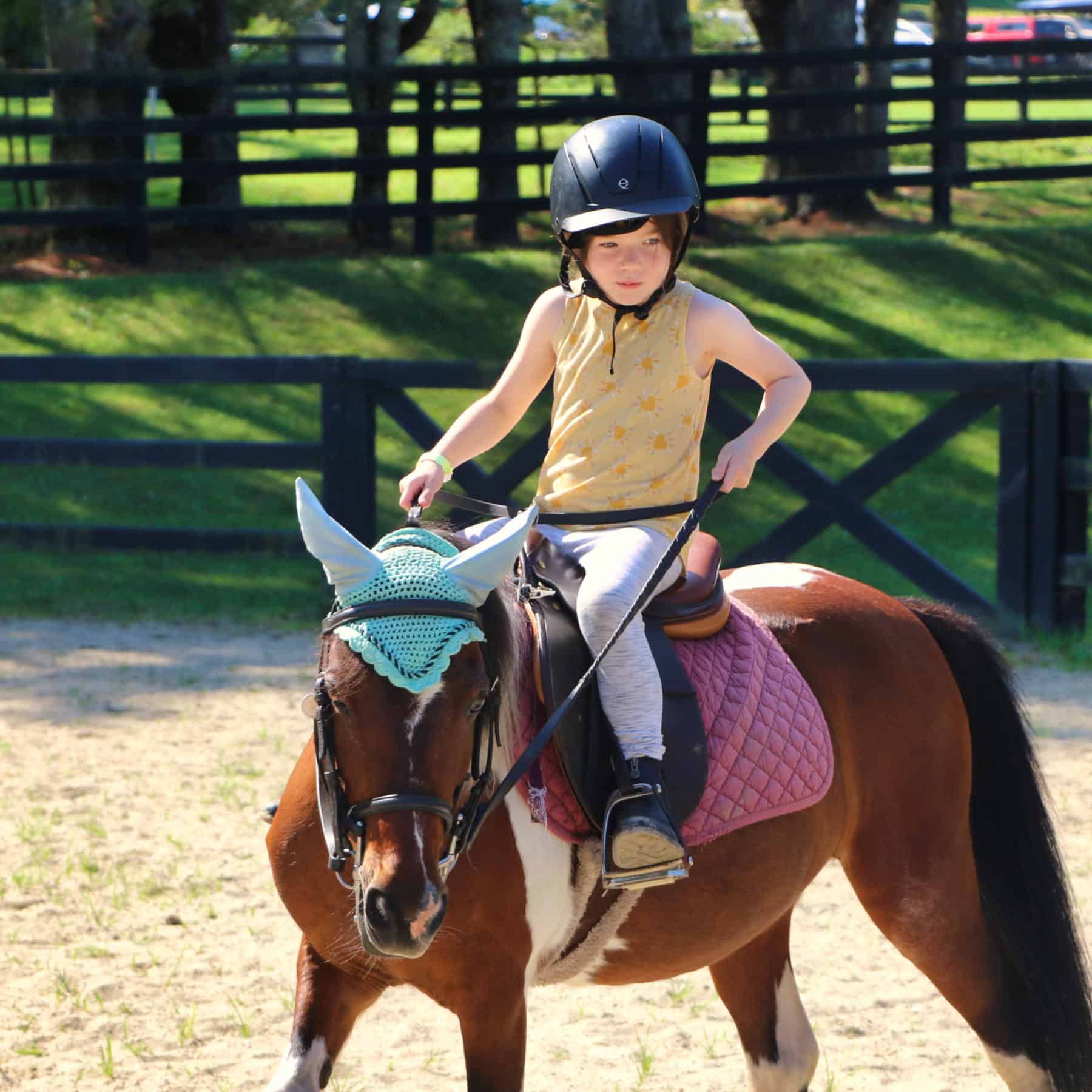
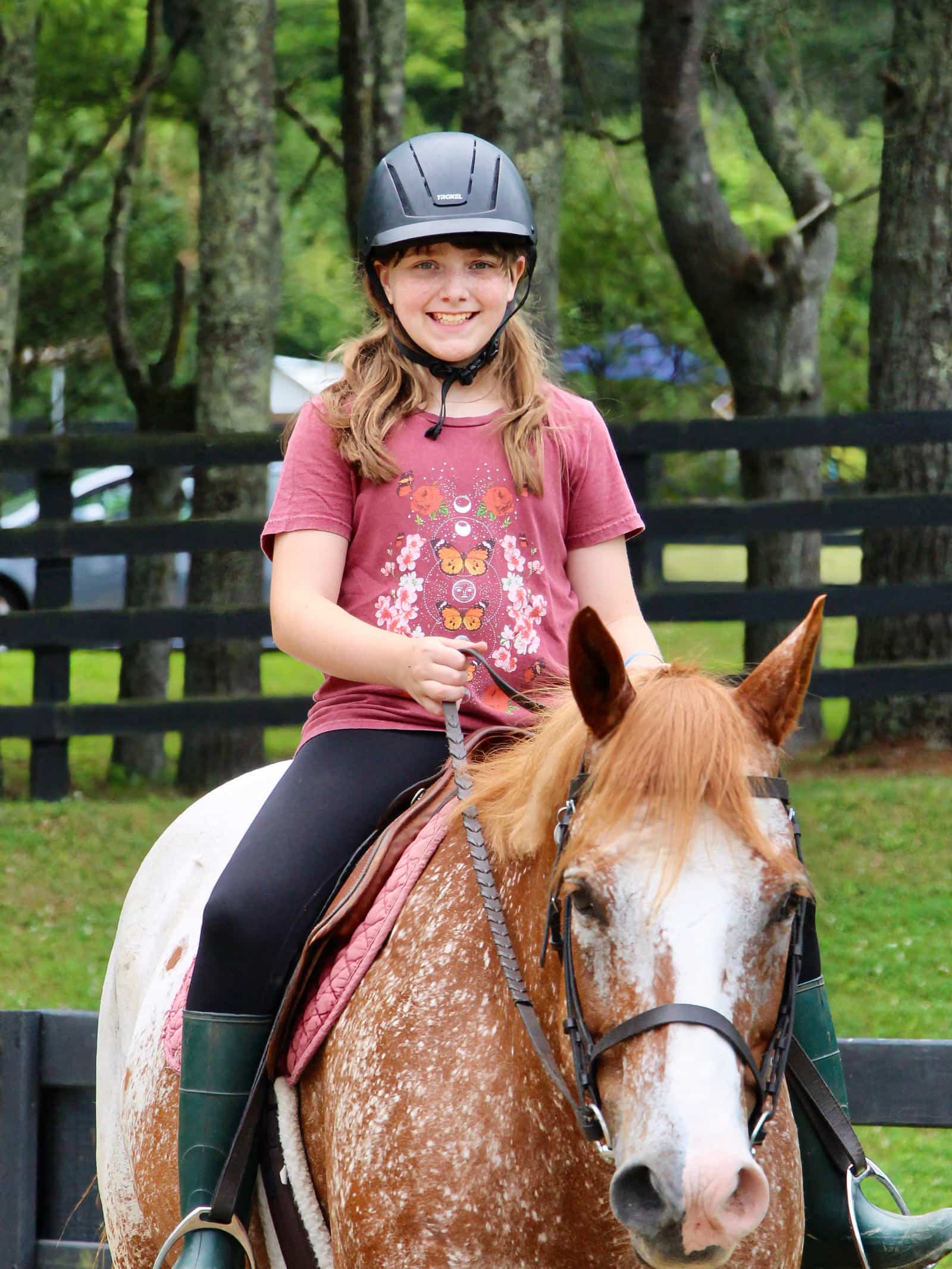
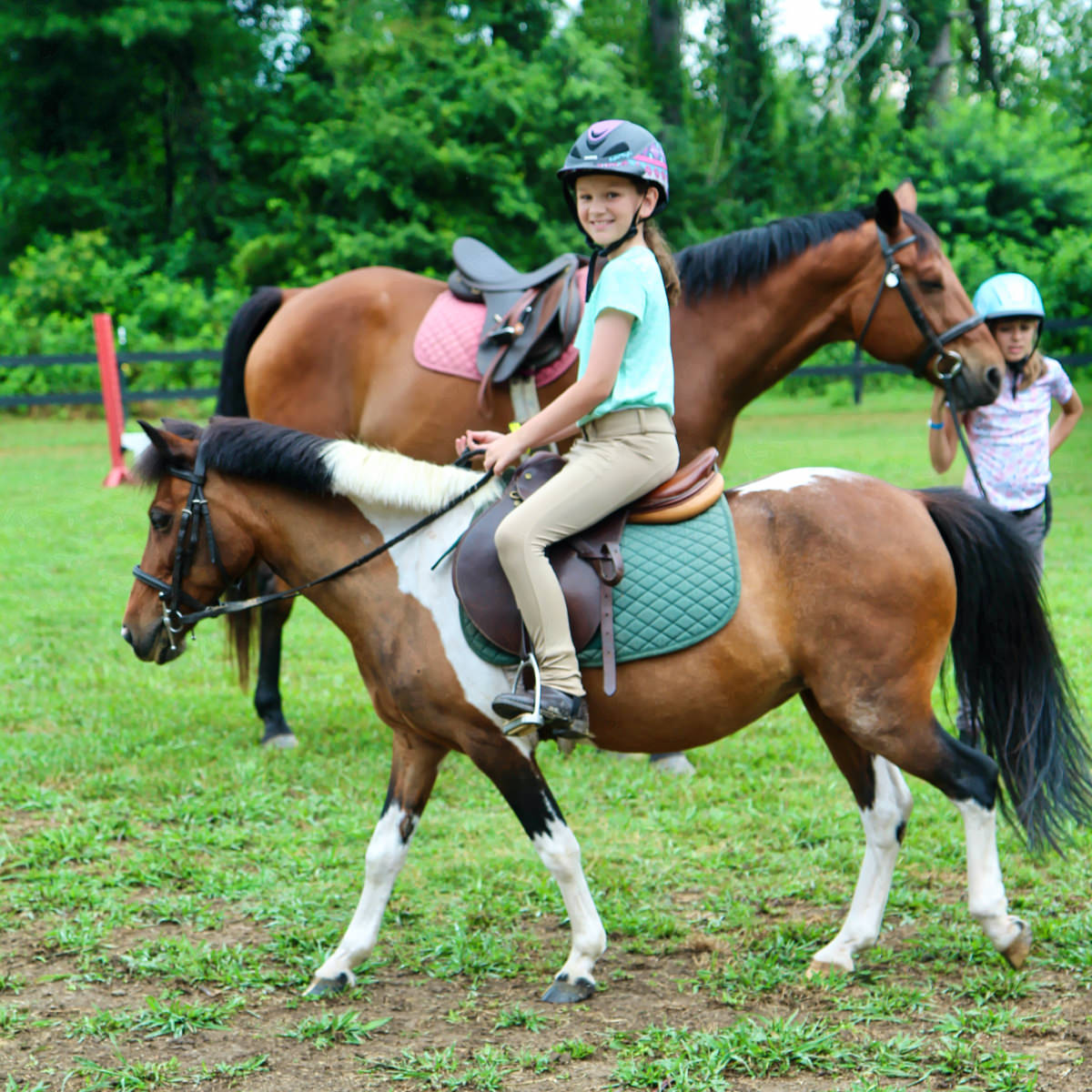
This practice of having the girls select their own activities has long been a part of Rockbrook. We believe that having to choose on their own, away from parents, is a really good experience for the girls. It’s empowering for them to make this decision, to make it based entirely on their own desires and interests. It might mean doing lots of crafts, or perhaps spending extra time at the barn with the horses. Or it might mean taking a break from tennis since that’s a regular thing at home. Parents are sometimes surprised to learn what their child selects, and they may even wish their camper would branch out more, or be inspired to try something different. Some of that variety happens on its own as the various options are limited, and peers often encourage each other to do things together. But the girls really appreciate this independence. Wednesday night, all the girls will select a new set of activities, giving them a chance to switch things up. Horseback riding operates differently. Girls can keep riding on the schedule arranged with Kelsi our riding director. They can switch up their riding days, but most don’t want to.
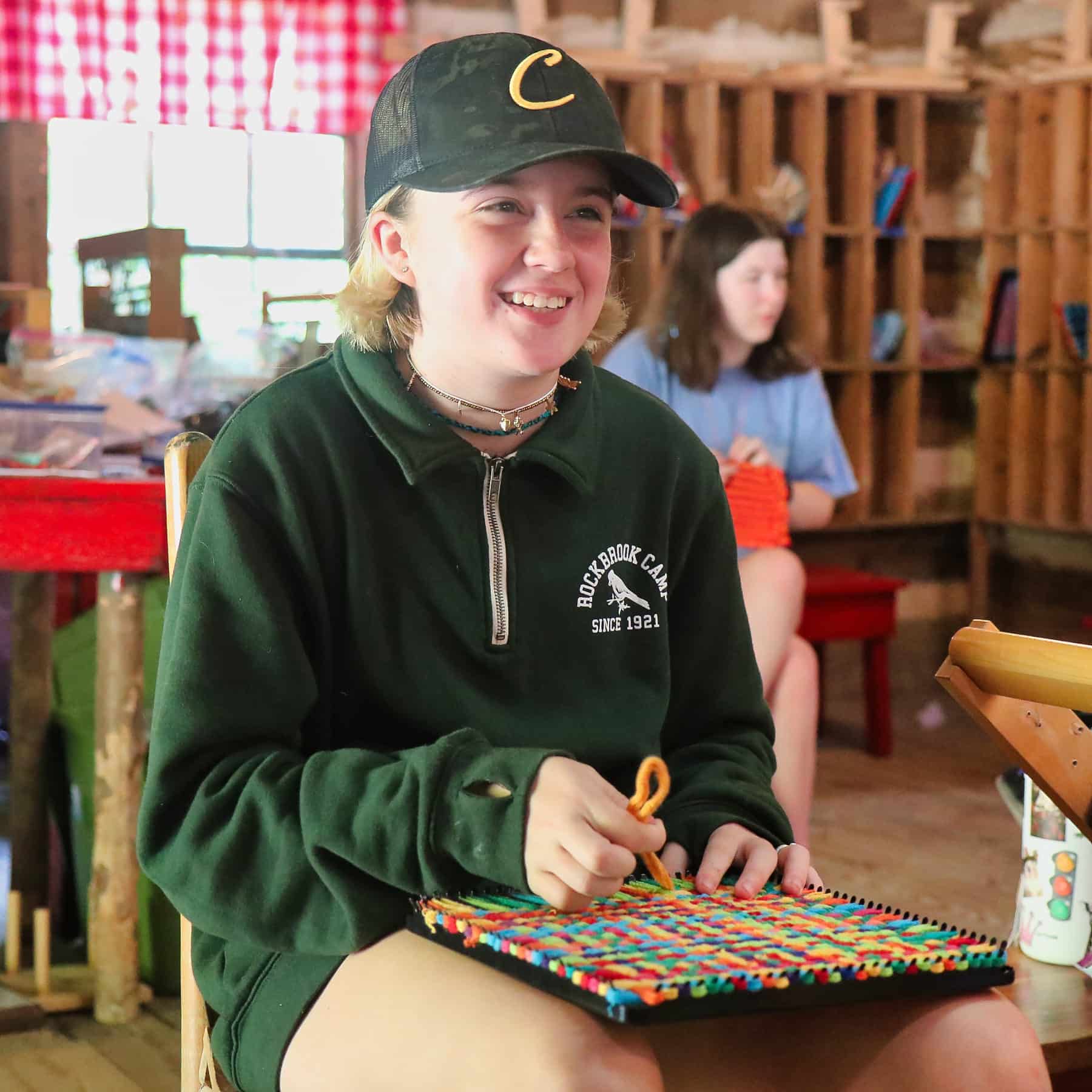
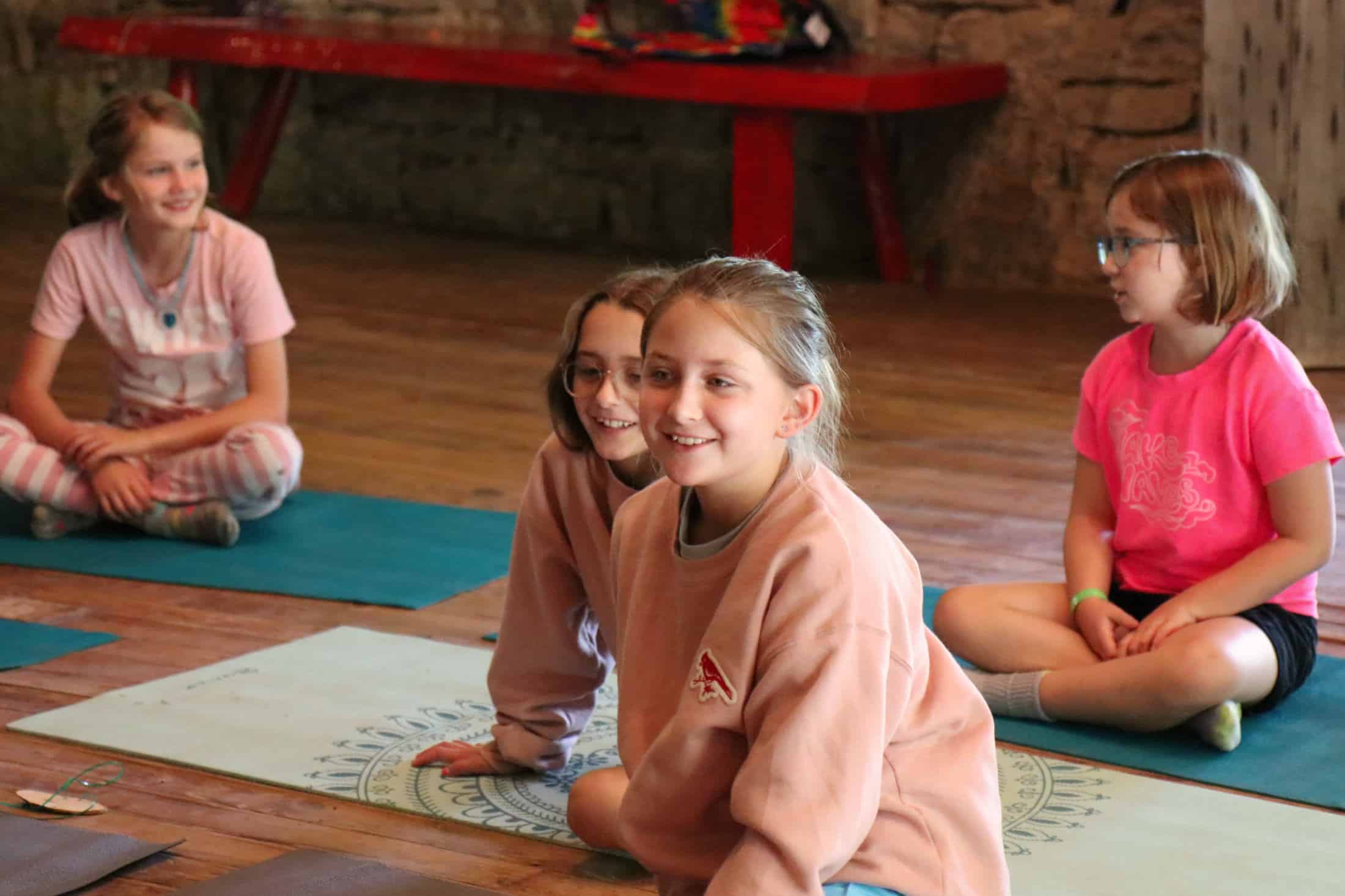
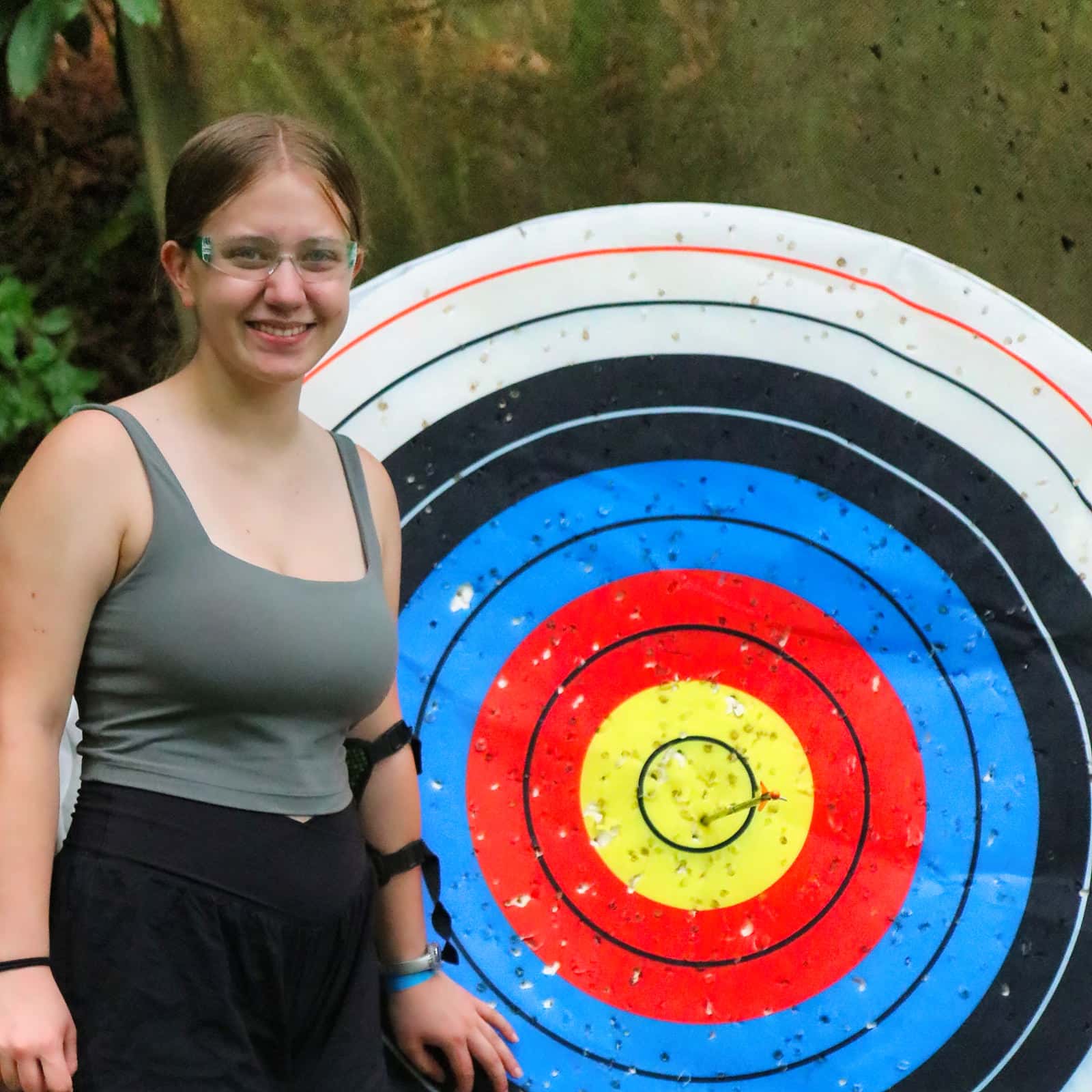
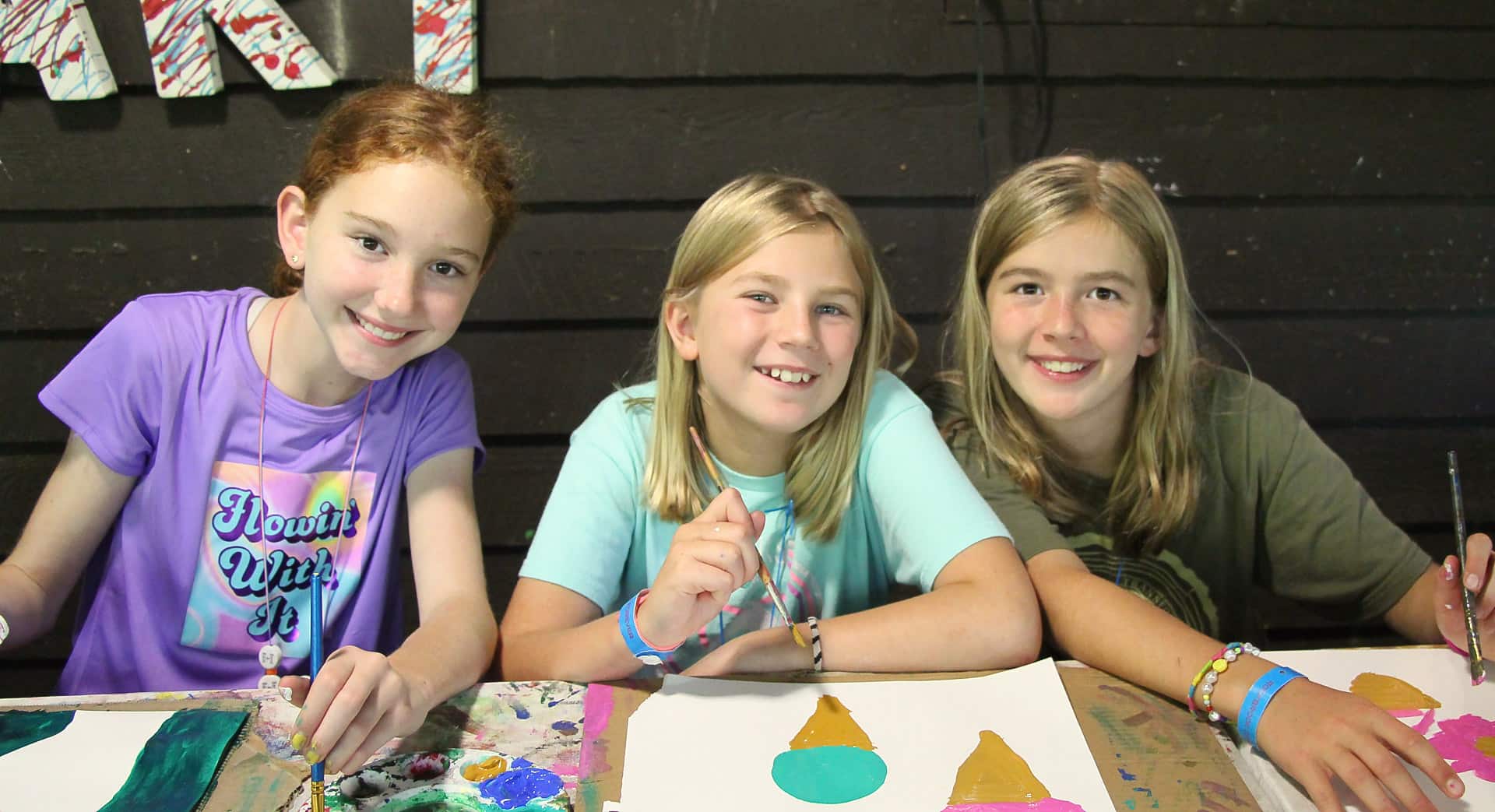
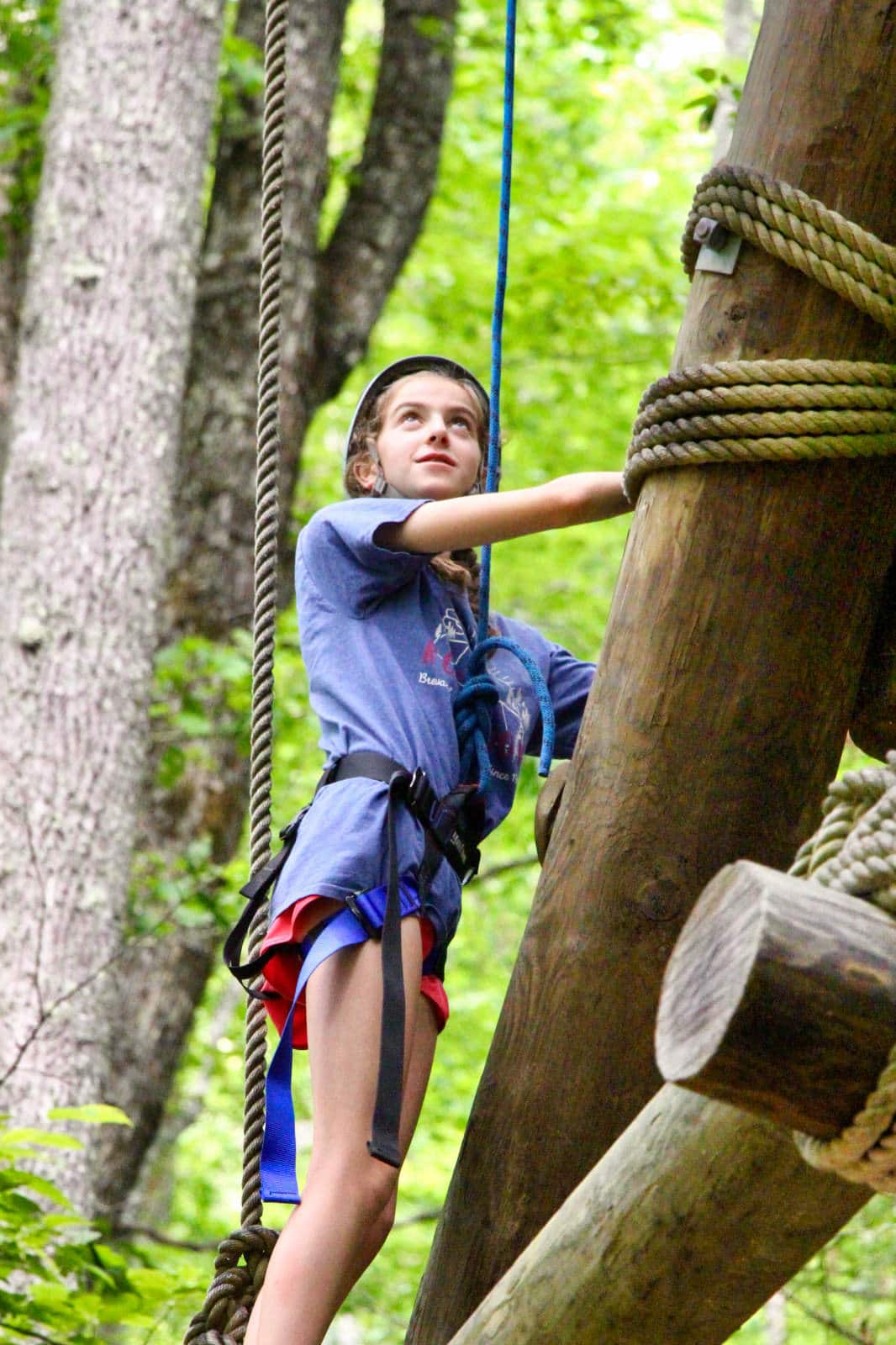
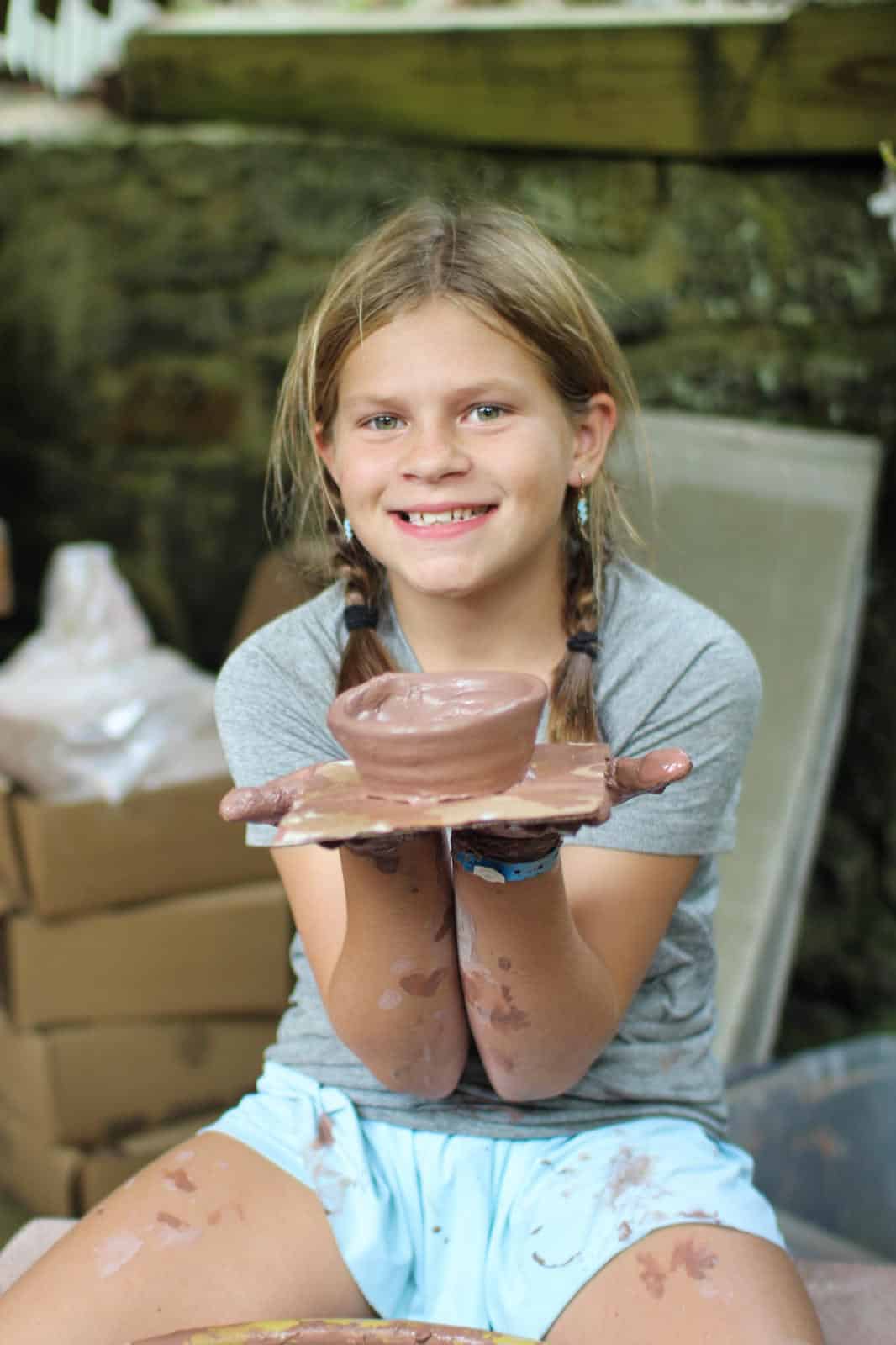
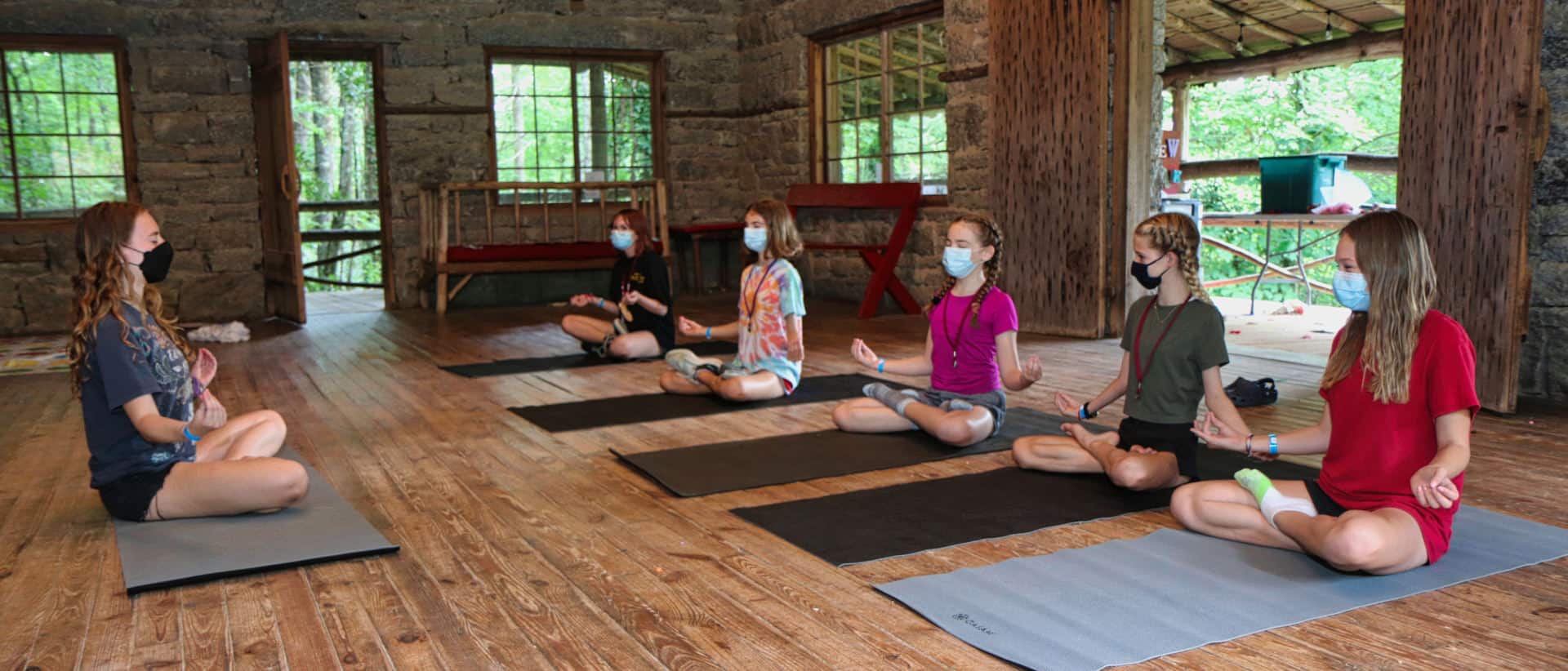
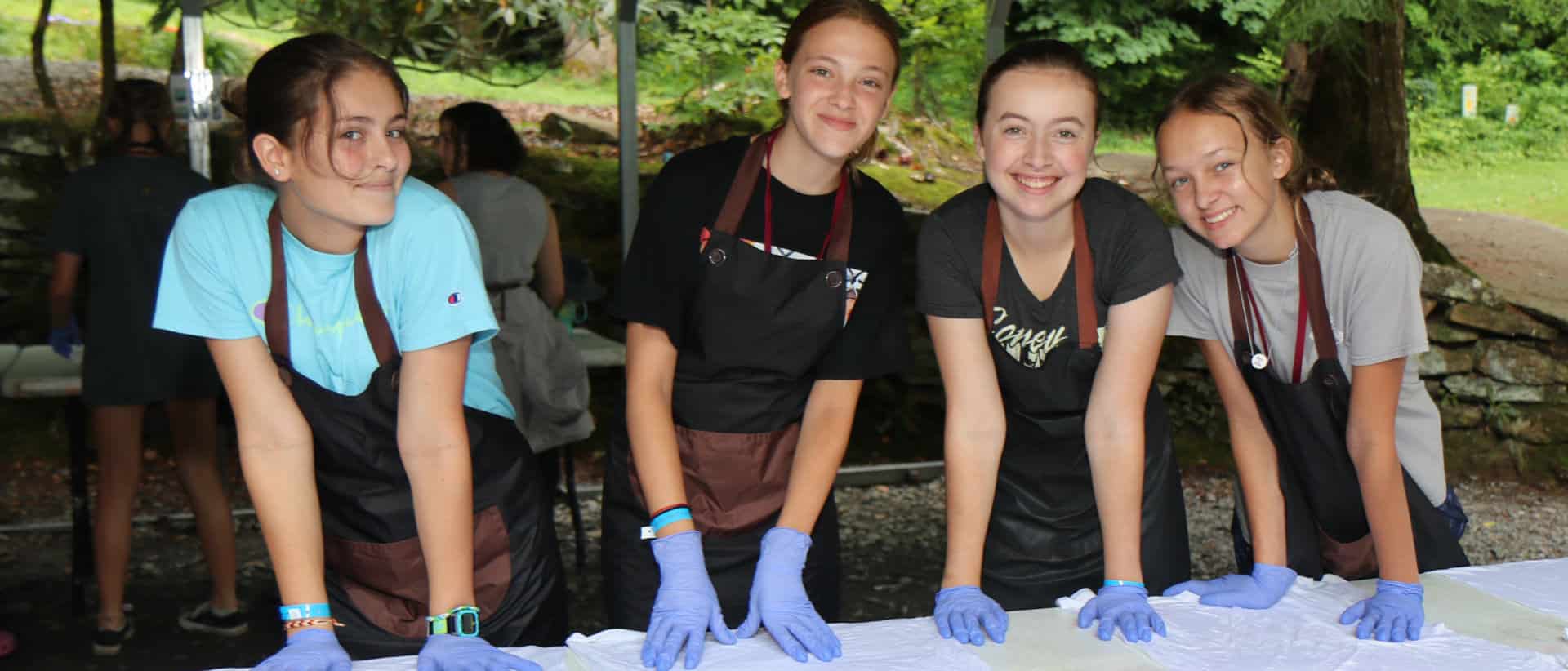
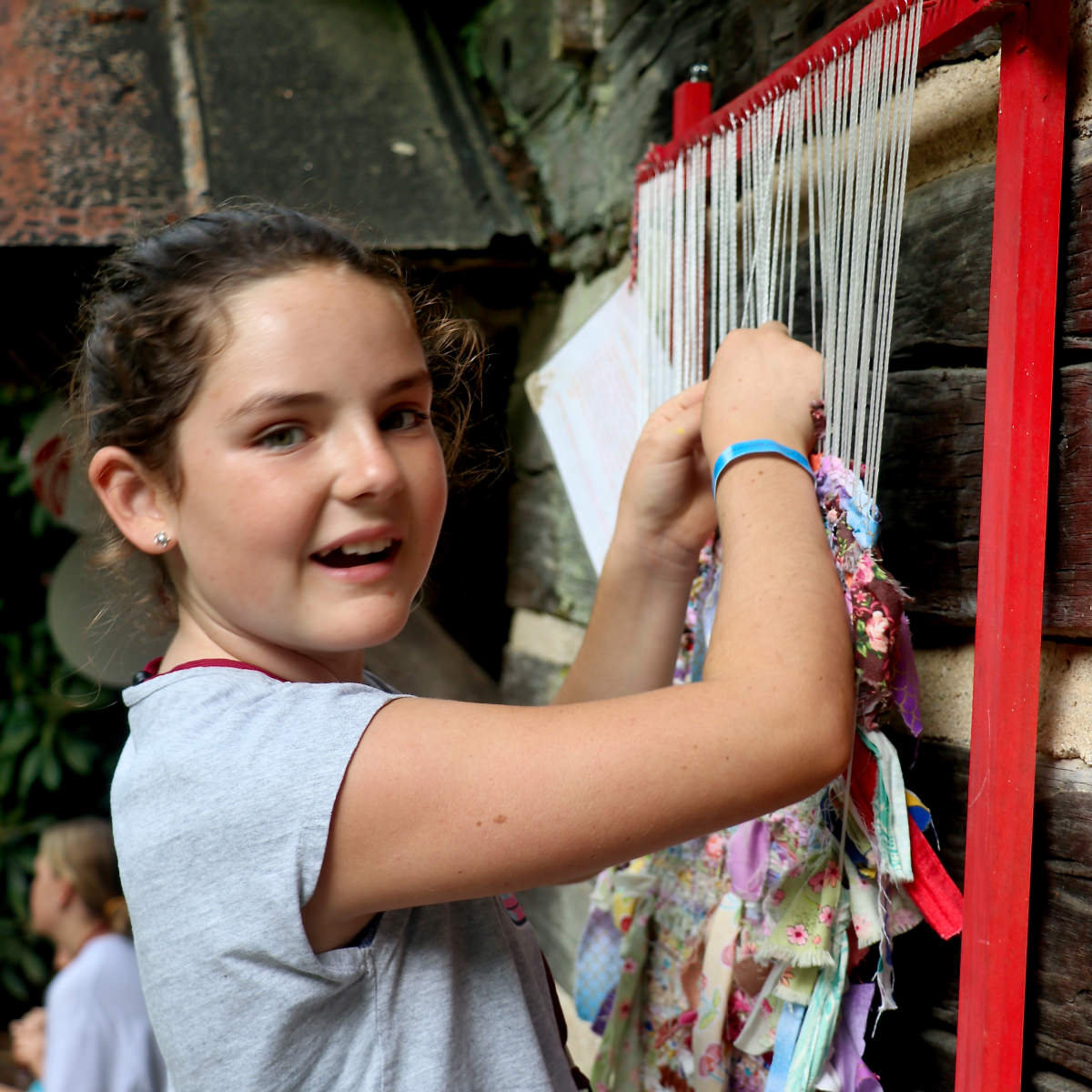
With the campers schedules set, they were off…. off to shoot arrows, to climb the alpine tower, and to twist, tie and dye white t-shirts. They were calming down and stretching out in a yoga class held in the stone hillside lodge. They were learning tricks to perfect a cartwheel in the gymnastics activity. They were getting the hang of operating the floor looms in weaving and the feel of cool clay in the two pottery studios. They were swimming in the lake and riding horses in the rings, smacking tetherballs and gaga balls, making friendship bracelets and painting flowers. They were busy!
There were trips happening too. Two different kayaking trips went out to the French Broad river, one in the morning and one after lunch. The CA campers (9th graders) took a hike in the Dupont State Forest to discuss and select their secret Banquet theme. Starting with about 80 different ideas, they narrowed down the options and ended up with a single theme that will focus their planning for the end-of-session party they host for the whole camp. Now, they have a theme, and it’s a good one.
In camp, zipline trips were happening all day as well. Different cabin groups were assigned specific times. This allows us to make sure that everyone, even the smallest Junior, has the option to take a ride through the course. Wearing a harness tethered to a dual-wheeled pulley and a steel backup carabiner, the girls also put on a helmet before following the adventure staff up into the forest where the course begins. With three zips and 3 different challenge bridges strung between huge boulders, the course is uniquely thrilling and beautiful at the same time.
I should add that despite this busyness, our regular daily schedule also includes three periods of “free time” when the girls can just hang out. They can join various clubs, swim in the lake, or play several games during these times, but they can also sit and read under the walnut tree on the hill, goof around in the creek by Curosty, or just sit and chat with a friend in one of the red porch rocking chairs. Here too, the girls decide for themselves how to spend this free time. Unable to default to technology or passive entertainment, it’s interesting to see them be more creative and active than they might be otherwise. They have plenty of friends to do things with, so their “free time” can seem busy as well.
Yes camp is busy, but it’s a good kind of busy. It’s self-directed and fun, filled with extraordinary opportunities to experience new things, and includes built-in companionship and support. It’s a busy that helps a girl grow.