The Heart of Rockbrook

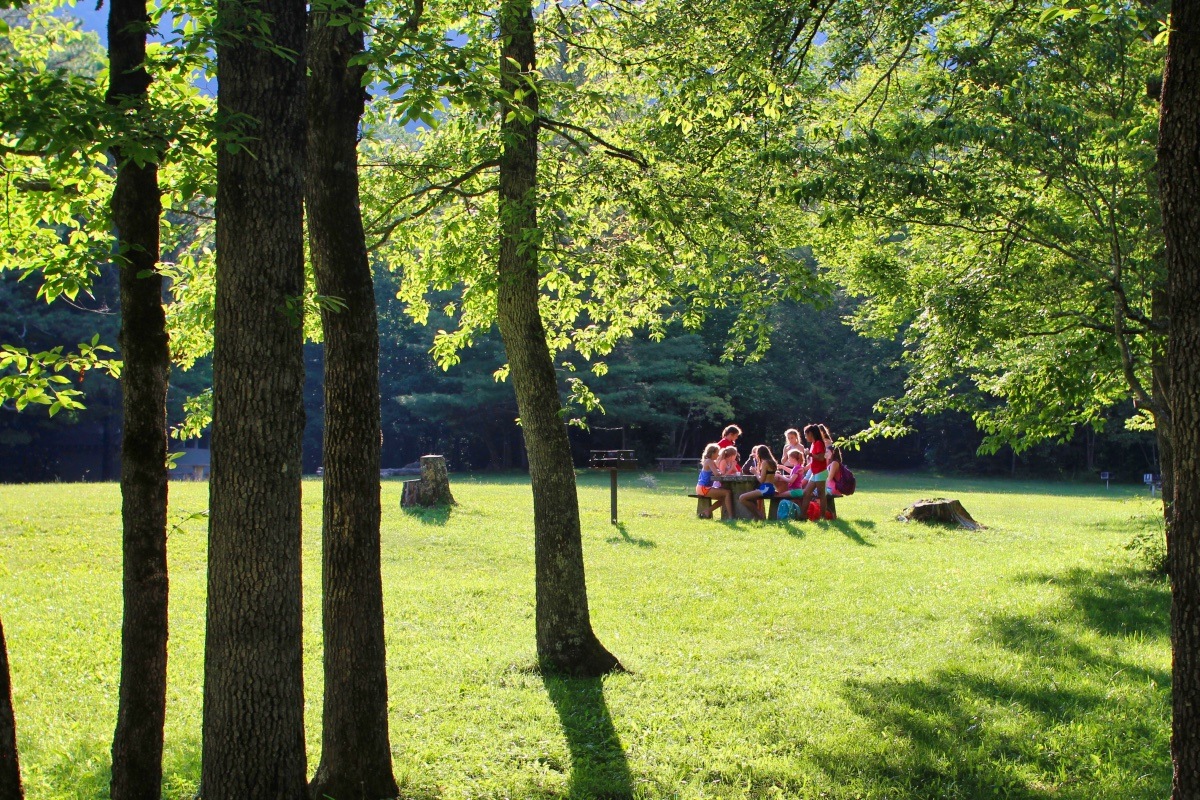
The 2011 Carrier Pigeon, our annual summer yearbook, is at the printer right now in preparation for sending out over the holiday.  It is filled with so many wonderful stories and memories of the past summer. There are so many highlights, we thought we would share a few with you!  The fun, friends and feeling of Rockbrook never changes, whether it is 1921 or 2011!

Splashing and laughing
in the rocky creek,
with our tangled hair
and our soaking wet feet;
In the dining hall
we all loudly sing,
then at rest hour flop down
and don’t say a thing.

Cabinmates are like sisters,
and friends ever better,
everyone’s hoping
to receive a letter.
Walking along
a quiet forest trail
or running a brush
through a horse’s soft tail.
In hilarious evening skits
every girl has a part,
In this beautiful wooded mountain,
you can tell why we’re called the heart.
       â€”Miriam E.

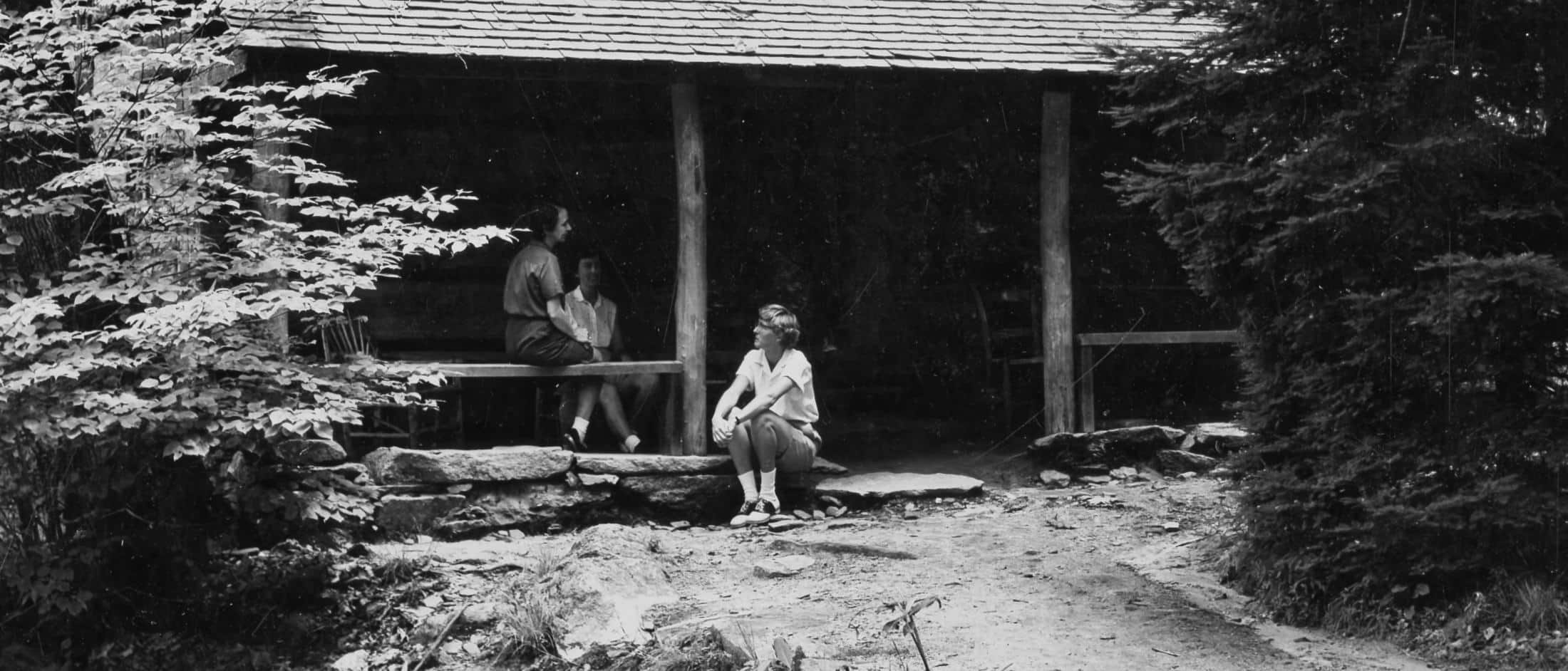
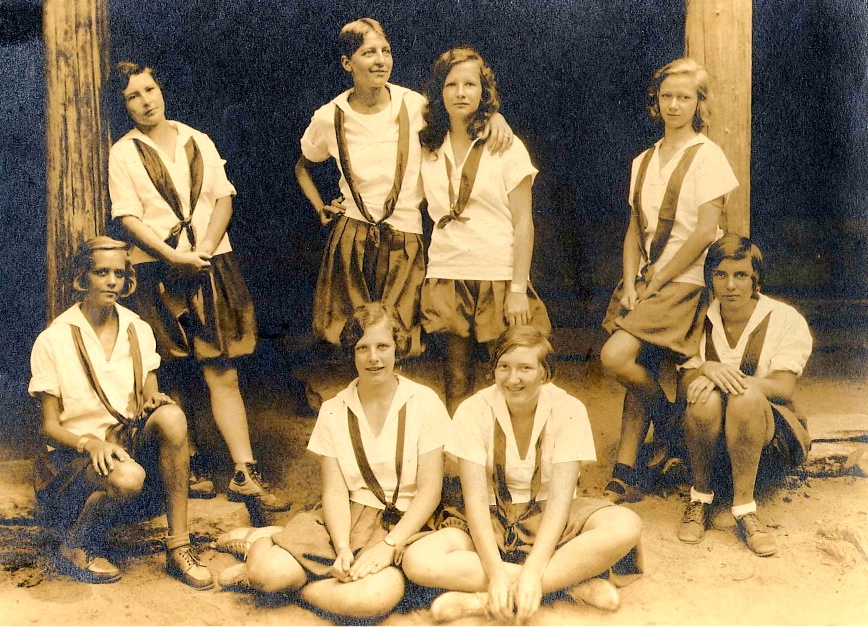
Old Camp Photo

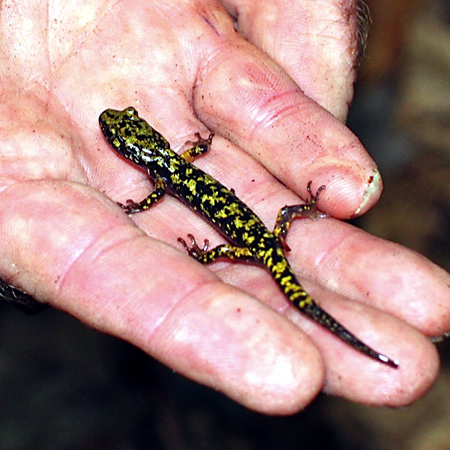
Green Salamanders at Rockbrook

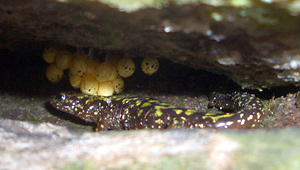
There is a secret about the western part of North Carolina, something few people know. It is home to more that 50 distinct species of salamanders (Order Caudata), with North Carolina as a whole having the highest salamander diversity in the world! The so-called “Lungless Salamanders” (Family Plethodontidae) are the most numerous and include one species listed as Rare and Endangered by the State: the Green Salamander (Aneides aeneus). This is the only salamander in North America with green markings, hence its name. These little guys have very specific habitat requirements and are rarely seen.

nesting endangered green salamander in North Carolina
Rare and endangered green salamander

A Perfect Habitat at Rockbrook

It just so happens, though, Rockbrook’s Castle Rock and Dunn’s Rock provide a perfect habitat for the Green Salamander. There are plenty of moist, shaded rock crevices for the salamanders to hide in, and for the females, to lay their eggs. Green Salamanders spend most of the year in cool rock crevices, but hide in trees during the summer. They ordinarily live to become 10-15 years old.

Confirming the Discovery

Today, Alan Cameron, a 7-year volunteer with the NC Wildlife Resources Commission, came out to Rockbrook for a Green Salamander field expedition. Another naturalist had observed Green Salamanders at the base of Dunn’s Rock, so Alan wanted to verify his hunch that they would be on Castle Rock too. Within 4 minutes of arriving at the rock, he found a Green! Alan believes that the environment on the camp property is ideal for this salamander and that there is likely a very healthy population of them here.

It’s neat to know (now definitely) that Rockbrook is home to this rare and endangered species of salamander. This is important because Rockbrook will always preserve its unique habitat and thereby help insure this special amphibian survives.

Trail Rides at Rockbrook Camp

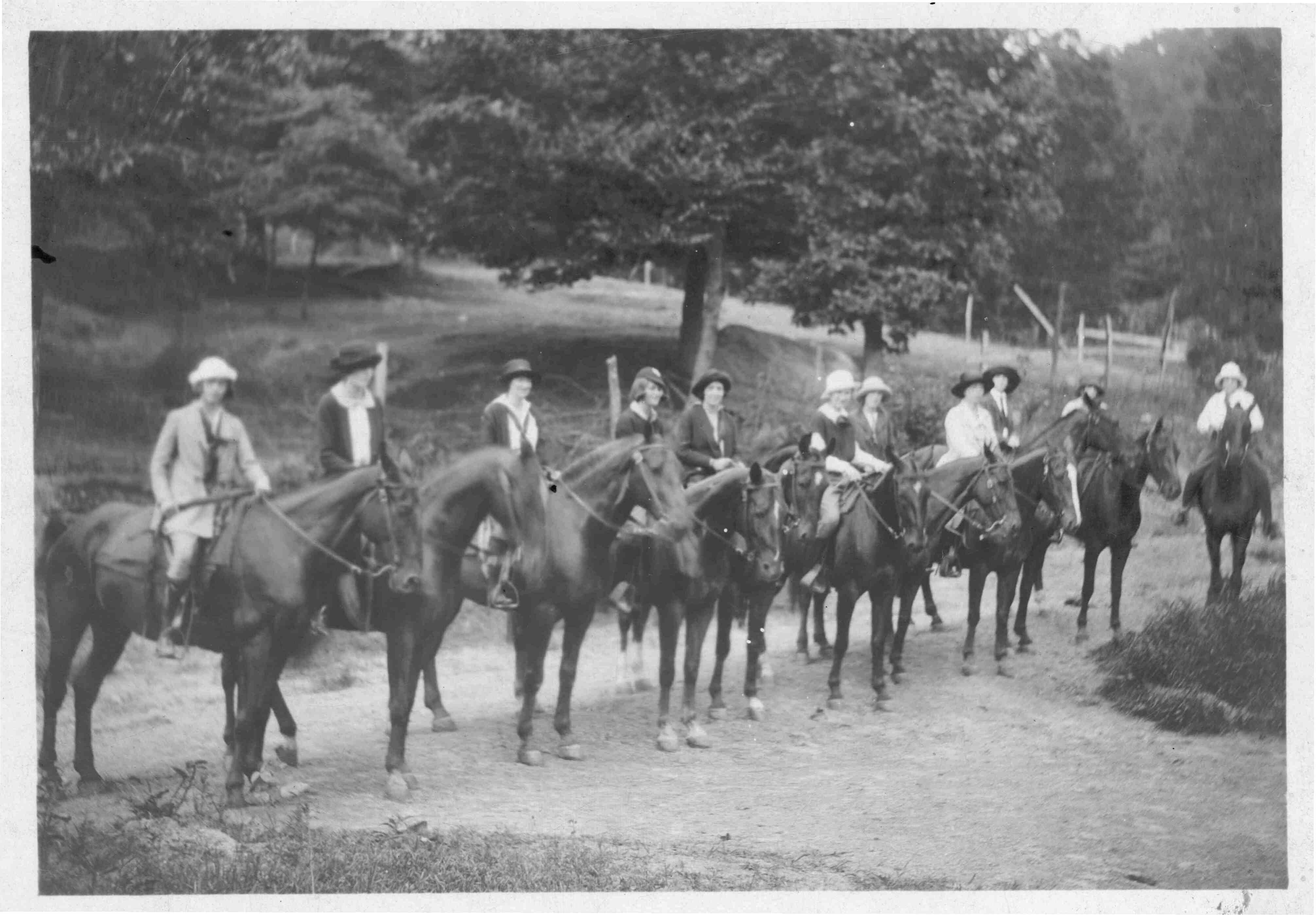
Horseback Riding at summer camp
Campers gather near the old barn for a trail ride, 1920’s

In the early days of Rockbrook, trail riding was a popular activity.  Rockbrook’s location 3 miles from Brevard was far enough from the hustle and bustle of town to allow the girls to ride to the river or down the road towards Caesar’s Head.  They also had daily instruction in the ring on what is now our sports field.  In the 1920’s, Mrs. Carrier along with the barn staff would even ride the horses over Caesar’s Head and down to Greenville to return them to their winter home. What an adventure!

Eventually, the riding program outgrew the sports field location and moved across the road to it’s current home.  This location features 3 riding rings and a jump course as well as several pastures and an inviting trail that follows the French Broad River.  We no longer ride over Caesar’s Head on horseback, but there are plenty of exciting adventures that happen down at the barn!

The Land of Waterfalls

Rockbrook Campers enjoy a waterfall hike
Rockbrook waterfall hike, 1940’s

Did you know that Rockbrook’s home Transylvania County is also known as “The Land of the Waterfalls?” Transylvania County contains over 250 waterfalls thus earning it’s nickname.  Whitewater Falls is one of the highest waterfalls on the east coast and is only a few miles from Rockbrook.  We even have two waterfalls on Rockbrook’s property- Stick Biscuit Falls and Rockbrook Falls.

Click here for a local waterfall map.  Have fun on your adventure!

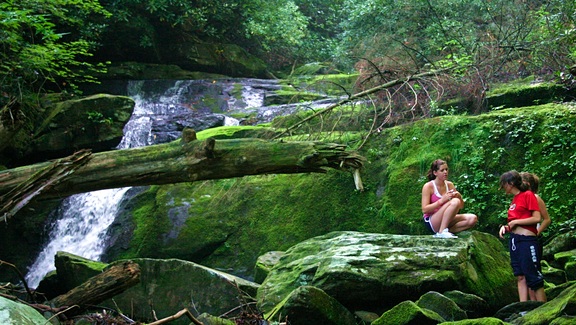
Rockbrook campers enjoy a visit to Rockbrook falls
Rockbrook Falls, Brevard NC

Rockbrook Campers at Triple Falls

Campers enjoy an out of camp trip to a local waterfall
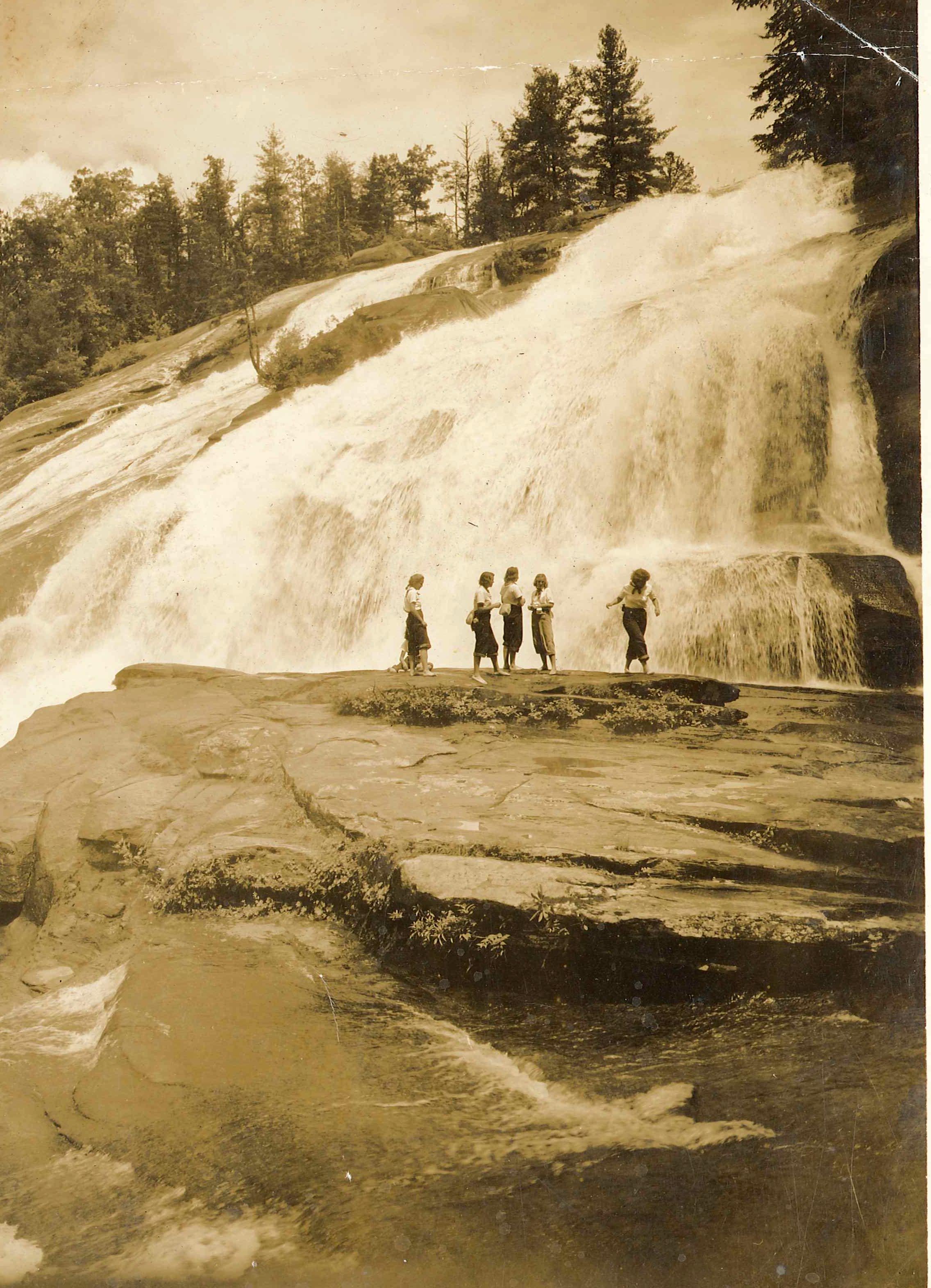
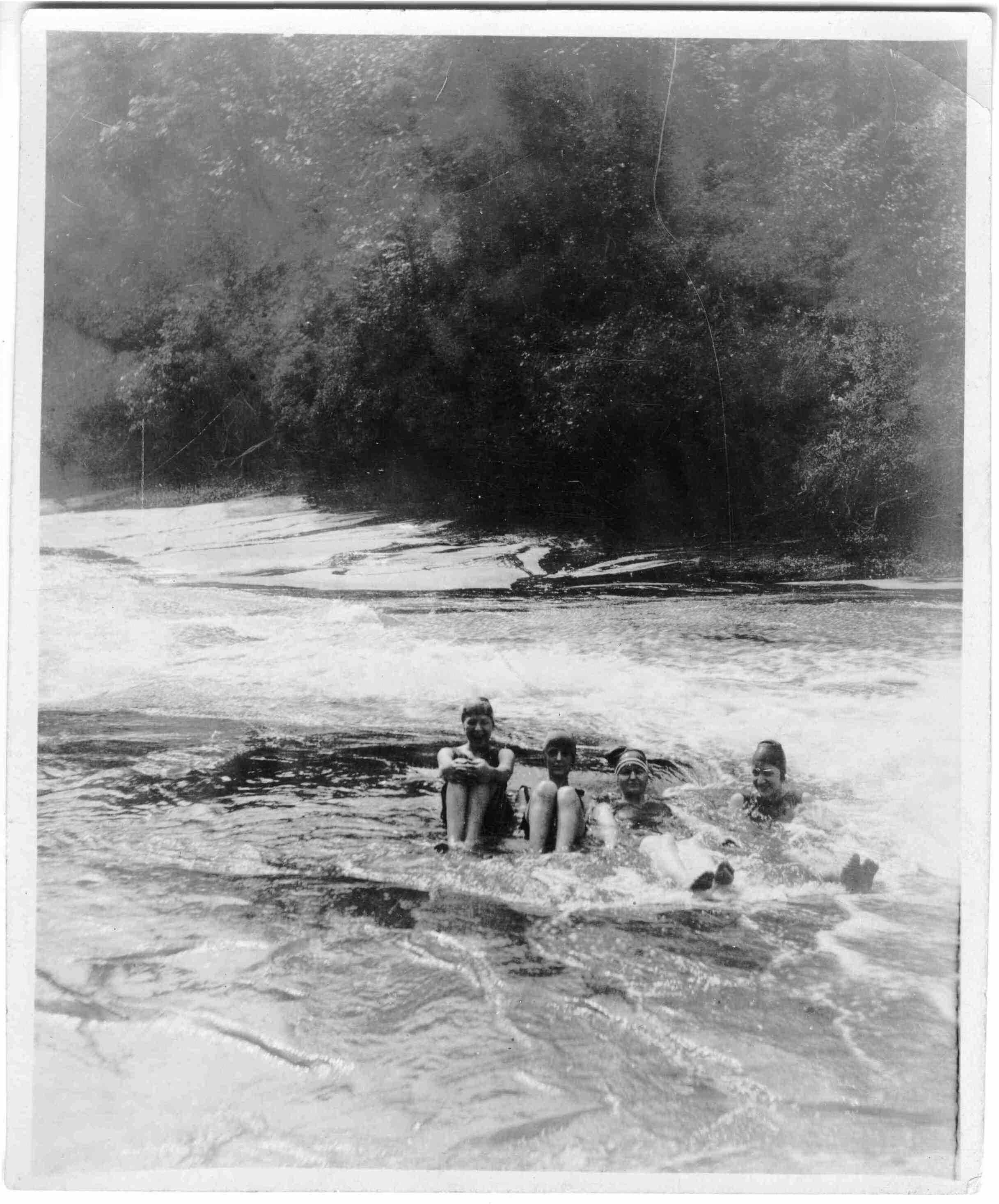
Rockbrook Campers, 1923, Triple Falls

While doing some research on camp history at the Transylvania County Library, we came across this photograph of some Rockbrook Campers from 1923.  The label on the back of the photograph indicates it was taken at a local waterfall, (believed to be Triple Falls ) which is located in today’s Dupont State Forest.    Dupont State Forest was founded between 1995-2000 and is a 10,300 acre state forest featuring over 9 spectacular waterfalls.  In the early days of Rockbrook campers got to visit these waterfalls.  At some point the property fell into private ownership and was not reopened for visitors until 1995.    We now offer our campers trips to Dupont, just like we did in 1923!

Let us know if you remember any waterfall trips from when you were a camper.  In our next blog post we will feature more about our local waterfalls.

Polar Bear Swim at Camp- Brrr!

Swimming at Summer Camp
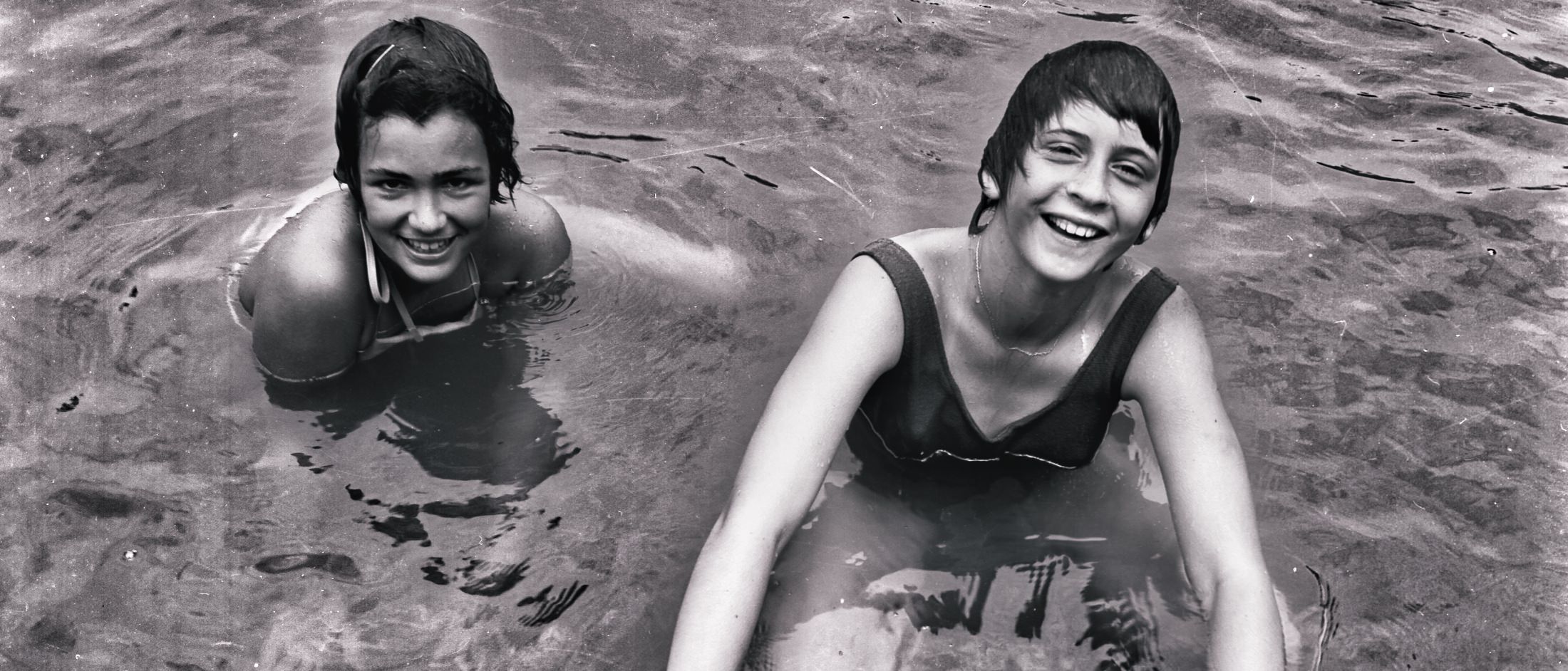
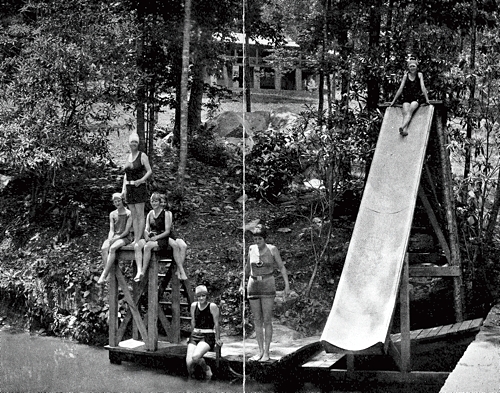
Swimming at Rockbrook, 1925

One of the most common memories shared with us from our former campers is their recollections of  Polar bear swim in the chilly lake at camp.  Campers would get up at the rising bell, and with their counselors would run down to the lake for a quick dip.  What a refreshing way to start the day!!

We found a great write up about Polar Bear in our Rockbrook Memories Book.  Jerkey, a much beloved Rockbrook director would lead the girls in their morning plunge.

“Much of the fun at camp that summer stemmed from Jerkey’s leadership.  I can see her now as she led us during those wee hours of the early morning in a series of setting up exercises before we jumped into that icy cold pool.  Somehow, even in my shivering state, she made it seem glorious thing to do.”

You will be glad to know that the Polar Bear tradition continues today and that the camp lake is as chilly as ever!!  As the camp song states: “Polar, polar, polar bear, you can be a part of it all, if you dare!”

NC Camps Impact the Economy

North Carolina Camps Ice Cream eaters

There’s big news coming out about western North Carolina summer camps. Back in March, the North Carolina Youth Camp Association and the American Camp Association, commissioned researchers at North Carolina State University to study the economic impact of summer camps in this region. Using online surveys, Dr. Michelle Gacio Harrolle and Dr. Samantha Rozier-Rich led the effort to measure all of ways camps contribute to the local economy. Certainly the camps themselves purchase local goods and services and hire regional employees, but camps also bring to the area staff members and families who likewise stay in hotels, eat at restaurants and visit local attractions.

How much does all this add up to? There are approximately 50 summer camps in Buncombe, Jackson, Henderson and Transylvania counties, so how much do they collectively add to the local economy? Or put differently, if the summer camps were hurt, how much could the economy be hurt?

Back in 1998 a similar study (same counties in North Carolina) showed summer camps generating, each year, almost 100 million dollars for local communities.

The Study Results

Today, the results of the economic impact study show a dramatic increase. The total economic impact of summer camps on these four NC counties is 365 million dollars. This is the total of direct, indirect and induced spending by the camps, their camper families and employees over one year, and reflects just how vital the summer camps are for the people in western North Carolina.

The full results of the study will soon be reported on the North Carolina Youth Camp Association’s Web site, but here are a couple of points from the executive summary.

  • 53,238 families were surveyed for the study
  • $33 million in annual tax revenues are created by camps
  • 49,665 families visited the region specifically for camp
  • $2,096 is the average expenditure per non-resident family while in the area

The effect of summer camps on local economies is far greater and more significant than most people would likely guess. With this study, we can finally quantify the crucial role camps play in western North Carolina.


The Youth Camps of North Carolina

Visitors to western North Carolina often remark that there are a lot of summer camps located in the area. There sure are! The awesome natural features of this part of NC— the highest peaks east of the Mississippi River, millions of acres of State and National forests, whitewater rivers, rock climbing crags, and beautiful lakes —make it ideal for adventure activities, cooler summer temperatures, and the outdoor setting for summer camps. It’s not too surprising western North Carolina has a long history of summer camping.

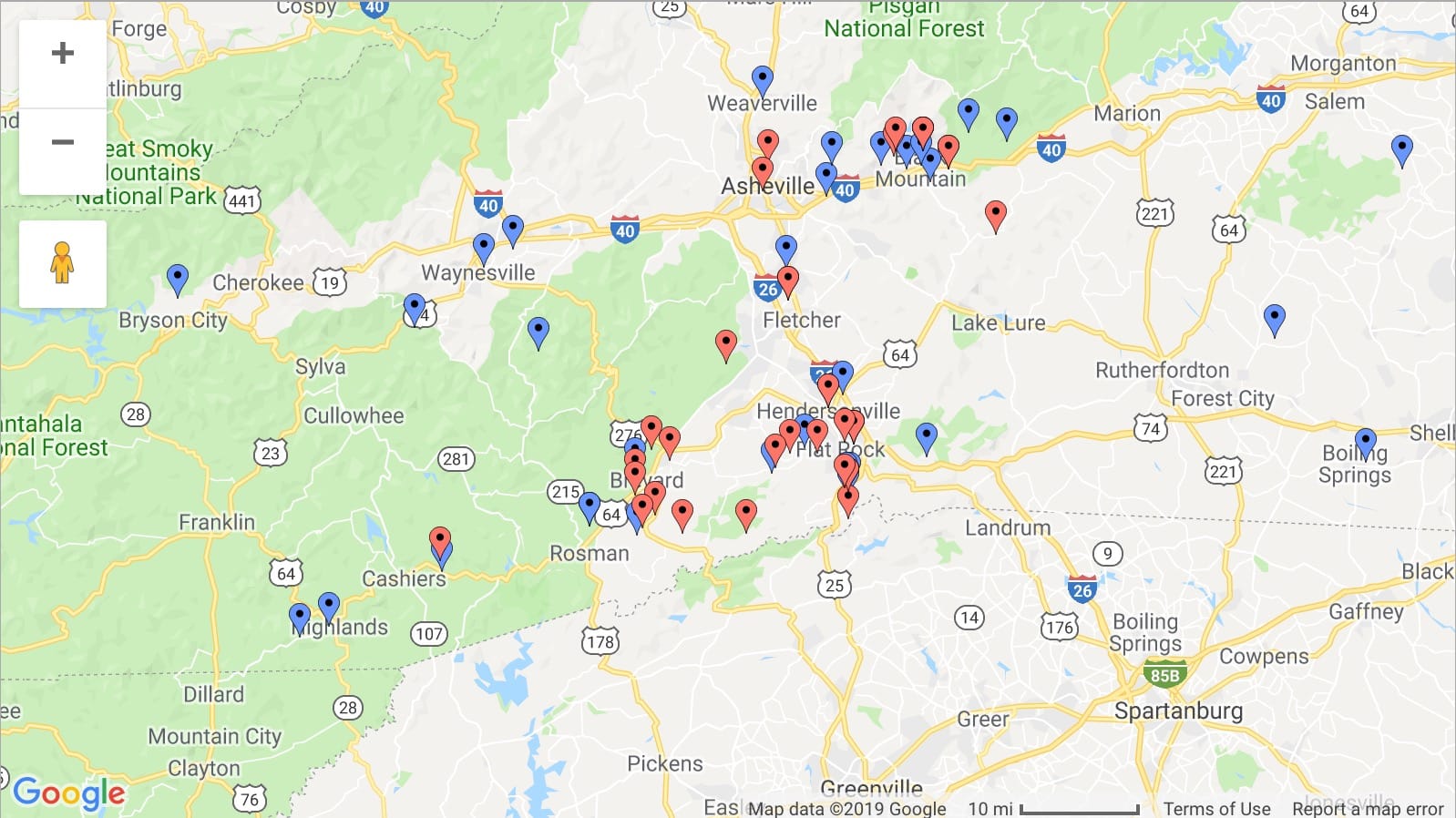
Looking at the entire state, there’s a clear pattern to where summer camps are located. Take a look at this map.

Summer Camps in North Carolina

It shows the youth summer camps in western North Carolina. In the entire state, there are approximately 186 camps, with more than half (about 90) located in the western mountains. The others are concentrated near 3 major population centers (Charlotte, Greensboro and Raleigh). Many of these are smaller day camps that serve the local communities.
The red pins are accredited by American Camp Association accredited camps, like Rockbrook. Here too, more than half of the State’s ACA accredited camps are located in the western region.

For more information about the precise location of Rockbrook, visit our NC Location page.

youth campers in NC

Fall Colors Have Arrived at RBC

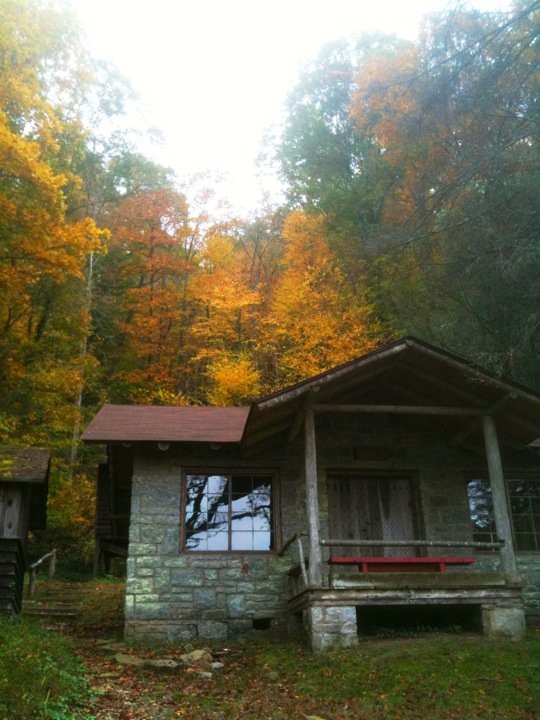
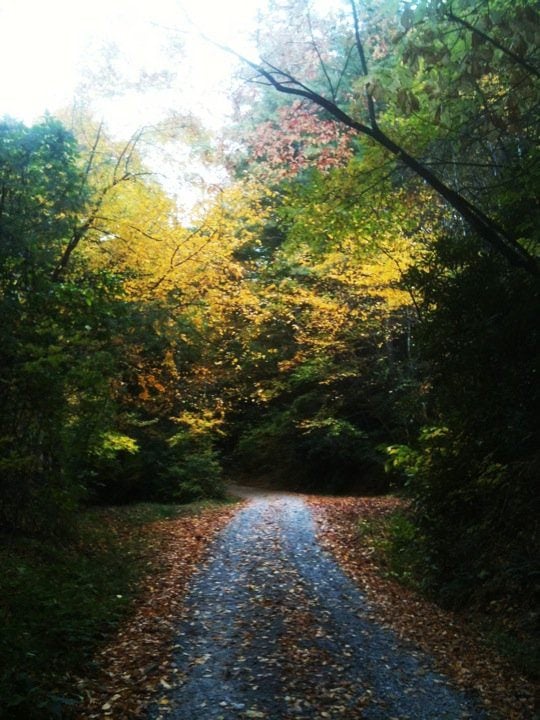
What a gorgeous time of year it is in Brevard !  The beautiful fall colors have arrived at Rockbrook and boy are they amazing.  Even though it is quiet without the sounds of summer, it is a wonderful time to see the splendor of the changing leaves.  The smells of woodsmoke and the crunching of the leaves are magical!

Take a short walk around the heart of camp and you’ll see bright popping color in every direction. The Junior Lodge is speckled with yellow leaves. The giant maple tree in front of Curosty proudly displays a show of red and orange. The walnut tree in the center of the hill is littering the ground with black walnuts.

Every trail in the camp is a multi-colored cascade of delight.

Here’s to the changing of the seasons!  Happy Fall everyone.