


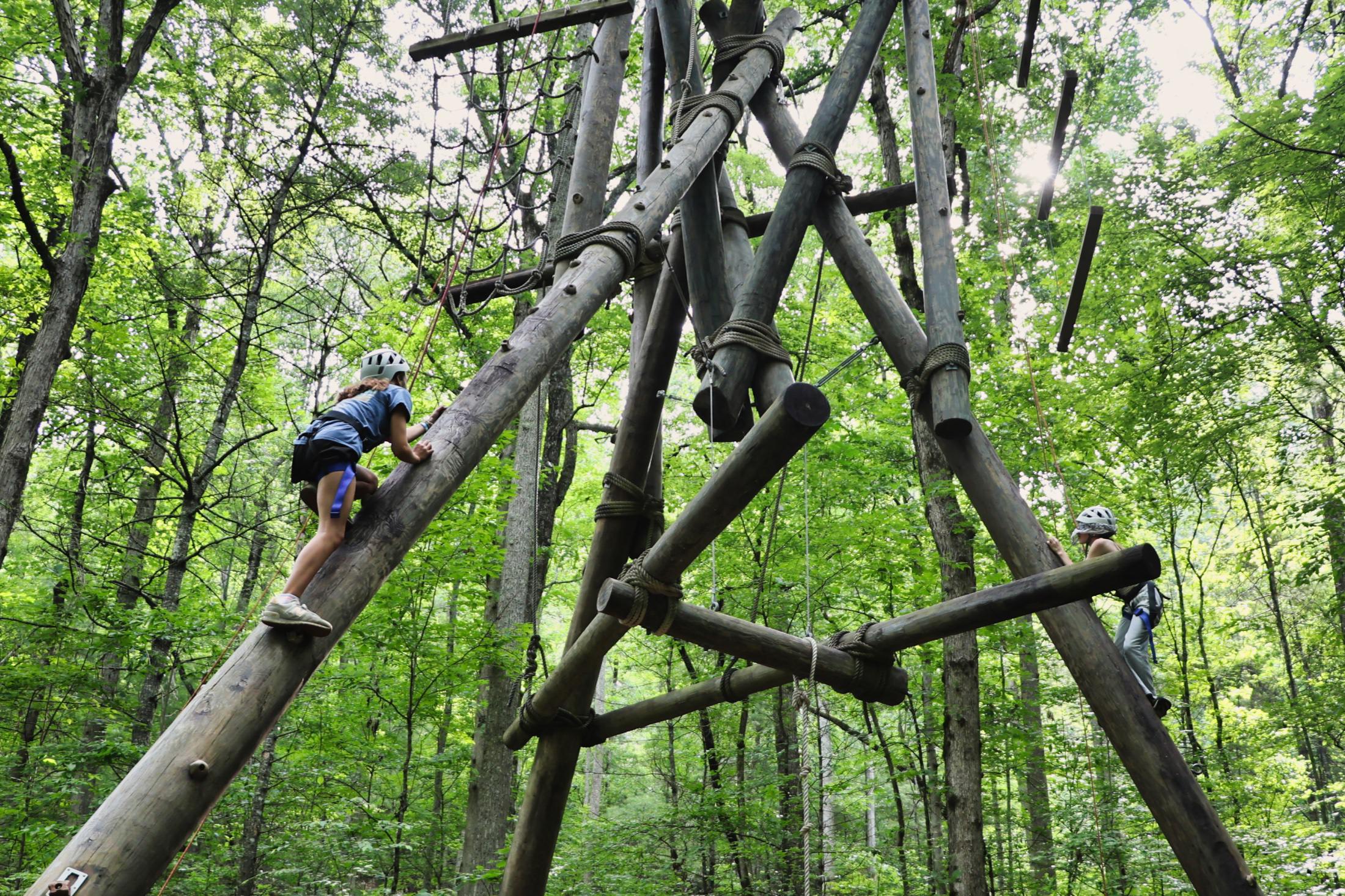
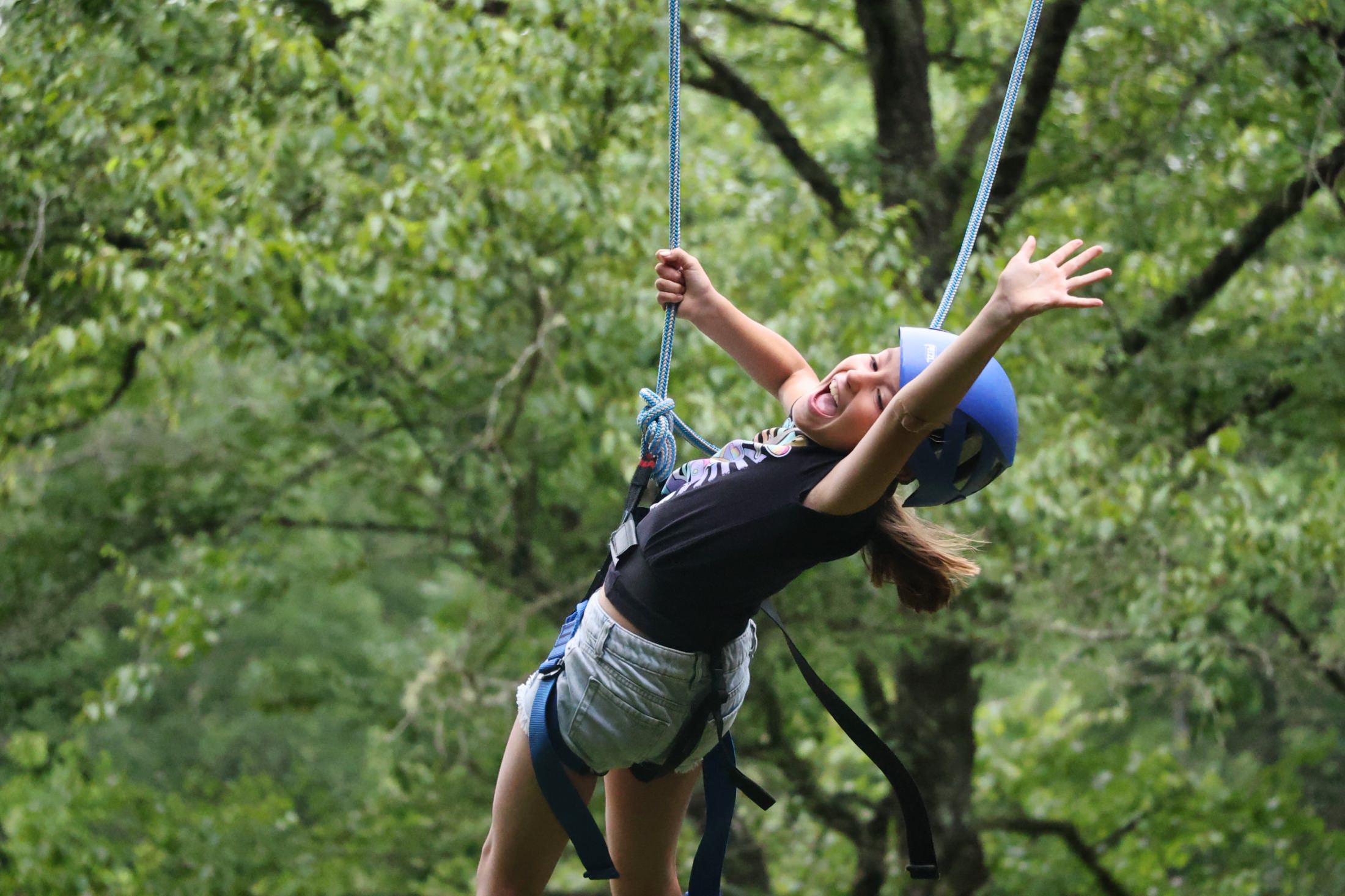
A very small Junior stood at the base of the Alpine Tower this week, tipped her head all the way back to take in the whole thing, and announced to nobody in particular, “This looks hard!” Then she watched her belayer tie a figure-eight knot to her harness, and surprised everyone, probably even herself, by climbing all the way to the top. She was right about it being hard, and she went anyway. Whatever hesitation she felt in the moment, she moved through it, and she quickly found herself looking down from fifty feet in the air. All over camp these first few days of the session, this has been true. We’ve seen how making the decision to try is the most important step when encountering something new. It’s remarkable, really. And if you think about it, trying is the first step of courage.
Give It a Go
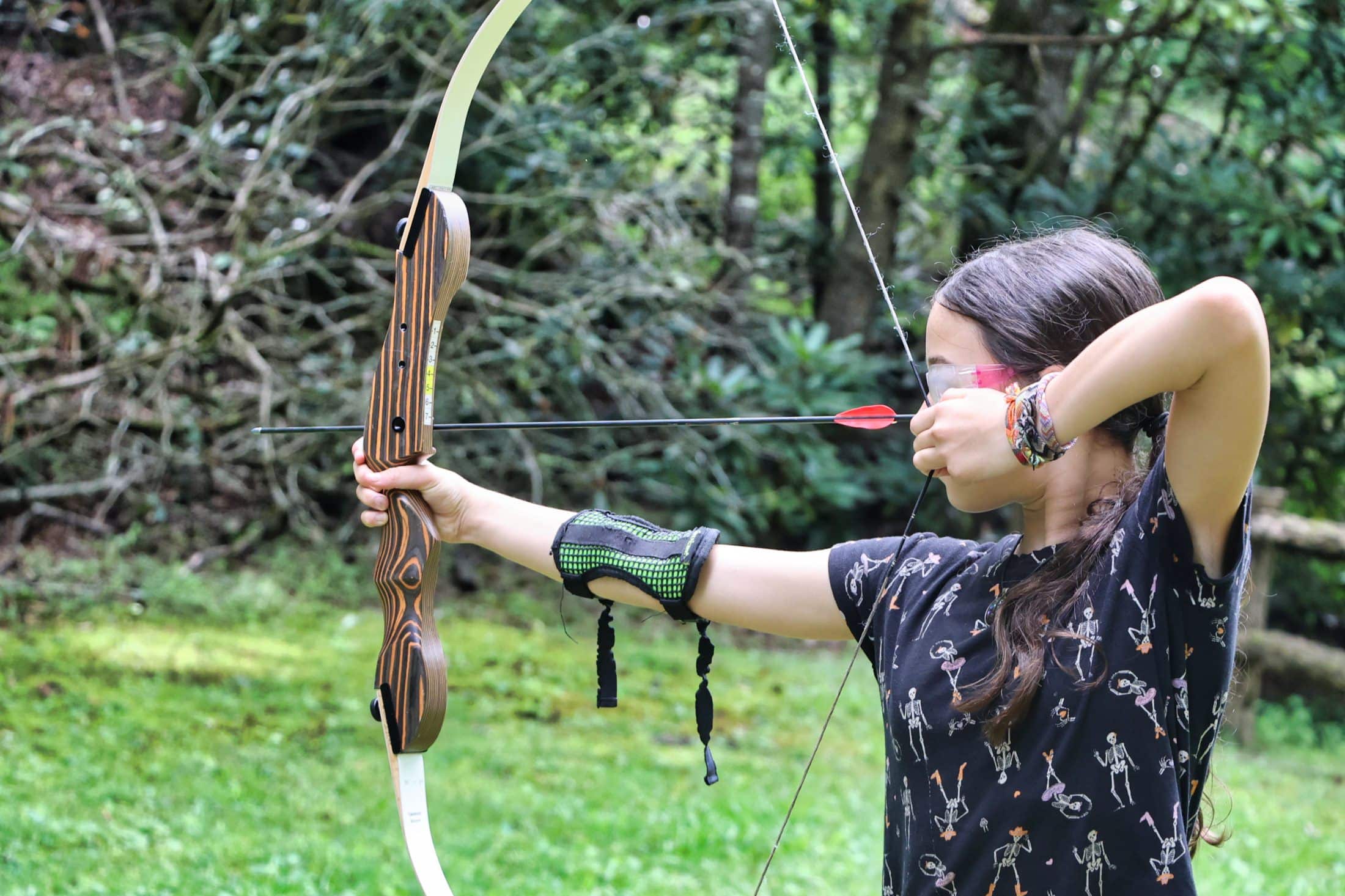
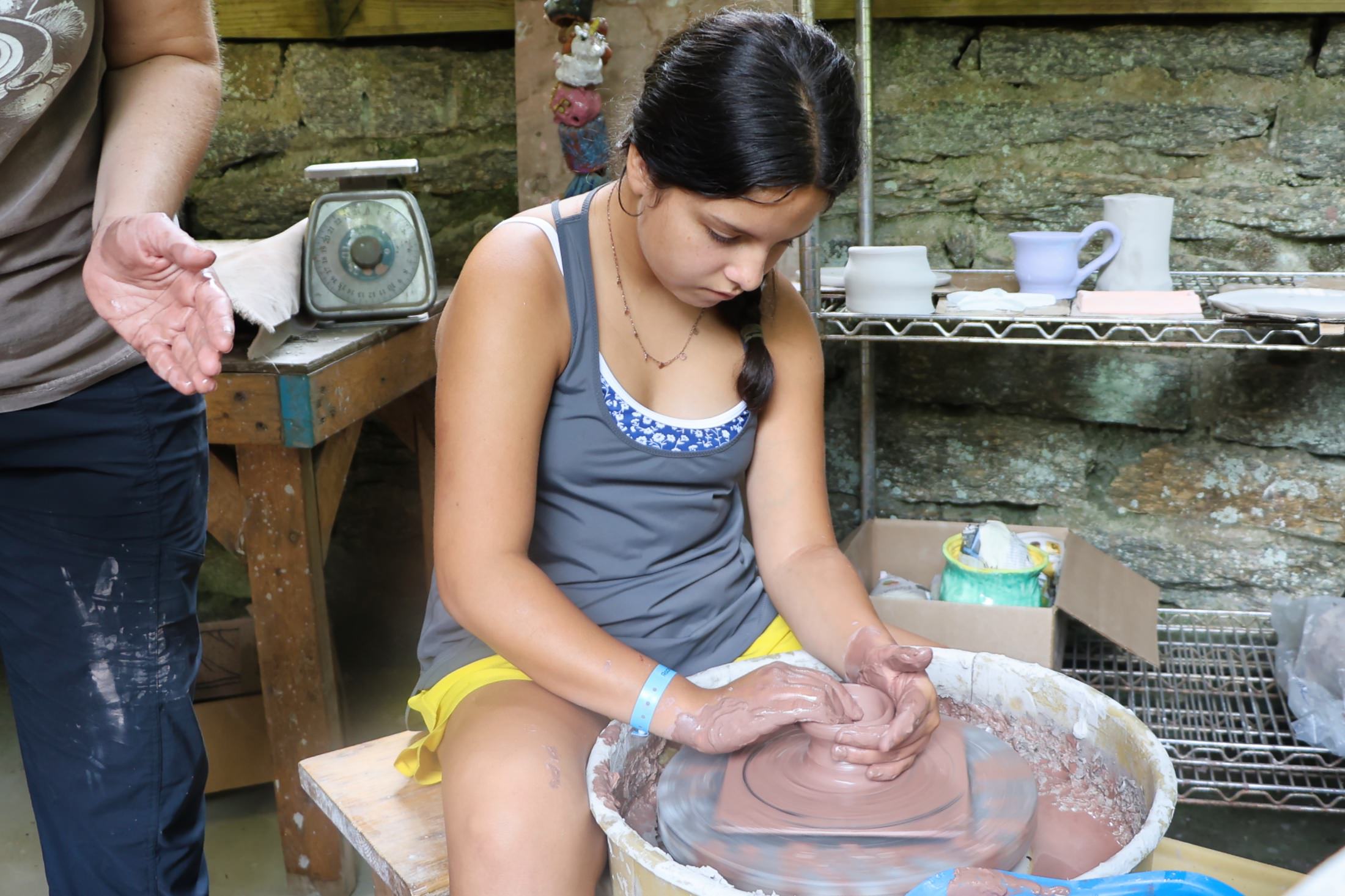
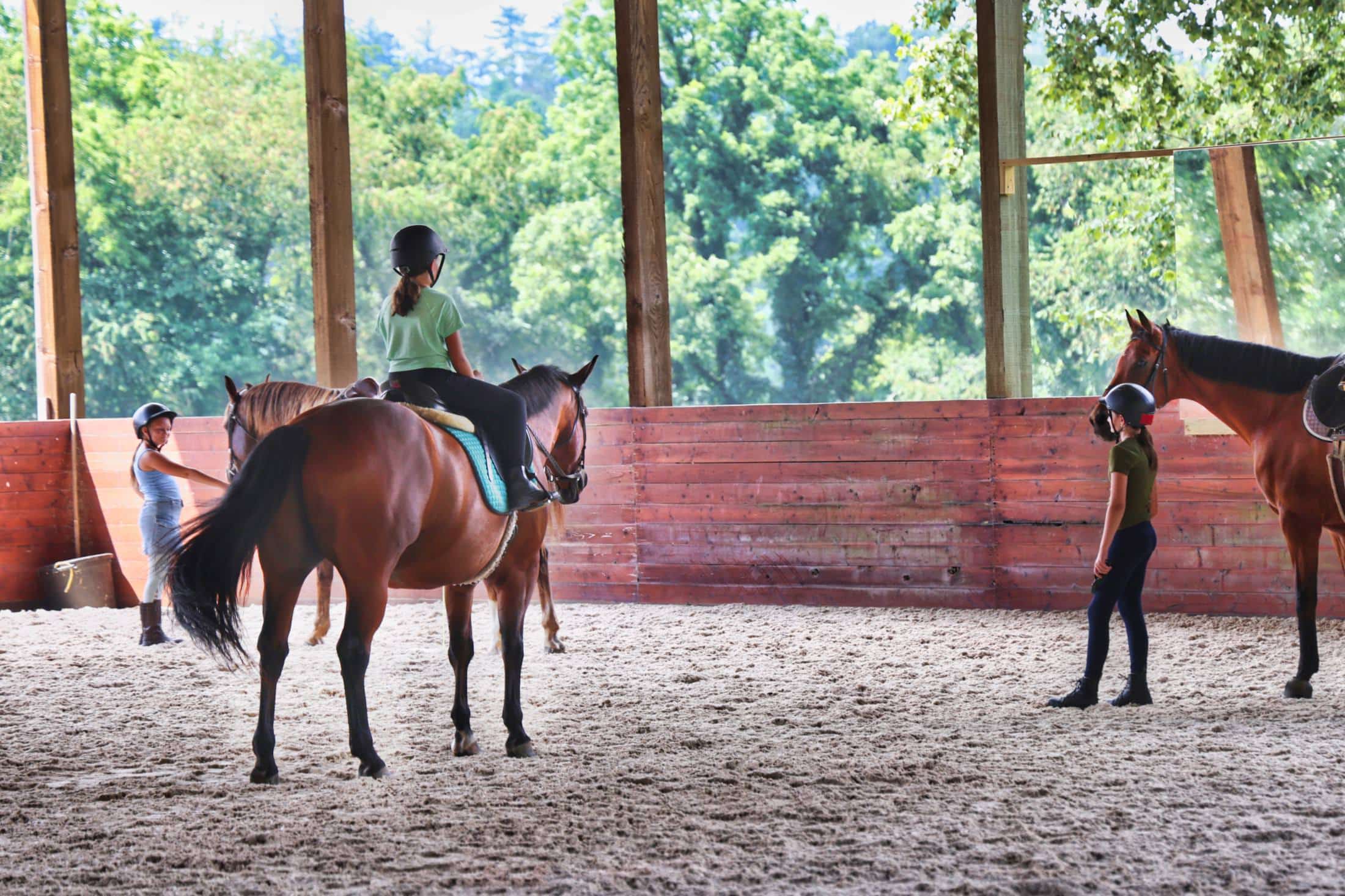
“Giving it a go” is a phrase that covers a lot of ground on the first days of activities. It means tying into a belay rope that stretches up toward the top of the Tower. It means sitting down behind the pottery wheel with nothing but a ball of clay and only a vague idea what’s about to happen to it. It means hoisting yourself up onto a thousand-pound animal and taking the reins, or perching on the edge of a raft as it bounces and splashes down a chilly river, or drawing back a bowstring for the first time and watching the arrow sail somewhere a bit short of the target.
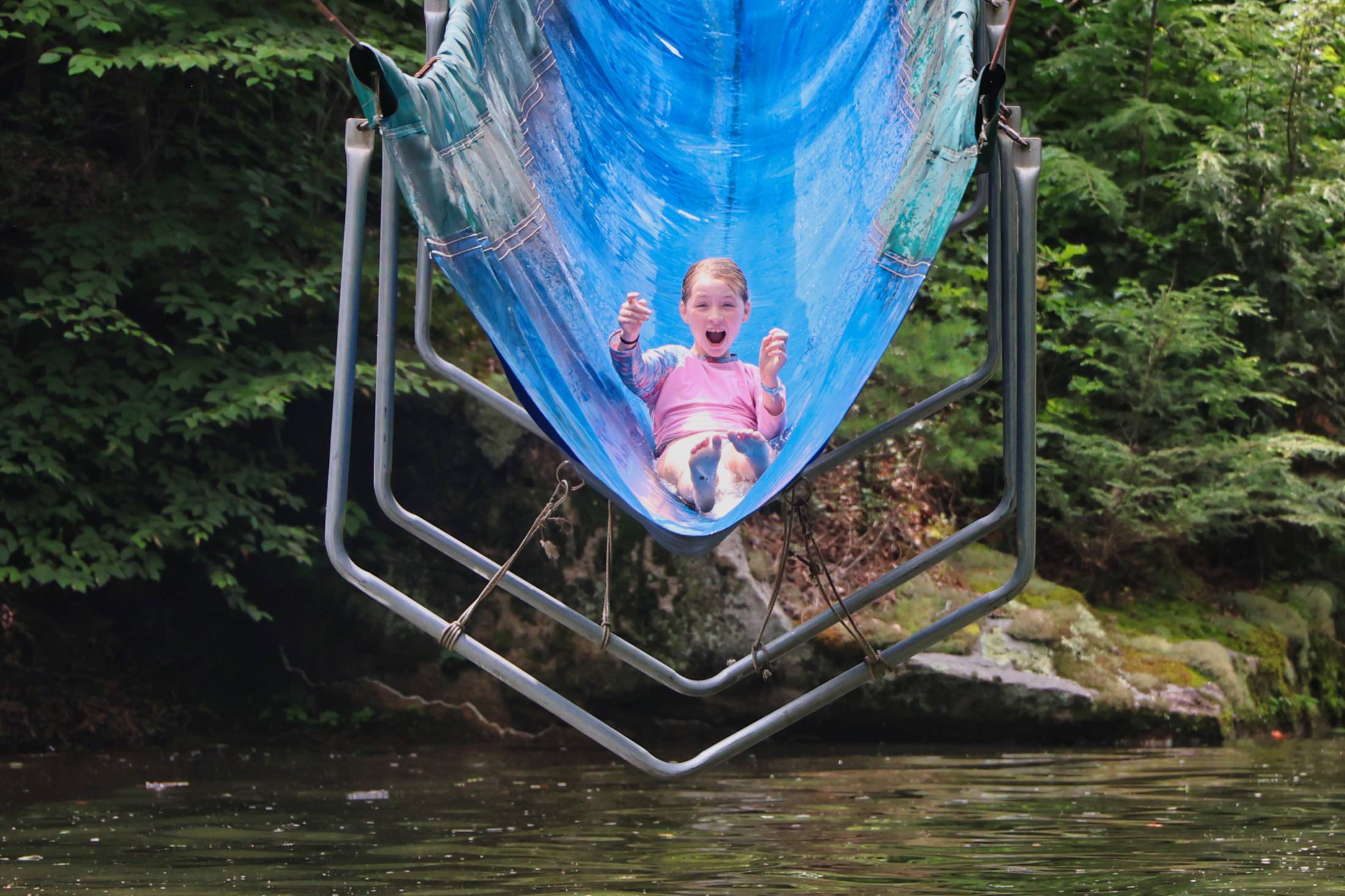
The zip line course puts the whole thing on display right away. The very first zip asks a girl to leap off a rock, out into open air, trusting a harness and a pulley she met roughly ten minutes ago. It just about always elicits a scream. It also, just about always, produces an enormous grin somewhere in the middle of the ride, the two arriving so close together that you can watch a girl change her mind about herself in real time. Almost none of these girls arrived with much experience. Several of them, if you asked, would tell you flatly that they’re not strong enough, or coordinated enough, or artistic enough for the thing they just signed up for. Despite the uncertainty, the fear of “what might happen,” they try. They do it anyway.
The Deciding Is Hers
This can be quite different from trying something new at home. With parents (or siblings, or teachers, or coaches) in the mix, the path is often smoothed first. But at camp, no one is here to talk her into it or talk her out of it, to check the weather, to hold her place in line, to choreograph any aspect of the experience. Rockbrook campers look at the list of activity options, make their selections, and show up. A great many children today grow up in households where the adults handle nearly everything, and one honest consequence is that a kid can reach ten or twelve years old without much firsthand evidence of what she can manage on her own. Camp hands that evidence back to her a dozen times a day.
Yes, trying all of the activities is part of it. But there’s so much more. She tries the homemade chickpea salad at lunch, and it turns out to be pretty good. She sits down at the jewelry-making table where she doesn’t know anybody and starts a conversation. She finds out that an afternoon can be entertaining without a smartphone, that she can share a room with nine other people and help sweep up in the mornings, that she can stand up in front of a hundred girls and be ridiculous in a skit. By bedtime she has tried more new things that day than she might in a month at home. This is camp life, a mosaic of trying new things. She almost certainly hasn’t noticed, because it’s also really fun.
Safe, Expected, and Rewarded
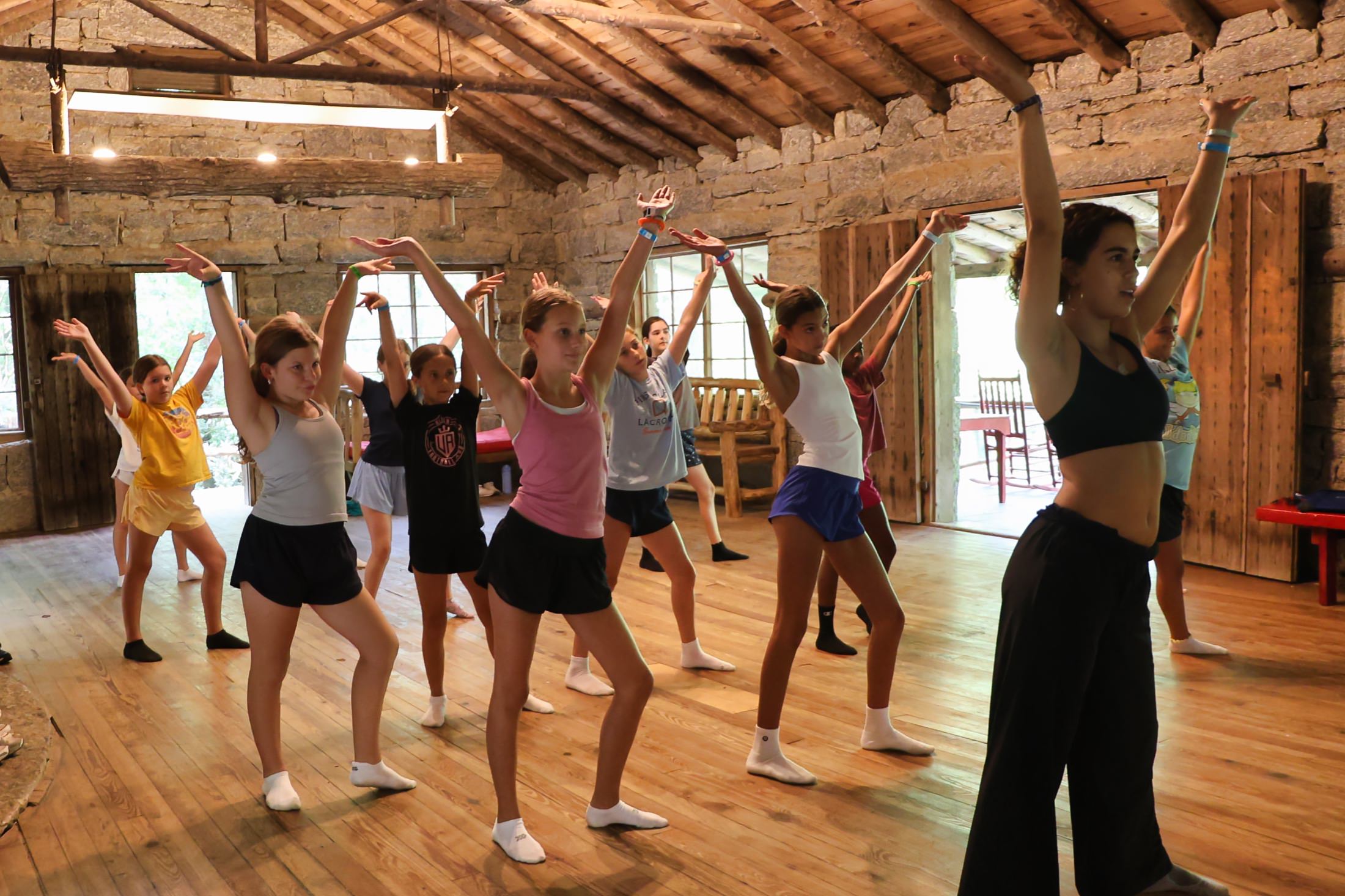
Quite intentionally at camp, we’re doing whatever we can to encourage this sort of trying. We do that by organizing our days so that trying feels safe, so that it’s routine rather than exceptional, and so that it gets noticed. Our daily routines are rehearsed until they’re practically invisible: where your activity meets, the rhythm of Muffin Break in the morning, what to do when you feel sick, who to find when you need help with just about anything at all. When deciding things and trying things are routine, the feeling of uncertainty and the pangs of self-doubt fade, making it easier to begin.
We also let girls start small. A camper takes two steps up the Tower before she takes twenty. A first friendship bracelet is four strings and one pattern. A tennis forehand begins with a ball tossed so slowly it seems like a joke. Each of those is a rung, and a girl who has climbed a few of them meets the next one with moments of clear accomplishment behind her.
And when she does try, what we praise is the attempt, the thinking behind it, the willingness to come back and try again. Even if the pot collapses on the wheel, or the dive into the lake is off balance, there’s a joy in trying at camp. When girls are surrounded by genuine encouragement, “I can’t” becomes “I haven’t yet.” Trying becomes something that’s always possible.
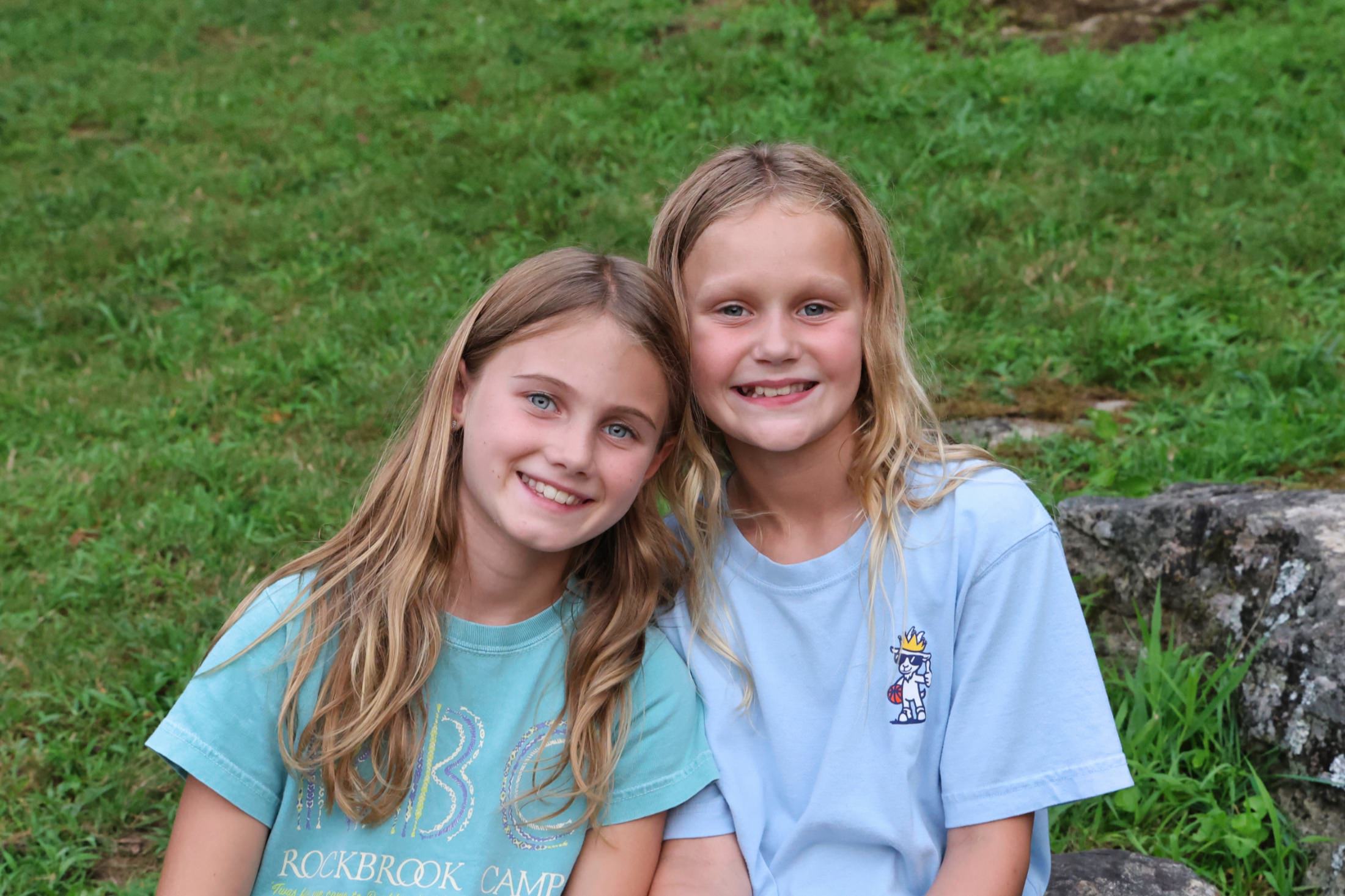
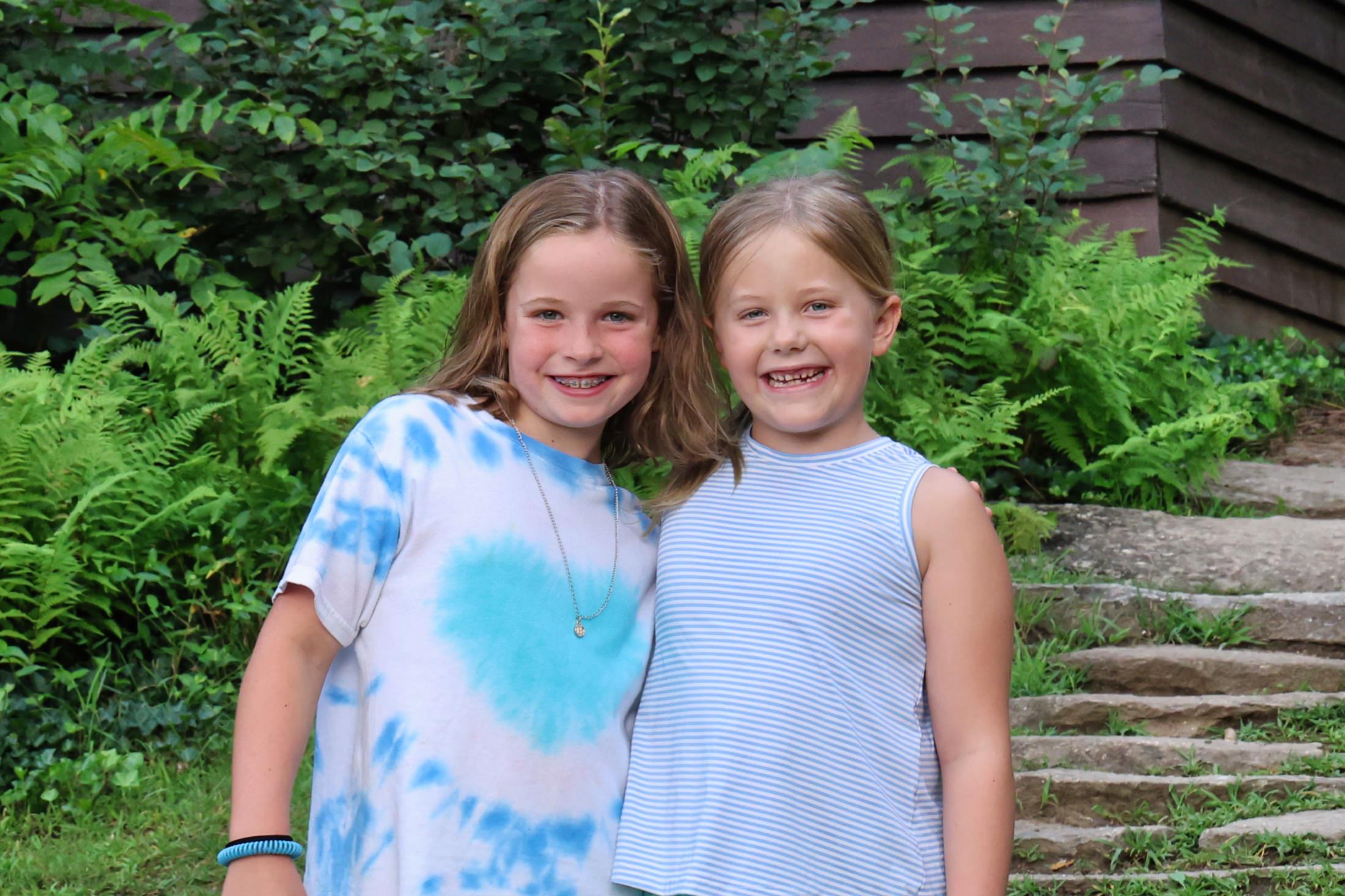
And then there are the other girls. Around here, trying brings cheers from friends nearby, cabins pulling for each other at every move. At the end of the day, when the girls go around for “Rose, Bud, and Thorn” (something good, something you’re looking forward to, and something challenging from your day), somebody always mentions trying something new. Rockbrook’s culture puts our relationships with each other first, which means no girl here tries anything alone.
Later tonight, after evening program, when the cabins go quiet and the creek behind the Curosty cabin is the loudest thing in camp, none of these girls will be thinking about courage. At camp today, they tried some things, and a few went well. That’s the whole report. They decided to try.
This is a really excellent piece of writing, and conveys your philosophy so well.
I’m really happy that my granddaughter Mia is one of your campers. She’s with you for this session and is very excited about helping to plan the final banquet.
Jean Houston