
More Benefits of Youth Camp

Camp Benefits Girls

I spotted an article discussing how parents can understand why residential summer camps are worth their cost. It’s true; sleepaway camps are usually expensive and can cost between $1000 and $2000 per week. And while it’s also true every summer activity (e.g., other educational opportunities, extracurricular activities, family vacations, trips, and entertainment) costs something significant, what are the unique benefits of an overnight camp experience that can justify its price?

First of all, the American Camp Association has a lot to say about the benefits for youth of attending summer camp. We have written about it before here and here (and especially here!), but you should visit the ACA Web site to see what they say.

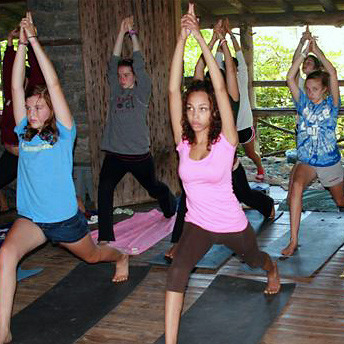
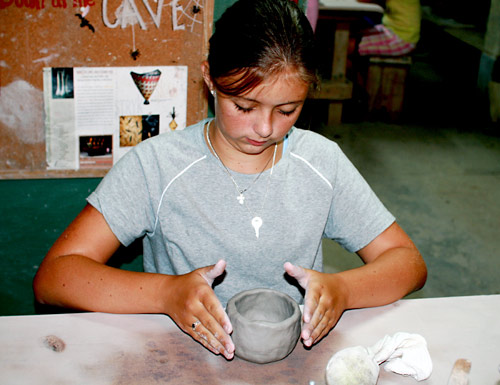
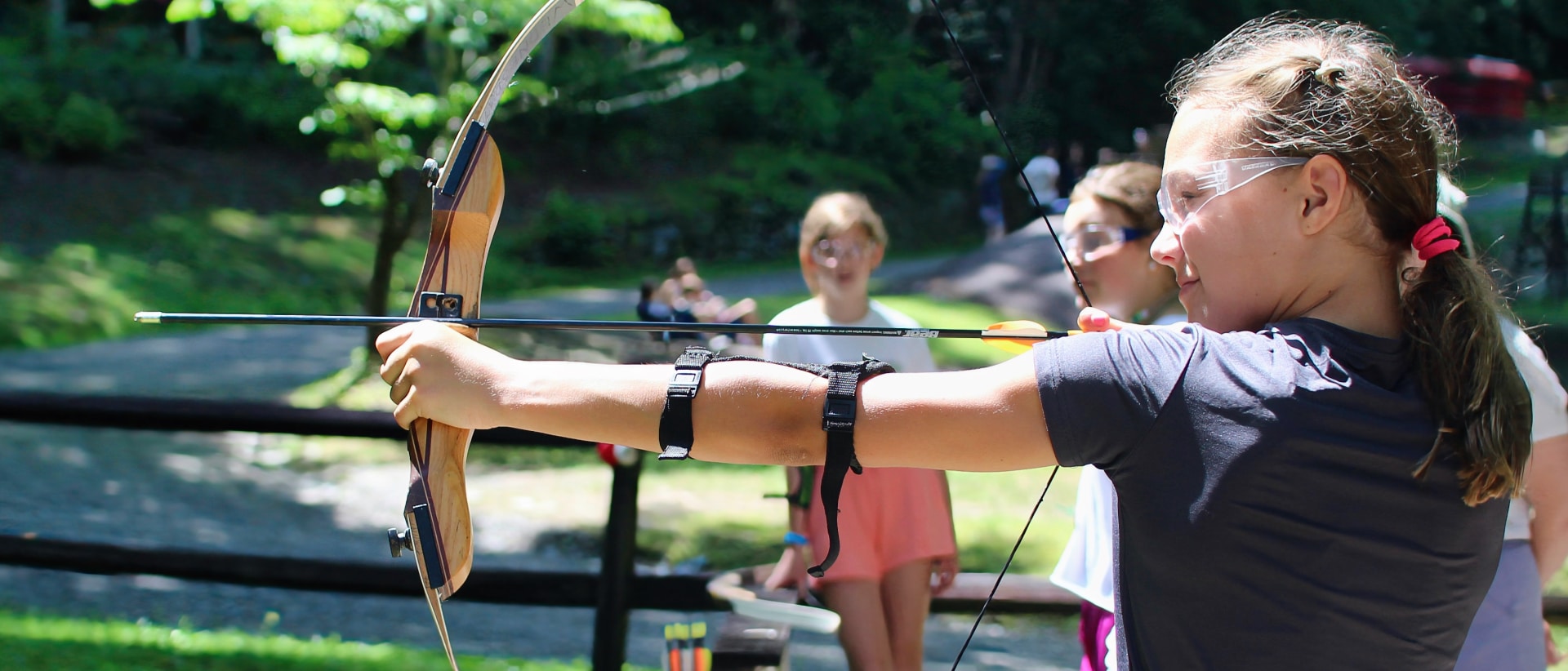
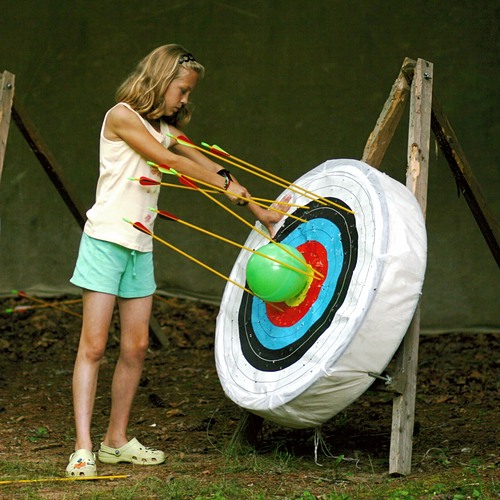
One clear, obvious benefit to camp is the fun and concrete skills kids gain from the wide range of camp activities available.  By trying everything at camp, girls learn how to be an archer, a swimmer, a knitter, a tennis player, an actor, and a horseback rider, to name just a few.  They learn to do things, exciting new things that can easily turn into life-long pursuits.

Perhaps more importantly, a quality camp experience provides kids intangible benefits as well. Here’s how one camp director in the article put it.

“Besides all the exciting activities and friendships made, the immense value in camp comes in the development of key lifetime skills and attributes such as confidence, cooperation, communication, new skills and decision-making, to name a few. Camp goes beyond a summer session. It’s unique in that it really is about each camper developing their best self for life… In that regard it is priceless.”

More than other summer activities, a sleep away summer camp experience endows children with valuable life skills, provides positive adult role models, supports them with consistent encouragement, and all within the kind of well-rounded wholesome environment all too rarely found these days. These are lasting benefits that can really make a difference in a child’s life as she becomes an adult.  It’s pretty clear; with that kind of benefit, camp is definitely worth it.

SC Camps in the Mountains

South Carolina Summer Camp Girls

Looking over the listing of girls attending Rockbrook, this summer and in the past, it’s interesting to see how many campers are from South Carolina. It’s not too surprising if you realize a couple of things about RBC.

First of all, camp is located only about 8 miles from the South Carolina border. You have to go up the mountain to get here, but you can drive to Rockbrook in less than 6 hours from just about anywhere in South Carolina. Here’s a map showing camp’s location.

There is also a long tradition of Rockbrook directors being from South Carolina. For example, our former director “Jerky” (Ellen Hume Jervey) was a native of Charleston, SC.  Later, the Stevensons and the Whittles where also from SC.

Another thing to appreciate is that before air conditioning was common in the south, heading to the mountains was the best way to cool down in the summers.  South Carolina summer camps would even establish outposts in the “upstate” for this reason.  It’s hard to beat the mountains in the summer!  If you’re from Columbia or Charleston, you know what I mean.

Unplugging at Camp

Kids Enjoy Summer Crafts without Technology

Spotted a nice article about summer camp in the American Way Magazine. It’s called “Summer, Unplugged.” The author, Winston Ross, interviews several camp directors and camp kids to find out what’s so attractive about being at camp. There’s a lot of good stuff to read, so you should go check it out.

One thing that stood out for me, was the discussion about technology and how camp is so nice because it doesn’t have cell phones, video games, television and the Internet. Campers admit that it’s really tough to give that stuff up at first, but once they settle in at camp, they appreciate being “unplugged.” One girl put it this way.

“It’s kind of like a symbolic way of stepping out of the real world,” she says. “It allows me to take off from home, leave my worries, thoughts about college, and stress behind. I just go escape.”

What Unplugging Unlocks

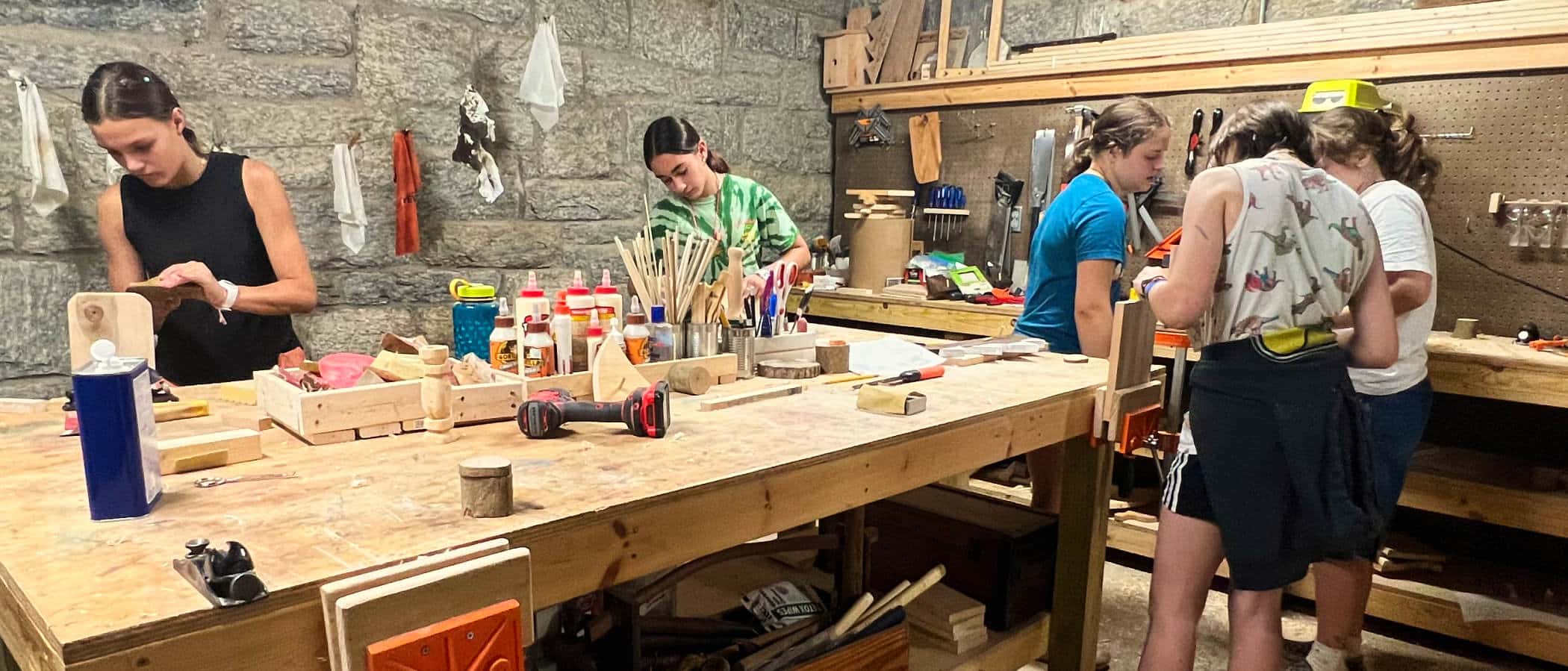
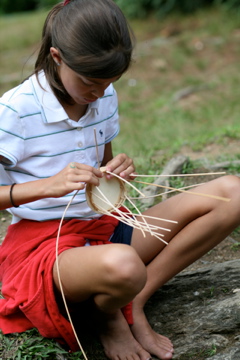
Turning off your technology allows you to really engage all of what camp offers— the real friendships, the physical activity, and the chances to explore and discover the natural world. Instead of being entertained by a flickering screen, you get to create a fun time with your friends. You get to actually do really cool things instead of just sitting around “watching” something. …Take off your shoes, soak ’em in the creek, and let’s make a basket.

When you think about it, there’s a lot more to life, to being human, than “facebooking,” text messaging, and watching “reality” TV. These days, it takes a real effort to get past all of that so you can exercise those more important parts of who you are. Camp is special place to help with that effort. It’s perfect for reminding you that life is more fun in the real world.

A Case for Summer Camp

Kids Camp Friends

Head on over to the Chicago Tribune web site and read a fantastic article by Josh Noel entitled: Making a case for camp: This summer institution is old-fashioned — and as relevant as ever.

Describing a camp in Michigan, the article reminds us of why camp is so important to kids. As we’ve mentioned before, the benefits are so crucial given how most children these days find themselves at school and at home.

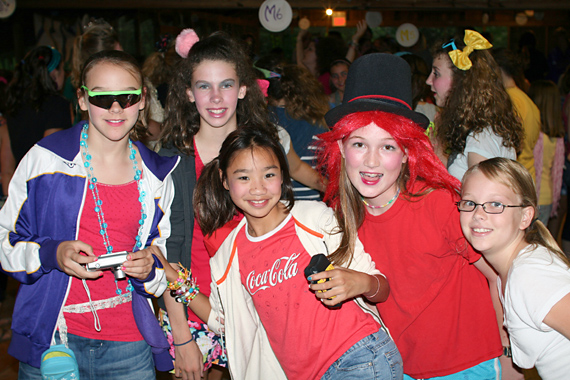
Anyone who has been to summer camp knows that the relationships are like few others. Friendships form quickly, intensely and with open minds. Even if camp friends don’t keep in touch long-term, what has been shared is long remembered. For many, it provides best moments of your life.

Camp is an open and friendly place. It’s where you can put aside your reputation from school, avoid a lot of the drama, and just relax into who you really are. That’s a big part of why you make your best friends at camp; you’re not trying to impress or be someone else. It’s just you, and you soon see, that’s just fine.

Once you experience it, you understand it, and you too will be coming back to camp for the friendships it provides.

A Rockbrook Sunset

Kitimama Logo

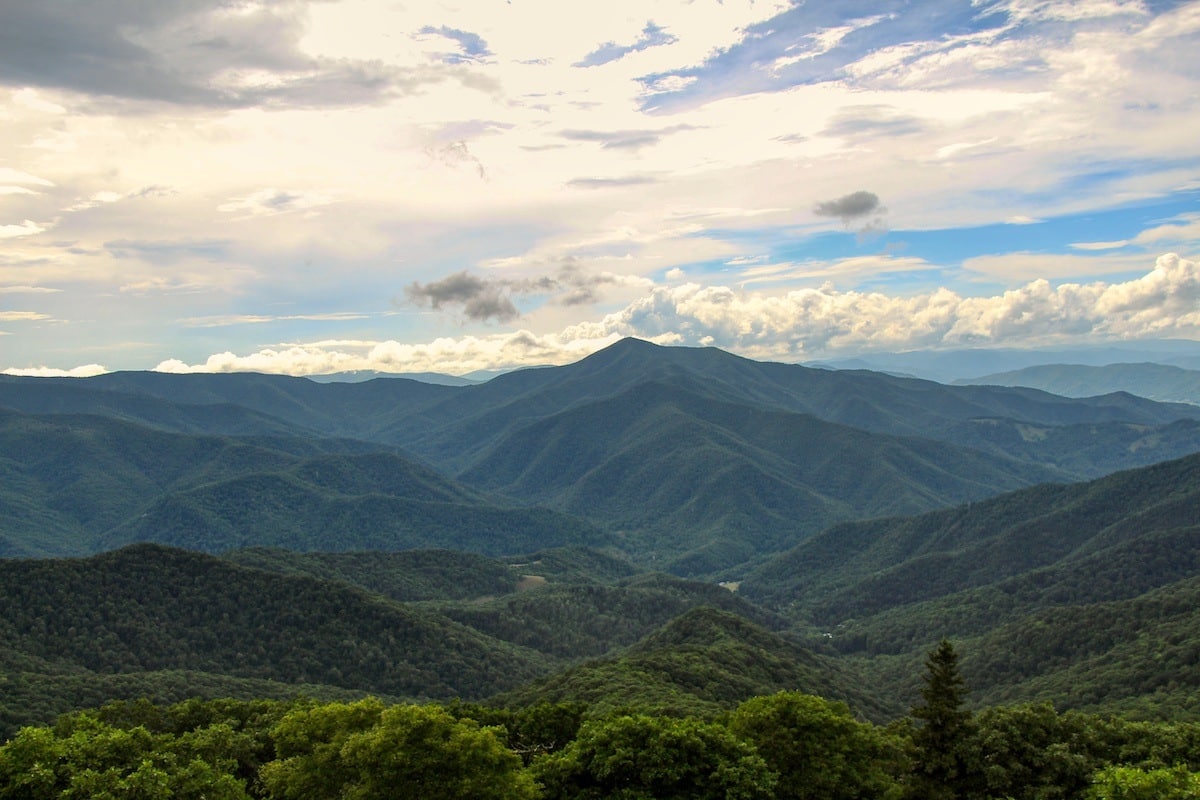
If you’ve ever spent time at Rockbrook, you know that it offers amazing sunsets. The camp is tucked on the eastern slope of a hill so as the sun sets, you just have to look up and you’ll see a real treat. Former counselor Kit, who recently returned for our alumni reunion, just posted on her blog a great collection of photos showing a sunset from that weekend. She also writes a little about her first experience of Rockbrook and why she loved it so much.

Don’t miss it! Go visit Kitmama’s Pensieve.

Camp View

Play Outside this Summer!

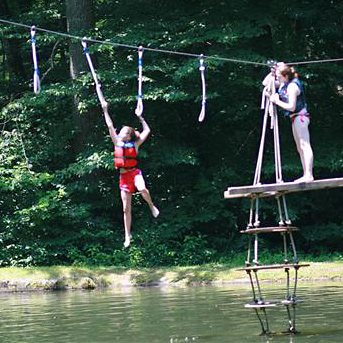
One of the tag lines we often use to evoke Rockbrook is “Play outside this summer.” You can see it all over our website, on a lot of our printed materials, and even on a t-shirt or two. We really like how it’s a great summary of what camp involves— spending a lot of time outside and a lot of time playing.

Girl Friends Outdoors

It’s particularly neat to realize that by fostering both outdoor experience and group play, camp makes both of these better. Compared to being inside, it’s just more fun to play outside, and being outside encourages imagination and physical activity, two powerful stimulants to play. Outside you get to run around, be free of all those indoor limitations (having to avoid noise, messiness, walls), and become whoever the game requires. Outdoor play is also usually a group activity. It certainly is at camp. You and your friends make it happen. You build important relationships when playing together. These are real human connections that tend to run much deeper than those found in-doors or in school. Perhaps this begins to explain why girls say their camp friends are their absolute best friends; they are friends formed while playing outside. The things that make outdoor play better are the forces that make camp friends so strong.

What do you think?

Camp Food and Kitchen

One of the most common questions we hear is “What’s the food like,” which translates into,  “How often do you eat tater tots and chicken fingers?” The answer is, not very often! The kitchen strives to find that balance between kid-pleasing-comfort-food while at the same time being health conscious. There is always a deluxe salad bar at lunch and dinner and a vegetarian option at all meals.

Corey
Corey

Rick Hastings was our Head Chef this year. He has a background in vegetarian cooking and has also worked at a camp before. He and his fabulous kitchen crew welcomed campers into the kitchen to help prepare the day’s meals and snacks –  including muffins for the daily mid-morning muffin break!

Shucking Corn for Dinner

Here is what the Senior linehead counselor, Sarah Thompson, said about the food and kitchen staff this year:

IMG_4171_m
Food tastes better prepared with a little love!

“I cannot praise the kitchen staff highly enough. A happy camp is a well-fed camp and they feed us exceedingly well! The magic started during  staff orientation (Capers? Fresh Basil? Is this really camp food?) and did not let up as the summer weared on. The food is healthy, innovative and delicious.

What impresses me the most, though, is the staff’s attitude. They are unfailingly helpful and upbeat, even when faced with hordes of hungry and demanding people.  More importantly, they realize that the kitchen affords valuable opportunities for the camper. The kitchen staff has opened its doors to several campers this summer, allowing girls to assist. Often, they are girls who are somehow most in need of the opportunity. There are some places at camp – the climbing tower, for instance – where girls are clearly going to gain confidence and other skills. This year’s kitchen staff has turned the kitchen into such a place for campers. The knowledge, independence and self-confidence they have instilled in the girls is nothing short of amazing.”

“Cooks you made a wonderful dinner! You know we’ll never get any thinner!” – From the Cook Song

Camp is a Refuge

Cute Little Camp Girls

We hear this a lot, actually: that camp is a refuge.  It’s a place where girls can escape the busy, sometimes overwhelming pace of their regular lives.  For many young kids, each day is a bombardment of stimuli, new information and entertainment.  There are school responsibilities, social demands, and activities at home all demanding attention.  Increasingly, parents have noticed that the intensity of their children’s lives is making them more anxious, fearful, and worried.  There’s so much going on, it’s difficult for kids to really connect with the people (family and friends) around them, adding even more to the burden of handling everything on their own.  Everything around them seems to be shouting, and sometimes it’s just too much!

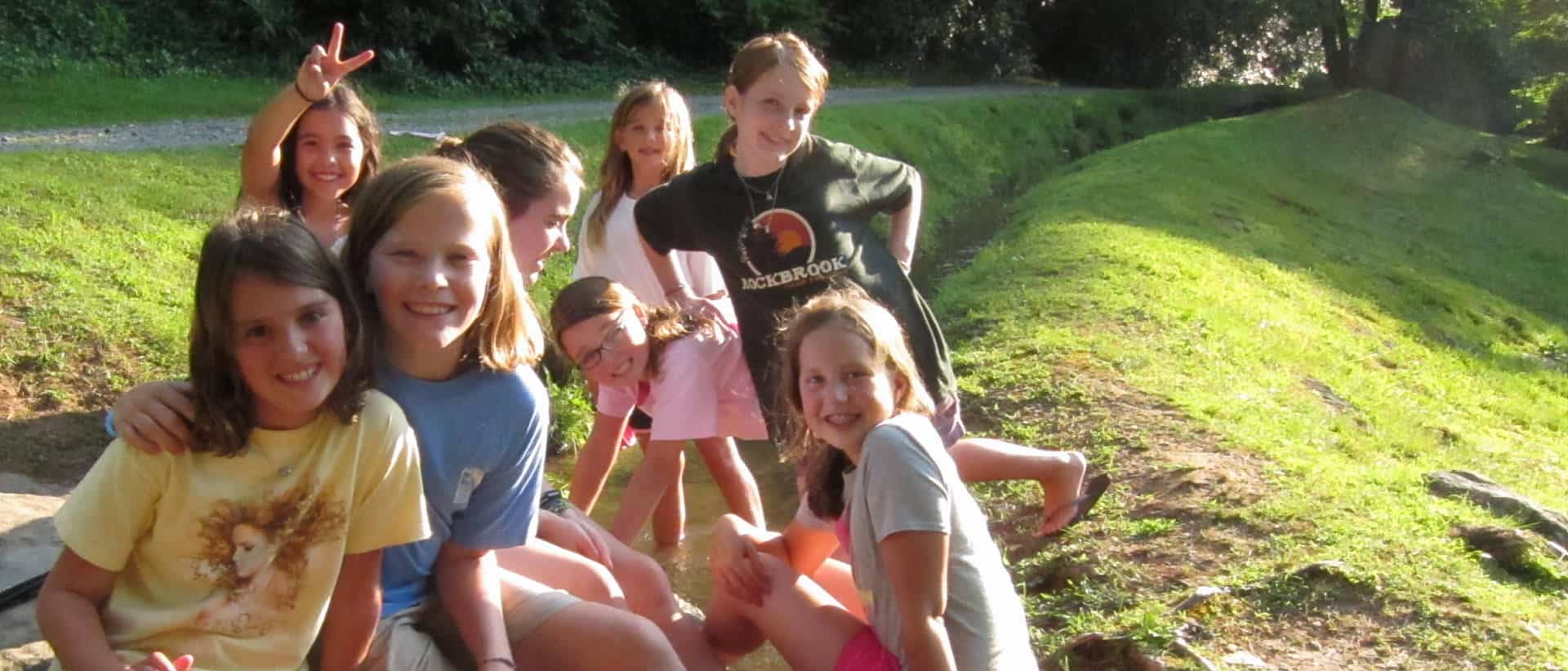
Thank goodness for camp.  It really can be a refuge, a huge relief from all of this.  Simply being outside, unplugged from rapid-fire electronic stimulation, is a powerful antidote.  Having daily opportunities to engage creative talents, physical challenges, and deep social/personal relationships is so welcome, kids just blossom in a camp setting.  It’s the greatest gift to simply have time to relax, to play in the creek, dress a little silly, or chat with a friend in the porch rocking chairs. The environment of a kids camp is a powerful healthy response to the extreme busyness of ordinary life. It always has been, and these days, it seems like it’s needed more than ever.

A Quick Quote on Camp

Camp Kid Reading

We ran into this quote the other day and thought we should share it. It’s from Charles William Eliot, who at 35 was the youngest president of Harvard University.

“I have a conviction that a few weeks spent in a well-organized summer camp may be of more value educationally than a whole year of formal school work.”

It’s nice to see the value of camp being endorsed by highly educated people. We agree. Camp is educational in the broadest, but also most fundamental, sense of the word. Through personal experience, it offers opportunities to forge connections and nurture children far beyond what school can provide. There’s really nothing quite like camp!