

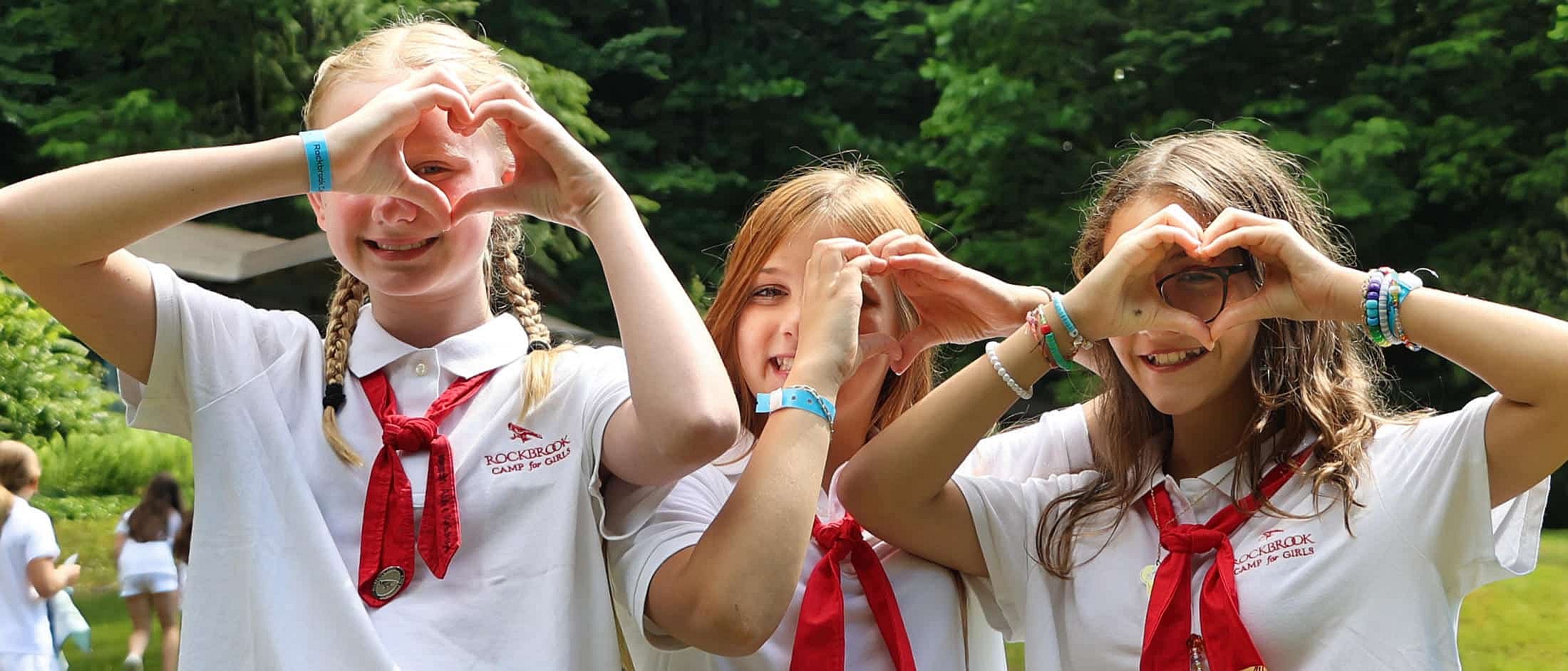
It happens predictably, and I’ve already seen it these first few days of camp. A camper or staff member arrives at Rockbrook not knowing anyone, and in a very short time, finds themselves making friends. What’s remarkable is how fast it happens. Ordinarily making a true friend is slow work, something that takes many weeks of testing the waters of a relationship, but at camp it often takes just a day. Especially for older campers and staff members, this is a pleasant surprise. There’s something special about camp that makes this possible and expected. I’ve seen some version of this “fast friends at camp” phenomenon so many times at Rockbrook, it’s worth wondering why.
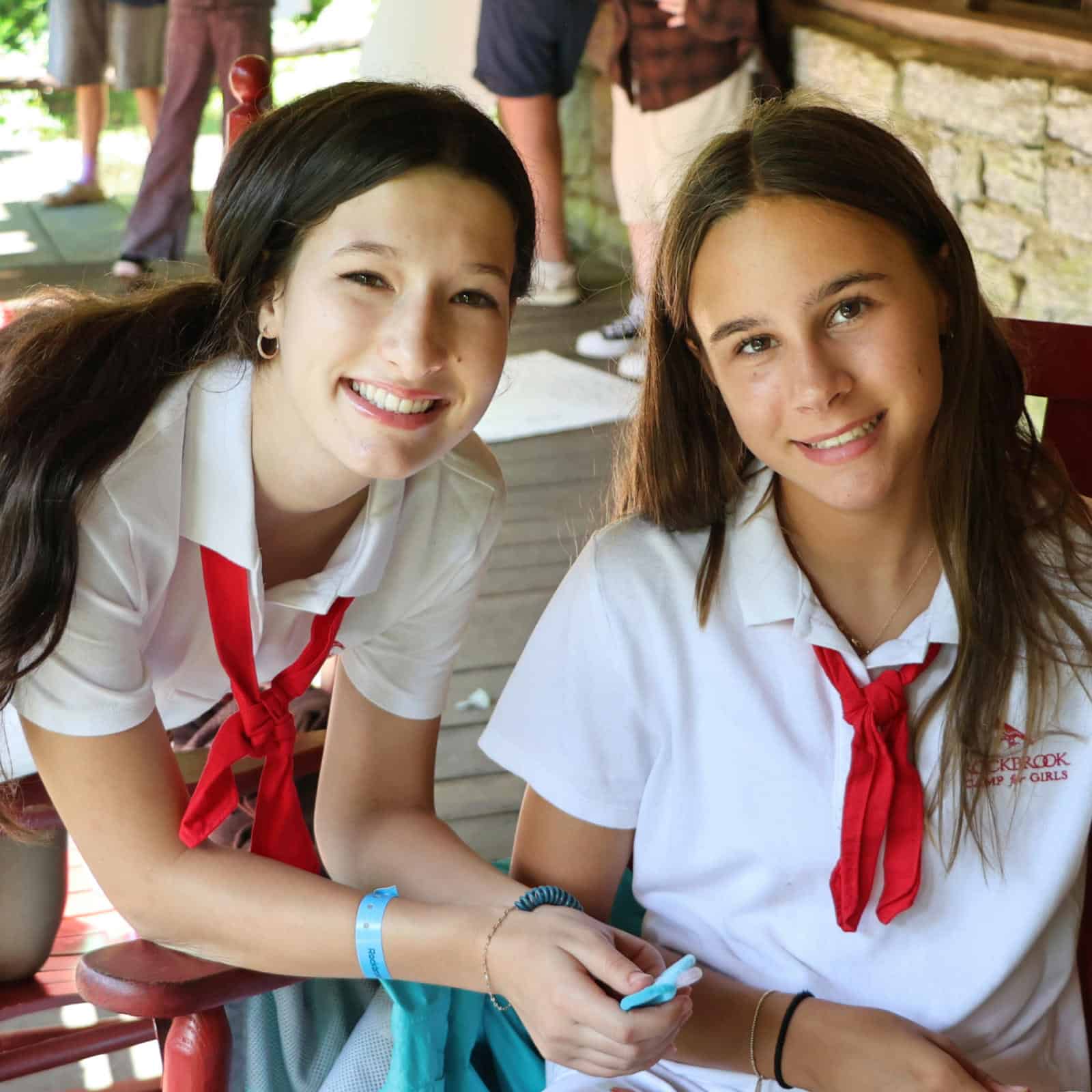
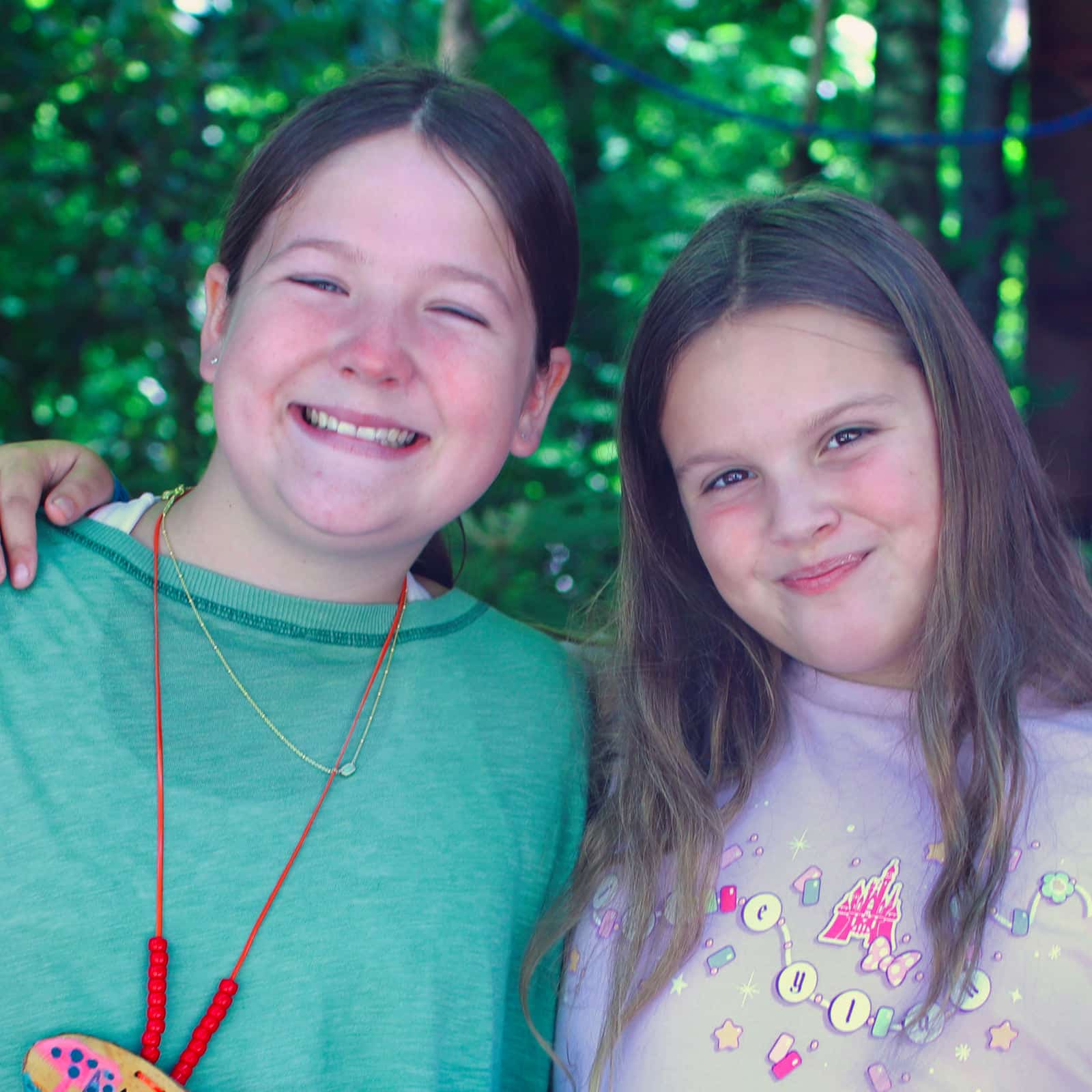
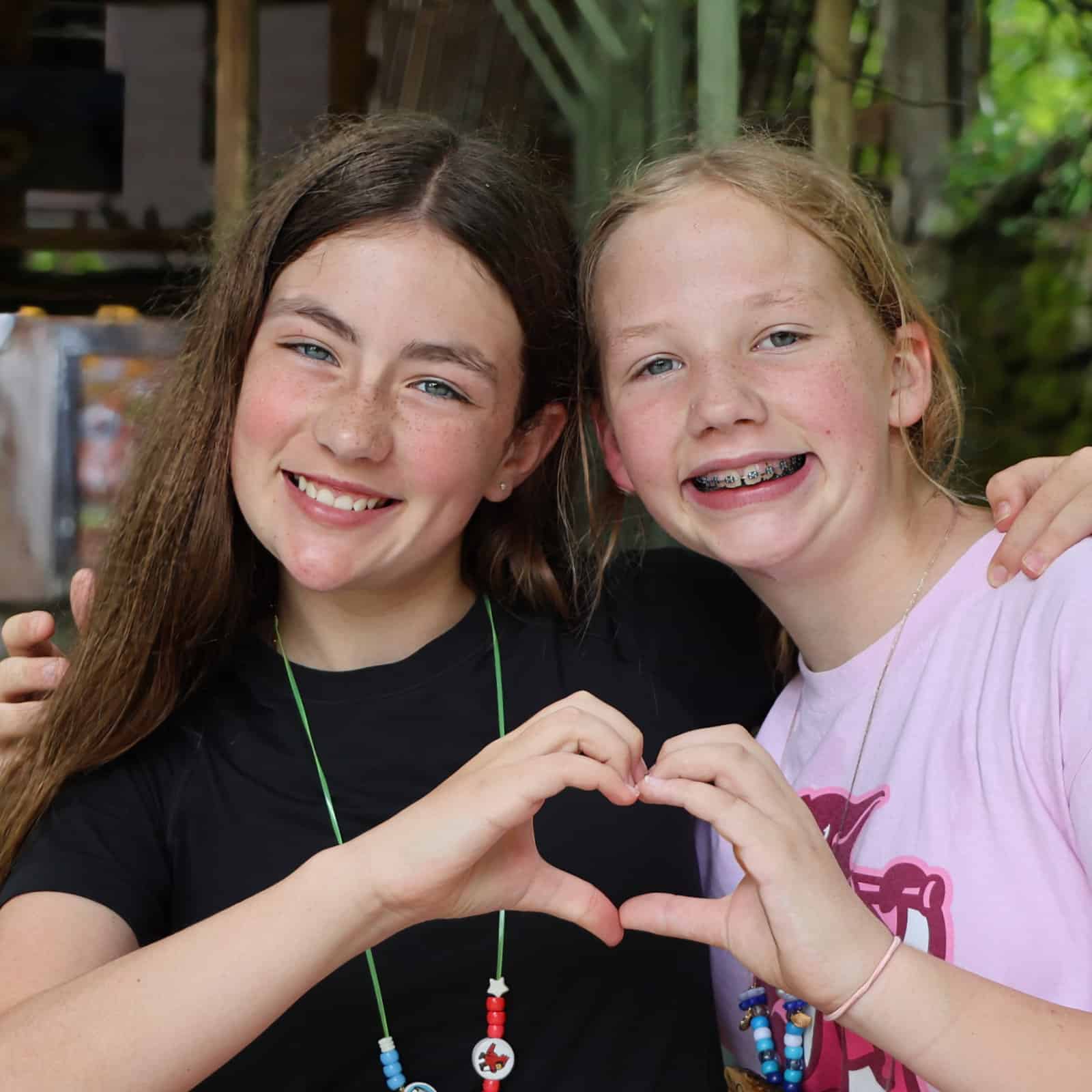
After all, the wider world seems to be moving in the other direction entirely. Certainly, we’re more “connected,” digitally, to more people than ever before: hundreds, even thousands, of contacts saved in our phones. Multiple “social” media accounts feed us an unending stream of “updates” on the lives of the people and advertising corporations we might “follow.” Any time of day, a scroll of faces awaits. Yet in the middle of all this so-called connection, a great many of us feel more alone than ever. There’s lots of chatter, but how much real conversation are we having? And I think our children aren’t immune. Their days, too, are fast-paced, screen-lit, and only superficially textured by the real world. Camp runs against this current, and that’s why it feels so different here.
So why is making real friends easier at camp? I believe there’s a simple reason. True friendship requires authenticity. We are most able to make friends when we are most fully ourselves.
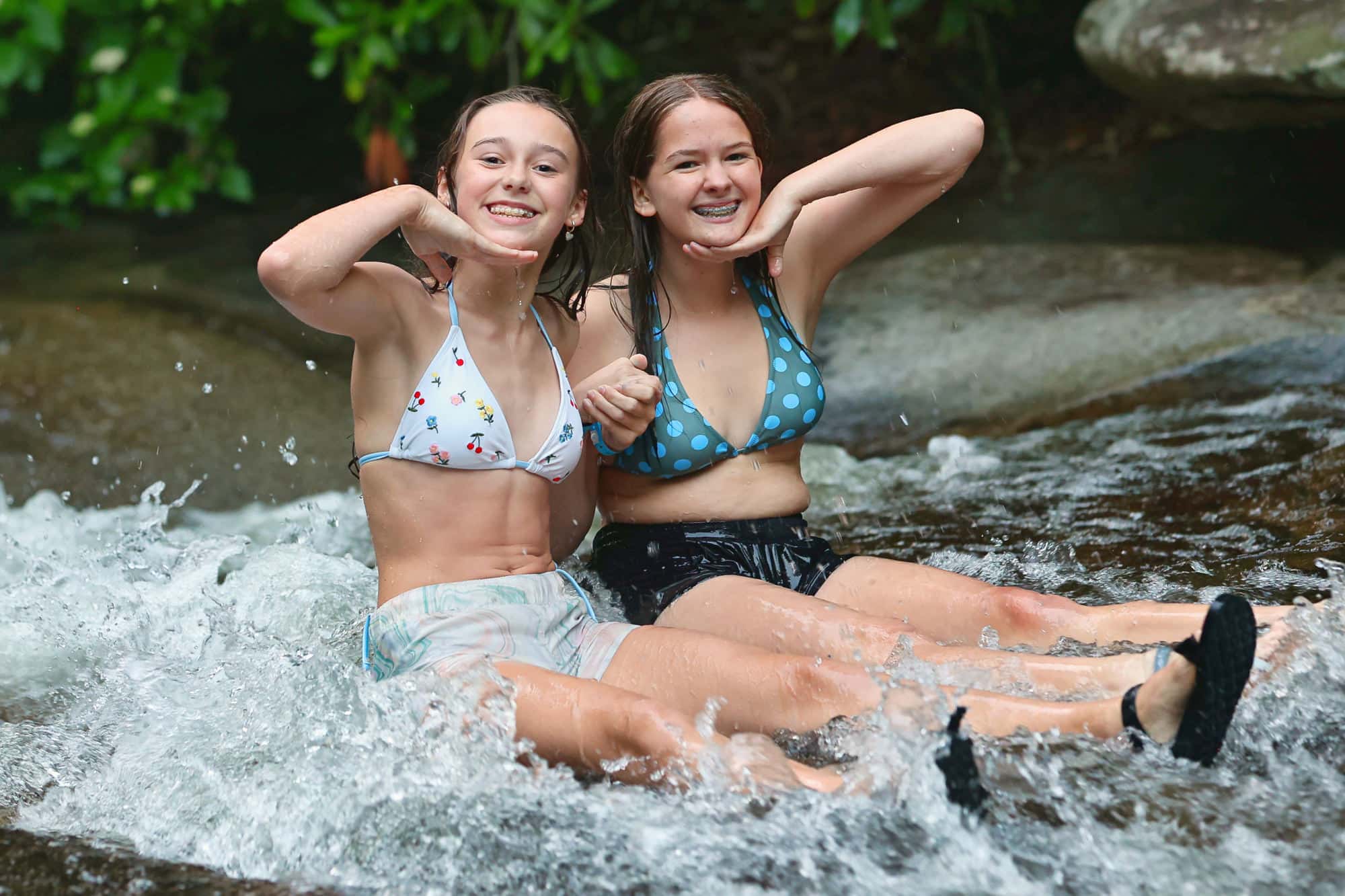
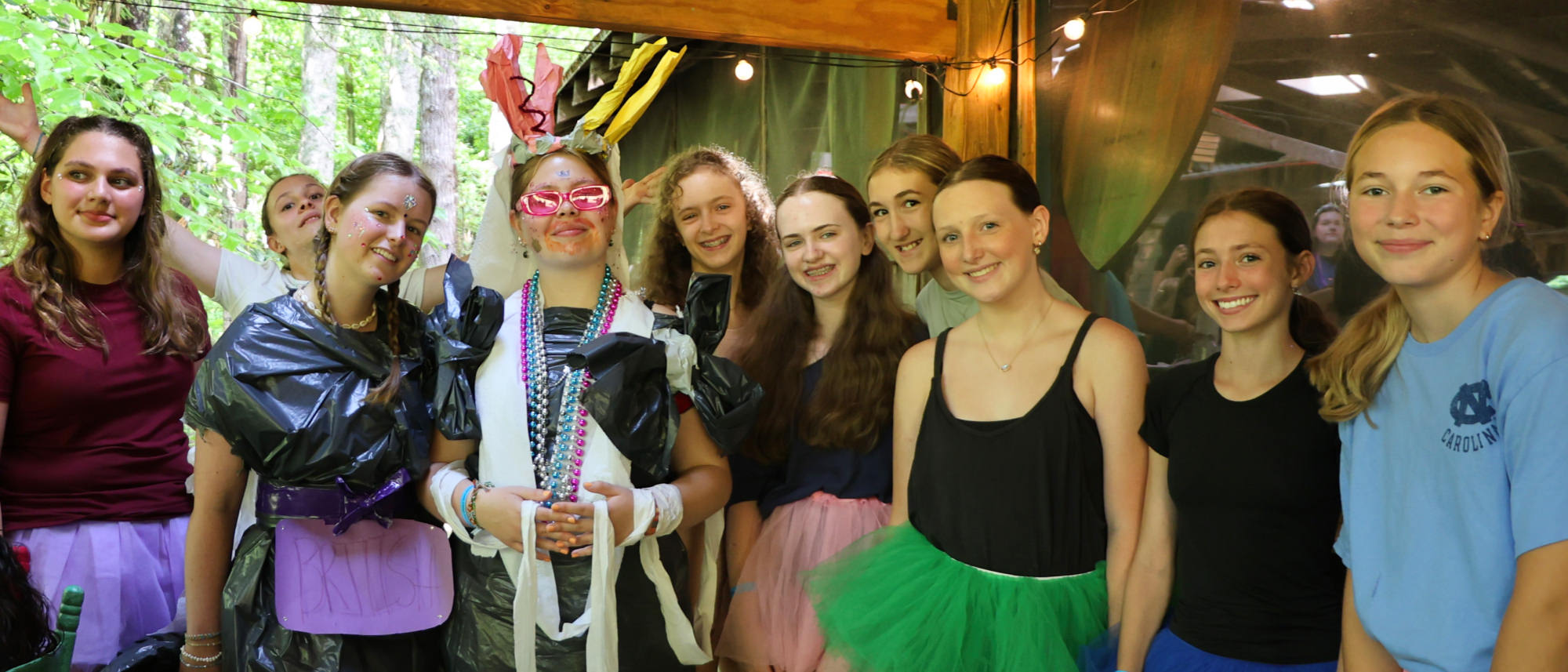
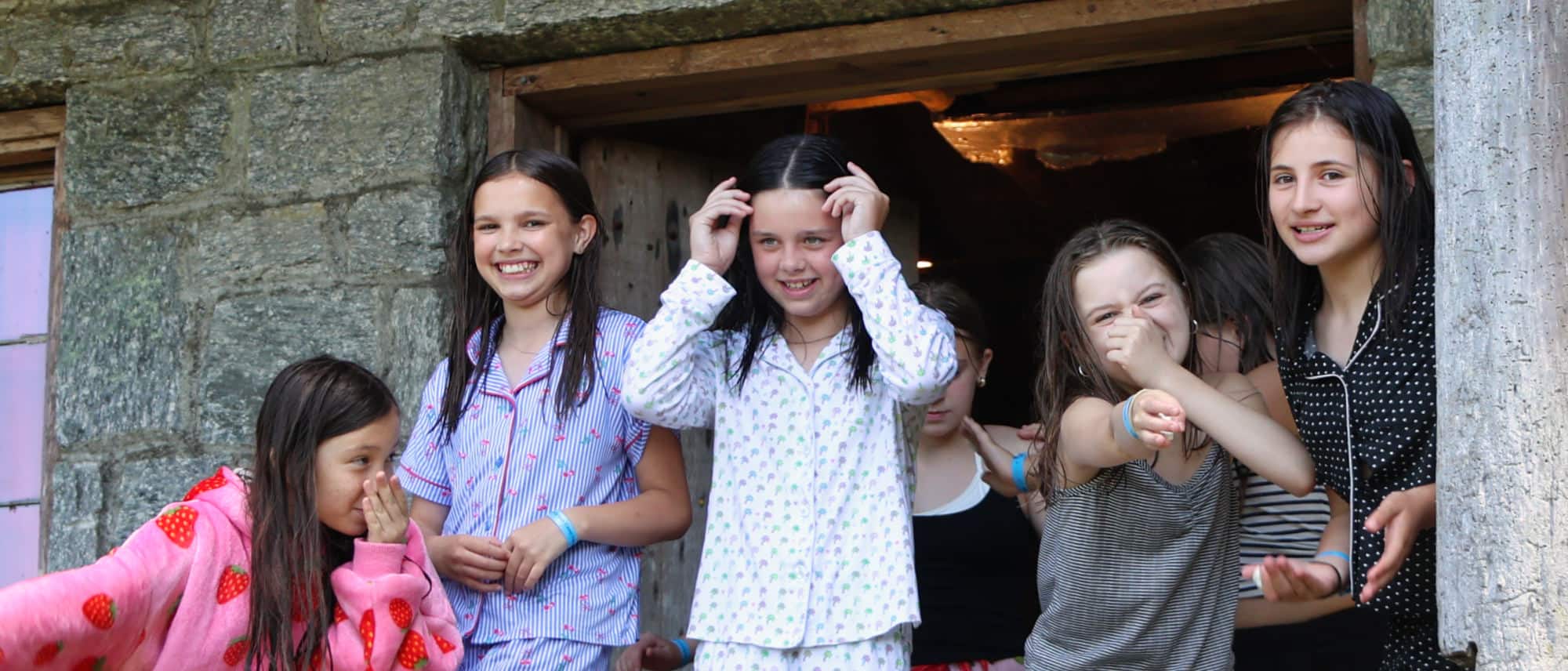
That sounds almost too tidy until you watch it happen, until you see a shy 12-year-old who arrived behind a careful shell decide that she doesn’t need that protection here. The culture of Rockbrook is what makes that decision easy. Experiencing genuine kindness, along with the smiles and caring that accompany it, lays the groundwork. No phones here means no audience to perform for. The regular dose of silliness, the shared experiences in the real world, the spirit of curiosity and adventure for trying new things, fuel the courage. In a place stripped of social judgment, girls can drop the assumptions they’ve been carrying about who they’re supposed to be and find the freedom to be, as the girls themselves put it, “the real me.” What they find, to their genuine surprise, is that the people around them still care about them, quirks and all. We’re all quirky in some way or another, and camp is one of the few places that treats this as good news.
That, I think, is why camp friendships are so strong. They form between people who have stopped performing. With no posing, no nervous angling, no strategy about which version of yourself to reveal, the real you can actually be known. And, because you aren’t busy managing your own image, it’s actually easier to take a real interest in someone else. Moving past constructed personas is the trick. What we find is a sturdier thing, a mutual affection that comes from genuinely understanding each other. It forms fast because there’s nothing in the way. It lasts because it was real from the start.
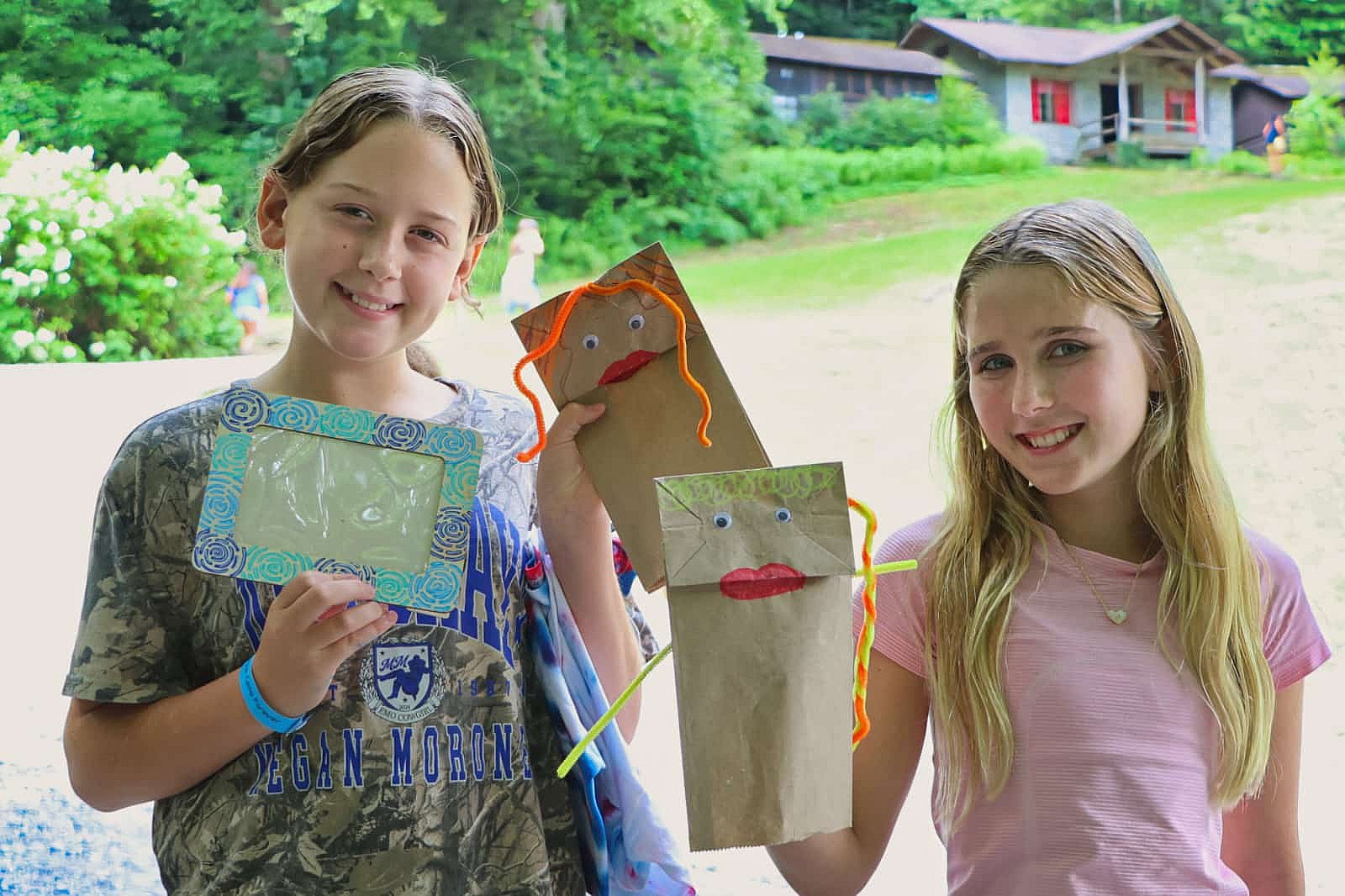
One lesson in all of this is that the trait of “being friendly” is not really about having a “sunny disposition,” or being attractive in some way. It’s not about charm; it’s about nerve. It’s being willing to let yourself be seen without the armor, and the kindness to make room for someone else doing the same. It’s two acts of courage meeting in the middle.
It can take a lifetime to figure this out. Fortunately, for the campers at Rockbrook, we practice this every day. Through countless real-world conversations and interactions, we discover how the “real me” matters, how everything is better in the company of genuine people, and the world is rich with possibility when we truly engage. Beyond all the action—the hiking, swimming, dining hall songs—camp is about the people, which is to say it’s about the friends.
0 Comments
Comment section