

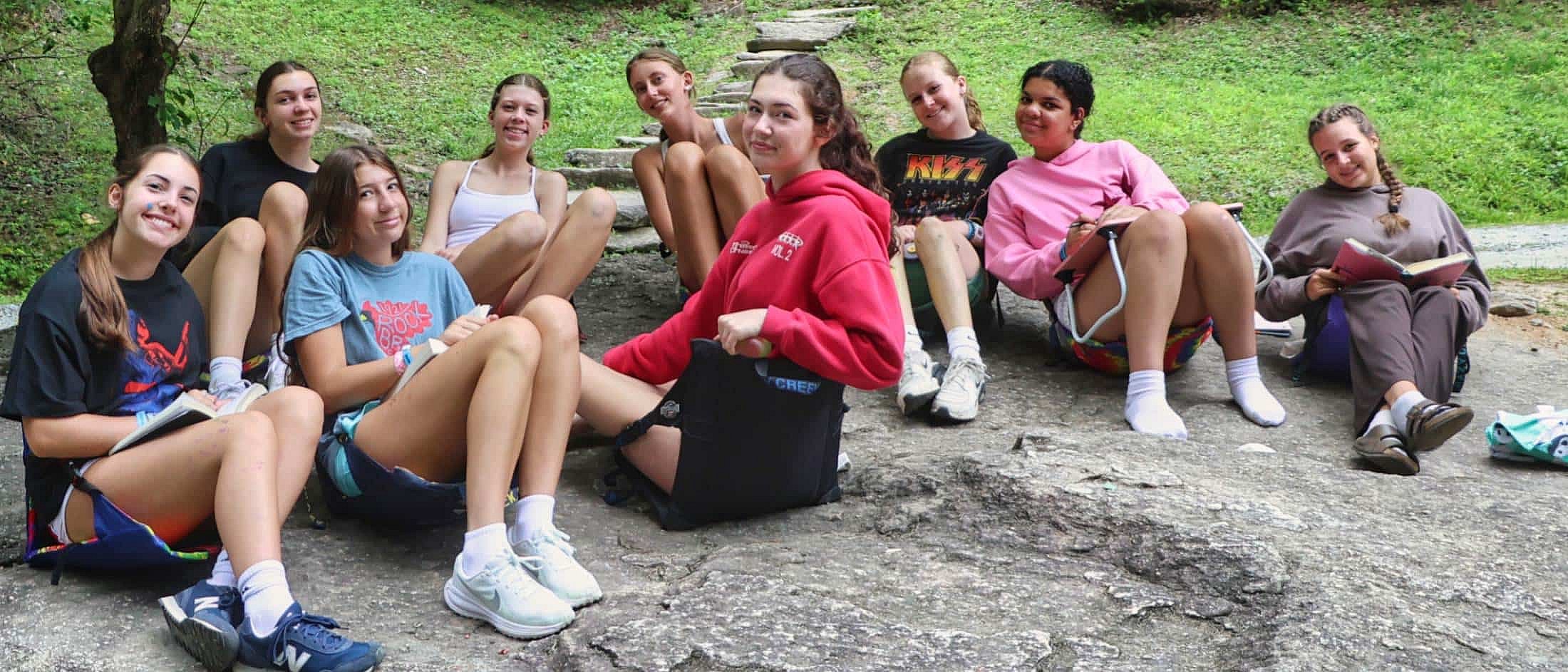
My favorite way to get ideas for this blog is to ask the campers about something. They never fail to come up with interesting answers to questions about camp. Earlier today, it was a quick question. Have you ever been bored at camp? As you might expect, most of them say no before I’d finished asking it. “Camp is never boring because we’re doing so many things,” one girl reassured me. “You can’t be bored with your friends around,” another explained. Camp is fun, and never boring, they seemed to be saying. But one camper, after thinking about it a bit, told me yes, sometimes she is.
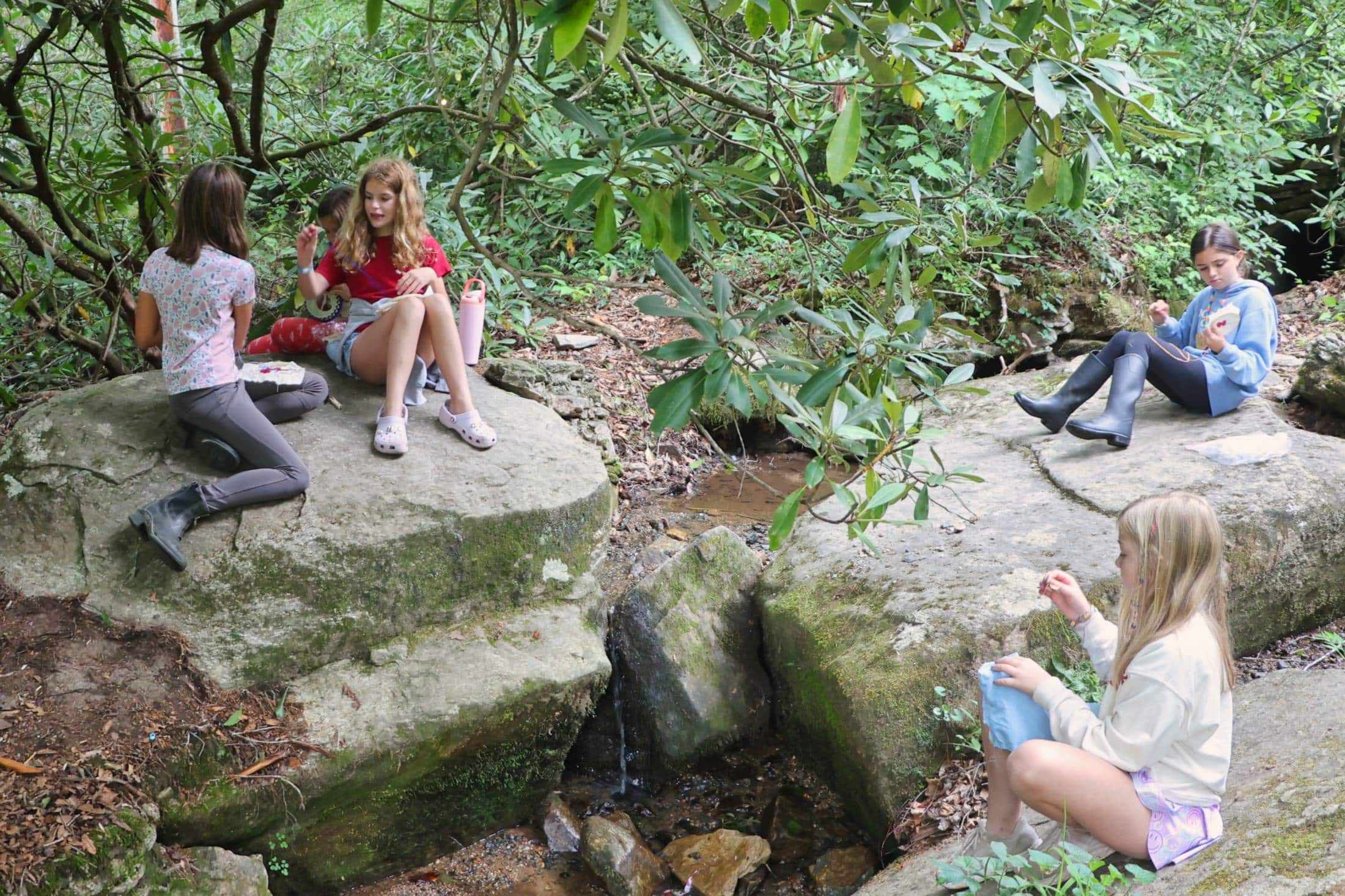
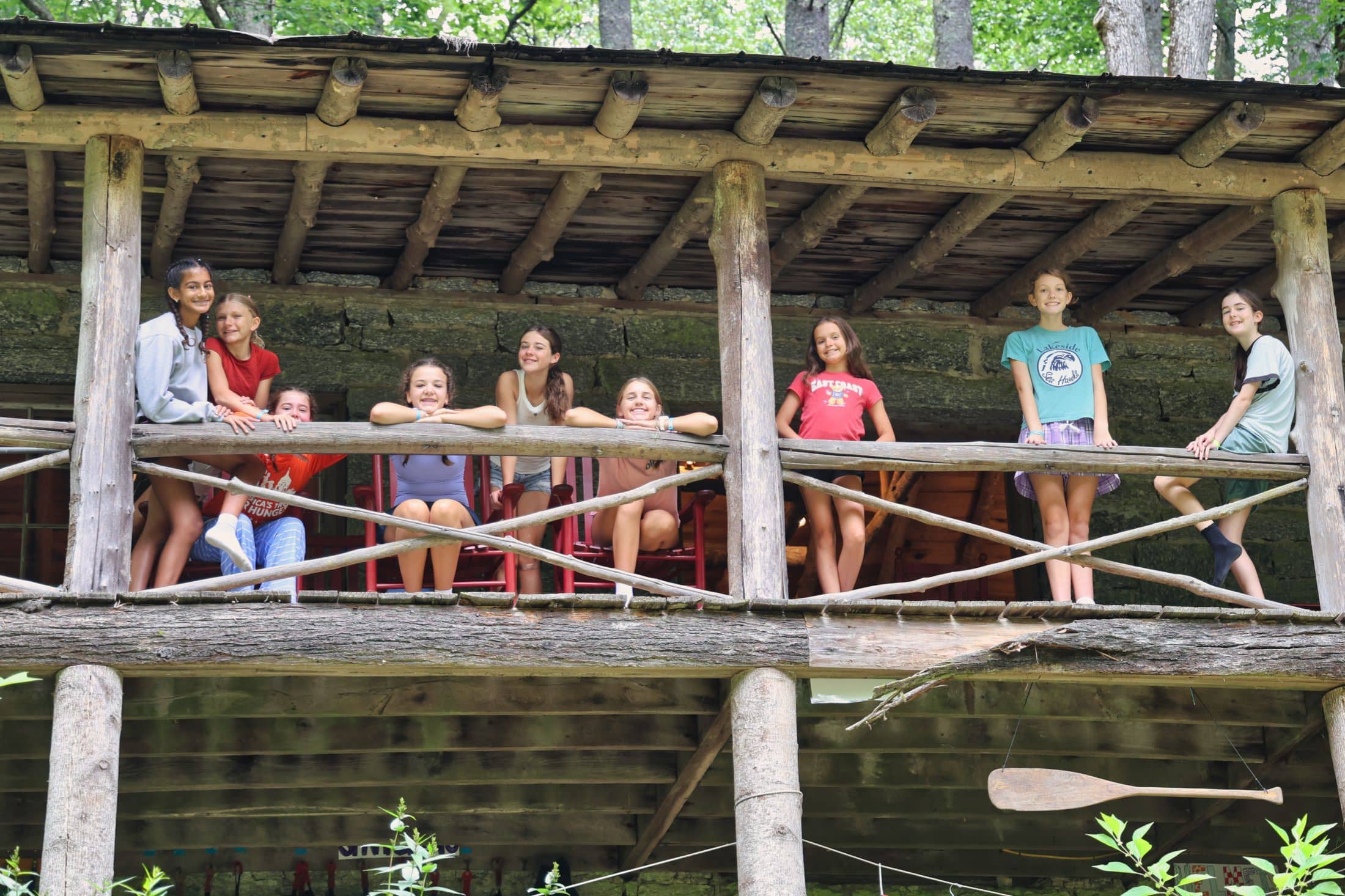
She then told me what she does about it. At home she’d reach for her phone and start “mindlessly scrolling.” But here at camp she’ll make a friendship bracelet, or read a real book, or go sit in one of the many red rocking chairs on the lodge porches. There are down times here at Rockbrook when campers don’t have something scheduled to do, so yes it’s possible for boredom to show up. But here’s what’s interesting: it’s easy to get past. I think that’s why most of the girls hardly notice it.
Boredom ordinarily means being stuck in a situation that’s uninteresting, or not knowing what to do next, feeling unmotivated. It’s a pretty common human experience when there’s no particular task at hand. The real question is “what do you do?” when these feelings show up. This camper seems to be saying that she looks around, and somehow it’s gone. There’s something about camp life that even when there’s nothing particular to do, even when you’re feeling a little tired, you suddenly find yourself engaged with something.
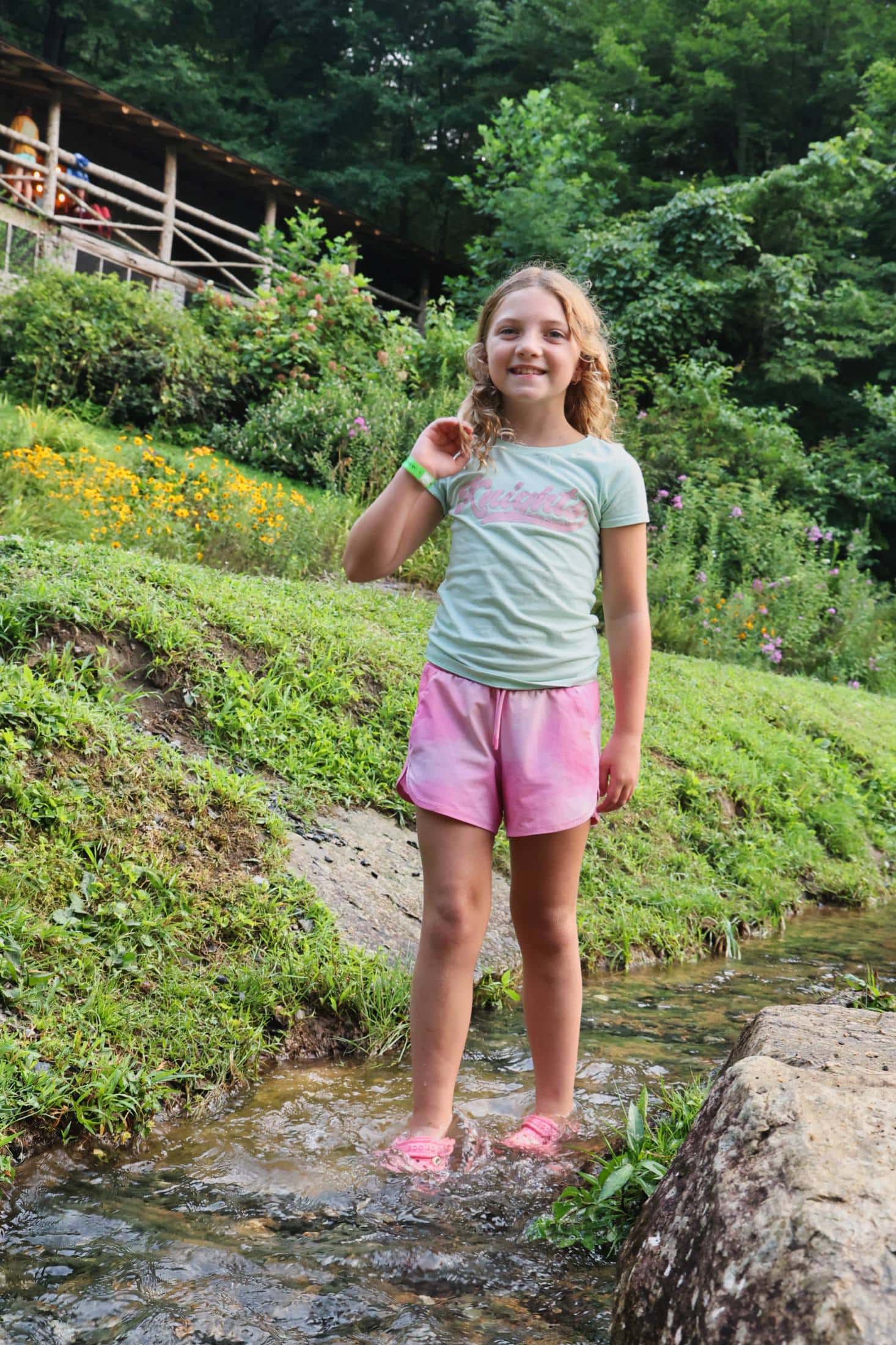
It might be sitting in your Crazy Creek chair watching the sky turn colors during twilight. It might be lying in the sun on your towel stretched across one of the big rocks at the lake. It might be watching one of your shoes float down the creek. It might be wandering over to your mailbox on the dining hall porch to see if you missed a letter after lunch. It might be looking for your flashlight somewhere in your trunk. It might be stopping by the health hut because that bug bite is feeling itchier. It might be joining a game of tetherball or gagaball. It might be going on a mission to the kitchen to grab an apple and some peanut butter for a snack. But more than likely, in your free time at camp, in those moments between things, you’ll be with a friend. You’ll be within arm’s reach of someone you care about and who cares about you, and in the presence of something amazing.
Let’s be careful here. The seemingly magical power of camp life to dispel flashes of boredom isn’t a matter of always staying busy. It’s not a matter of providing constant entertainment, excitement, or thrills, effectively trying to avoid boredom in the first place. “Keep them busy and they won’t get bored” is a strategy that’s guaranteed to fail. After all, real life has pauses, fast and slow moments, experiences that build gradually. The real world makes a taste of boredom inevitable, something built into human psychology.
Remember too that Rockbrook deliberately provides a lot of unstructured time in its daily schedule. In addition to the short breaks between activities (Muffin Break!), each day includes three hour-long blocks of free time, a free swim before lunch, another before dinner, and the playful Twilight time after dinner. Rockbrook wants girls to slow down a bit and relax from the hurried, hyper-scheduled lives they’re used to at home. Even if we could “keep them busy,” which is an impossible and unrealistic goal, we believe something important would be lost. Since moments of downtime and flashes of boredom are a normal and expected part of life, there’s something to be gained from learning to recognize those feelings and responding to them in a positive way. The question of what to do next when you’re feeling restless or bored is always going to come up, and there’s a real skill to knowing how to answer it.
For most people nowadays, there’s one answer. Check your phone, your constant companion that can provide an infinite scroll of entertainment. Curated to your personal taste and interests, algorithmically optimized to keep your attention, a vast array of (social and other) media can be consumed at any and every moment. Every hint of boredom squashed with one device. Pretty soon however, that screen becomes tedious, even exhausting, bringing with it a significant cost of isolation. That’s why a long bout of scrolling leaves you feeling a little gross, lonely, and sometimes newly anxious. Most people will agree that while it first feels good to “check your phone,” it’s ultimately a dissatisfying answer to feeling bored. Empty in the end. We need better answers, better skills.
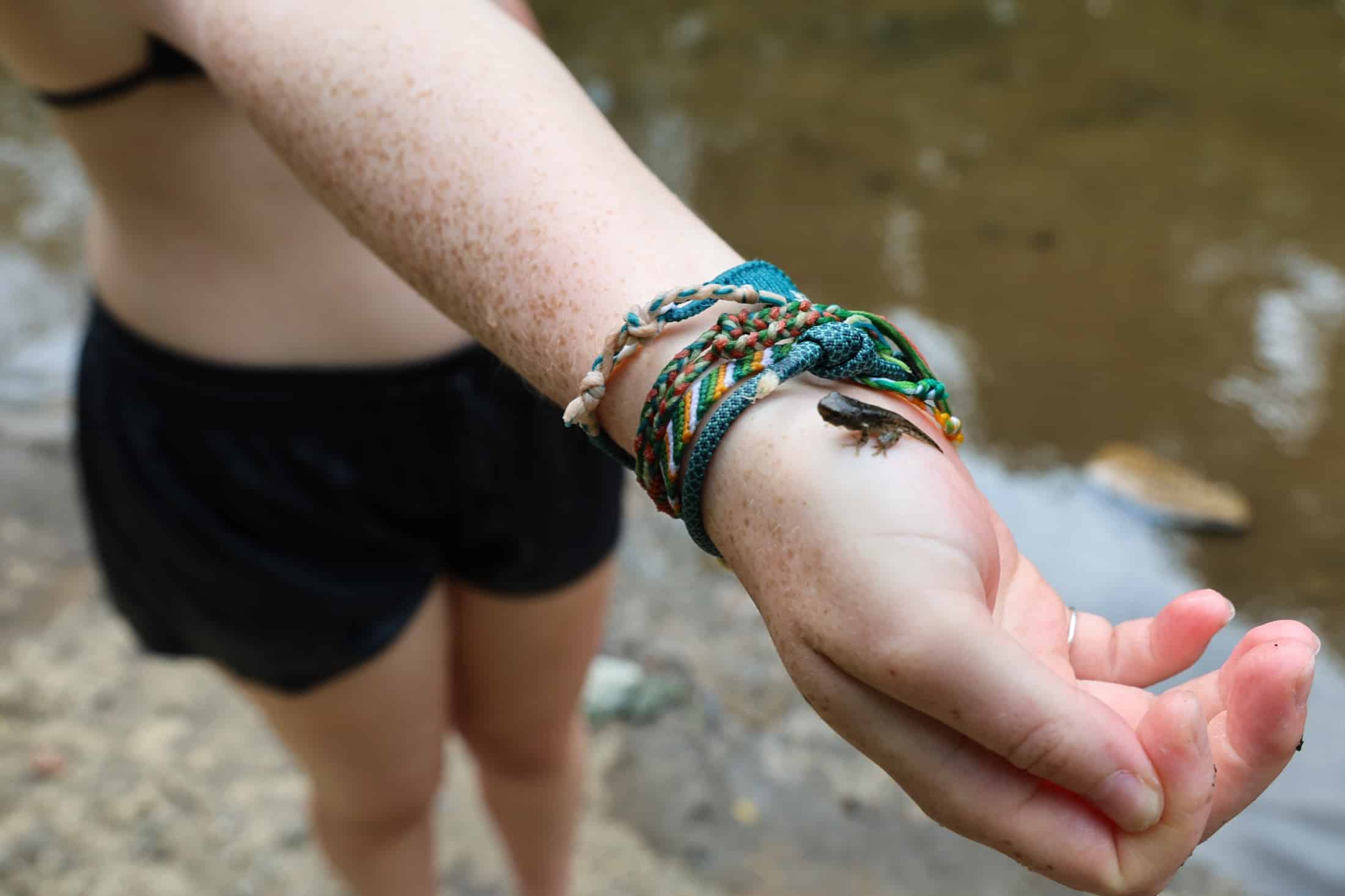
I think that’s what’s happening at camp. With no smartphones to hijack our attention, we suddenly discover a vast array of rewarding responses to moments of downtime. That’s the skill we’re building, the motivation to seek out something more engaging and meaningful, the instinct to explore and create when we can, the confidence to reach outward and connect with the details of the world around us. We discover firsthand vastly better answers, develop a habit of living a richer life, one that’s expanding with wonder and opportunities rather than being flattened to something abstract and electronic. We combat boredom not with entertainment, but with engagement.
Camp girls have these skills; they know these many answers. Every day they practice dozens of times. That’s why they never feel bored at camp, or when they do, they get past it quickly. They develop a habit of looking outward, paying attention to what’s around them. Free time at camp is inherently rewarding because it provides a freedom to experience more and discover new things. It’s a daily exercise in knowing what to do next when picking up your phone is not an option.
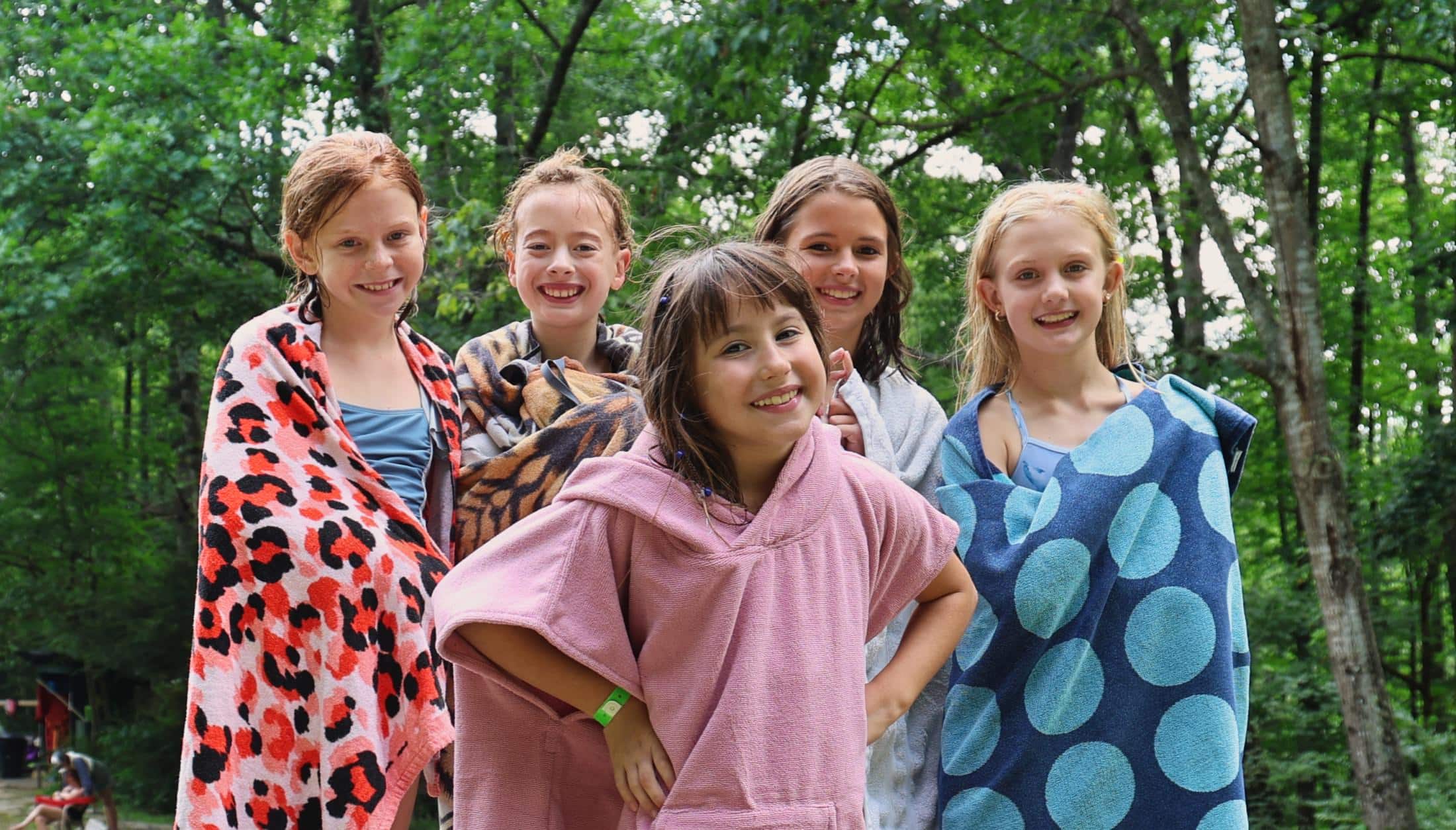
These skills are portable too. After leaving camp, a girl can remember the deeper satisfaction of an in-person conversation, the relaxed focus of making something with her hands, the feeling of being amazed by the most ordinary encounter with Nature. There’s no need for a red rocking chair or a friendship bracelet tied to a water bottle. My hope is that she’s developed a seamless habit of engaging with the world, loving what that feels like, and that this new reflex is stronger than the lure of her phone.
Late in the day, during Twilight and before the bell for Evening Program, the porch chairs fill up again, the tetherball makes its swing around the post, and the mountains glow off in the distance. You can hear the creek, and a ukulele on the office porch, and the screen door banging as girls come and go. Two of them are rocking side by side. One has a book she isn’t reading. Nobody out there is bored.
What a beautiful ode to camp life. All of the reasons you so eloquently captured are why we cherish being able to send our daughters to Camp Rockbrook. Thank you for caring so deeply about helping us to grow connected, thoughtful young women.