
Back to Reality

Last year I wrote a post describing camp as the quintessential play-based environment, and therefore as the perfect contrast to what Jonathan Haidt sees as a modern affliction: the rise of a screen-based childhood. In his book The Anxious Generation he points his finger directly at smartphone use, a “safetyism” driving parenting trends, and the decline of community as the major factors contributing to the decline in the mental health we see among many young people in America. Quite rightly I think, he laments that our young people are spending too much of their time alone, indoors on their phones scrolling through social media, watching YouTube, and playing video games. And this is negatively affecting their wellbeing.

summer camp climbing child
girl camper walking with horse

Now another recent (2024) book adds to the conversation; it’s The Extinction of Experience by Christine Rosen.

In this argument, it’s “mediating technologies” like smartphones, social media, and various apps that are diminishing who we are as human beings. Digital interactions are replacing face-to-face communication. Disembodied representations of reality have become substitutes for a sense of place. Idealized versions of things have become more common than direct experience, creating a “false realism.” Nowadays, we spend more time consuming the creations of others than having experiences of our own. She says, “more and more, we relate to our world through information about it rather than direct experience with it.” Certainly there are benefits to having more information, to using abstractions now and then, but there’s often a cost to completely losing touch with the details in things. Can you communicate well without seeing facial expressions? Can you understand the weather only from an app? Do you really know where you are if only by a GPS signal? Is a person really your friend if they’re only on Facebook?

The result is that many people, especially young people who have grown up tethered to these technologies, can begin to mistrust their own experience, seeing it as flawed, inadequate or disappointing. We seem to be raising a generation that struggles with in-person “awkward” conversations, with uncomfortable emotions like boredom, and with valuing the unpolished opportunities offered in the real world. Living through screens instead of directly engaging with the physical world reduces us to “users rather than experiencers.” Having everything filtered and sanitized in this way makes the real world, in all its complexities, something to be avoided, even feared.

Picture a teenager who won’t try a new restaurant because it seems “weird” or has mixed online reviews. Have you ever seen a group of friends sitting together but each so absorbed in their own device they’re essentially ignoring each other? Are the kids you know eager to go outside and do things, even to just “mess around?” How often do we enjoy downtime, have moments for reflection, rather than reach for our phones at every opportunity? How much are our kids learning from the people and world around them if they rarely lift their eyes from their personal screens?

child cutting clay

Sometimes, I notice this when girls first arrive at camp. If left alone, they don’t seem to know what to do. Camp has a rhythm to prevent this, but otherwise they’d be “bored” without their phones. My hunch is they’ve grown so accustomed to constant electronic stimulation that the natural pace of real life, with its inherent pauses, quiet moments, and gradual build-up of engagement, feels uncomfortably foreign.

I think Rosen has identified an important warning. By mindlessly allowing our kids to define their world through these mediating technologies, we are robbing them of experiences critical to their successful development. We are shrinking what they know to what’s available on a screen, to what they can “post” on social media, and to what they find safe and convenient. We are stunting their ability to build mutually kind relationships. We are training them to distrust what’s unfamiliar and uncertain. We are turning them inward becoming more self-absorbed. We are making them fragile in the face of ordinary difficulties. We are isolating them from the beauty of the real world. We are shrinking their ability to live a rich life.

I may be overstating things, but Ugh! It’s pretty horrible if we put it like that! If you think of the young people you know, perhaps even your own kids, some of this is bound to resonate. It’s also easy to see how these effects caused by living a mostly mediated life are negative, and how we should do whatever we can to counter them.

summer camp girl kayaker

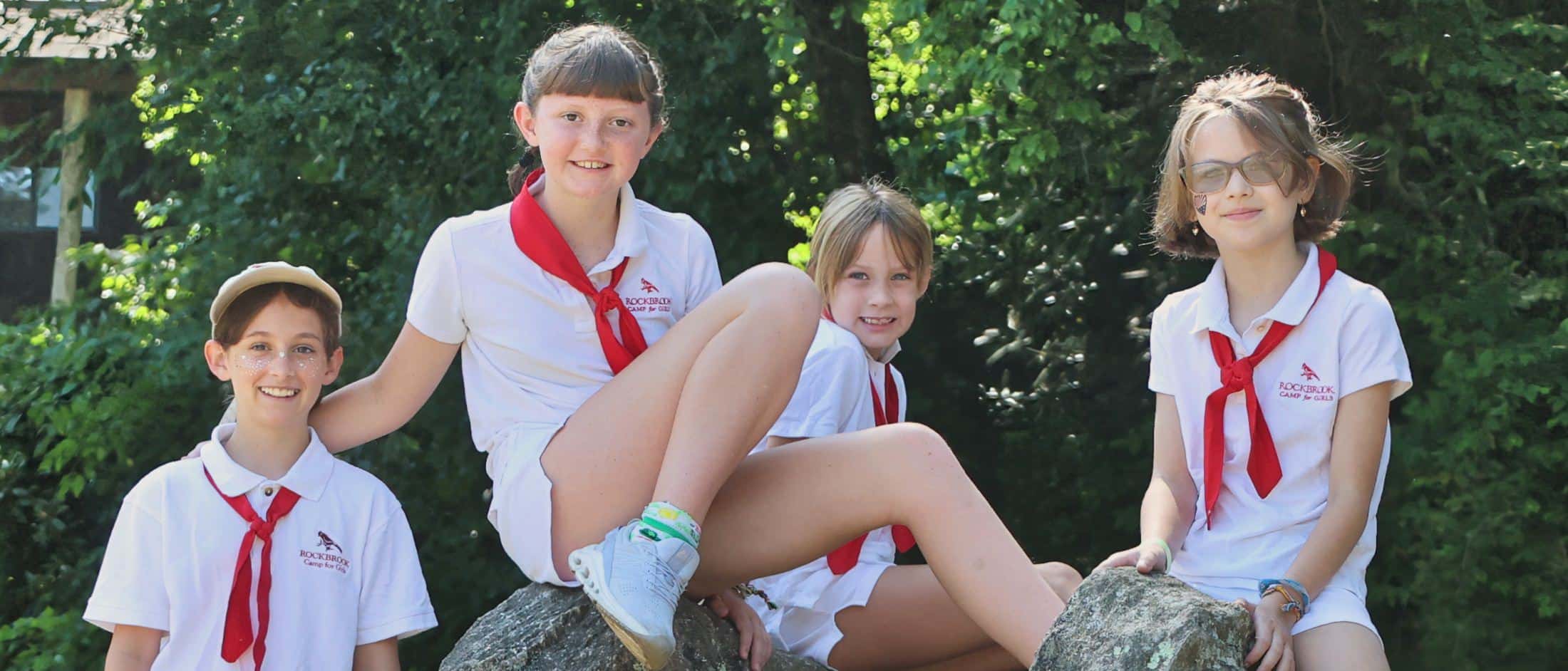
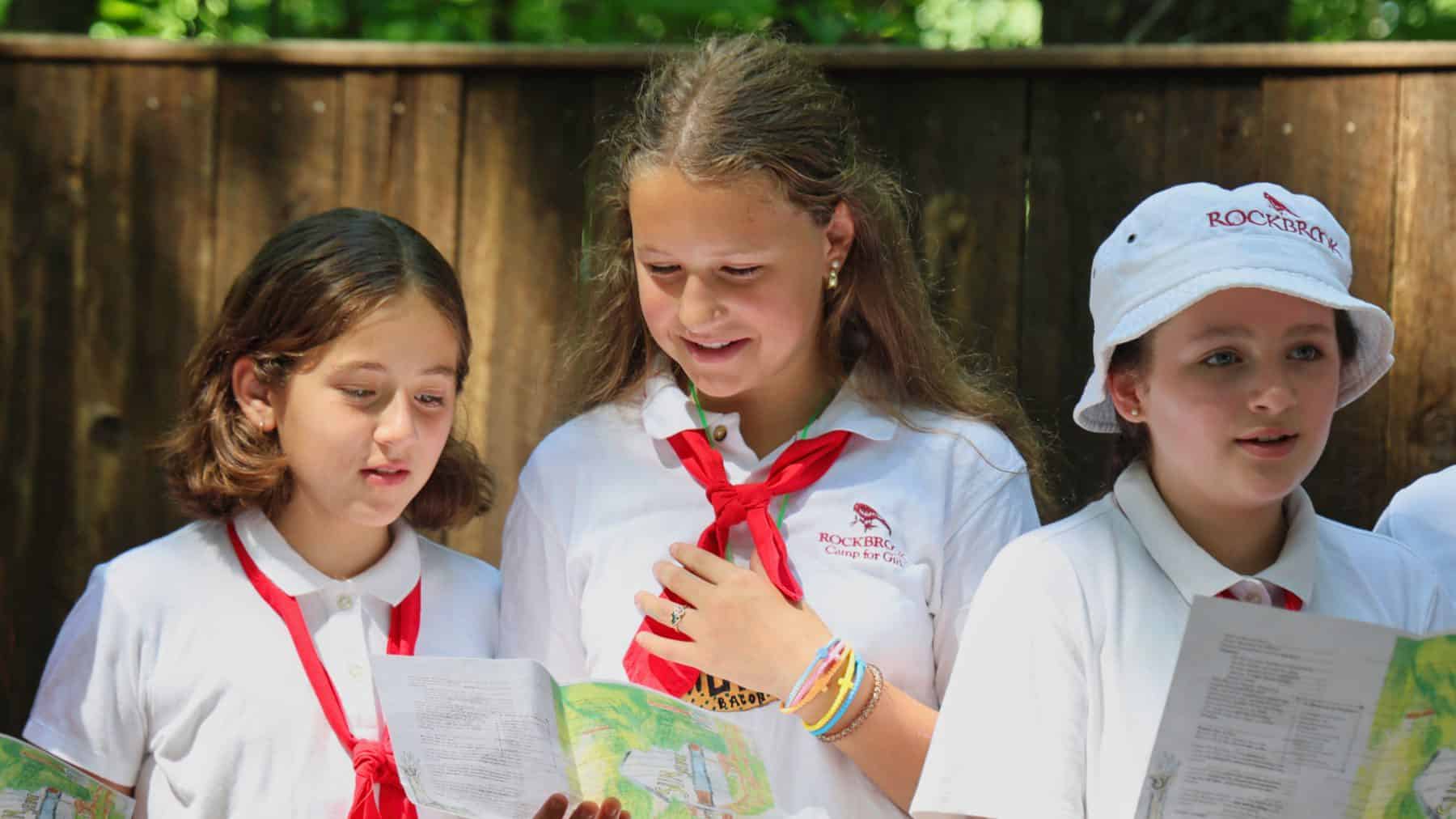
Fortunately, there is camp. There is Rockbrook and its daily dose of unfiltered engagement with the real world. Here, we trade our digital technologies, all the clicks and swipes and “likes” it values, for a life lived in the arena of real experience. Rich with relationships of all kinds, camp life is more human in this way as it rests upon direct face-to-face communication, embodied interactions with the natural world, creativity and discovery. Camp life literally brings kids back to reality, providing essential human experiences through doing things. Rockbrook’s supportive and encouraging community is the foundation that empowers girls to explore, to face uncertainties, and to accept challenges. It’s designed to bring us together in the real world, forging friendships between our authentic selves.

Camp is a place to practice this humanity. It’s a place to meander through the natural world open to its beauty. It provides daily opportunities to listen, to talk and sing, and to connect face-to-face with others. At camp girls learn to find joy even in imperfect moments, in simply trying things, while not thinking about something polished to post on Instagram.

girls camper making crochet creature

After time at camp, with no phones in hand, something remarkable begins to happen. Girls become more engaging, more excited to do things, and more interested in the world around them. They want to watch the sunset rather than take a selfie with it. They want to try the pottery wheel even though it’s bound to make them muddy. They want to hang out and chat in the rocking chairs on the porch. They find deep pleasure in singing. Girls who arrived a little shy and hesitant begin to speak up in group discussions. We all learn to navigate social conflicts through direct conversation rather than avoiding or filtering them through technology. We become at ease no matter what the weather, rain or shine.

Perhaps most importantly, they begin to trust their own judgment again. Without the constant ability to Google answers or check with their parents, they learn to make decisions based on their own observations and instincts. And through that, they begin to develop confidence in their ability to handle uncertainty and navigate challenges. They gain some grit simply by getting back to reality.

Back at home after camp, parents often tell us they notice their daughters seem more present, more confident in face-to-face interactions, and more willing to engage with things rather than retreat to their screens. Of course the lure of technology is powerful and your girls are bound to need encouragement to find the right balance, but now they’ve experienced first-hand what happens when we put down our phones. Camp has proven it; life is better! Let’s choose to make it so.

Camp girls nature walk

Second Session Highlights Video – Part Three

We have another short highlights video for you! Robbie Francis of FrancisFilmworks spent a day at camp earlier this week filming and now he’s put together a wonderful glimpse into life this session. Robbie has a real talent for capturing the special moments at camp— the girls happily doing their activities, bopping around camp, and just being with friends.

The video shows lots of laughter, moments of focus and accomplishment, and so many, many smiles.

Take a look! We think you’ll enjoy these 2 minutes immensely.

Letters from Home

How to Write a Letter to Your Child at Camp

Out on the porch of the Rockbrook dining hall is a row of mailboxes, one for every camper and staff member at camp. Every day after lunch, everyone takes time to peer into their box hoping there’s some mail to find. It could be a card or letter, or an email that the office printed and delivered to the box. This is a highlight of the day because it’s exciting to receive a surprise gift, no matter how small, and think, “I wonder who it’s from.” Receiving letters from home or other friends and family has always been a part of the summer camp experience.

Most parents know they should write to their kids when they’re away at summer camp. But do they know how to do it? Do they know what to say, and perhaps more importantly, what not to say? They may have questions like “How often should I write?” or “Should I tell them about world events, or shield them from troubling news?” In fact, there are good answers here, helpful guidelines to ensure parent letters encourage a camper’s independence while still maintaining a connection to loved ones at home. A great camp letter from home finds this balance between support and the self-confidence that grows while away. Here’s how to do it.

Your goal when writing to your child at camp should be to encourage and support her in this new experience. You want to provide some reassurance as she explores and at the same time be careful not to pull her back home. You want to be upbeat about her abilities to take full advantage of camp life, to try new activities, meet new people, and overcome any challenges that might pop up. It’s through your confidence in her that she will build her own confidence. Home serves as an anchor of love and support as she navigates camp life away. A phrase like “I know you’ll figure it out” goes a long way. Remind her of her strengths: “You’re always so kind and understanding” or “You know what being a good friend means,” for example. You are expressing your trust in her, and in her success at camp.

One trap to avoid is writing too often to your child at camp. Yes, more letters from home isn’t always better. Research has shown that too much communication from parents increases the likelihood of homesickness. After all, you really don’t want your camper thinking about you instead of immersing herself in camp life. It seems counter intuitive, but ideally your camper loves camp so much, they forget about life at home. Too many letters from home, especially the wrong kind of letters, will surely undermine this ideal.

What to Include in your letters

With all these goals in mind, what should parents write about in their letters to camp? What are some content ideas that work?

summer camp horse riding girl
  • Describe boring home updates – Tell her how everything is normal at home, all routine sorts of things happening, with very little excitement. The idea is to make camp seem way more fun and exciting by comparison… Because it is! For example, “Dad fixed the sink,” or “We reorganized the garage,” or “I’ve been working in the garden.” But be careful not to make your letter a highlight reel of everything she’s missing while away.
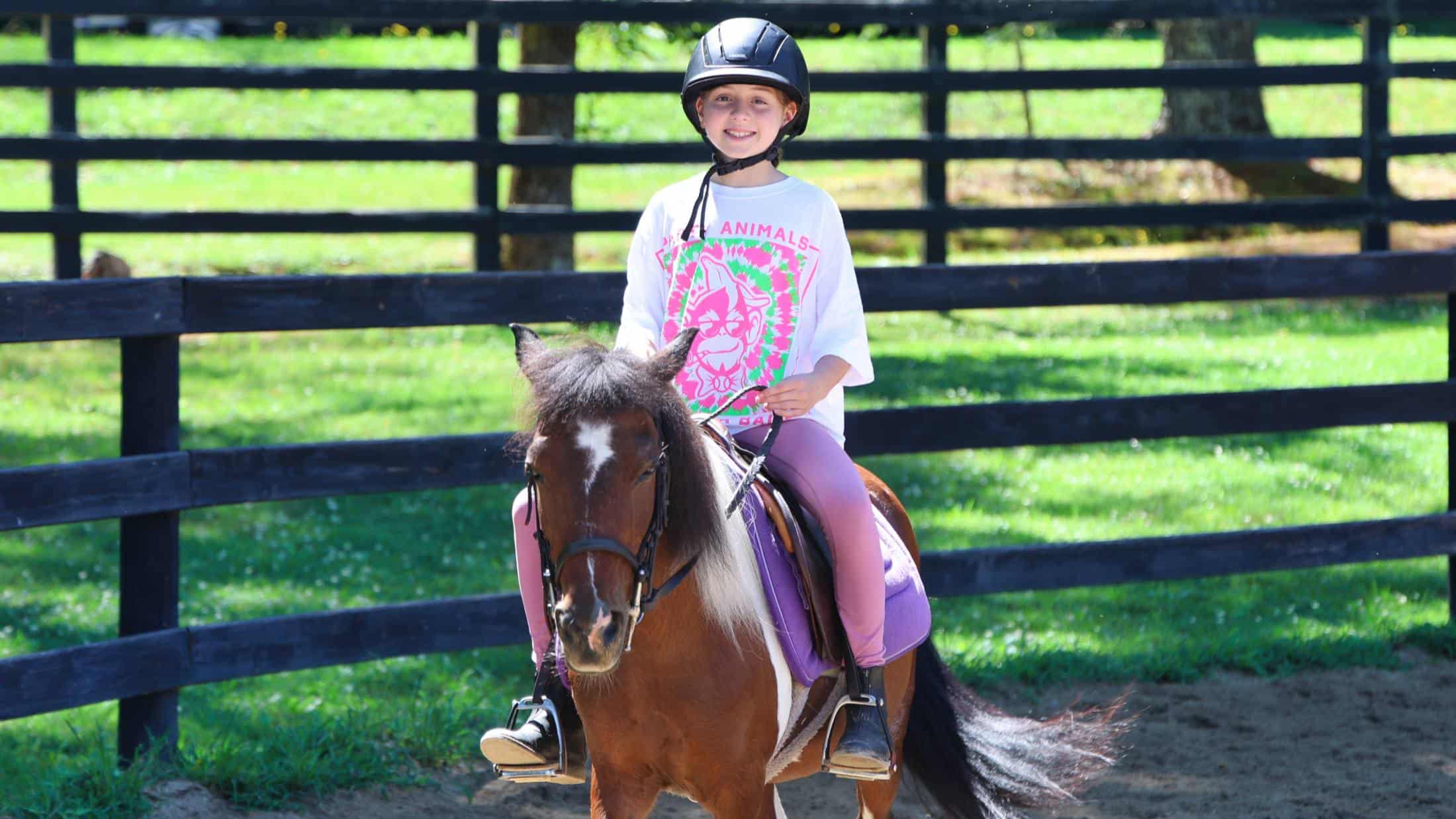
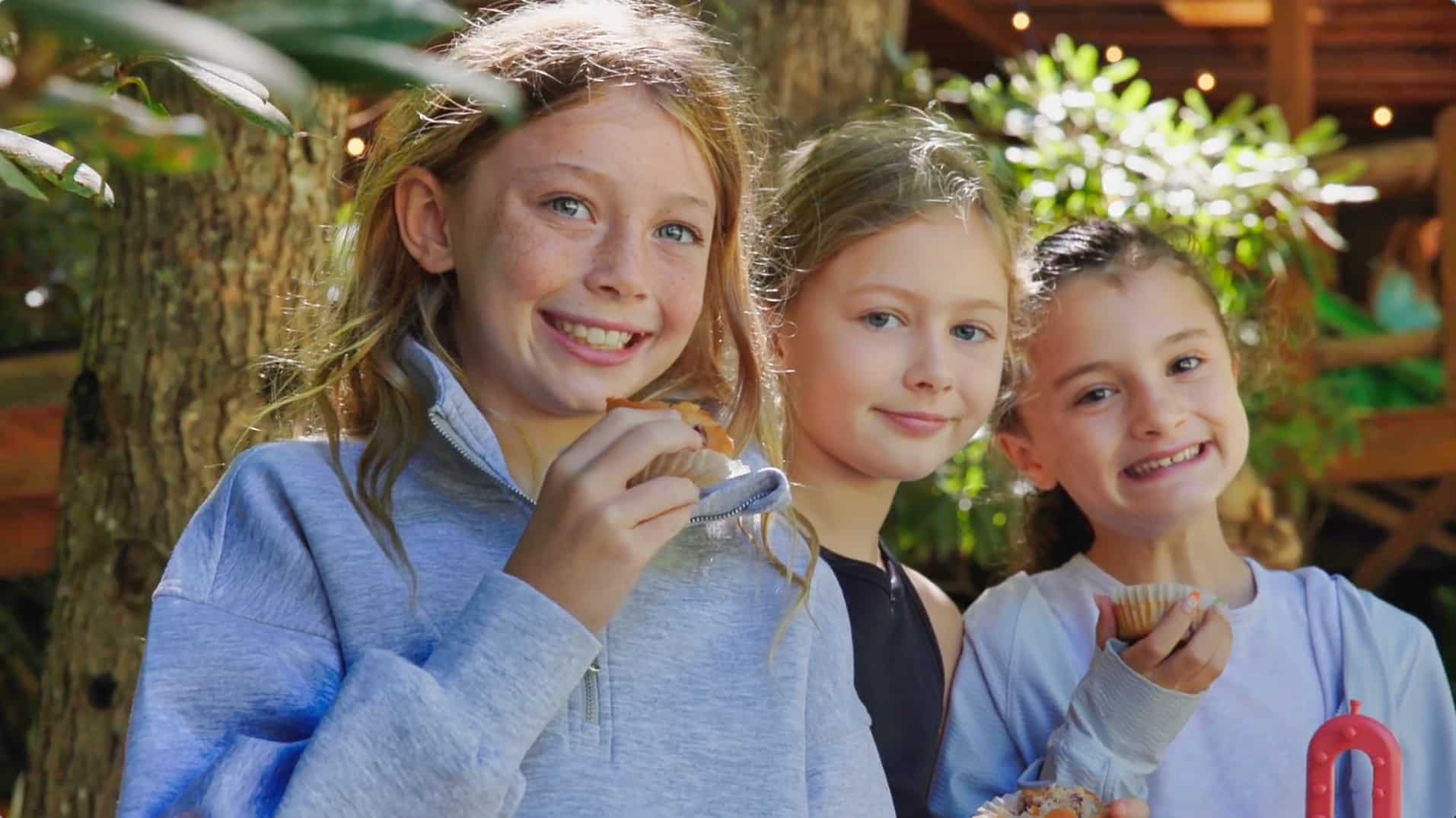
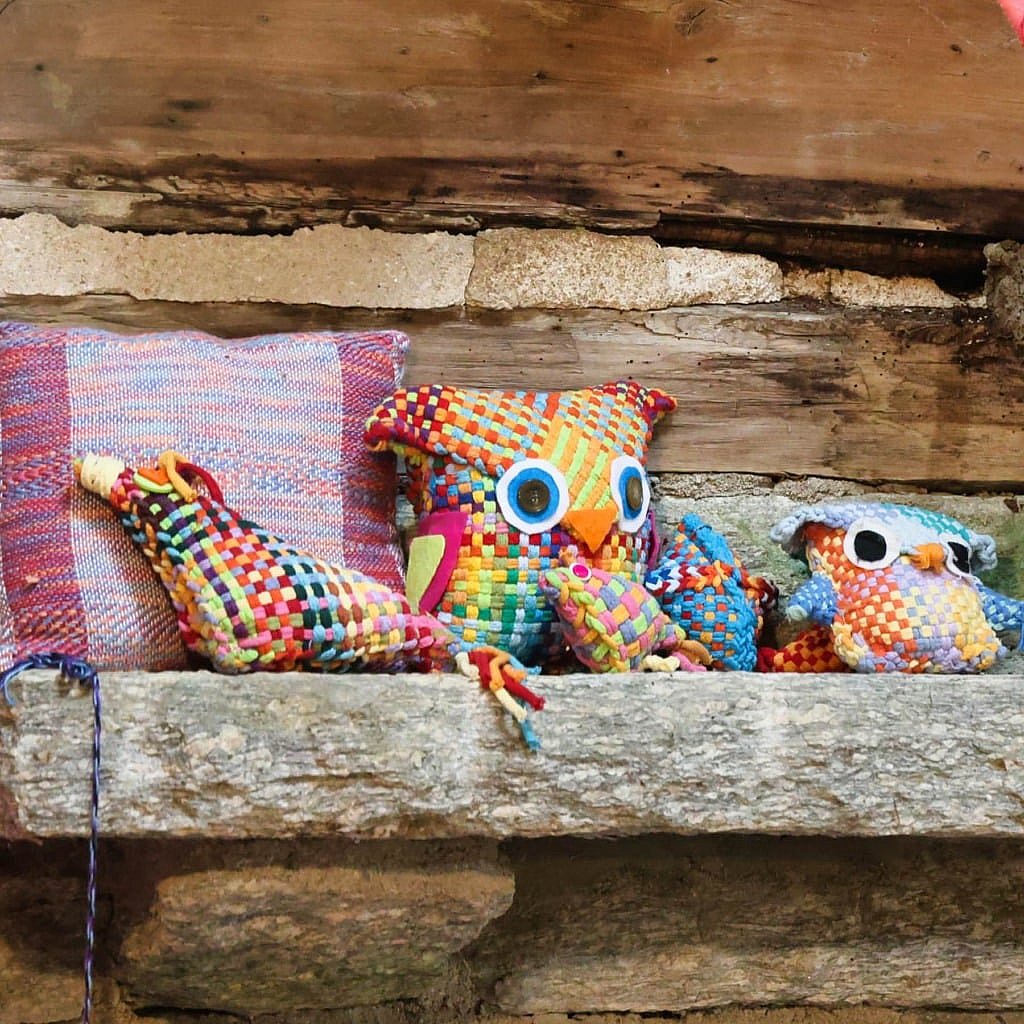
  • Ask questions about camp – This is a great way to keep the focus on camp. Show your interest in all of the things going on at camp. Reference what you’ve seen in the photo gallery. For example, you can ask “Tried climbing yet?” or “What’s the best muffin flavor so far?” or “I saw a photo of you weaving. That’s so cool! What are you making?” Show your camper you are curious and excited about all of the new experiences she’s having at camp.
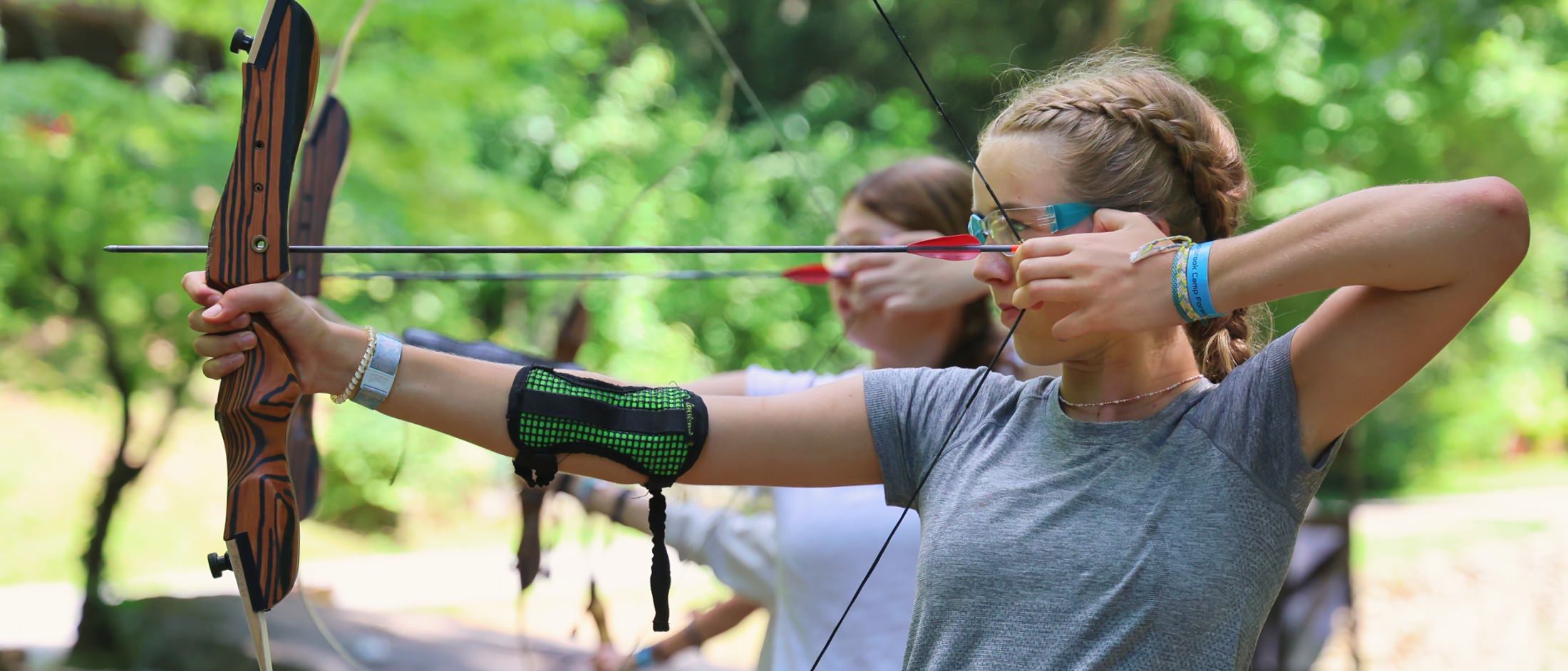
  • Tell her you’re proud – It’s a great accomplishment just being at camp, making so many decisions on her own, navigating the social aspects, taking care of everything without parents guiding every step. You should be proud of your camper! And she should be proud of herself! Tell her about it. “It’s cool you’re doing this on your own.” “I’m so happy you’re trying horseback riding.” “I saw a photo of you shooting archery. That’s amazing!”
  • Add a bit of fun – This is your chance to get creative. Toss in a new “dad joke,” tell a silly riddle, or compile a funny “top 5 list.” You are providing a little entertainment, or a chuckle she can share with cabin mates and friends. “Q: Where do pirates get their hooks? A: Second-hand stores!” “It really takes guts to be an organ donor.” “I ate a clock the other day. It was very time consuming.” “Here are my top 5 hidden talents.” Word games for older campers, brainteasers and other puzzles are always fun to receive.

What to Avoid in Your Letters

After these good ideas, there are also things to avoid. Some topics can stir up emotions in kids away from home. They might feel guilty about being away, or worried about how parents are doing, for example. What should parents NOT talk about in their letters to camp?

child zip line scream
  • News of exciting events they’re missing – Nobody enjoys skipping something they like, especially kids who might already be missing the comforts of home. Try to avoid making your camper feel torn about what’s happening without her. Don’t say, for example, “We’re going to the beach this weekend” or “We ate dinner at your favorite restaurant.” Feeling left out is hard for everyone.
  • Emotional manipulation – The risk here is that your feelings of missing your camper will make her feel guilty. Yes you miss them, and you love them, but your job is to encourage their independence while they are away at camp. Don’t undermine that by suggesting people at home aren’t doing well. Avoid saying things like, “The house feels so empty without you,’ or “Your sister (or family pet) is sad and really misses you,” or “I don’t know what to do without you here.”
  • Vague concerns – Avoid discussing your own specific concerns, even in vague terms. The adult world can be a jumble of anxieties, but camp is designed to be a break from all that. Don’t bring up problems or issues campers can’t solve or control. Some campers are easily worried about life outside of camp, so don’t hint at anything concerning, even if you think they should know eventually. For example, don’t say, “There’s a lot going on, but we’ll tell you later,” or “Grandma was in the hospital, but she’s fine now.”
  • Pressure and expectations – Be careful not to pressure your camper with high expectations for her time at camp. You want camp to be her experience, something self-directed and enjoyed at her own pace. Let her choices be her own. Similarly, avoid nagging her about schoolwork, room cleaning, or other home responsibilities. For example, avoid asking, “Why are you taking so many crafts activities?” or “Why aren’t you writing me back?” or “There’s a big pile of summer reading books here for you.”
  • Big things happening at home or in the world – Generally, waiting for your camper to return home is the best time to discuss troubling news. Camp is a haven, a happy place immune from heavy things in the world like natural disasters, sad family events, and incidents of violence. It’s easy to understand why it’s best to avoid discussing anything that might be frightening for a child. Avoid speculative language that may feed anxiety. If you feel you must share some troubling news with your camper, please reach out to us beforehand to coordinate how we can support the process.

Writing to your camper doesn’t have to be complicated. Instead, just keep these tips in mind and rest assured that “getting it right” is mostly about expressing your optimism about the camp experience, and your firm belief in your child. By writing this kind of encouraging letter, by cheering them on from afar, you’re helping your camper get more out of camp. So go ahead, write her a letter. It will truly mean a lot to her.
silly summer camp girl costumes

Second Session Highlights Video – Part Two

Robbie Francis of FrancisFilmworks spent another day this past week filming at Rockbrook, and now has edited this wonderful highlights video for us. Once again it’s a lovely glimpse into the upbeat action that fills our days at camp. The video does a great job of depicting the mood of camp right now, the friendships, the laughter, and the huge variety of fun.

Take a look, and see camp in action!

Been There All Along

There’s a word you’re likely to hear when people describe their camp experience, a word I’ve heard from teenage campers, staff members and adult camp alumni alike. It’s “magical.” When trying to convey how special camp is to them, how extraordinary it feels to simply be at camp, they’ll talk about the “magic of camp” or that “camp magic.”

two girls friends at summer camp

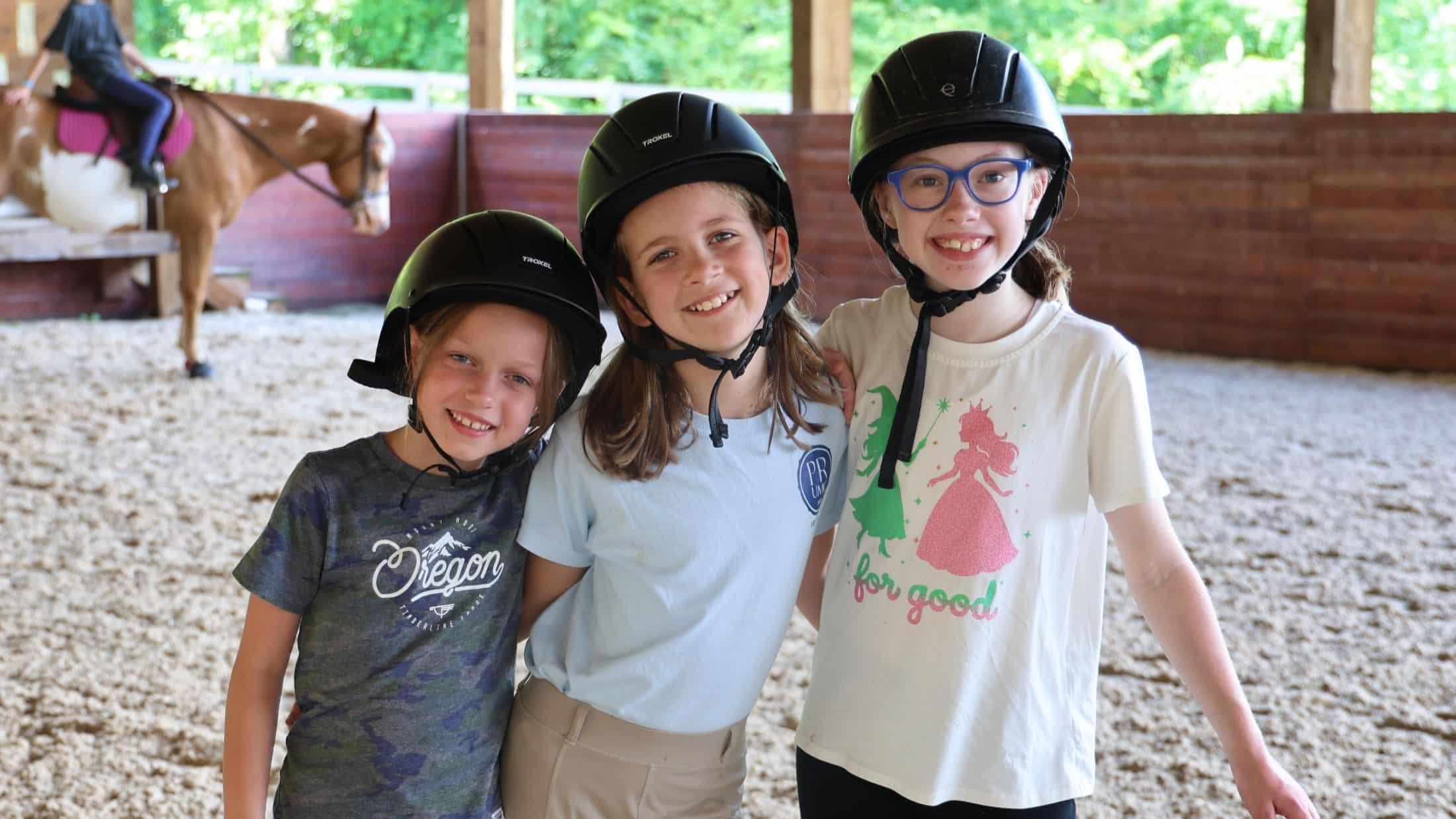
Yes, camp life is marvelous. It’s awesome, amazing, fantastic. It’s so much better than the “mundane world,” with everything having a little something extra, some power or spirit. That’s why camp friends are your closest, camp sunsets more beautiful, muffins more delicious, being silly more hilarious, and feelings of belonging more genuine. Camp life reveals a magical quality in even the simplest things, enlivening our days wonderfully.

But how does it do that? The sunsets, muffins, and the excitement of a rafting trip are probably pretty similar to what can be found elsewhere. There’s probably nothing material that would make camp life distinctly better than non-camp examples.

So what makes it magical? If there’s something profoundly different about camp life that fills it with amazing people, flashes of beauty, moments of wonder, and surprising feelings of deep happiness, then how?

Here’s an idea.

I believe camp provides the conditions where we can notice what’s been there all along. In other words, the magic is already here; we just don’t see it in our ordinary daily lives. Camp doesn’t have a special power to create magic. Rather, it inspires us simply to become more aware of subtle qualities always available in the world around us.

Rockbrook proves that everyone is a potential friend. It shows us how the briefest encounter with the natural world is wonder-full. Here, conversations are driven by curiosity rather than criticism. Camp days are filled by doing things in the real world, exercising all our senses. Here, what might seem ordinary or routine comes alive with new details, chances to learn and create.

That’s the power of camp, how it’s magical. It encourages a “receptive awareness” that reveals the magical quality of things. By lifting kindness up as its highest ideal, it helps us be generous and see beyond ourselves. By giving us a break from the fast-paced demands of work and school, camp helps us slow down and notice the beautiful details in most things. By being a tech-free environment, it liberates us from a worldview limited to algorithms and sensationalism. By encouraging silliness and play, camp teaches us how to be comfortable with who we are. By establishing a truly supportive community, it draws us closer to the people around us. In the outside world, each of these might require a deliberate choice, but they are built right into our camp life… making it yes, magical.

So let’s celebrate the power of camp to tune our awareness, and perhaps reveal the magic in things long after the summer ends.

silly whitewater raftin kids

Good Messy

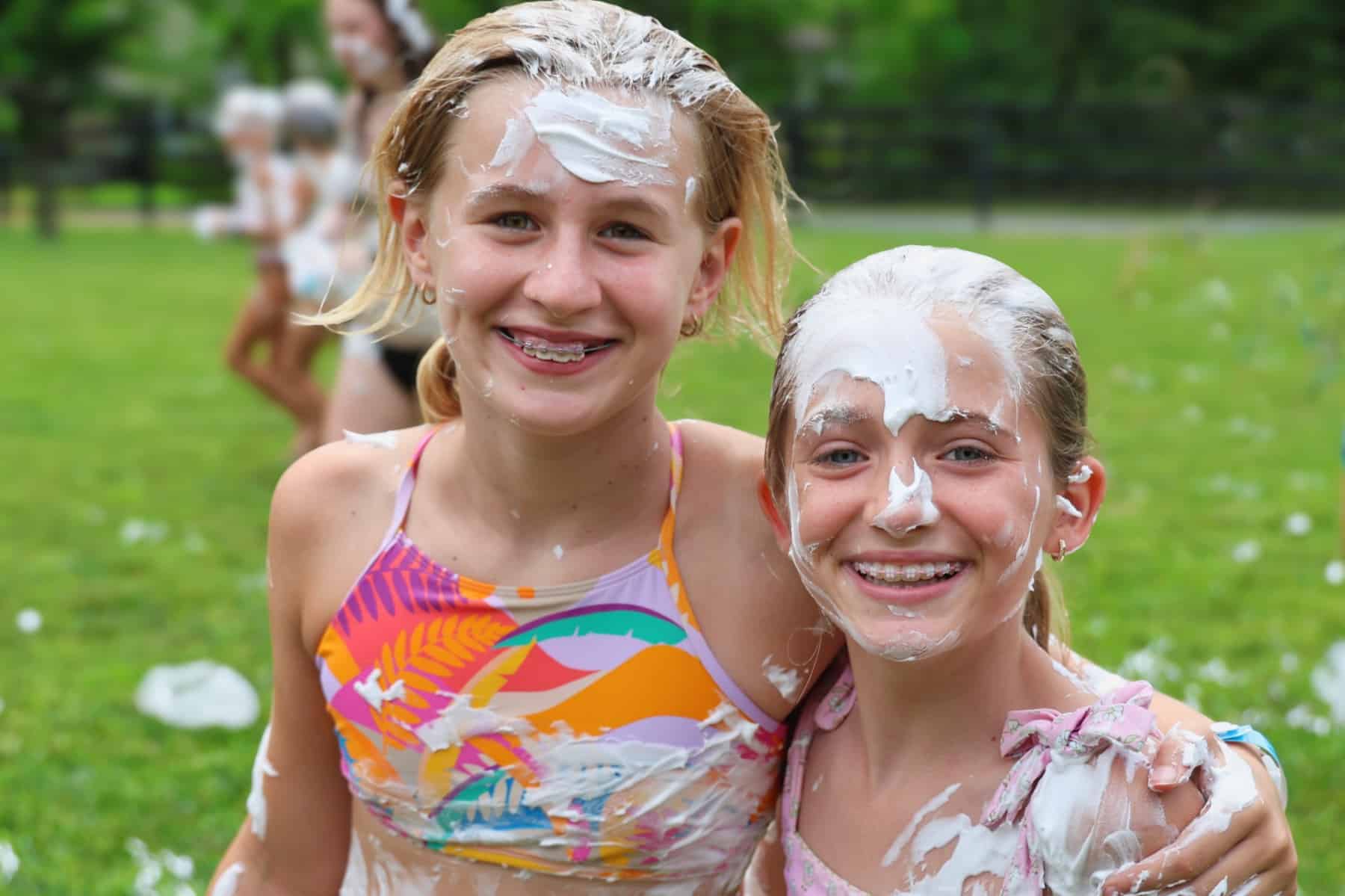
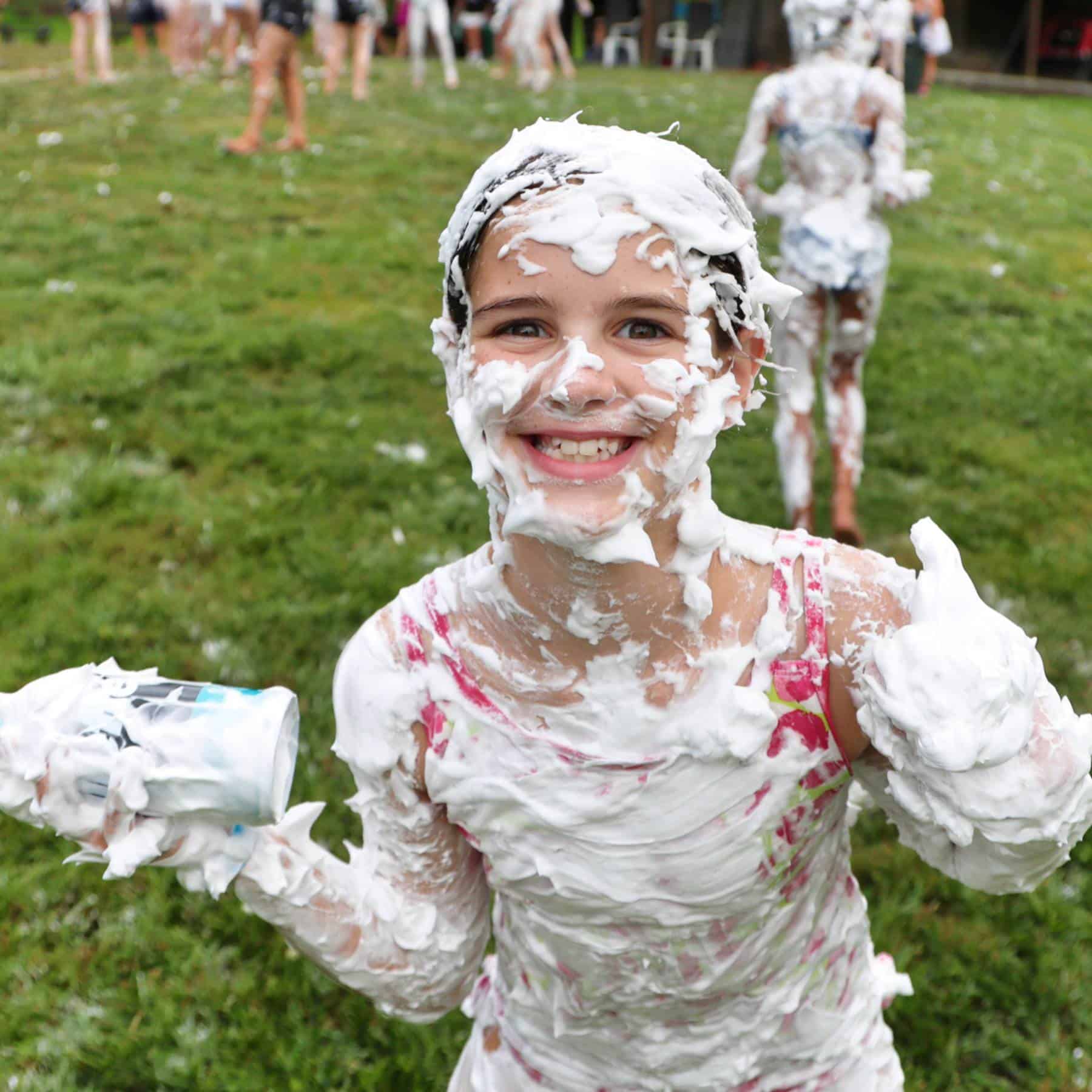
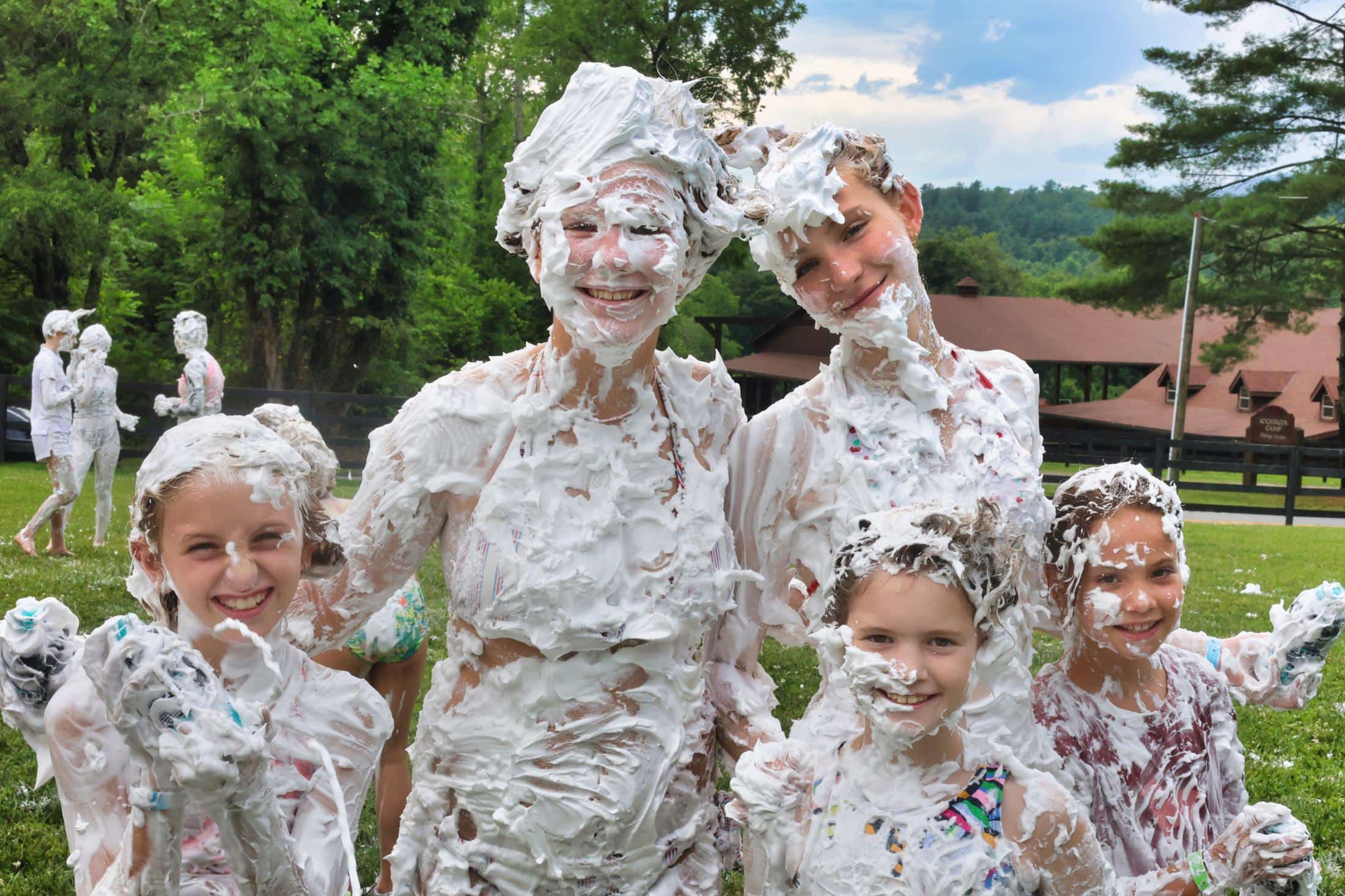
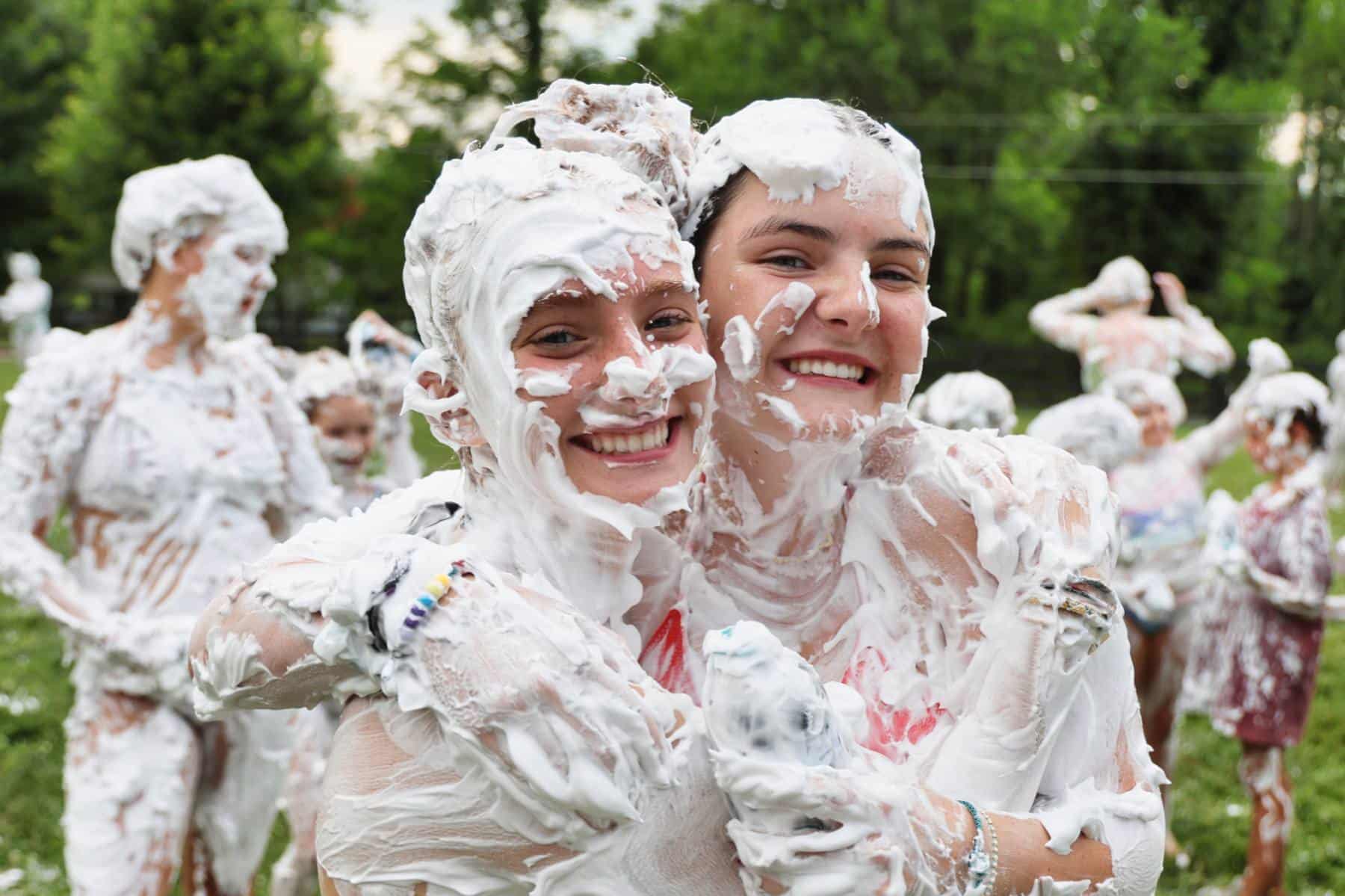
Sometimes being messy is the right thing to do. For example, this afternoon when the bell rang, and everyone rolled down to the landsports field dressed in their swimsuits, our goal was just that, to get as messy as possible. We were having a shaving cream fight! It doesn’t take much: a grassy field, about 200 cans of plain shaving cream, water hoses, upbeat music pumping through the speakers, and that familiar slip-n-slide sheet of plastic spread out on a gentle slope. Add a group of campers and counselors who already know each other extraordinarily well, and you’re set.

summer camp shaving cream fight

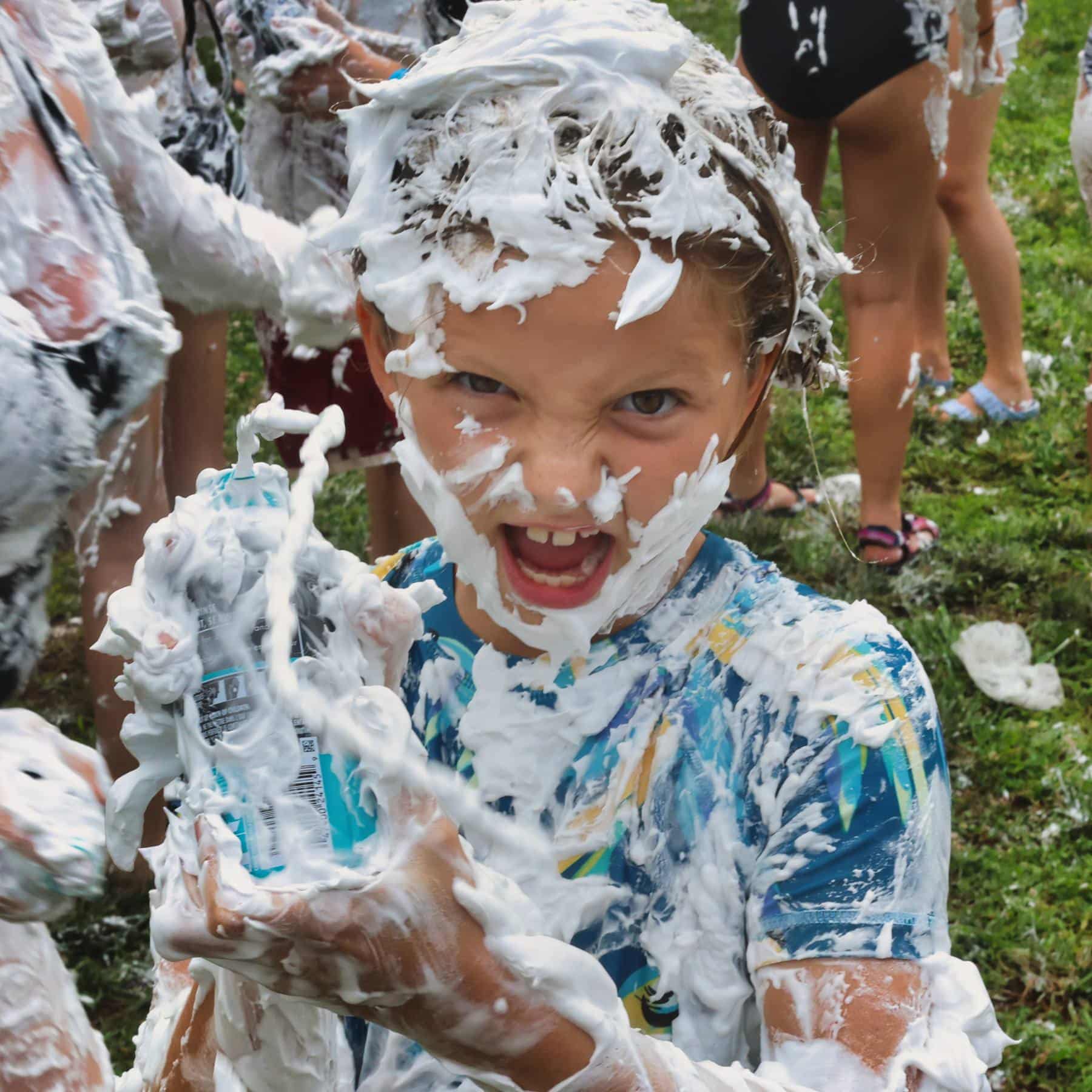
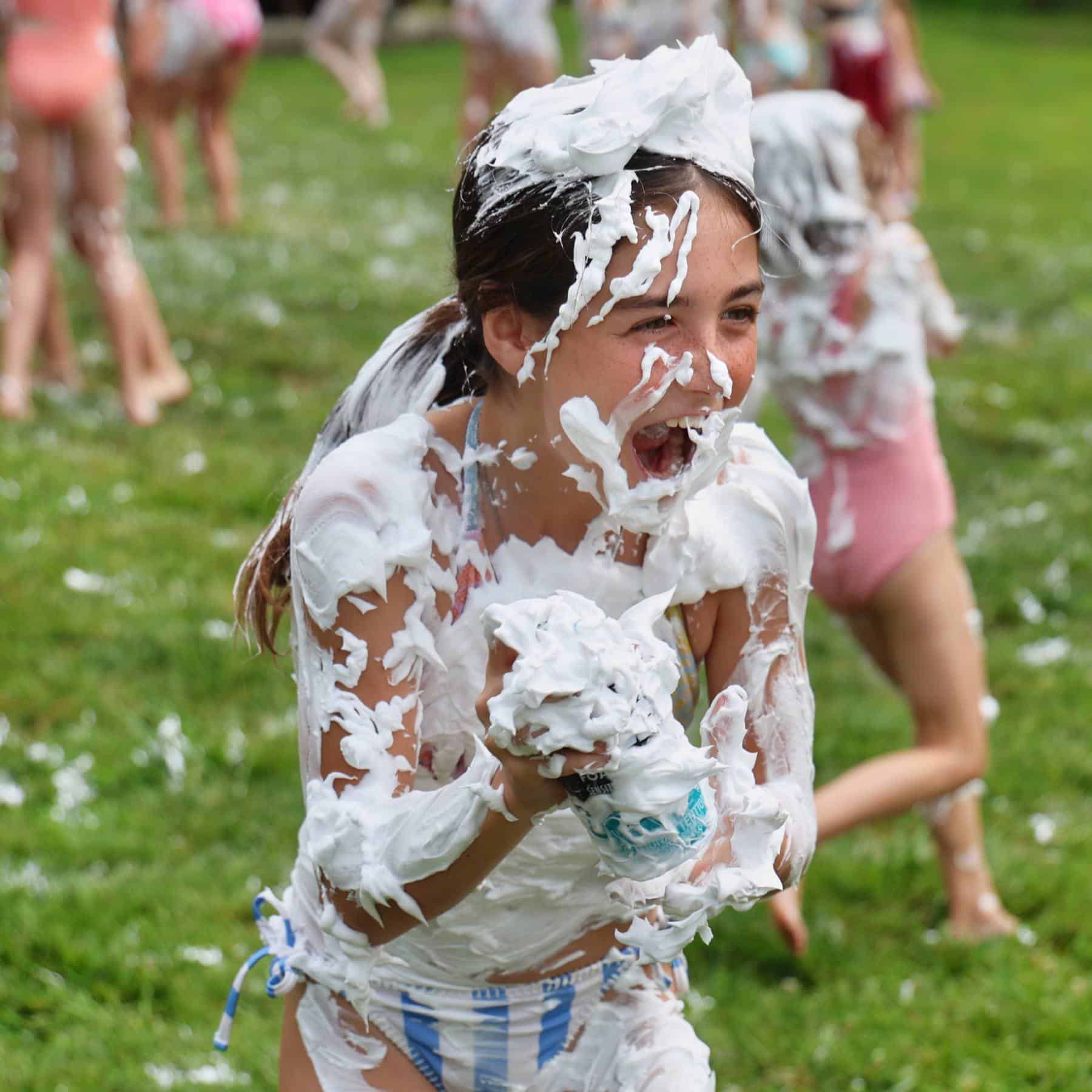
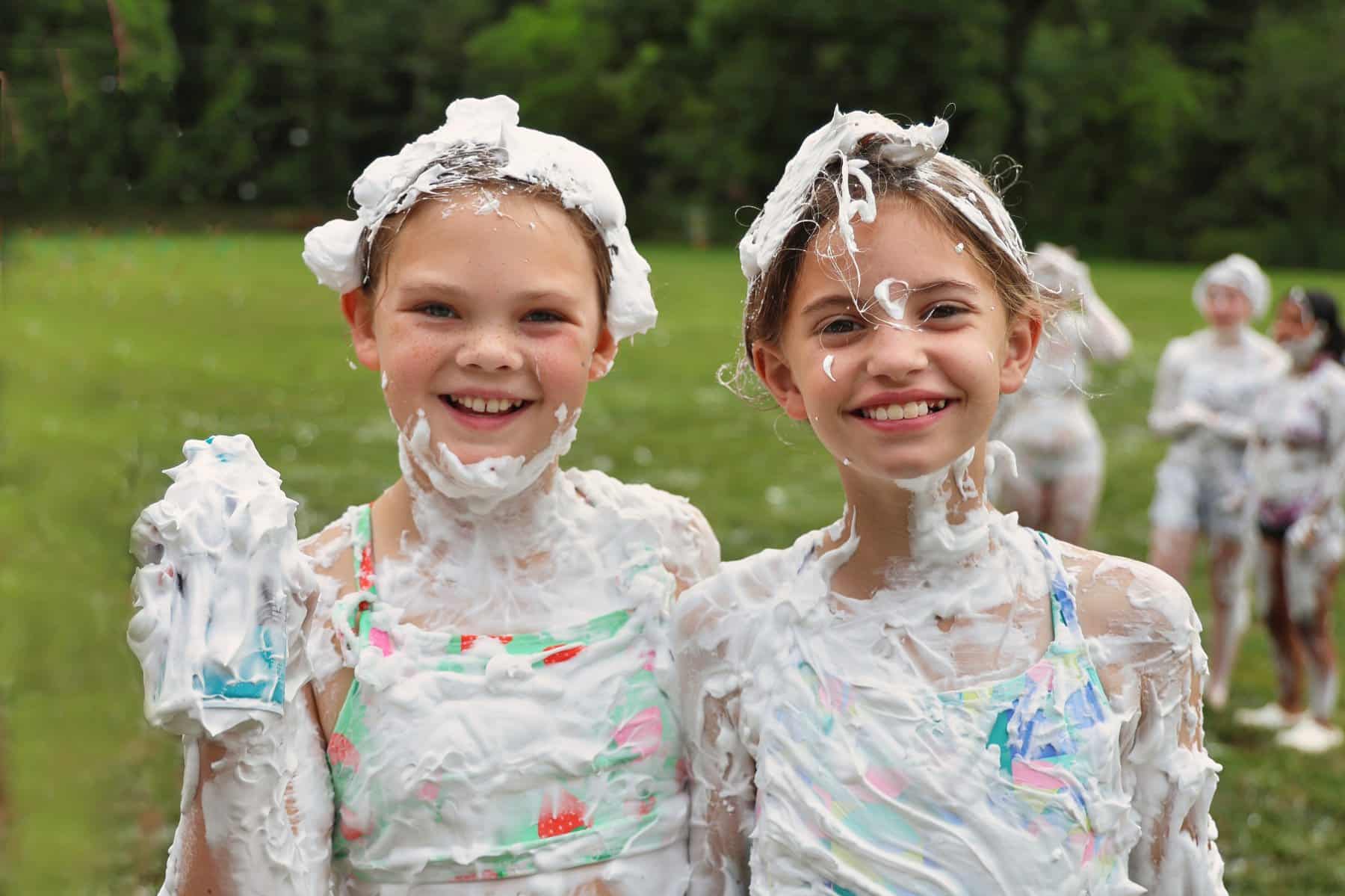
Today it took only about a minute for the field to erupt into joyful chaos. Girls were racing around, squirting white foam everywhere… all over each other, in their hair, on their shoulders, even on their faces, creating ridiculous foam mustaches and beards. The goal of a shaving cream fight is simple. Spray and be sprayed. It’s less of a fight and more of a party. No teams, no score, no winners or losers. Instead, it’s a fantastic flash of pure, uninhibited fun.

Soon everyone was covered head to toe in slippery white foam, looking absolutely ridiculous and loving every second of it. The youngest juniors shrieked with delight as they chased counselors. Seniors helped each other create the most outrageous foam hairstyles imaginable. Rockbrook folks of all ages were right in the thick of it.

Of course, all of this is absolutely hilarious. Being a part of it you can’t help but smile and laugh, the kind of all-consuming laughter that almost hurts. With the slip-n-slide action, girls launching themselves down the plastic sheet, tumbling and rolling with abandon, we had yet another layer of messy fun.

But here’s the thing. Getting messy this way is good for us. It’s good messy!

When you think about it, we spend most of our time trying to stay clean, composed, and put-together. We worry about our hair, our clothes, our appearance. We’re careful not to spill, not to smudge, not to get dirty, or leave things “out of place.” Certainly, this is important, but what happens when we throw all that caution to the wind, even for just a moment?
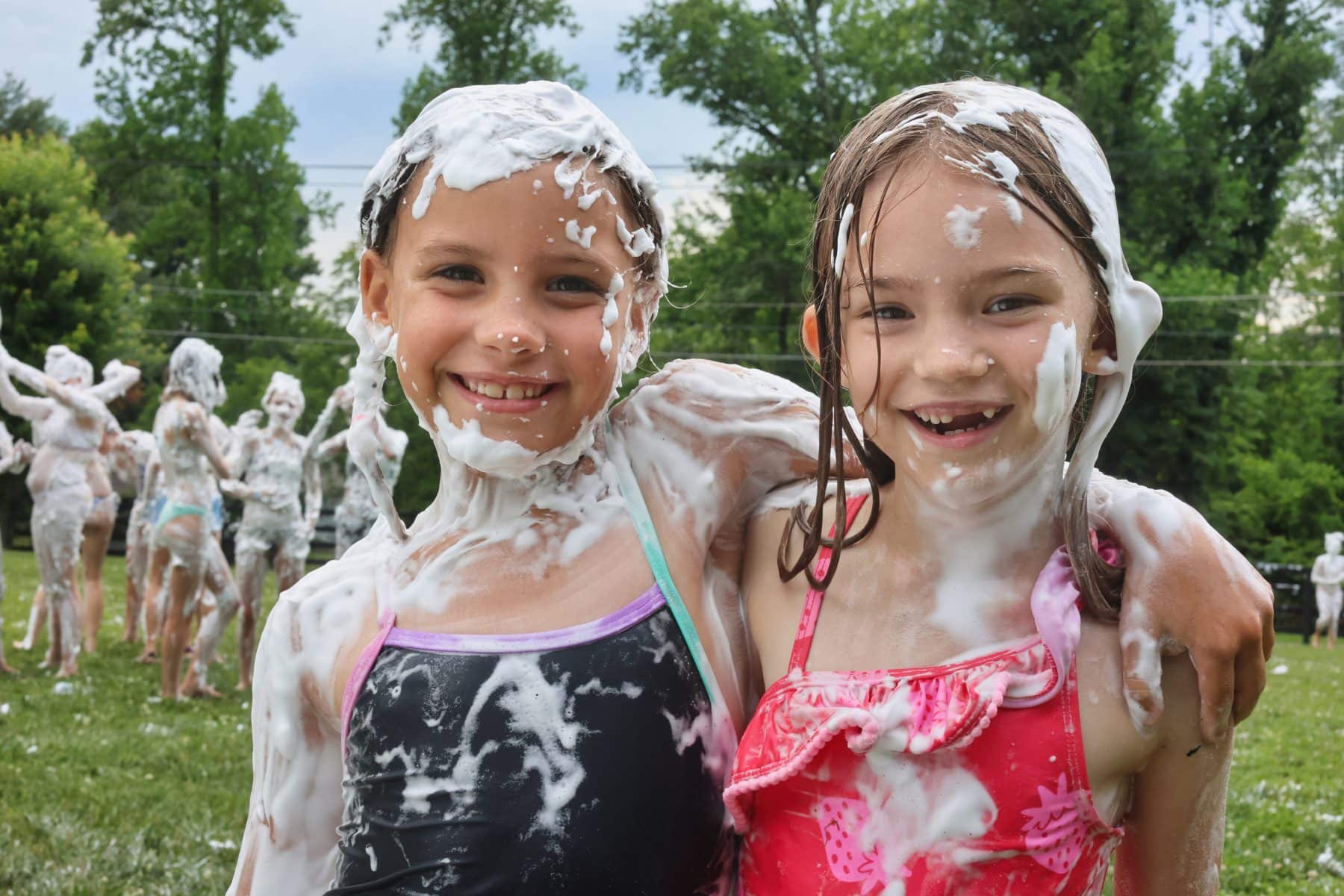
Something magical. Especially for kids. There’s an incredible sense of freedom to covering yourself in shaving cream from head to toe, looking absolutely ridiculous. And when everyone around you is equally silly, you can’t help but laugh at yourself. Suddenly all our usual worries about appearance just… dis-appear in the moment. Part of the energy of a shaving cream fight is the release we feel, the permission to simply be real.

In this way, getting messy is courageous. It requires letting go of control, of perfectionism, of caring what others think. Being surrounded by friends who are doing the same thing makes this all the more possible. A messy shaving cream fight helps everyone be less shy, less worried, less self-conscious. With no rules, we just do. With no critics, there’s a lot more joy.

This is why we keep having shaving cream fights at Rockbrook, session after session. Sure it’s about the fun, but it’s also about learning something. For young girls, it’s about learning there’s freedom and joy in being who you really are. Being messy, ignoring any notion of “perfect,” is a window into that authenticity.

In a world that so often demands perfection from our girls, sometimes the most radical thing we can do is (first remove their phone! then) hand them a can of shaving cream and say, “Go get messy.” Because in that mess, they discover something really valuable: the feeling of being completely, authentically, joyfully themselves.

camp shaving cream slide

Second Session Highlights Video

OK! You may have been waiting for it, and we’re thrilled to share it… it’s the latest highlights video from Robbie Francis of FrancisFilmworks. You might remember his videos from past years, going all the way back to 2015!

Robbie has returned this summer, once again working his filming and editing magic to capture the sweet interactions, vast activity, and overall feeling of life at camp.

It can sometimes be hard to grasp all that goes on at Rockbrook. But now’s your chance! Take two minutes to watch this video, and you’ll get a pretty good idea.

Enjoy!

Summer Thrills

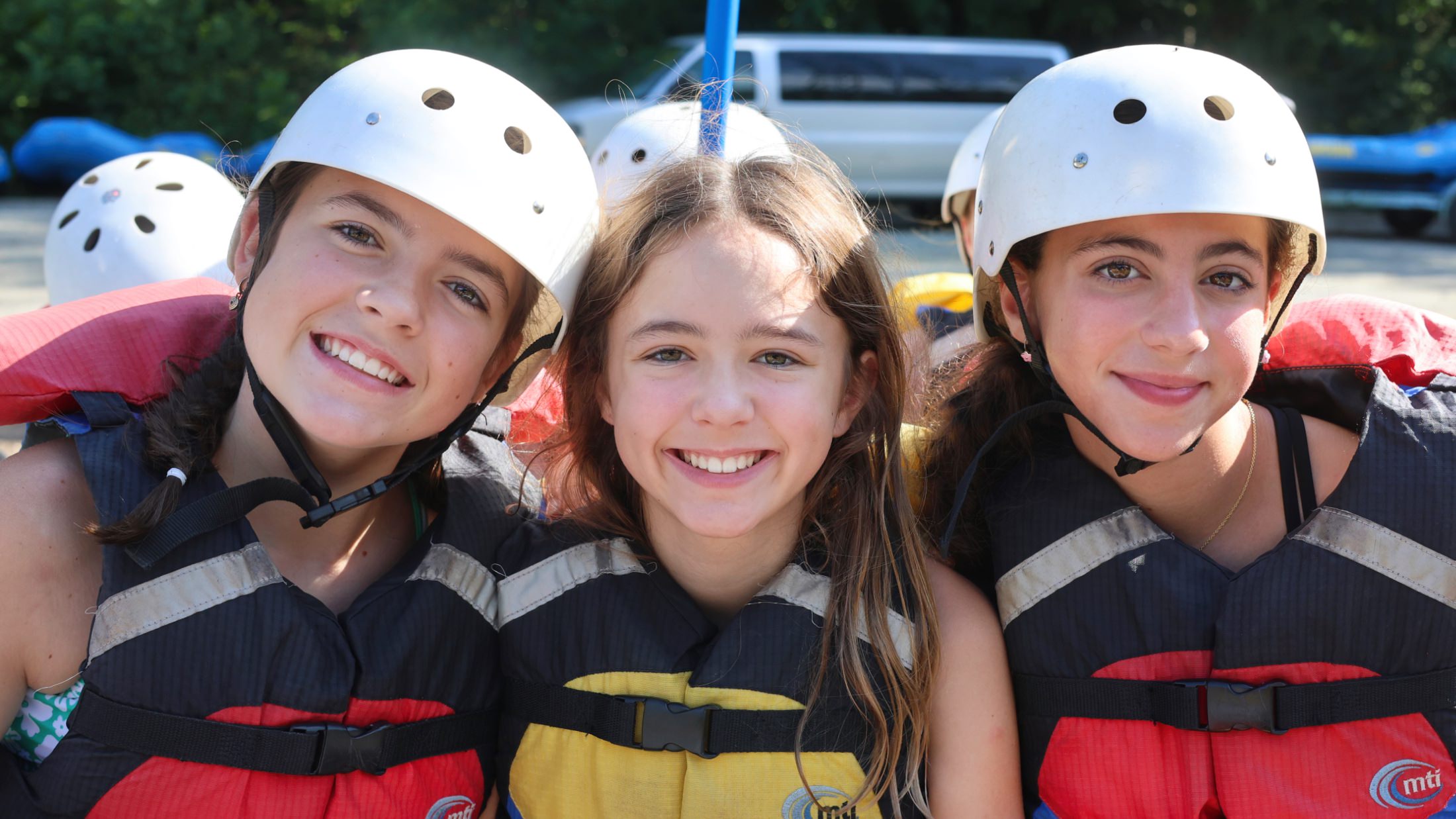
Yesterday we took two groups of girls whitewater rafting on the Nantahala river, a group of Seniors in the morning and Middlers in the afternoon. Cool morning fog turned into absolutely perfect rafting weather with bright sunshine and warm temperatures, an ideal combination to buffer the 50-degree water. Both trips were equally lucky by avoiding the spotty thunderstorms that were forecast for the day.
camp rafting day

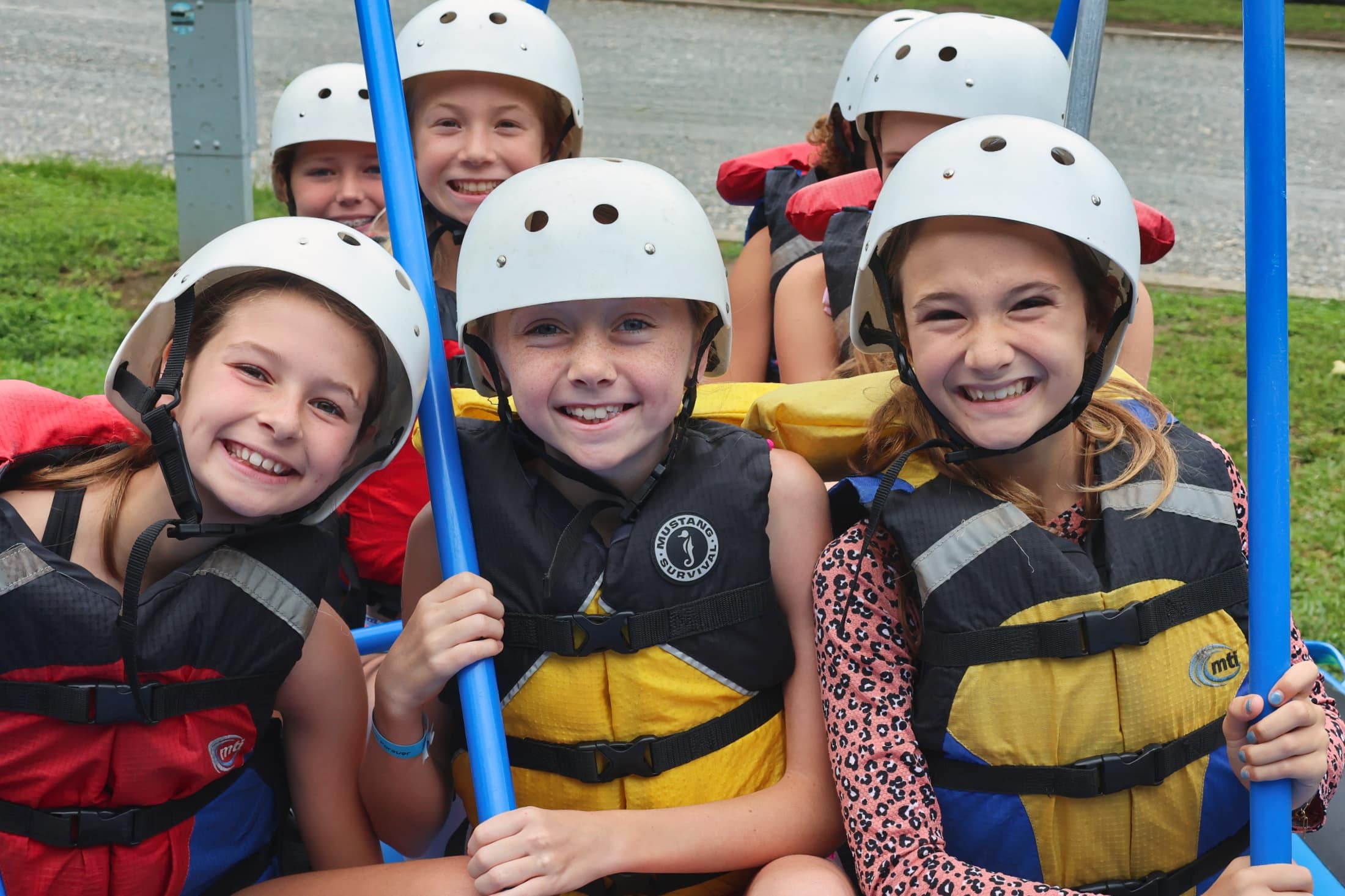
Weather like this adds to fun, the playful, silly, often hilarious ride along the river. These rafting trips are a complete blast! The 2-hour trip, from put-in to take-out, alternates between calm floating sections and heart-pounding splashy rapids that send the girls screaming and laughing with delight. Along the way, each boat poses for the camera, waving, making a “high five” with their paddles, or “playing dead,” for example. Of course, falling out of the boat is part of the experience, sometimes accidentally when the boat hits a rock unexpectedly, and sometimes intentionally as a chance to cool off. Either way, those left in the boat work together to pull the swimmer back aboard, all while roaring with laughter. This kind of camaraderie can’t be beat.

The final rapid, a thrilling Class-III double-drop called the “Nantahala Falls,” is an awesome finale. It never fails to deliver high intensity, wide-eyed screams as the boats drop in and are briefly engulfed in whitewater. At the bottom, the girls look at each other in disbelief. “Yeah! We made it!” Like all great adventures, there’s a sense of celebration, a true feeling of success, afterwards. It’s just one type of fun we enjoy at camp.

summer camp health hut

You probably haven’t heard, but we rebuilt the Rockbrook Health Hut this year. What was once a staff cabin called “2×4” had been converted into the camp infirmary back in the 1990s. It was a small building that served us well, but recently as our team of nurses has grown (now 5 per session) to meet the increasing health care needs of our campers and staff, we decided more space would be helpful.

We worked with a local architect, and now have a wonderful, perfectly suited building. Most significantly, we now have a dozen air-conditioned overnight beds, quarantine rooms, efficient medication storage, additional bathrooms, treatment rooms, nurses’ office and accommodations. My favorite part is the covered porch on the front, with its stone approach, outdoor lighting and seating. We love how the building turned out and are really happy that the entire Rockbrook community can now enjoy the upgrade. Be sure to stop by and see it the next time you’re at camp!

camp whitewater thrills

Stronger than you Think

As we launched into our first full day of activities at camp, it’s marvelous already. Literally, there are marvels everywhere. Girls are dancing and laughing, already singing as loud as they can, cheering with abandon. They’re stomping and skipping all over these Rockbrook hills making their way between shooting archery and rolling slabs of clay. They’re down at the barn tacking up horses and over at the Alpine tower climbing on belay. They’re swimming in the lake and playing in the sun. Looms are clicking and ukulele strings are being strummed. It’s astonishing how over there tennis balls zoom over the net, while over here girls zoom through the trees on the zipline.

With so many activities all happening simultaneously, it’s not surprising a typical day at Rockbrook is busy in this way. Everybody is involved. Everyone is switching gears between sports and the arts, between adventure and a surprise encounter with a friend. You might find it surprising, however, just how effortlessly your girls are taking to all this camp action.

It’s only the first day of camp, and they’re showing a natural openness to the challenges of new activities. It might be aiming her target rifle, or steering her tandem canoe, or cutting a piece of wood accurately. It might be mustering the nerve to join a square dancing line, or to “wet exit” after flipping upside down in a kayak. They’re not shrinking away from any of this, not giving in to perhaps little doubts or worries. No, instead they’re feeling the pull of supportive, caring friends, and giving everything a go. Along with simply being away from home, these girls are proving they’re strong.

I think that’s one of the best lessons kids learn while at camp. Around here success follows challenges, realizing “I did it!” follows “I’m not sure I can.” Let’s put it this way… Camp proves for kids, “You’re stronger than you think.” The result of realizing this strength is greater confidence and courage, both qualities we all hope kids can embody as they grow. Another way to say it is “camp is empowering.” It’s the perfect recipe for a young person, nowadays more than ever as uncertainties and worries seem all too common.

I’m sure you can tell from the photo gallery, but let me reassure you. Your girls are doing great. Truly marvelous.

summer camp square dancing