

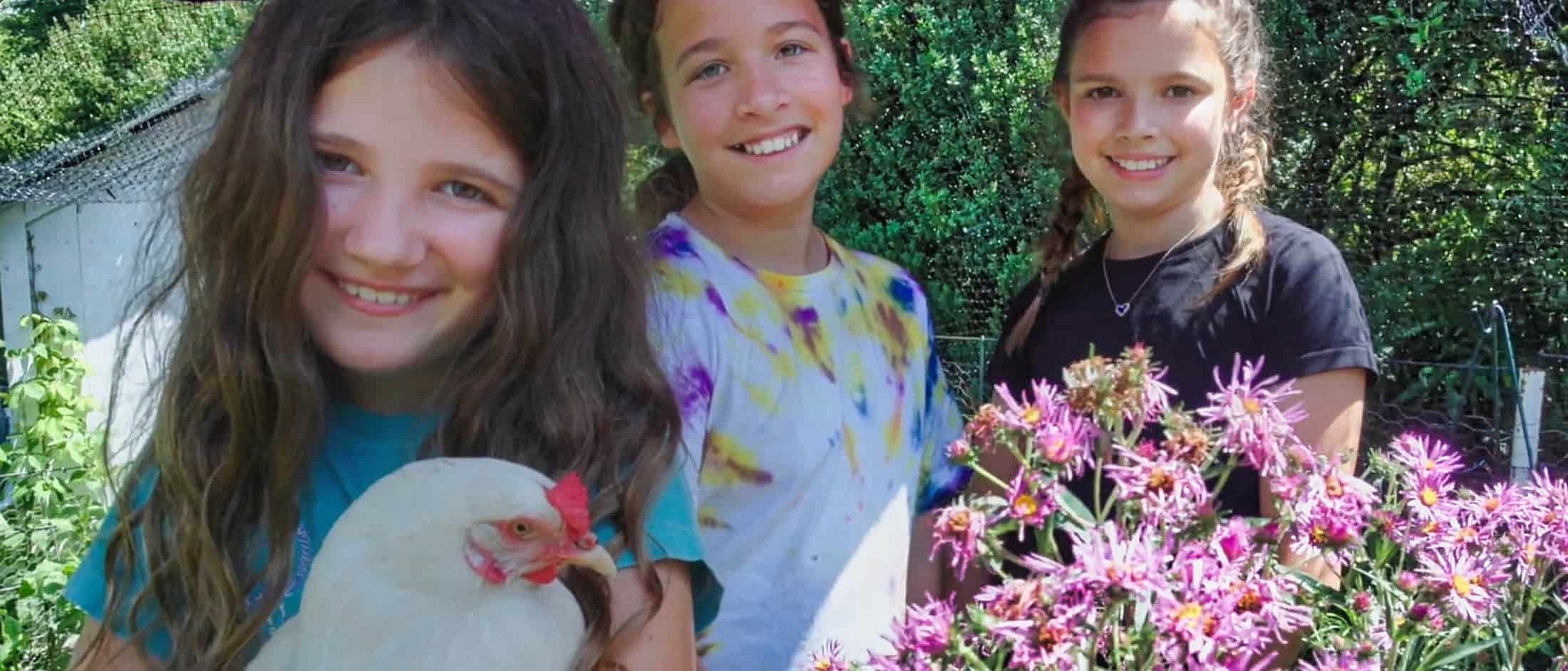
I came across the word “willowwacks” recently and immediately thought of Rockbrook. Pronounced “WILL-oh-wacks,” it’s a noun of uncertain origin meaning a wooded, uninhabited place, a remote and wild stretch of country. It’s separate from civilization, from human-made environments. A willowwacks is a place defined by the forces of nature, alive in fascinating ways.
I thought of Rockbrook because it is, deliberately, a willowwacks. When Nancy Carrier founded the camp more than 100 years ago, she knew its location was special. She wanted campers to fully experience these mountains of western North Carolina, to know them closely, personally. She thought it important for camp to be embedded in the forest, for the activities to grow out of it, for its many gifts to be a daily delight.
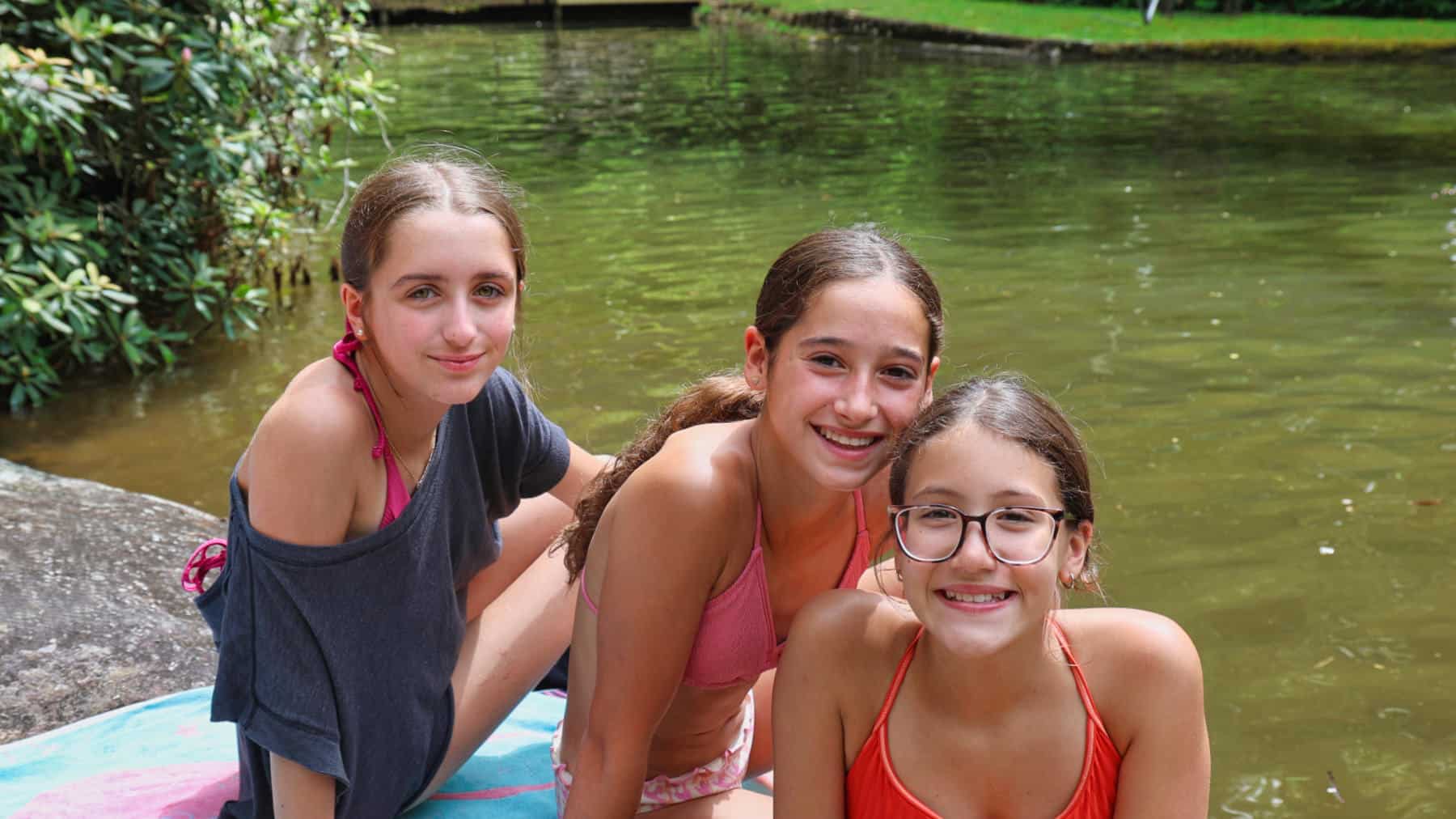
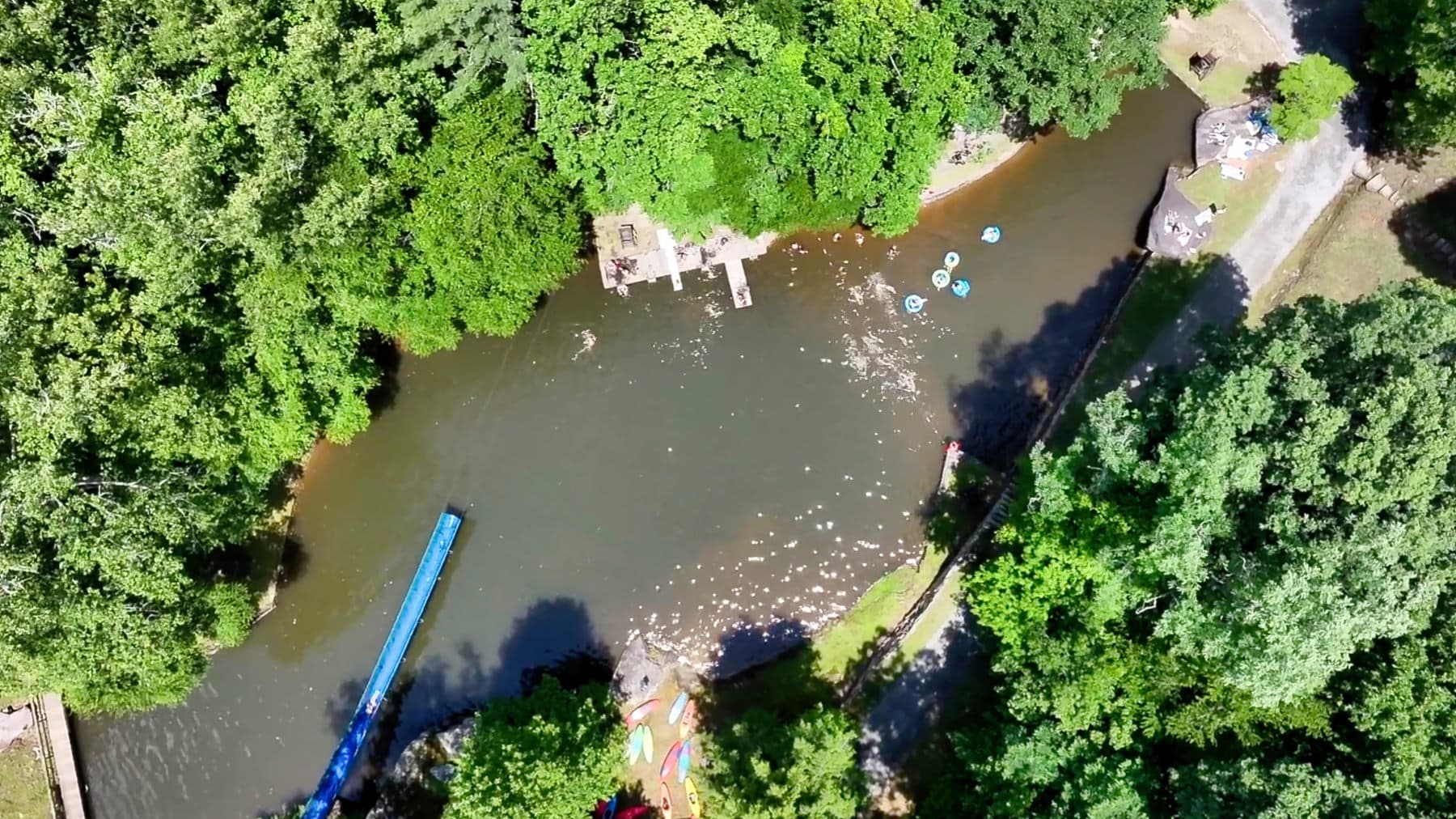
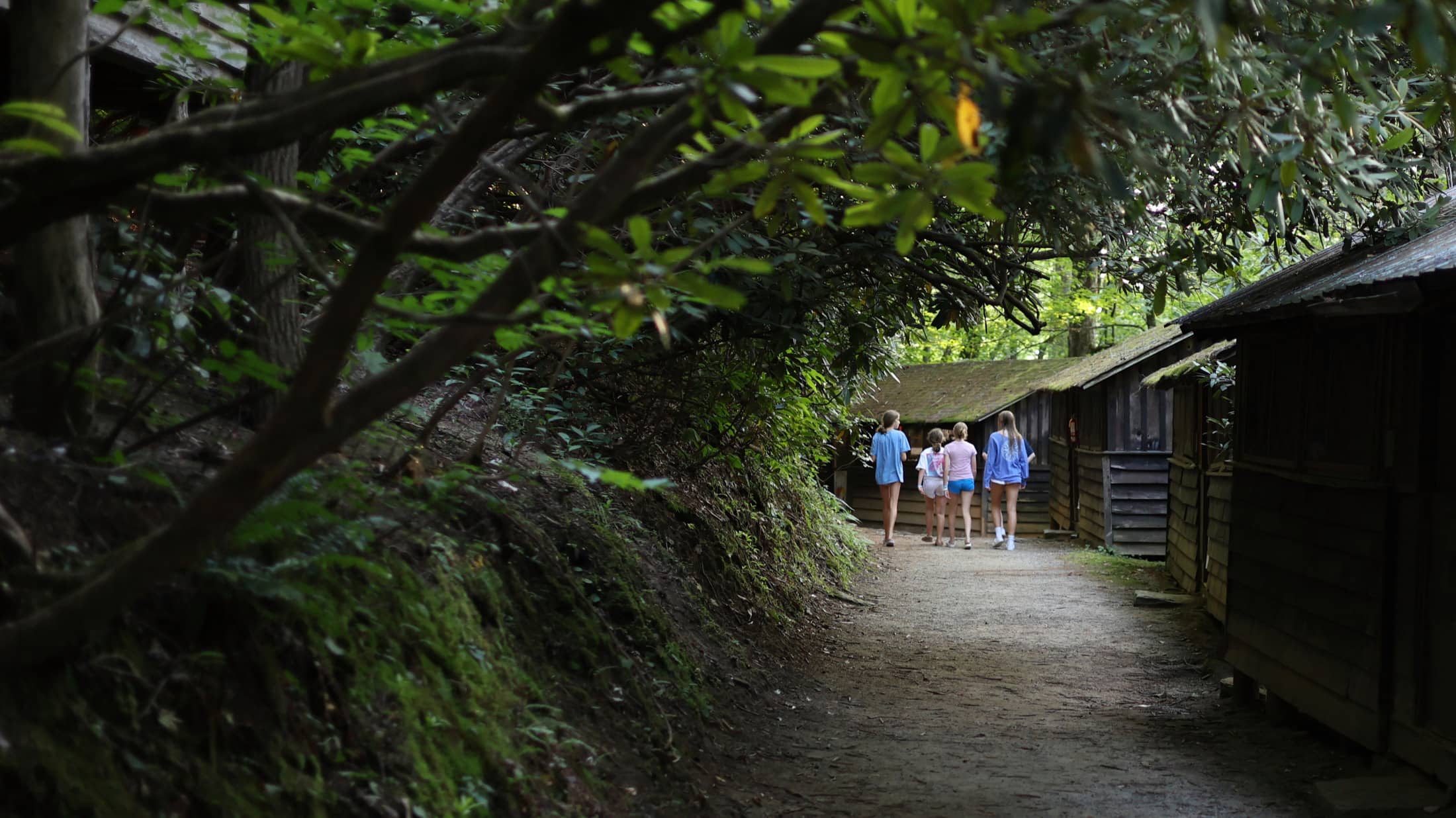
That’s why at Rockbrook, even these 100 years later, we all love the chill of the mountain water feeding our lake. That’s why we can hear pileated woodpeckers, spring peeper frogs, and rain chattering on the metal roof of our cabins. That’s the reason we’re surrounded by ancient trees, massive boulders and sparkling waterfalls. At camp we’re greeted by fog in the morning and glowing sunsets at twilight, by twisting roots and vines, pads of moss and clusters of ferns. Every breath fills us with a freshness you can sense immediately. Being this close to nature, face to face with a rich sample of its power and beauty, is at the core of our camp experience.
Of course, camp also includes modern conveniences and comfortable facilities we can name (for example, really nice bathrooms), but our aim over the years has been to keep the wild world close, unmanicured, and alive. We’re careful not to straighten every curve and remove every stone in the path. We prune the rhododendron bushes gently, and respect the many forest creatures we live among.
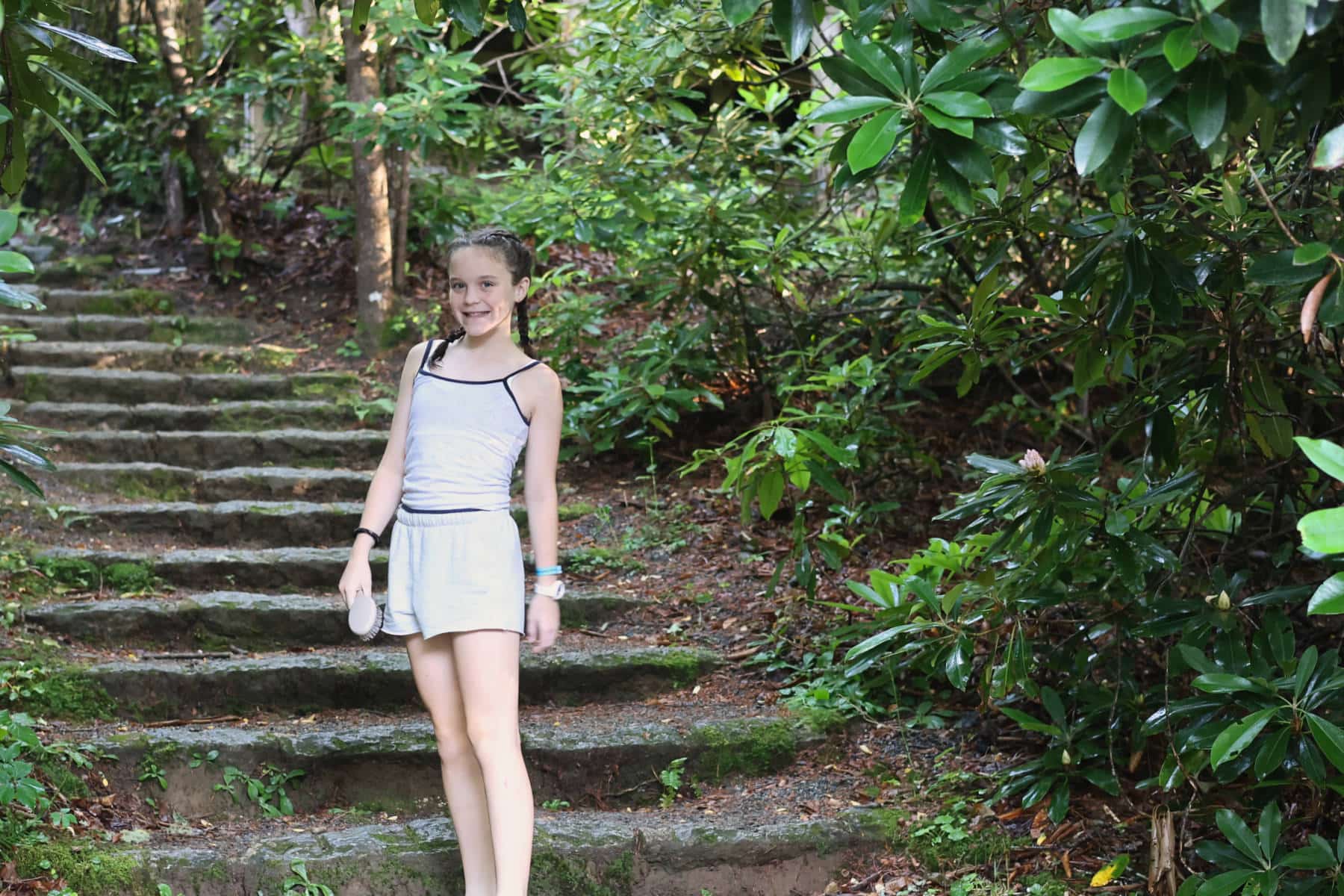
Living for a time in the willowwacks is important because it both takes away and gives back.
When a girl arrives at Rockbrook, one of the first things that happens is a kind of subtraction from her ordinary world. Here she finds a haven. No ambient hum of air conditioning, no social media feed hijacking her attention, no social pressures demanding a performance. At home we’re protected from nature, even completely removed from it most of the time in the name of convenience. At camp, we’re immersed in it. A manicured park might offer beauty, and Disneyland might promise wonder, but neither delivers the real thing. This is what we mean when we say camp provides a break. The willowwacks strips away the hectic pace of modern life, the algorithms curating our sense of reality, and the abstractions that stand between us and the richness of the world.
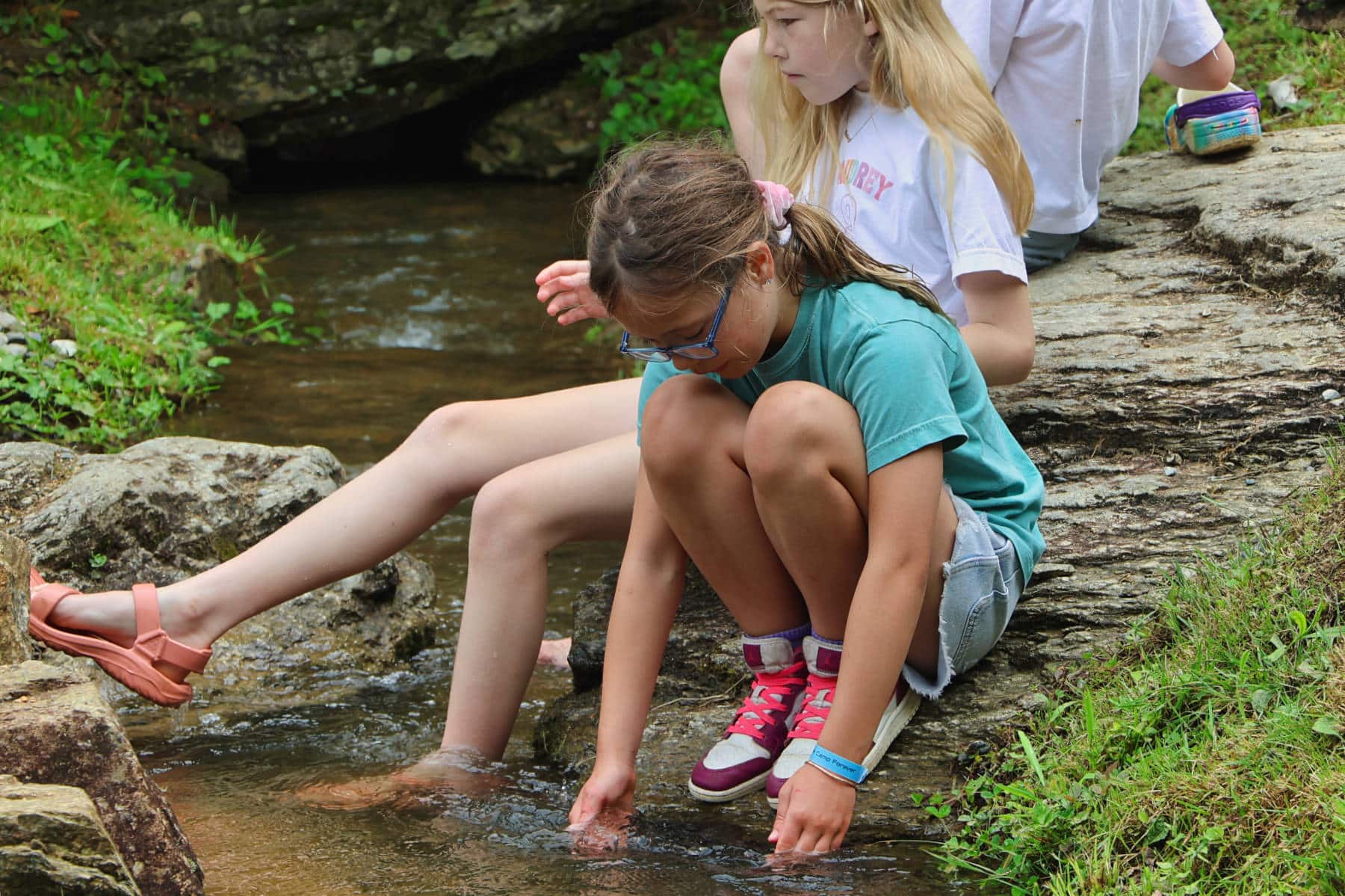
Just as quickly, the willowwacks fills this space with direct experience, unmediated, embodied encounters. It gives back. It continually inspires with breathtaking beauty, layer upon layer of fascinating detail, ancient things, living things. A quick glance in any direction at camp is sure to surprise you with something cool— an orange newt dashing through the leaf litter, a spider building a web, the morning dew on the hill, the rolling of thunder off in the distance, the warm sunshine on your face. The willowwacks brings you closer, connecting you to the real world around you, and to the people likewise enjoying its gifts. Living like this expands your awareness, proving that the world we know is merely a sample of what’s out there. We need merely pay more attention to discover it more fully.
Many children today grow up in spaces that have been carefully developed and maintained, built with pre-defined outcomes. There is nothing wrong with those spaces, but they do diminish access to the willowwacks and its gifts.
Camp thankfully preserves that access. It seems to me, we humans need the willowwacks, and perhaps always have. We need to spend time somewhere that’s immediate and real, not manufactured, somewhere that is simply there, alive, rich and mysterious.
Mostly I just feel grateful. Grateful that this place exists, that girls get to wander through it, and that something as old and unhurried as a forest can still stop them in their tracks with an “oh wow!” How lucky is that.
I want to go to Rockbrook!
I love the blog. Keep up the wonderful beautiful stories about Rockbrook Camp. Makes me feel like I am right there.