

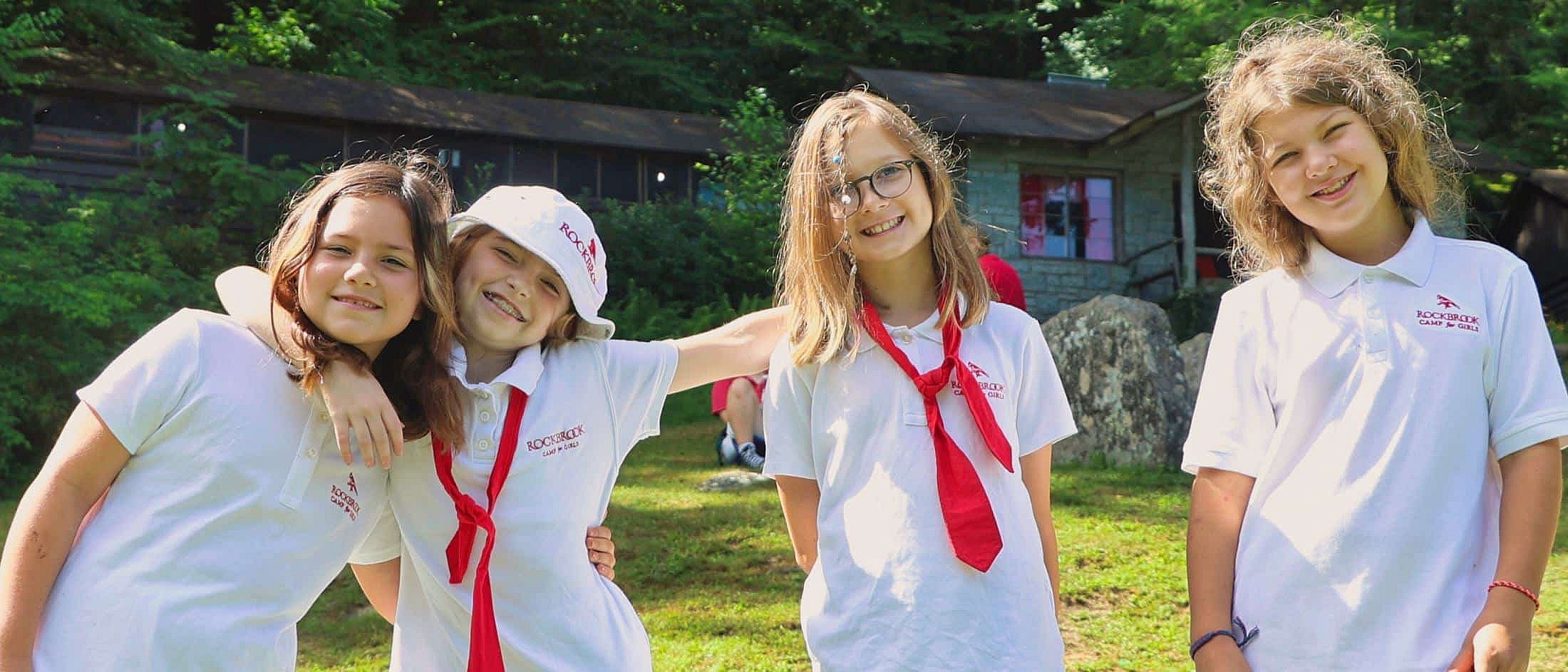
Camp is like an ogre. Or an onion. Or a chicken coop. Or my outfit on any given January day in Michigan.
What I’m trying to say is: camp has layers.
Not to overcomplicate things, but there are, I think, three distinct but interlocking ways to enjoy camp— each one deeper and more profound than the last.
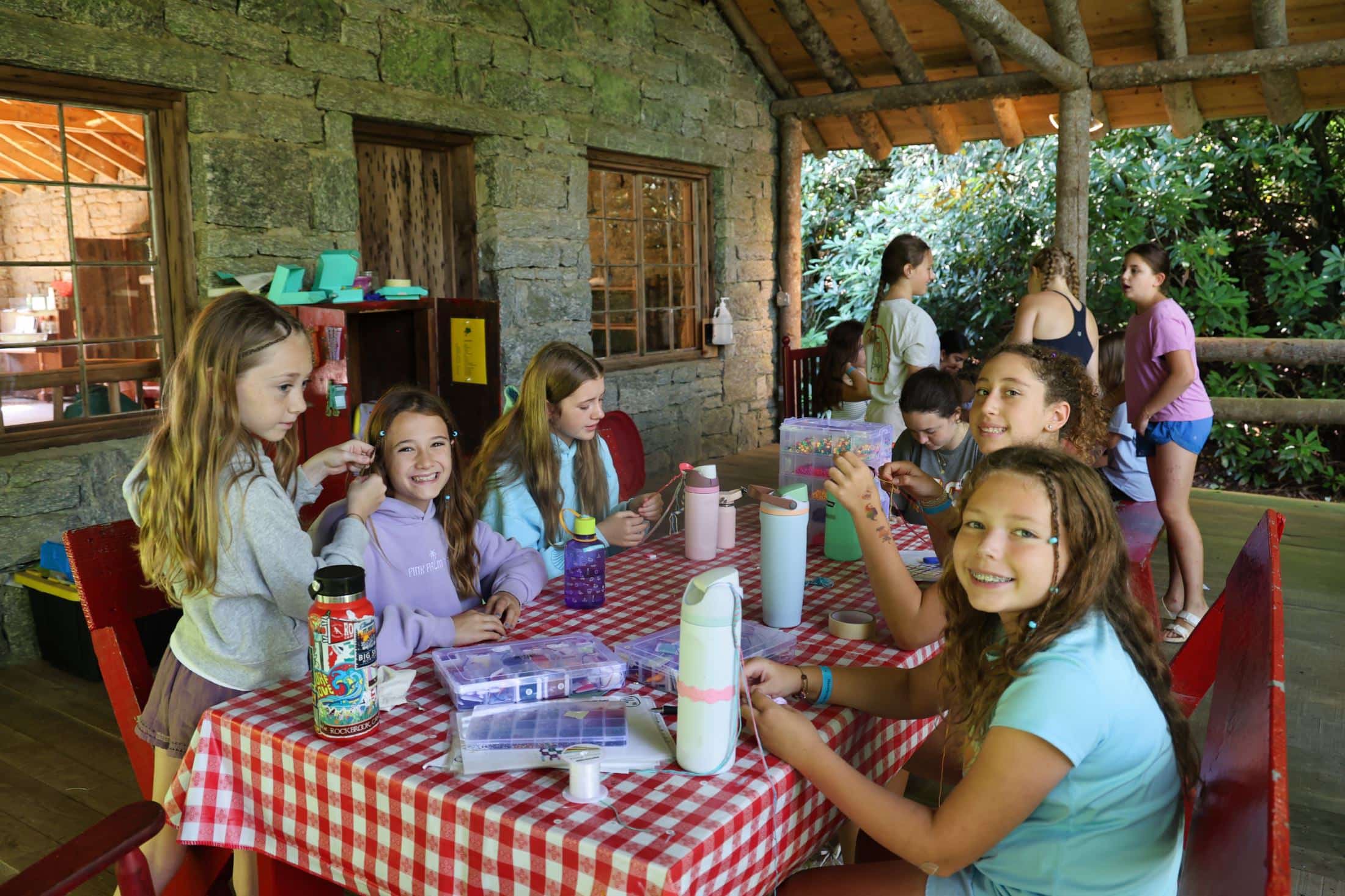
The first level of enjoyment is available to every camper, counselor, and staff member the moment they drive up the hill on opening day. This level is made up of joy and fun and adventure and laughter and silliness and excitement and whimsy and surprise. It’s the thrill of stepping out of your regular life of sleep-eat-school-sports-eat-homework-sleep, and finding yourself in a world where no two days are alike.
The second level of enjoyment finds you gradually, and sometimes isn’t even noticed until later. It is made up of the personal growth that campers experience here at camp.
This level of enjoyment, oddly enough, doesn’t always feel that enjoyable. Sometimes it feels like butterflies in your stomach as you stand at the edge of the dock and prepare to do your swim demo. Other times like looking up from the bottom of the Alpine Tower, and thinking I can’t possibly do this. Or like taking a bite of that unfamiliar food on the dinner table, even if you really don’t want to. Or like squaring your shoulders and telling the girl in your cabin that she hurt your feelings. Or like swallowing your pride and apologizing when you learn you’ve hurt someone else’s.
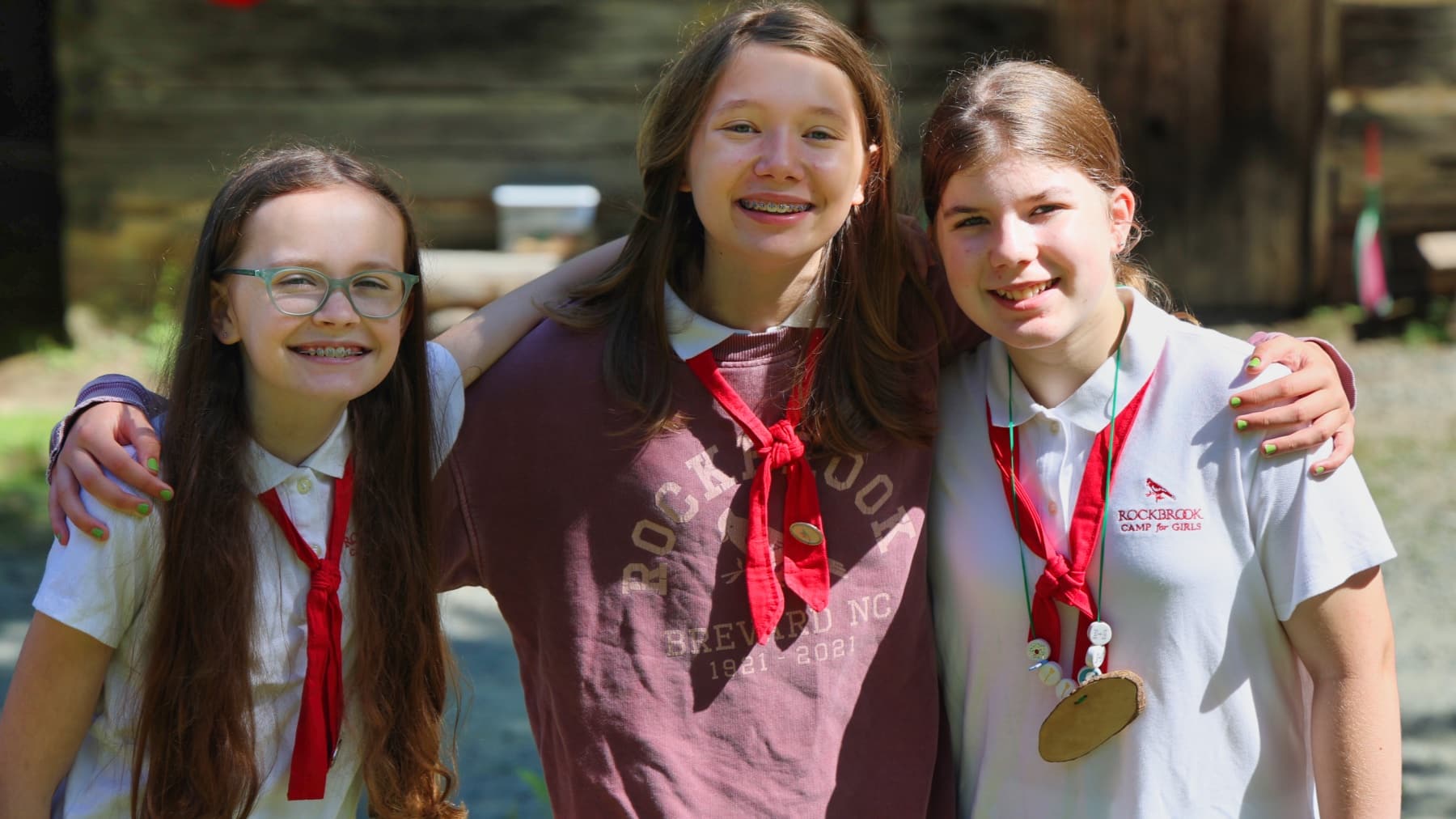
While the first level of enjoyment is fleeting, this deeper level accumulates over time. It is a list of risks, failures, and triumphs that every Rockbrooker builds for herself, here in a place where she knows it’s okay to be scared, to be brave, to fail, and to try again. We hope every camper reaches this level of enjoyment, but that’s not entirely within our control. Camp provides the venue, the support, the encouragement, the challenges—but the campers find this growth for themselves.
The third, and deepest, level of enjoyment isn’t talked about as often as these others—in part because it can be hard to describe. But I’ll try.
This level of enjoyment comes from embracing the sacred traditions of camp. The stories, the songs, and the gatherings that connect us to the 105 years of Rockbrook campers who came before us. These things are sacred not in any religious sense, but in the way that they make us feel like a small, but important part of something that is bigger and older than we are. Sometimes this can feel odd for campers raised in a society that shies away from the sacred, that says traditions are tired and stale, and only the new and exciting are worth our attention. That says approaching something with solemnity, respect, and reflection is “cringe” and embarrassing.
I get it. Looked at one way, it’s silly to dress in uniforms and sing around a campfire. Walking silently down the path to chapel from the hill on Sunday mornings serves no practical purpose. And songs like “The Streams and the Mountains” and “How Did We Come to Meet Pal” aren’t nearly as fun to sing as those Dining Hall songs that let us bang on the tables.
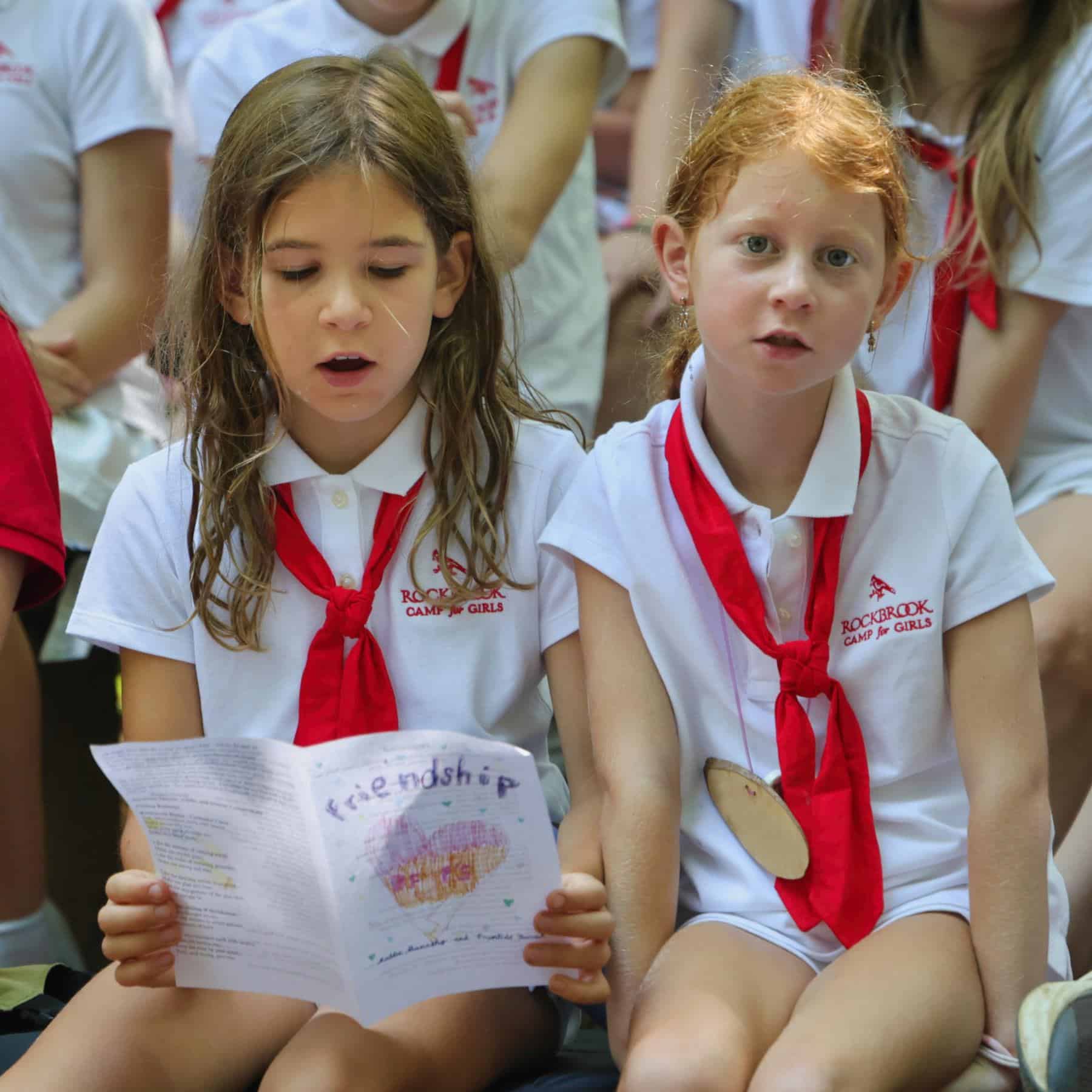
But when our campers allow themselves to embrace these sacred, quiet, reflective parts of camp, they find something that can be found in precious few other places in their lives.
When camp asks us all to be quiet together, we can find a thread within ourselves that we are often too busy and too noisy to notice. It’s a thread that connects us to all the other Rockbrookers sitting around us, winding through us and drawing us closer to one another.
But the thread does far more than that. Because it is a long thread, and an old one. It winds back through the years, the decades, and the eras—back to that first summer in 1921, when Nancy Carrier gathered forty or so girls on her family’s wooded mountain and began to craft this community that we all now belong to.
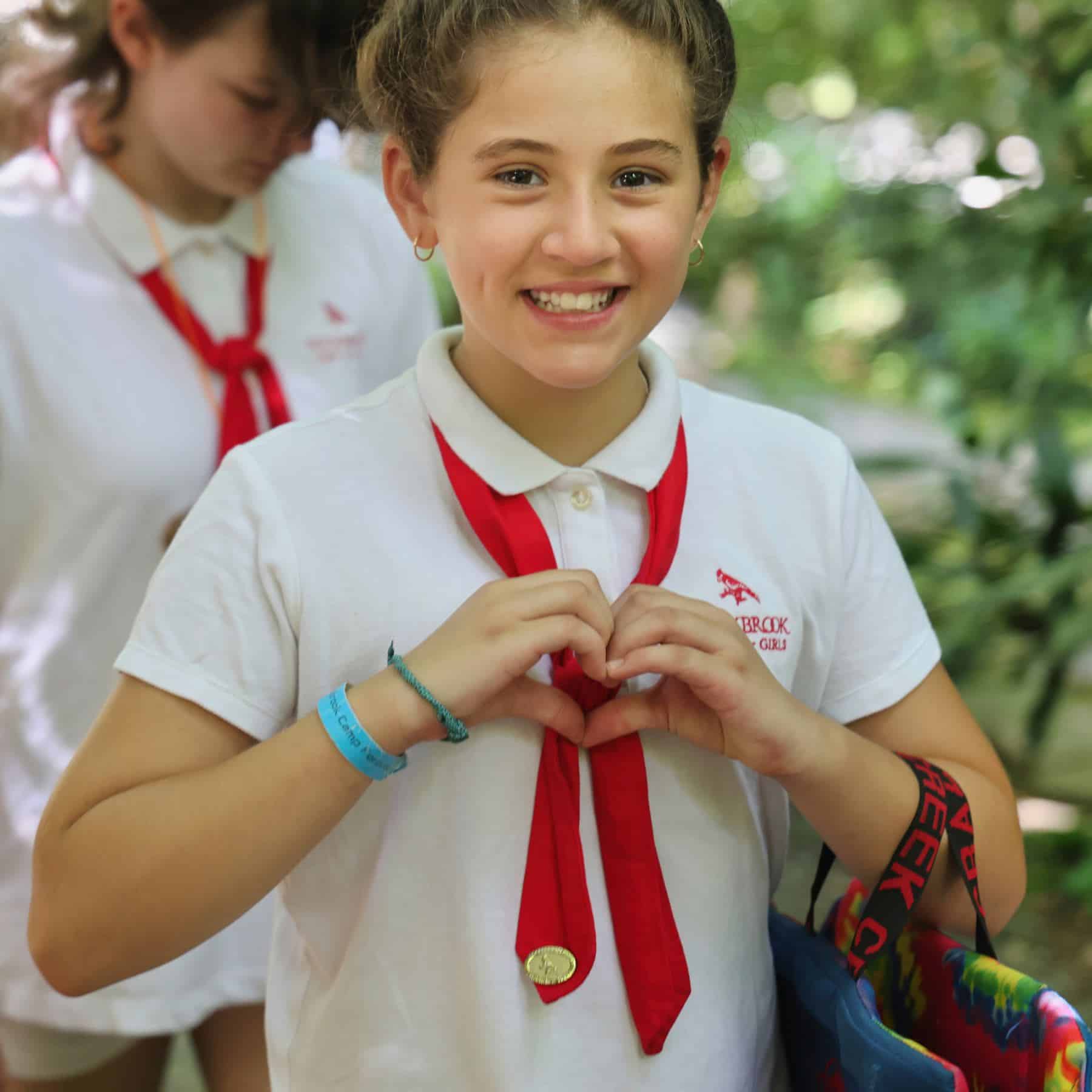
It reminds you that when you put on your red tie, you’re tying it in the same friendship knot that Mrs. Carrier taught her campers to tie that first summer. When you sing “Boom-De-A-Da” around the Spirit Fire, you’re singing the same “mellow harmonies” that campers sang in the days of the Great Depression. When you walk the Path of Silence to chapel, you’re tracing the steps of the thousands of girls who walked it before you. And when you take a quiet moment to breathe in the view from the Junior Lodge porch, your head resting on the shoulder of a best friend you didn’t know existed two weeks ago, you’re joining a love and appreciation for a piece of nature that has been loved by many thousands of women who now remain only in the faint etchings of their names on cabin walls.
When you embrace this part of camp, you become a part of its story. You recognize that one day, long after you are gone, there will be another girl who sits around the Spirit Fire in a red tie like yours, singing the songs that you are singing now. And when she does, though she won’t know your name or where you came from, she will feel a connection to you that is, in that moment, as important as the connection she feels to the girls around her.
She won’t know you, any more than I know Ann Dudley Glenn, a camper from 1924. Or Doris Perryman, who walked these trails in 1939. Or Katie Platter, a Junior in 1955, who wrote in her Carrier Pigeon about the excitement of going down Sliding Rock. But because of these sacred, beautiful, hard-to-describe traditions of camp, she will know, as I do, and as all those other campers did, that we belong to one another, because we belong to Rockbrook.
0 Comments
Comment section