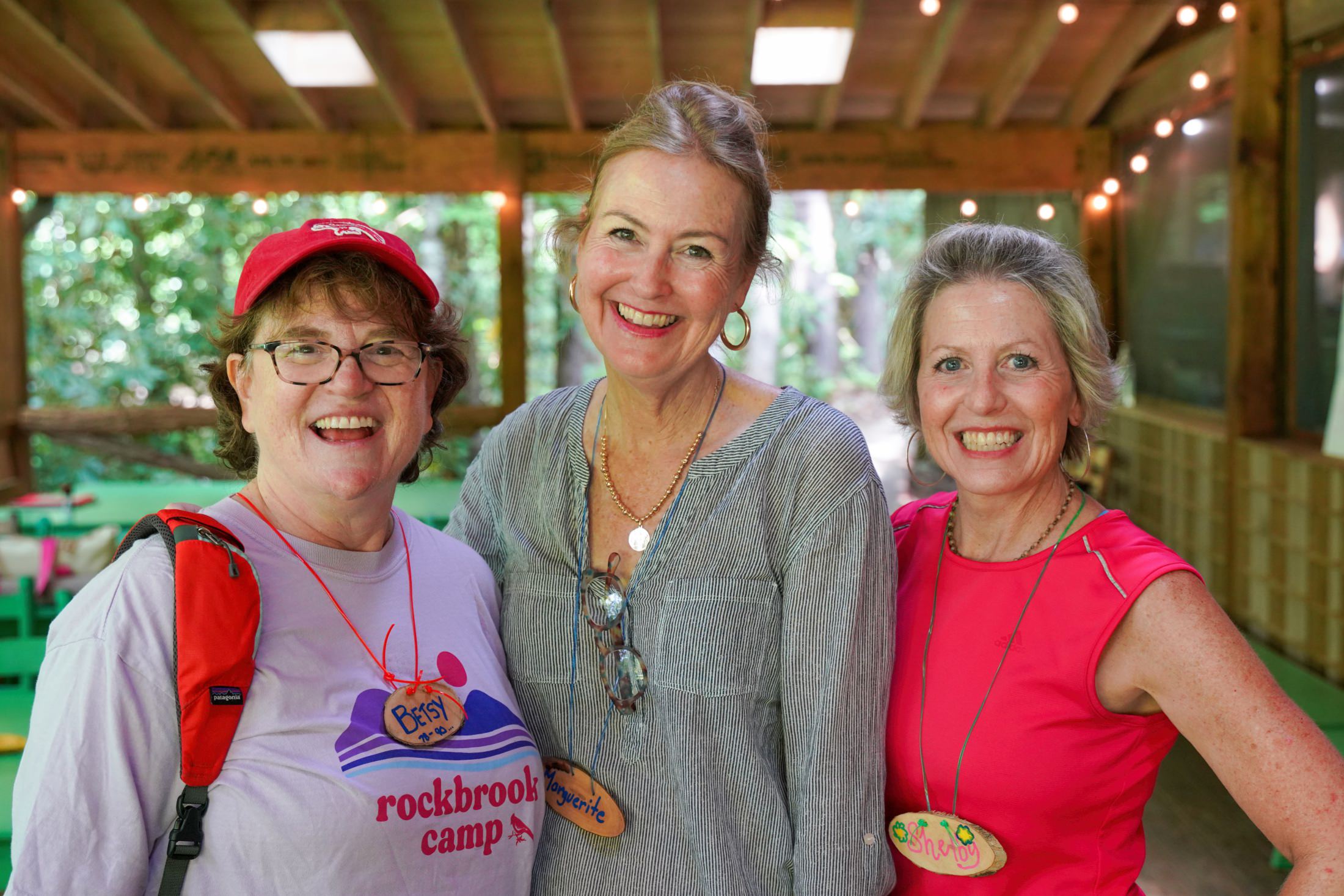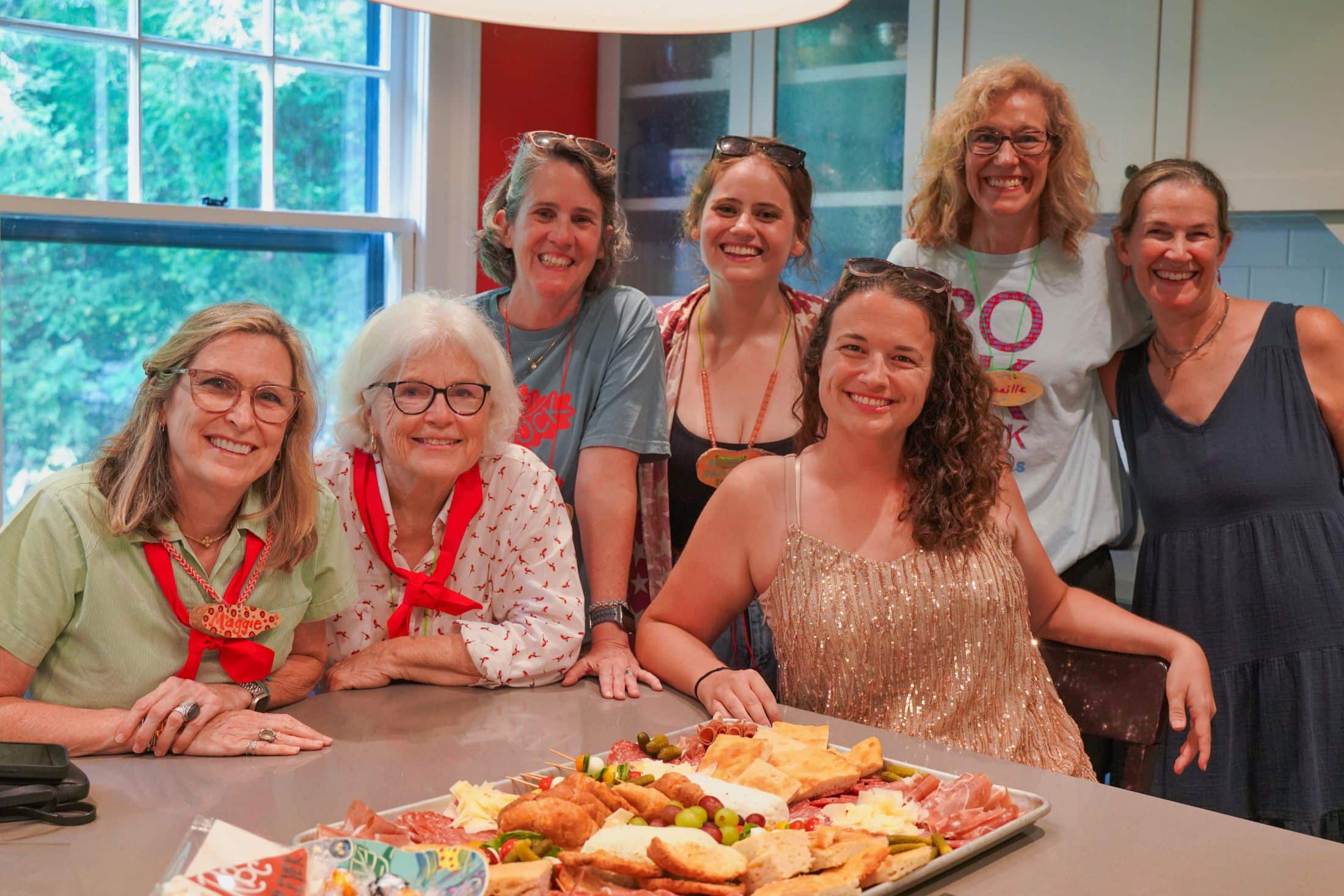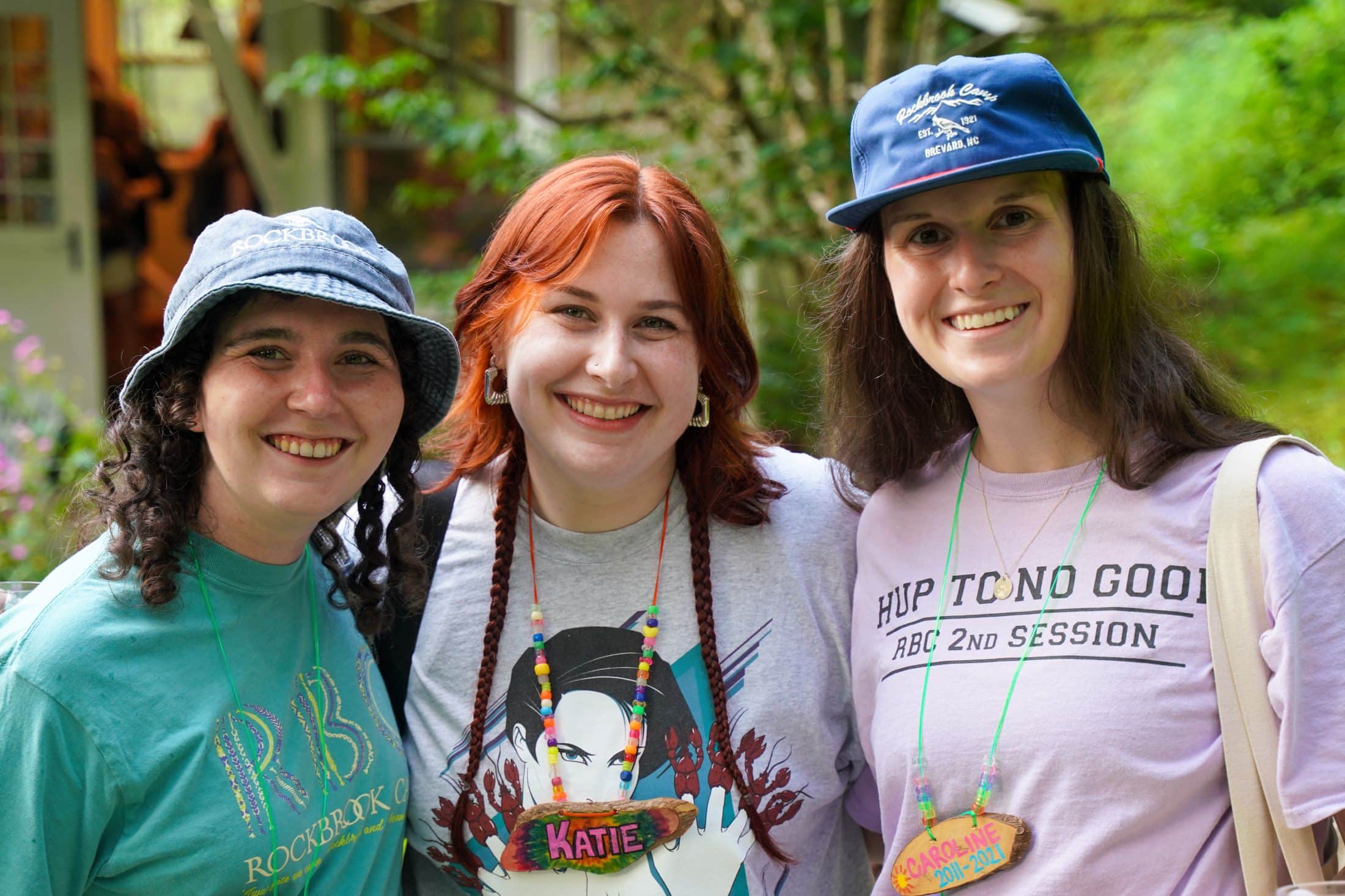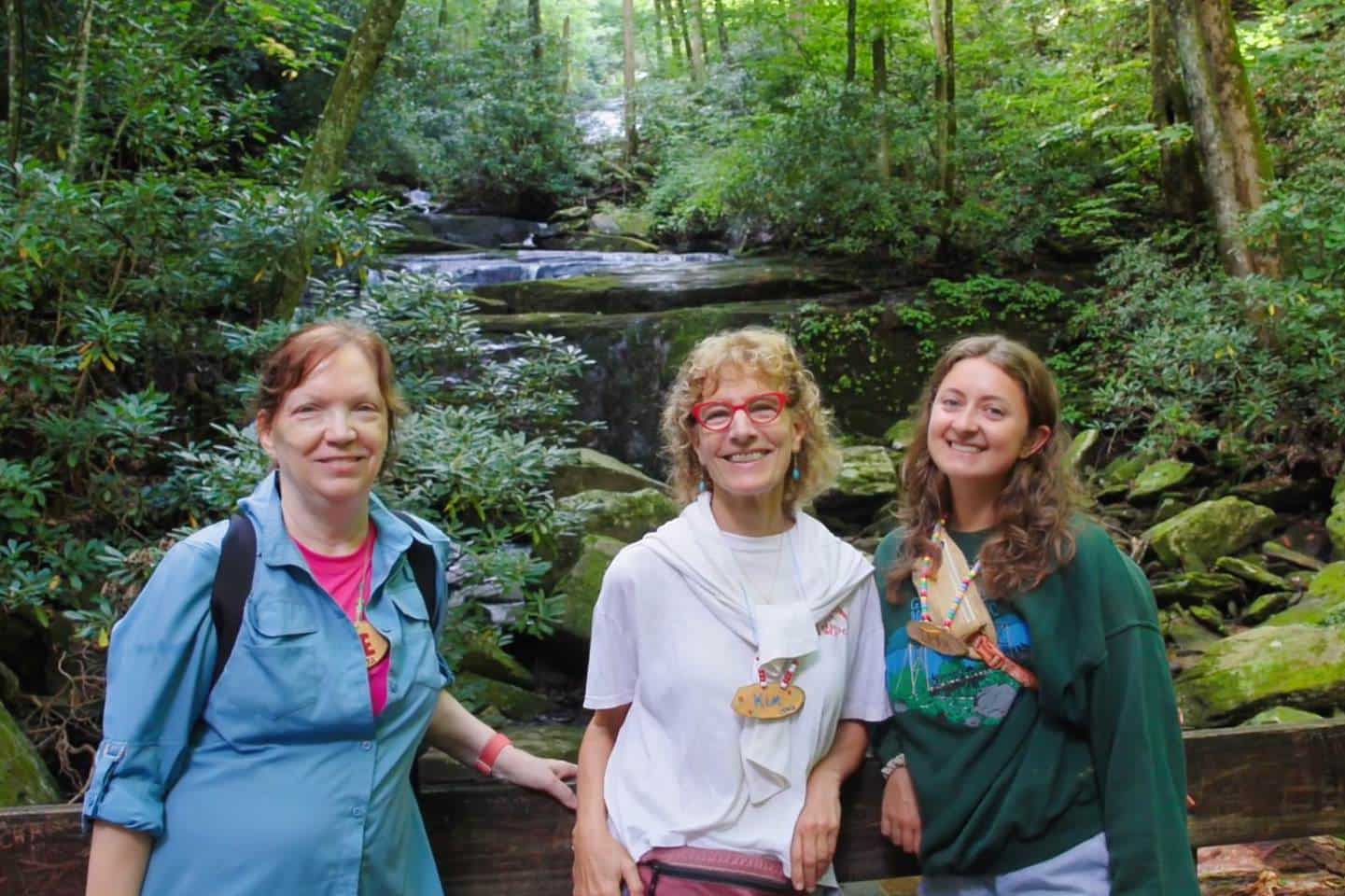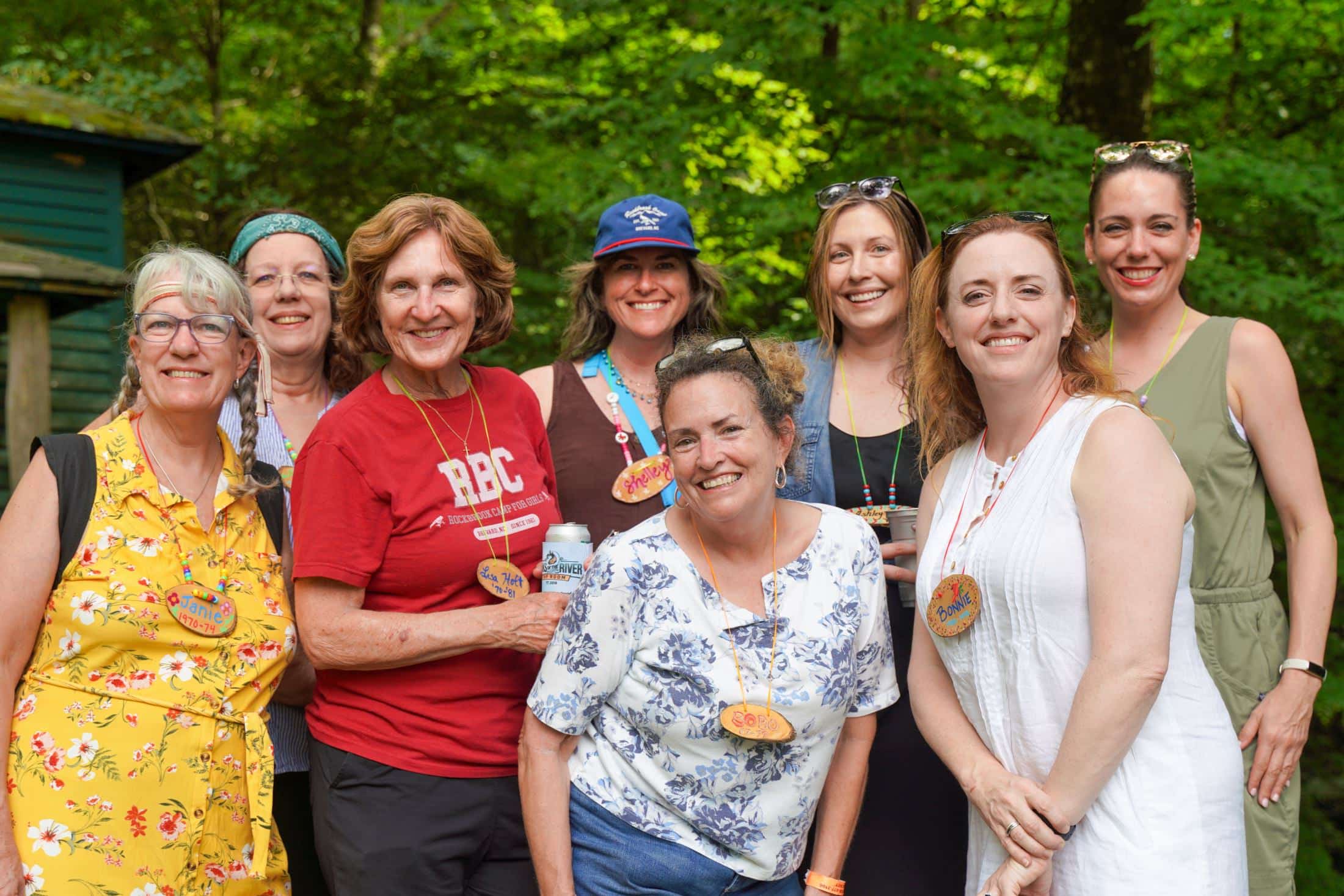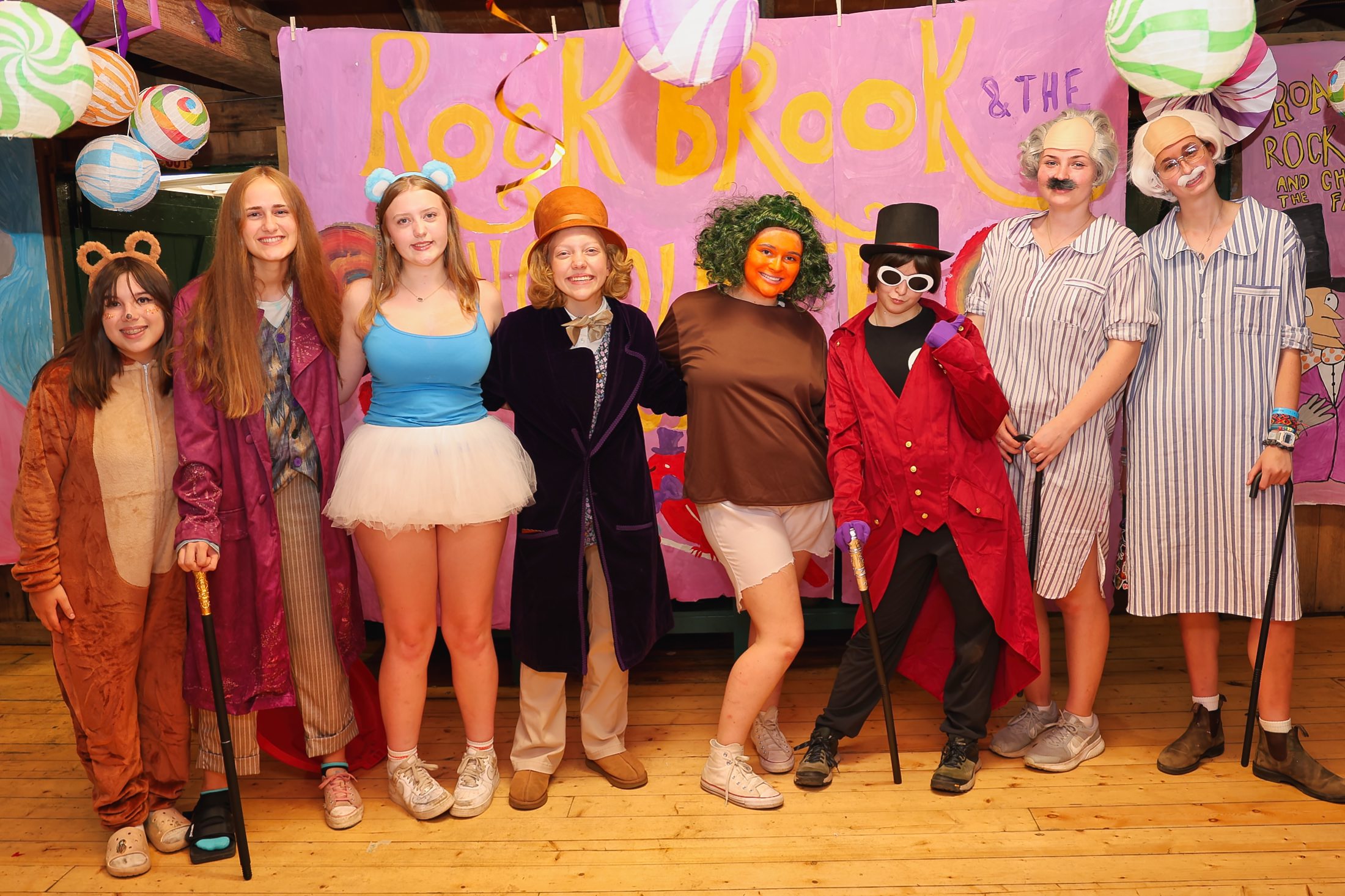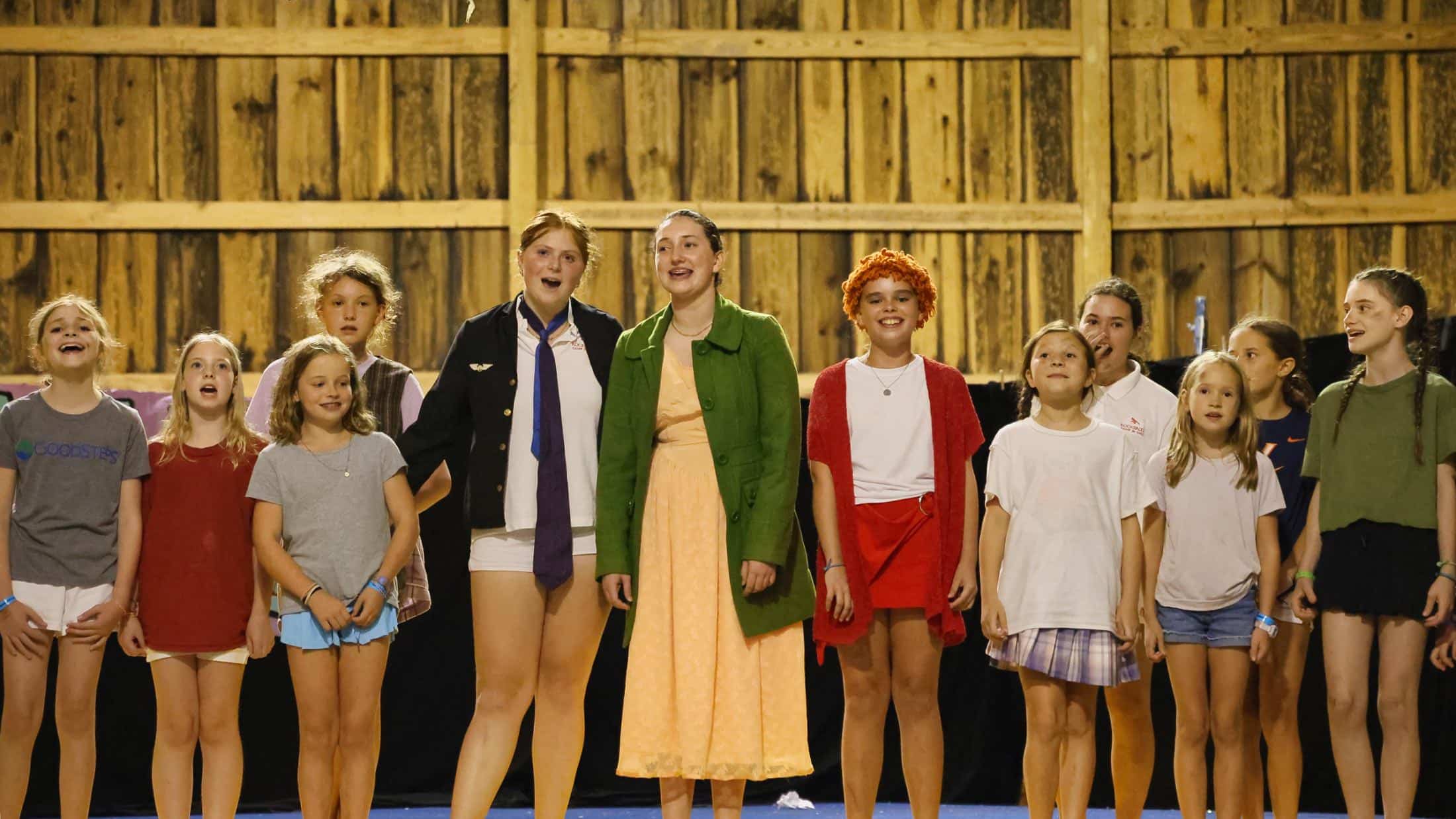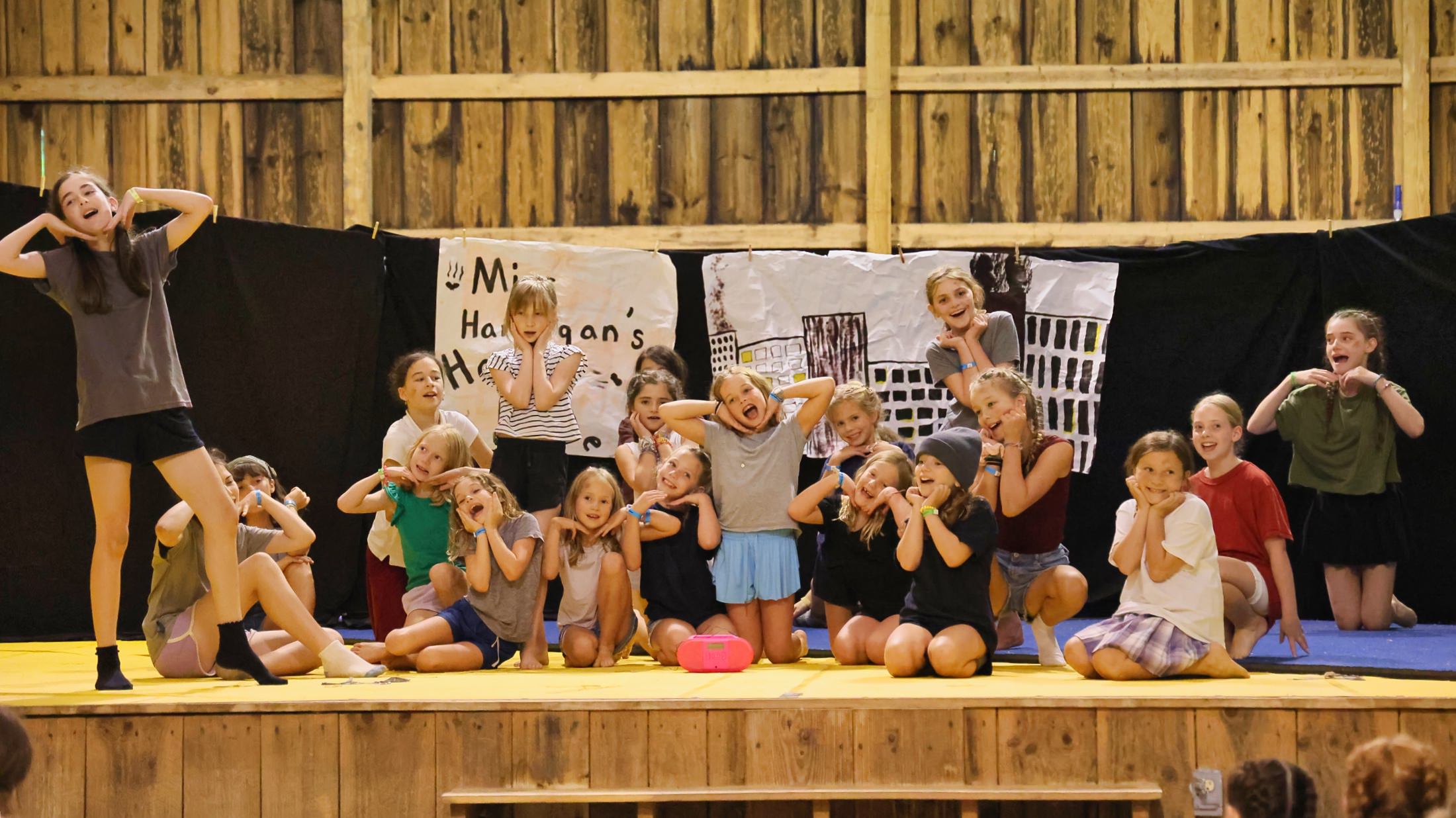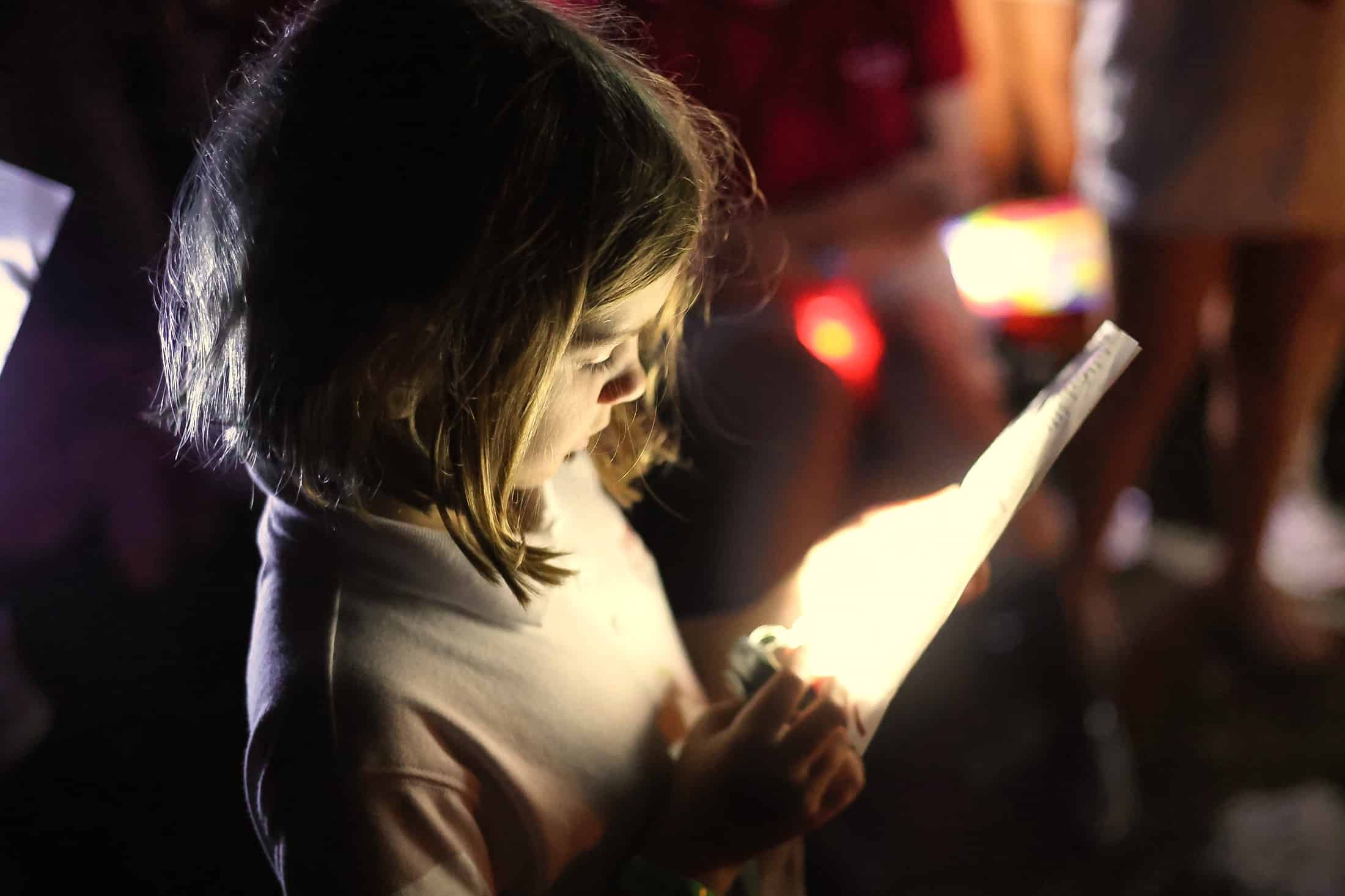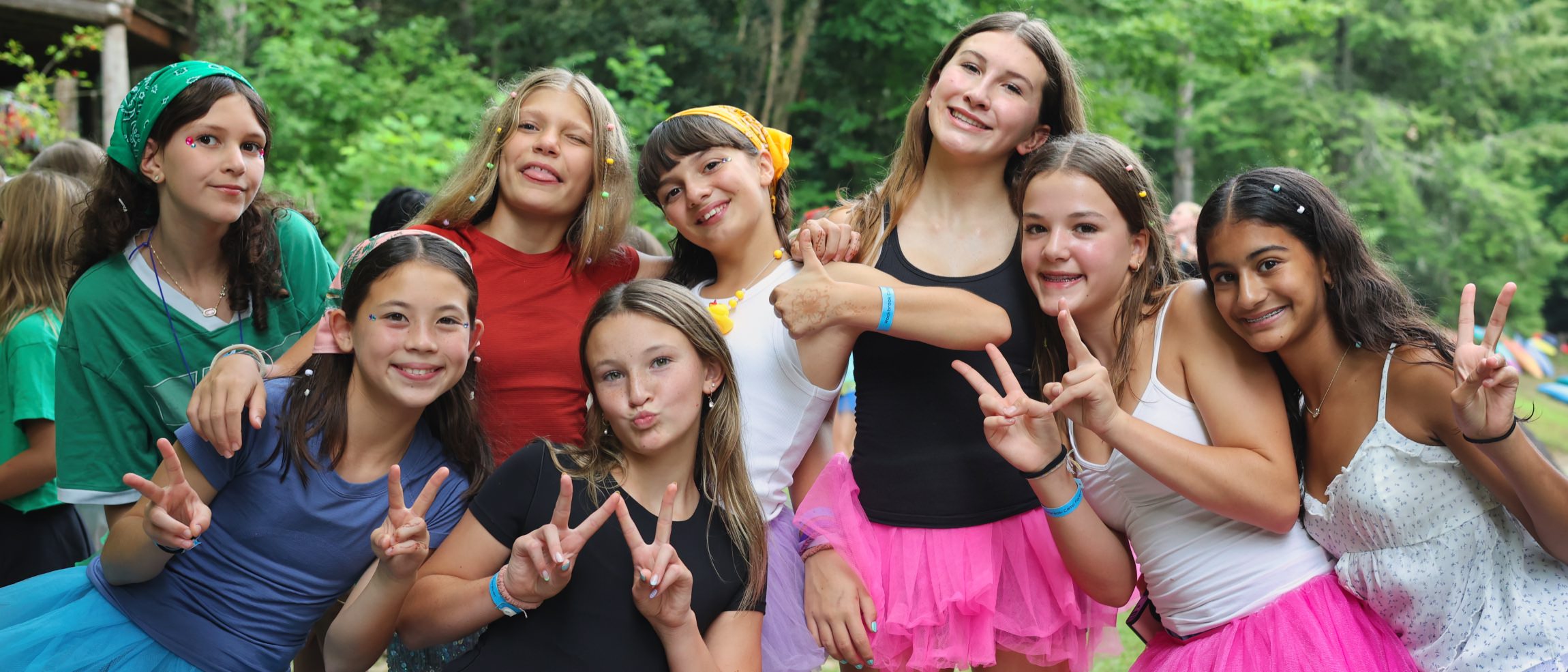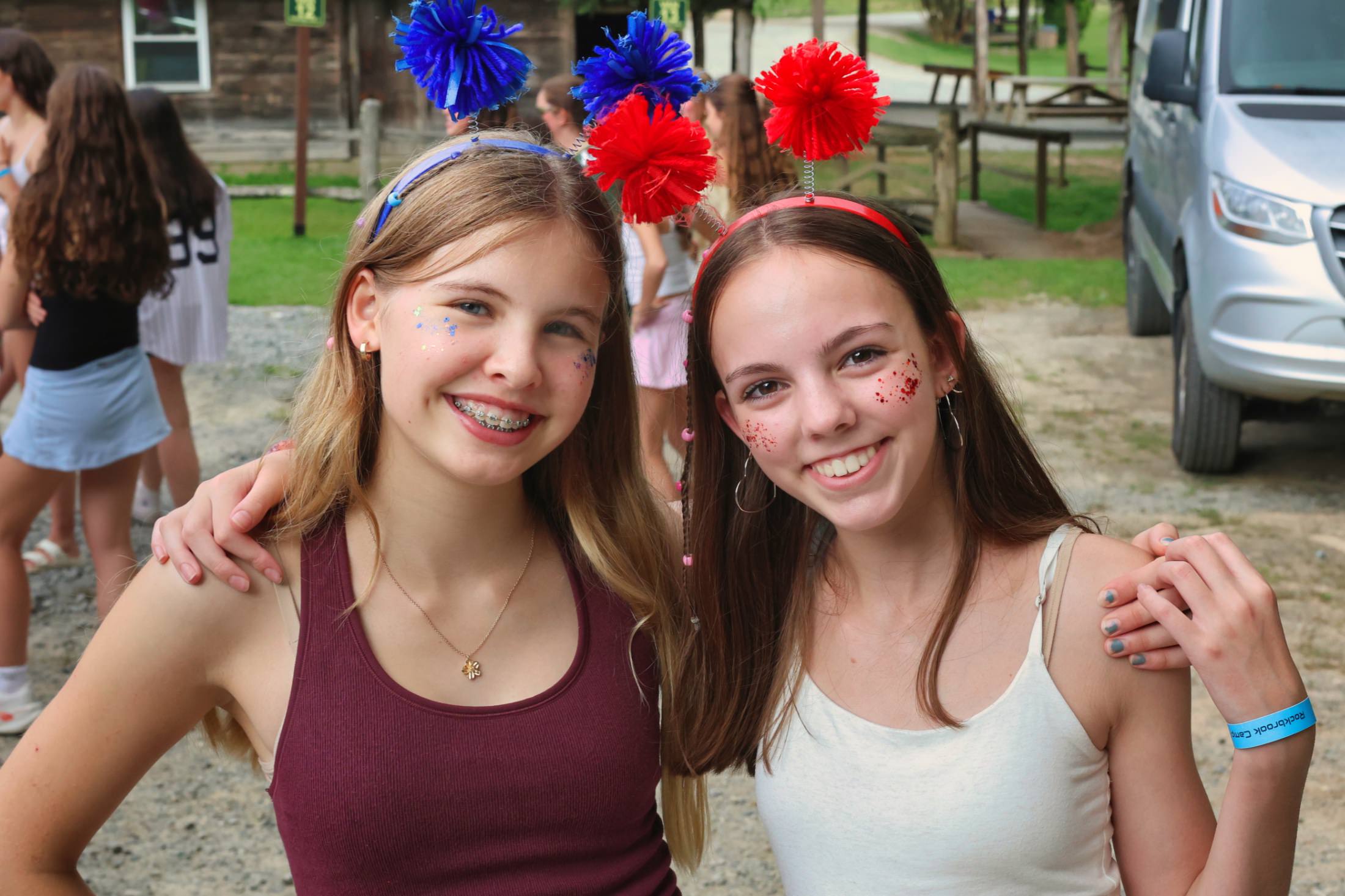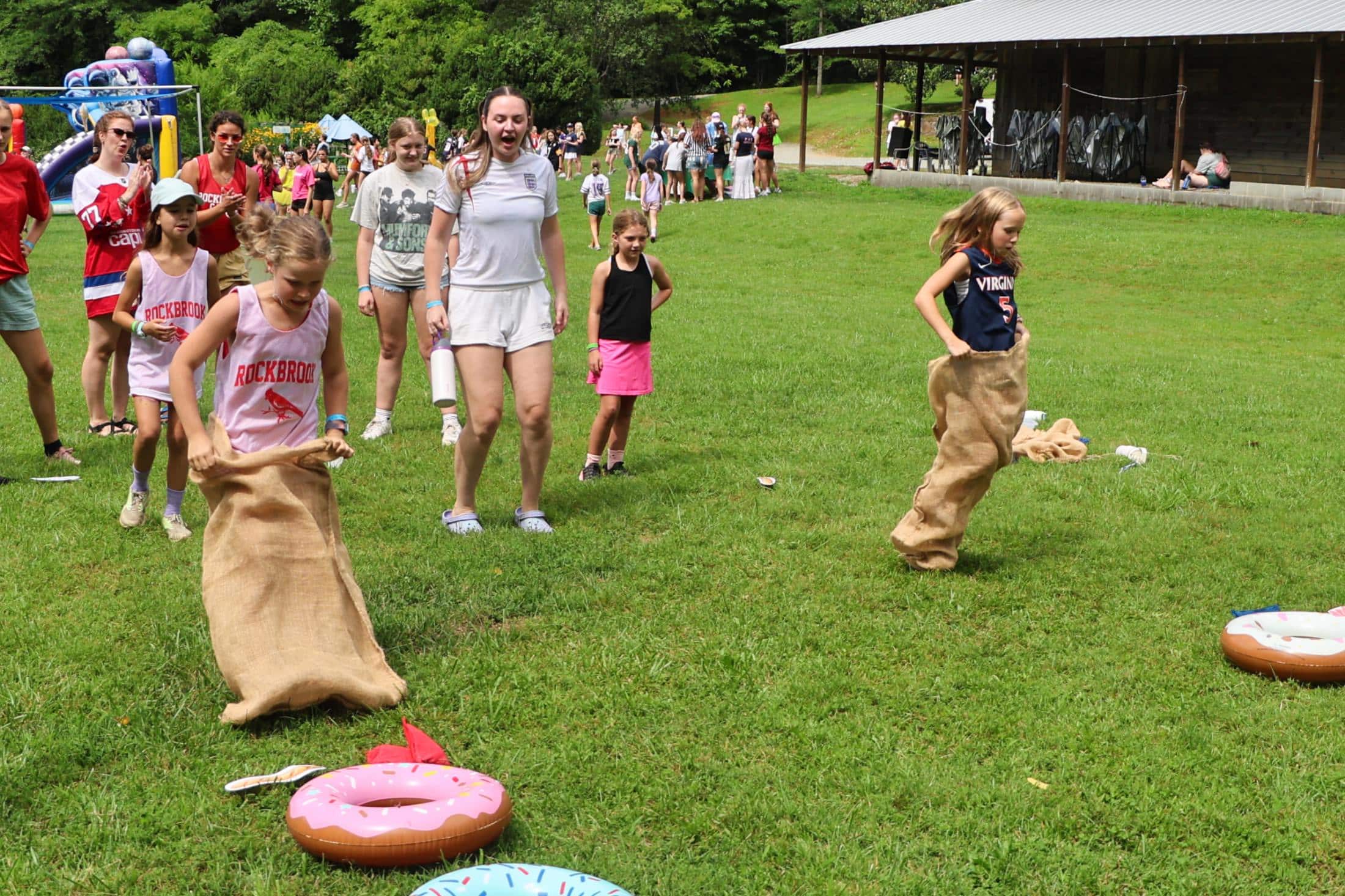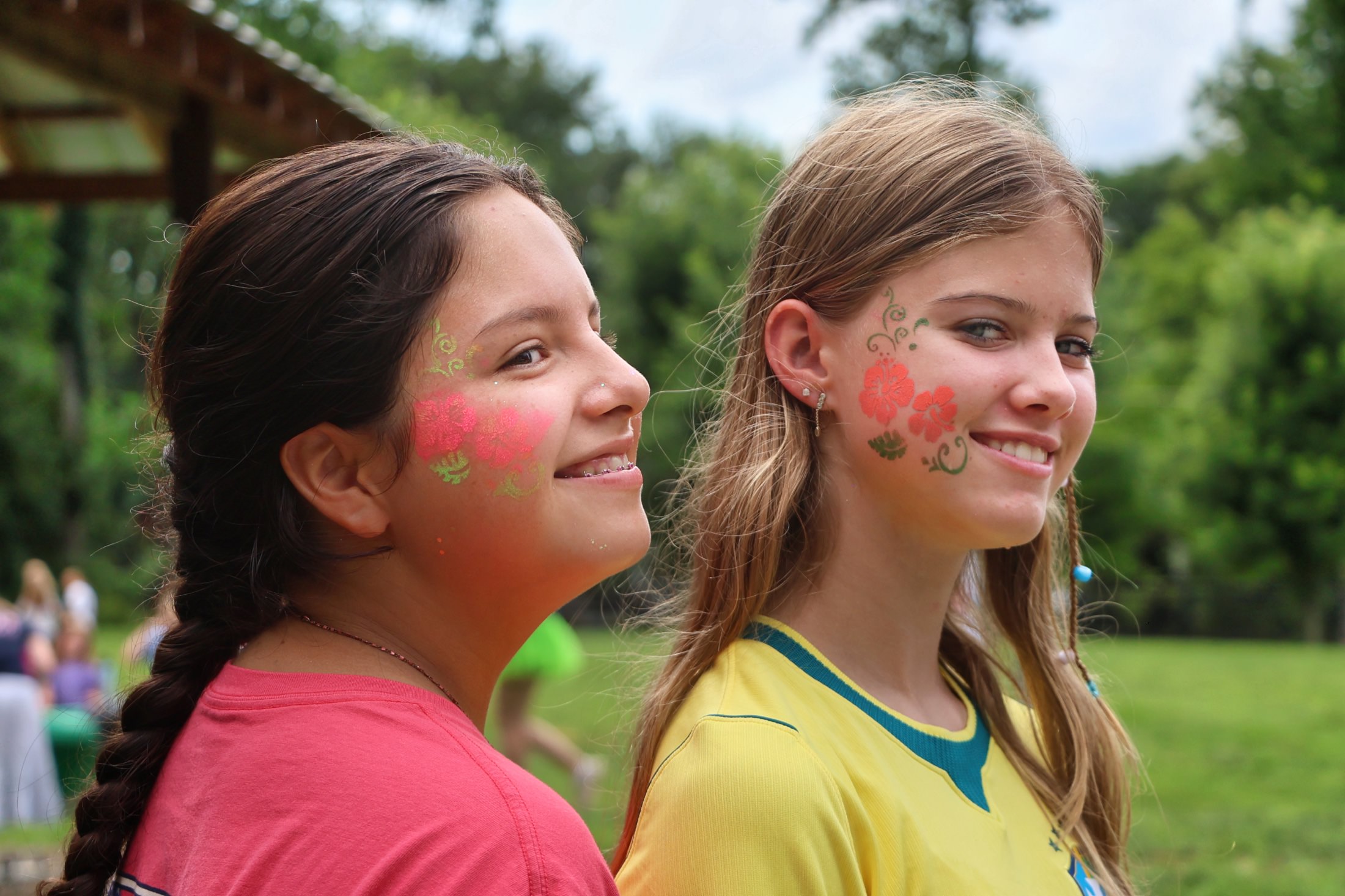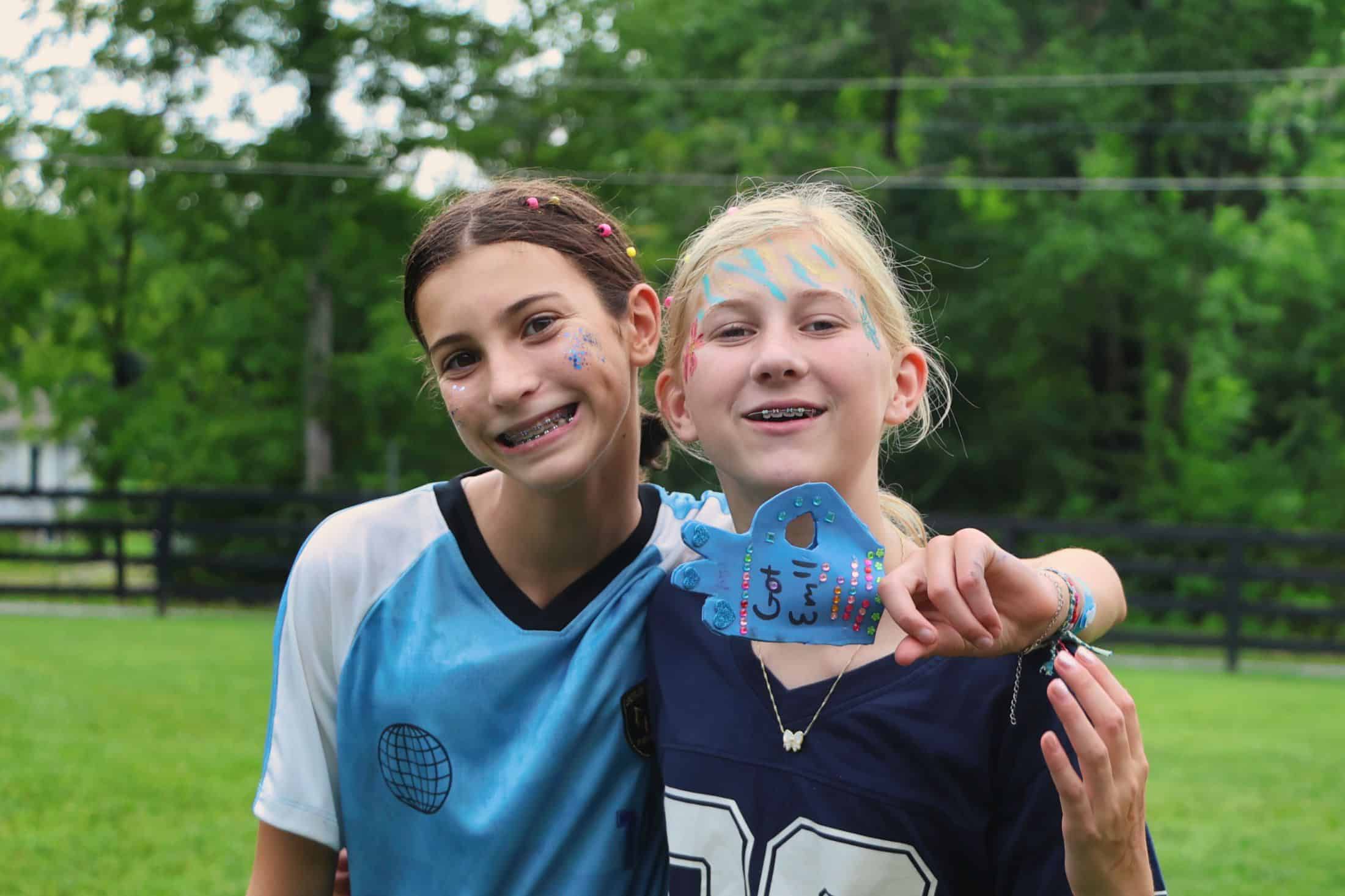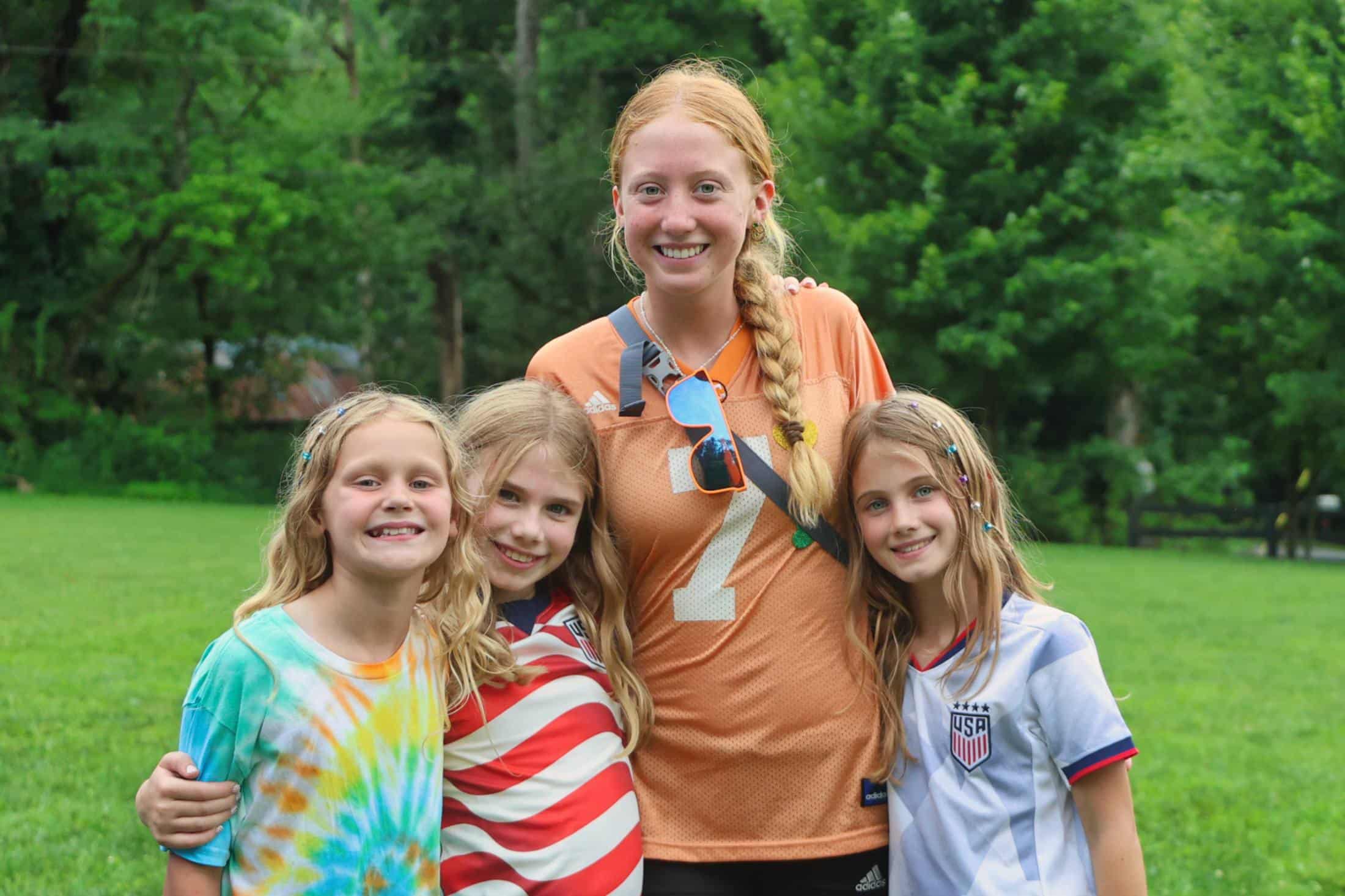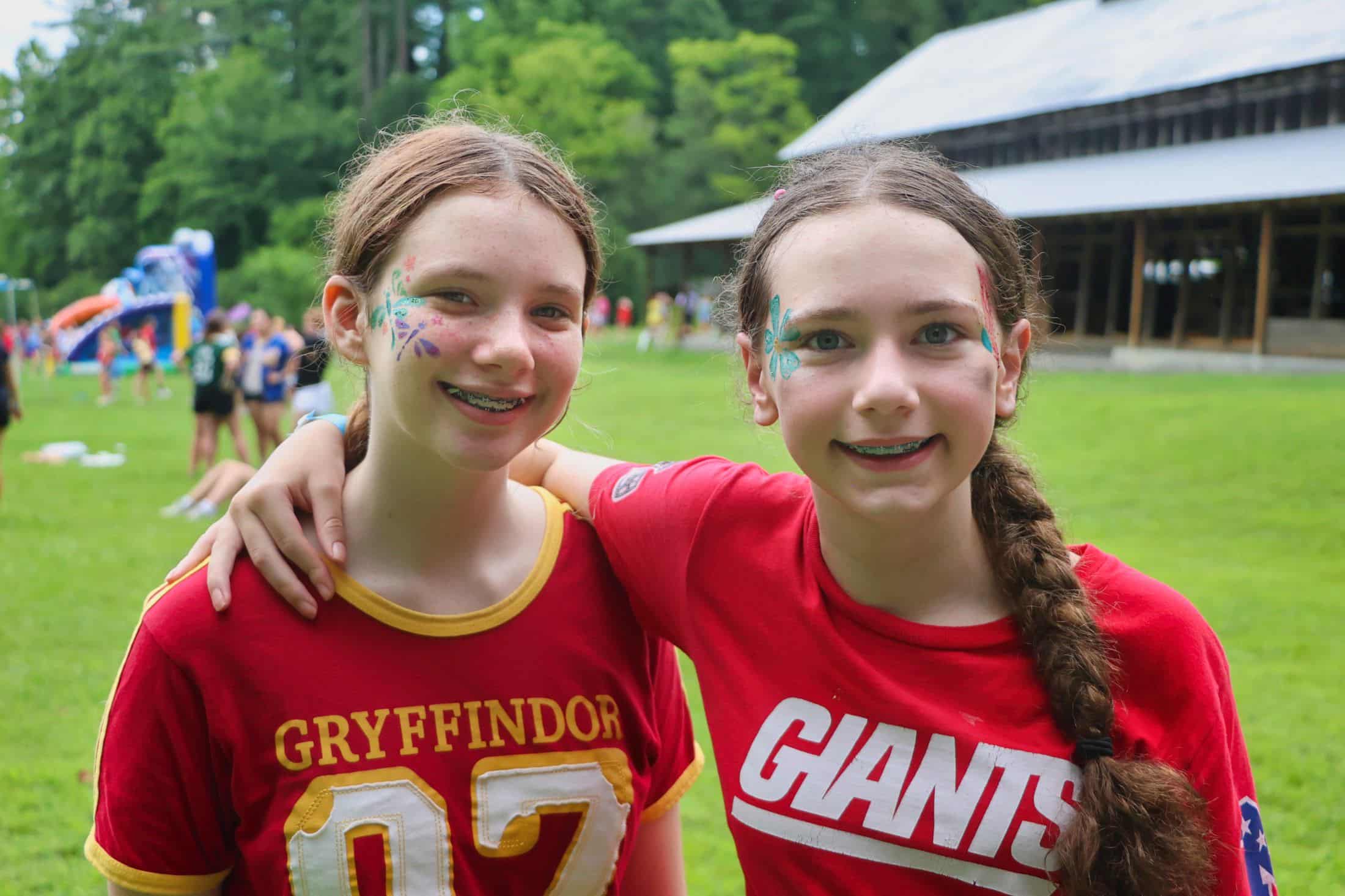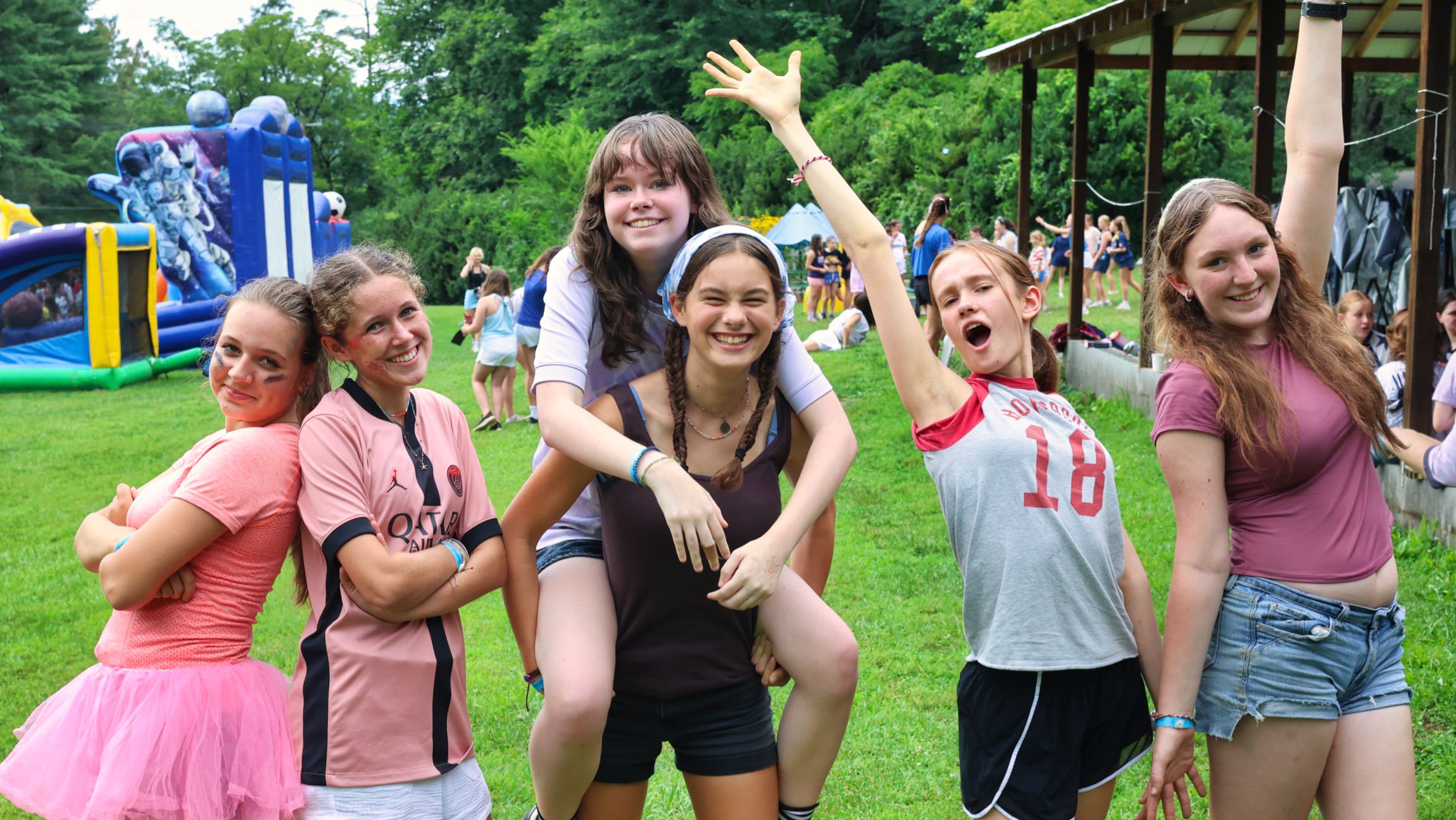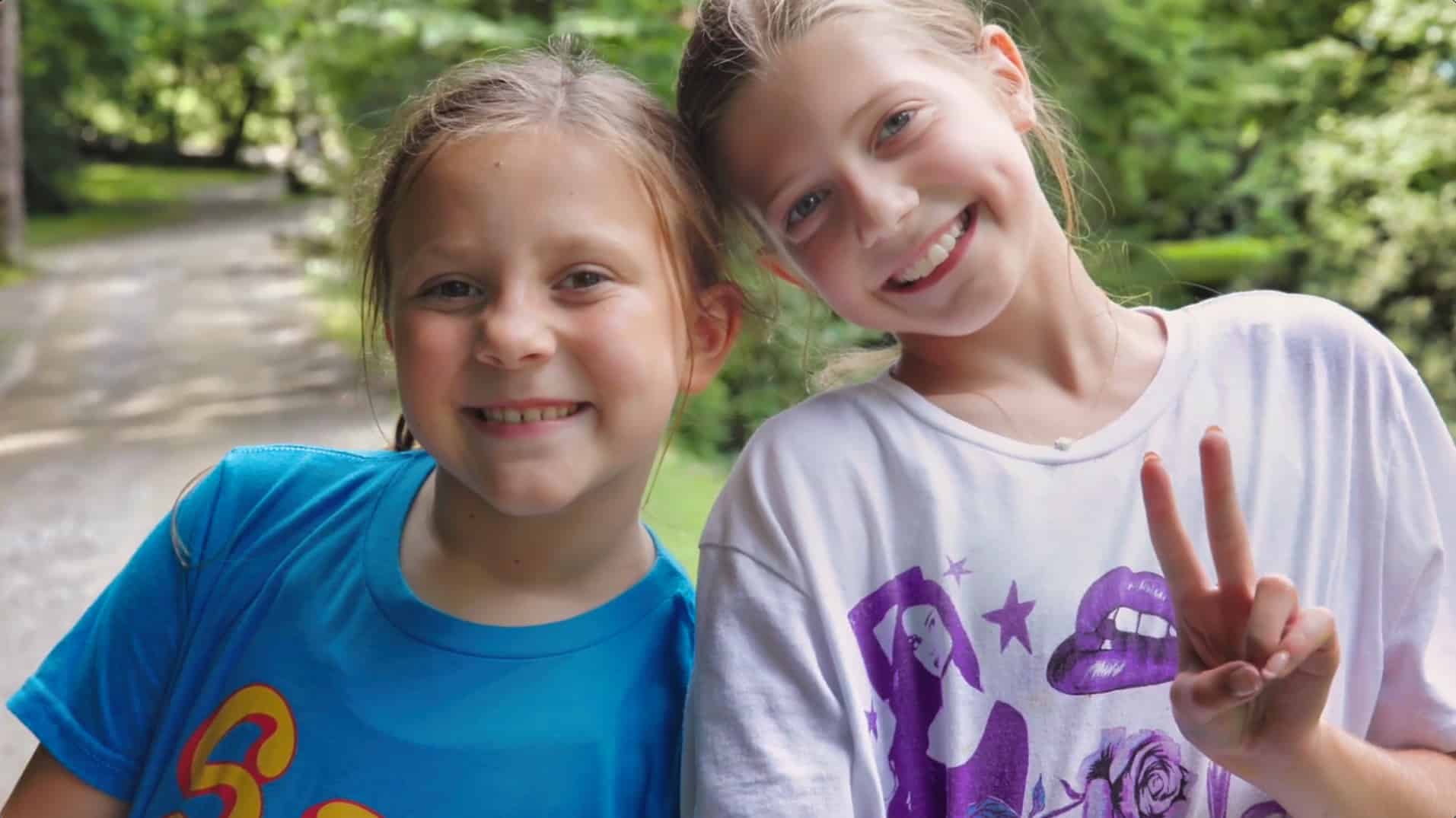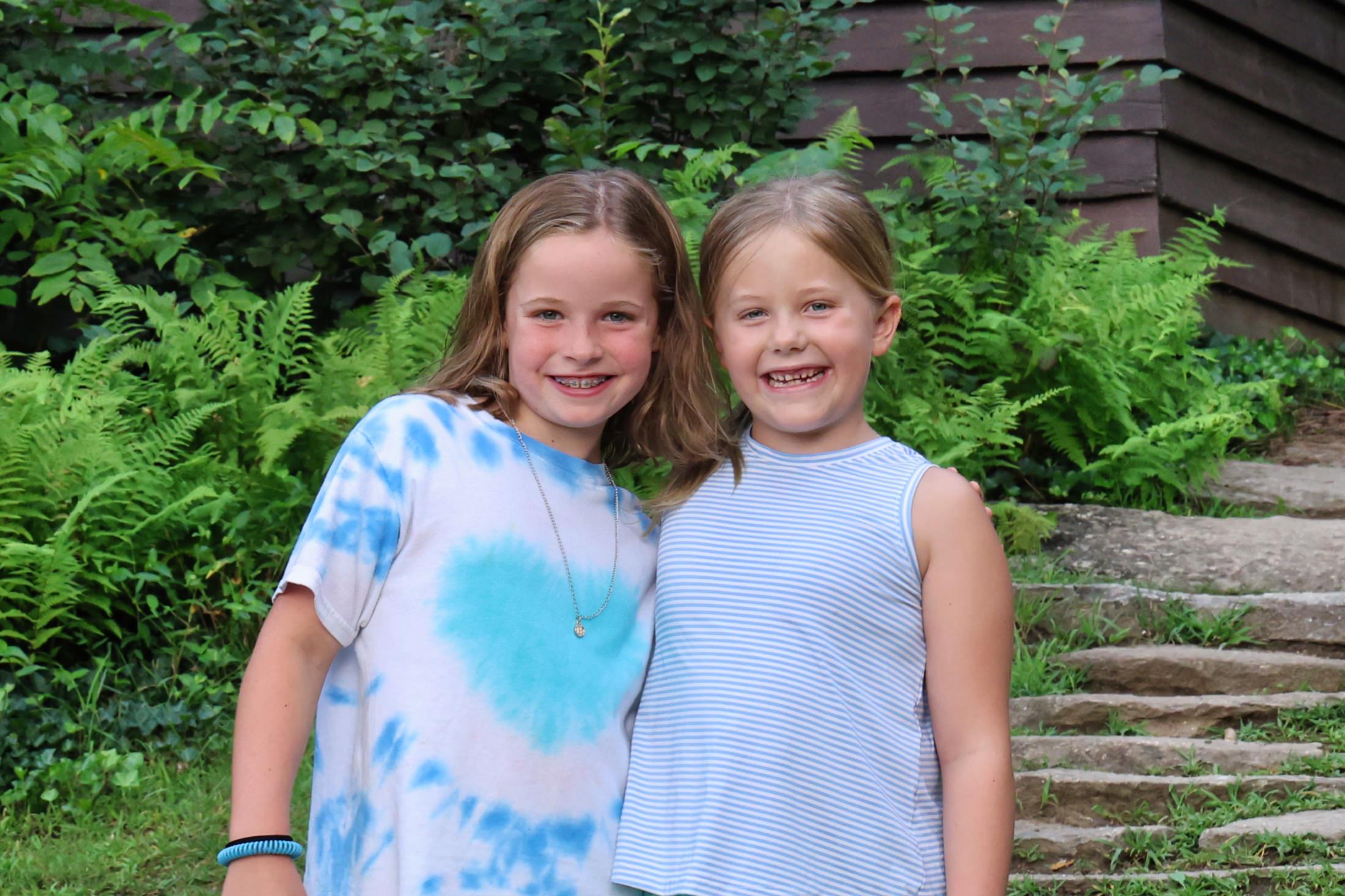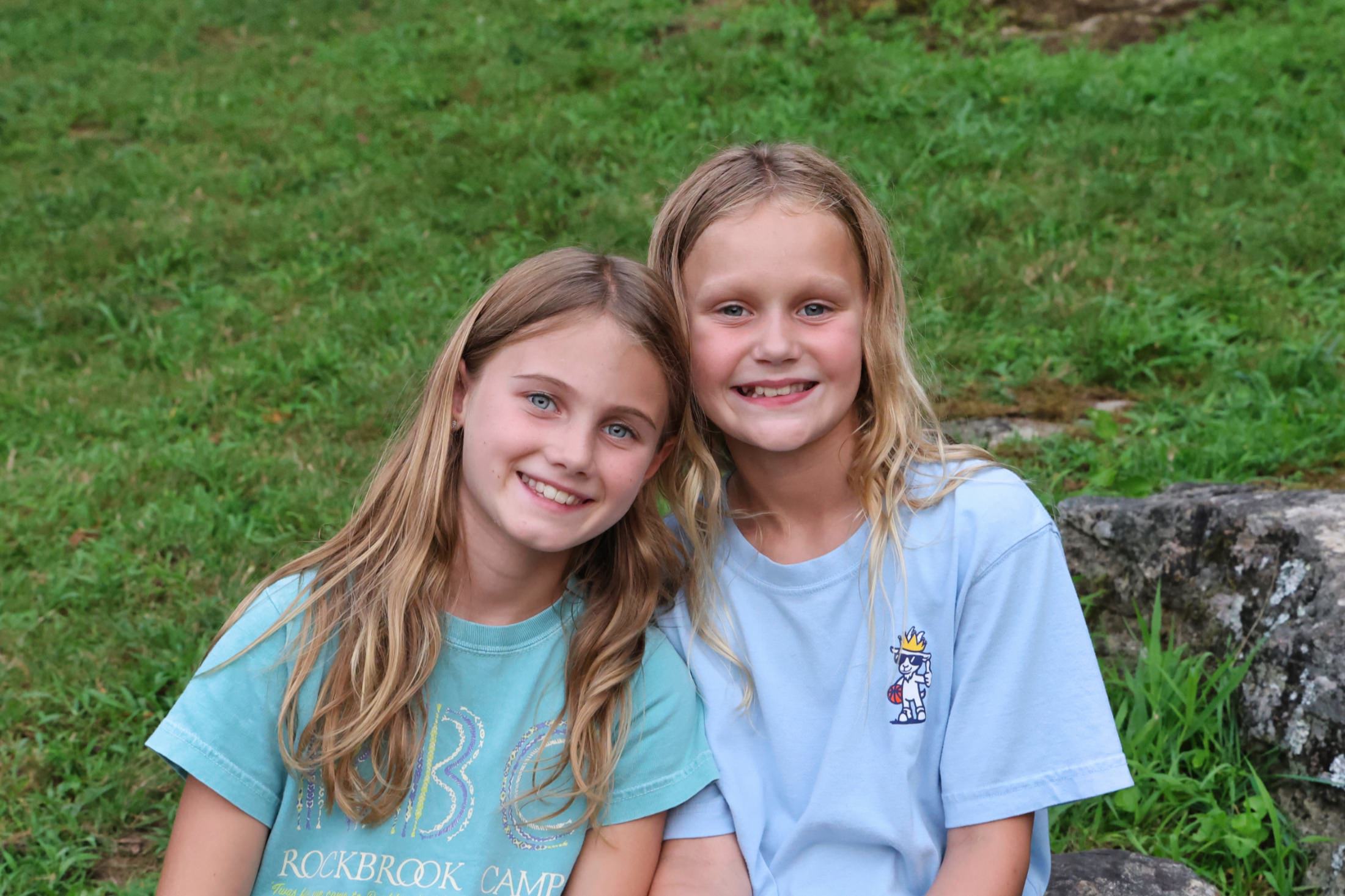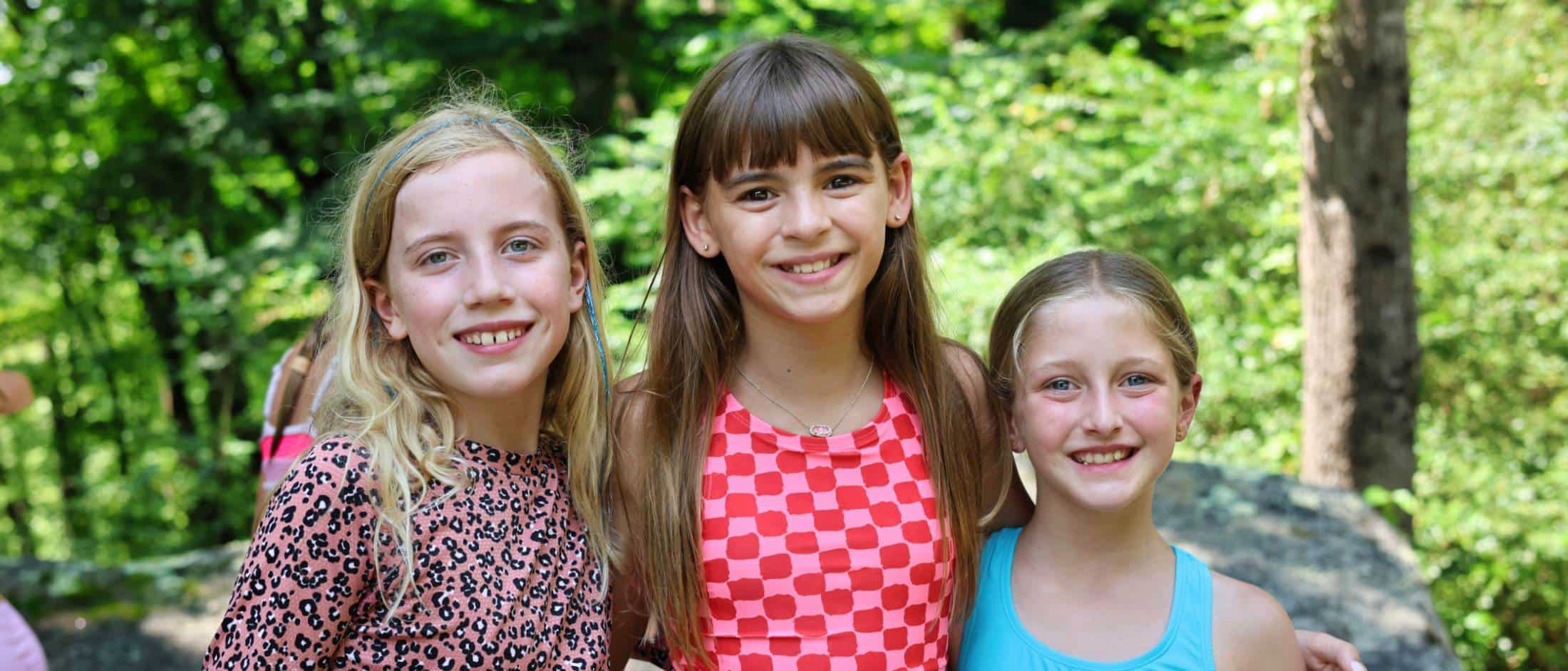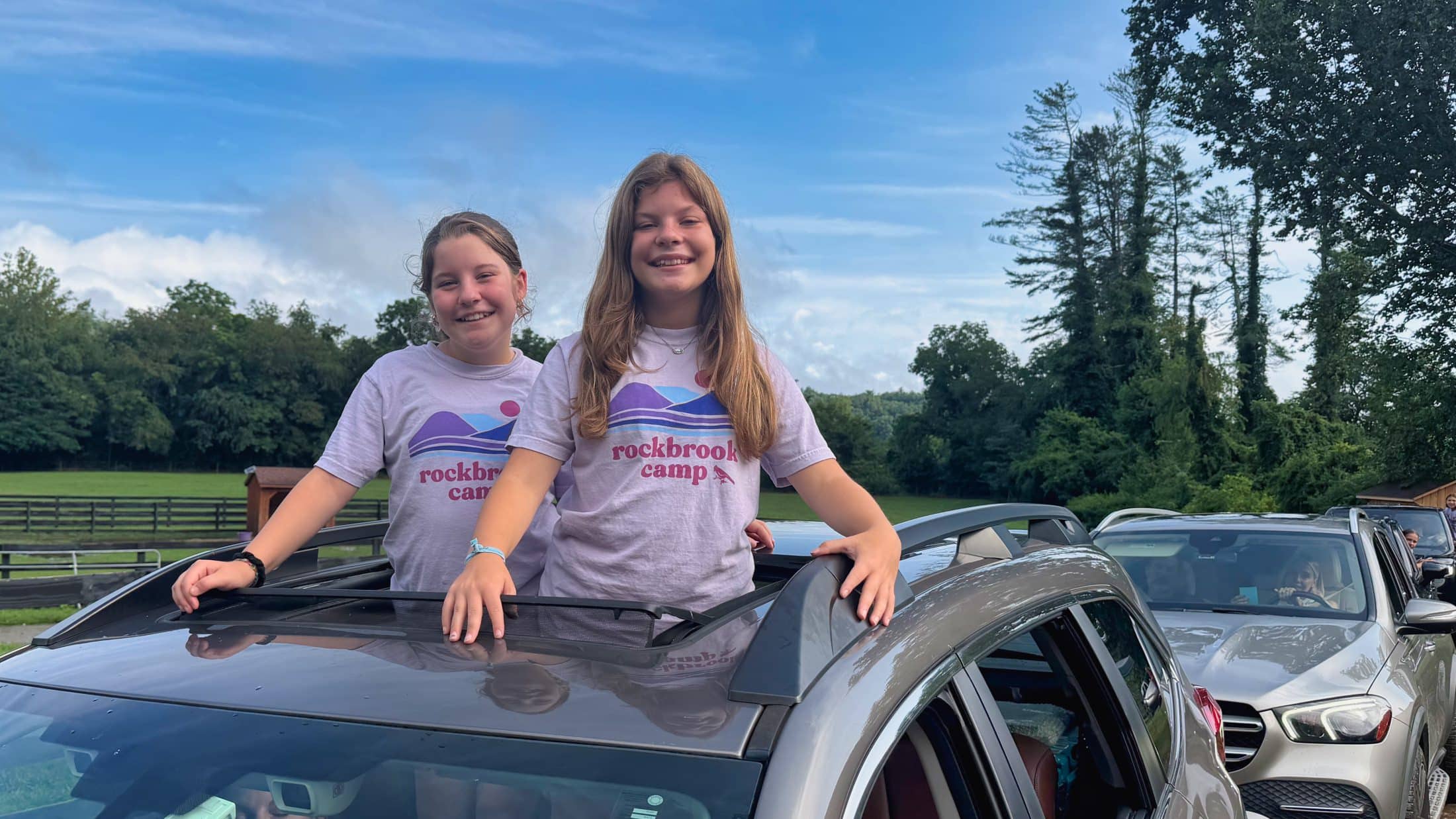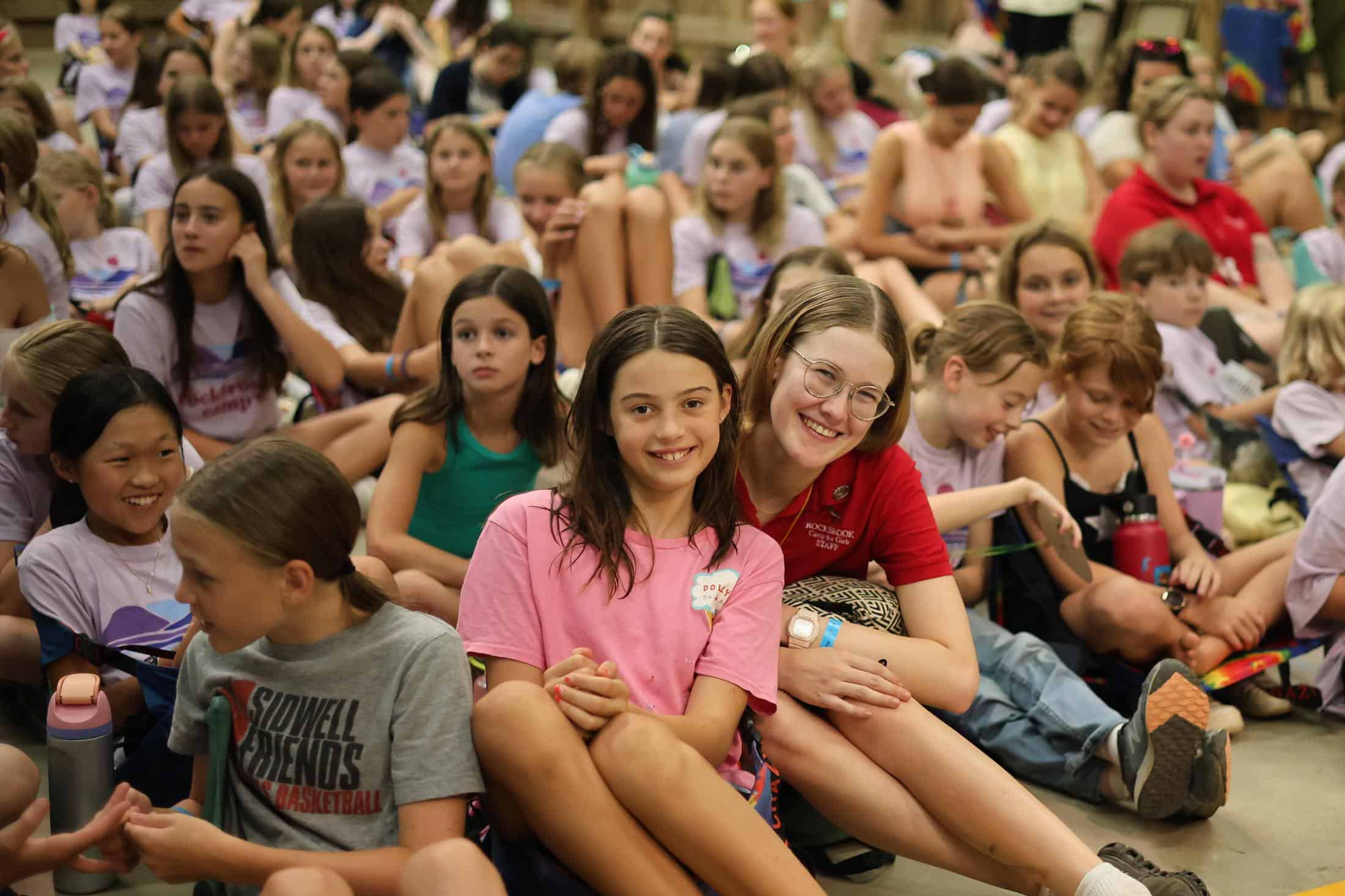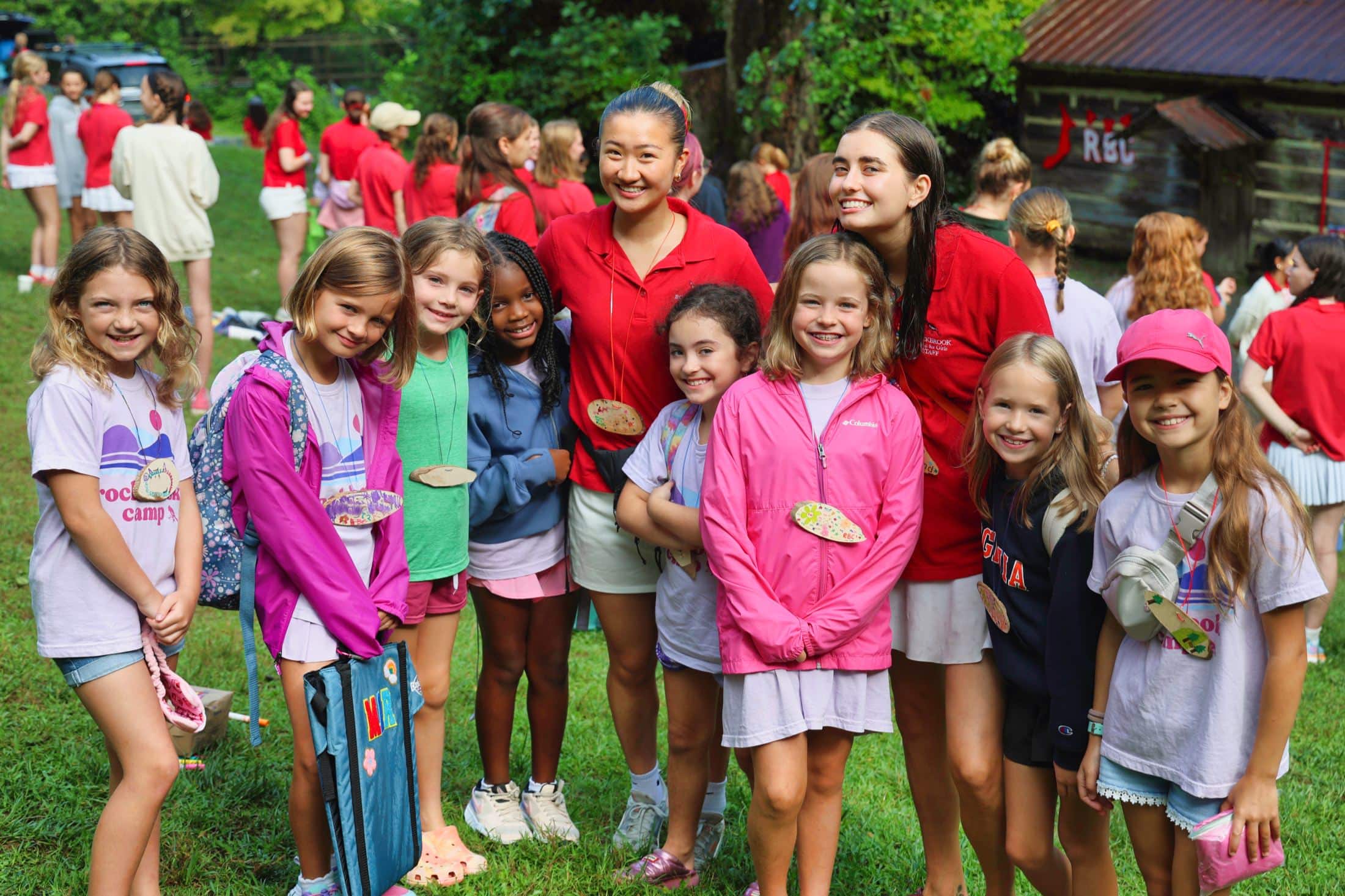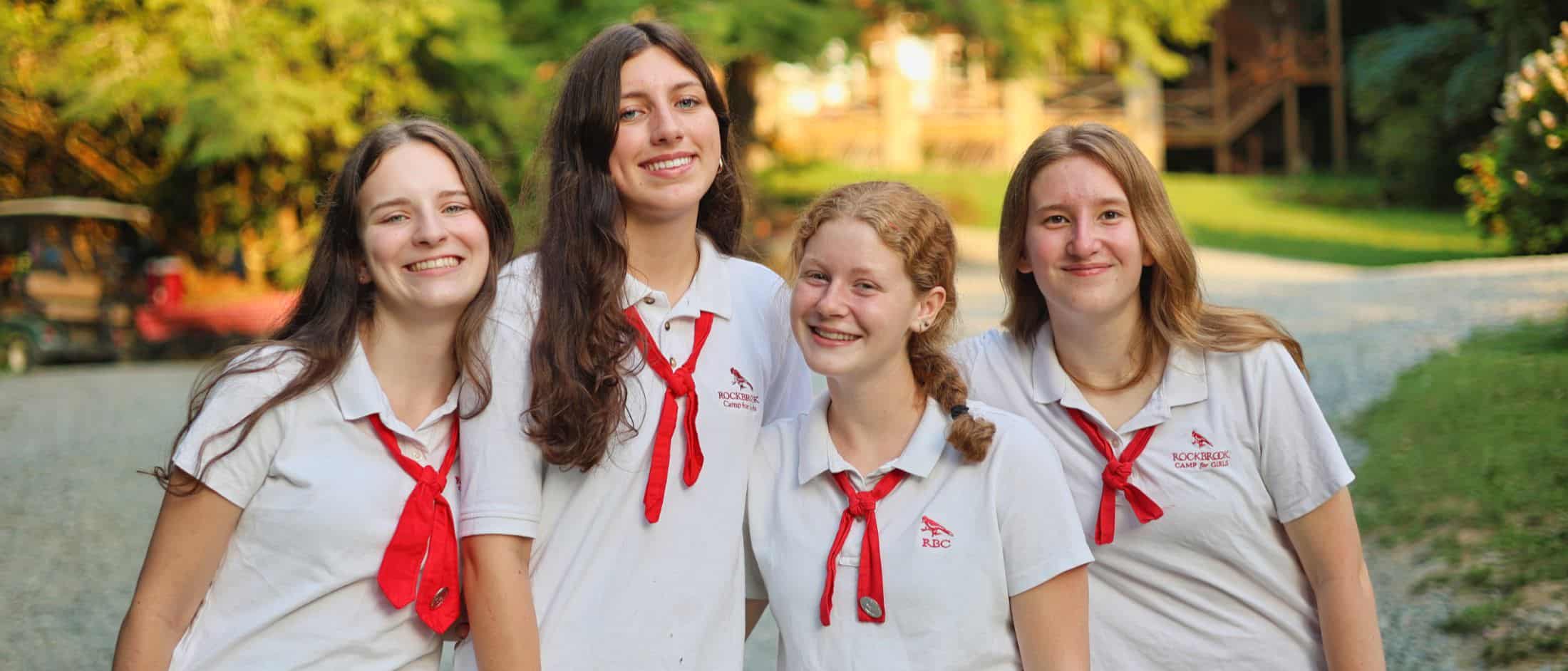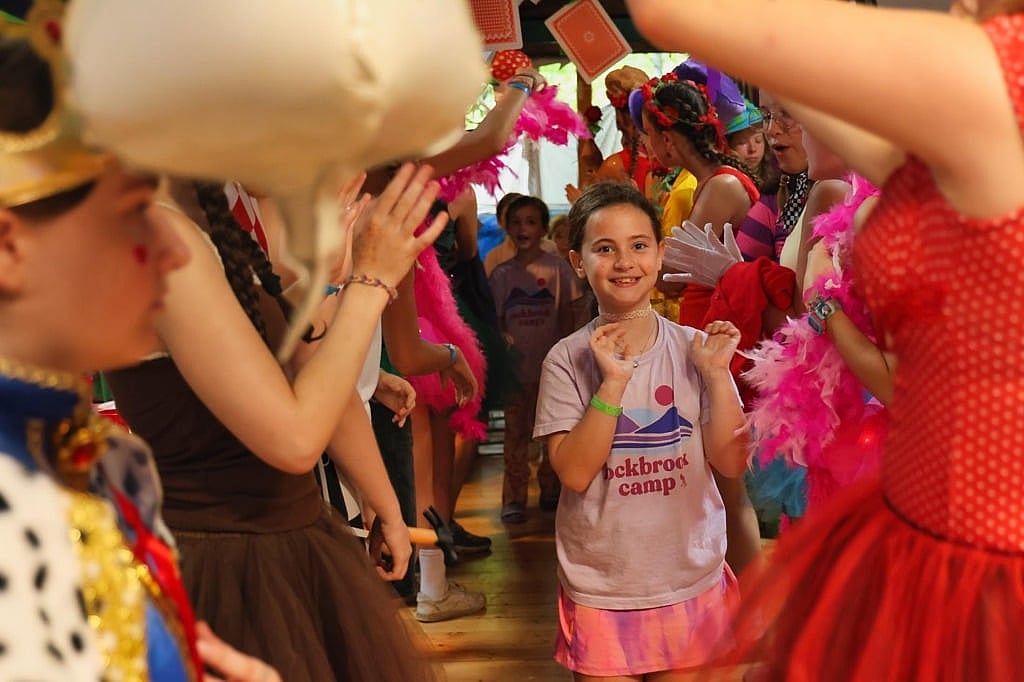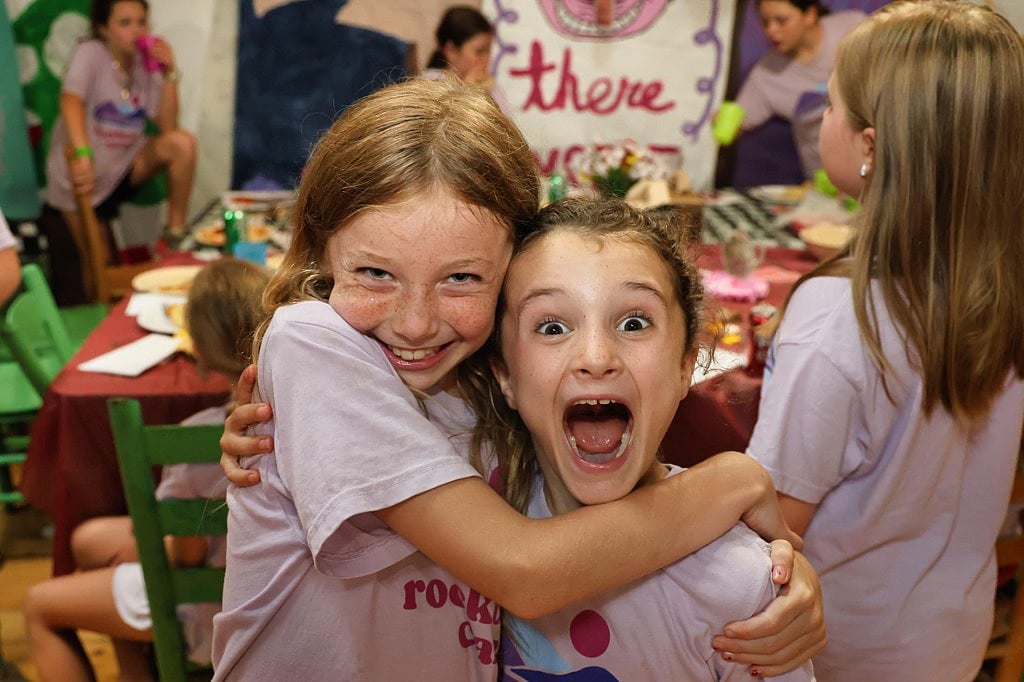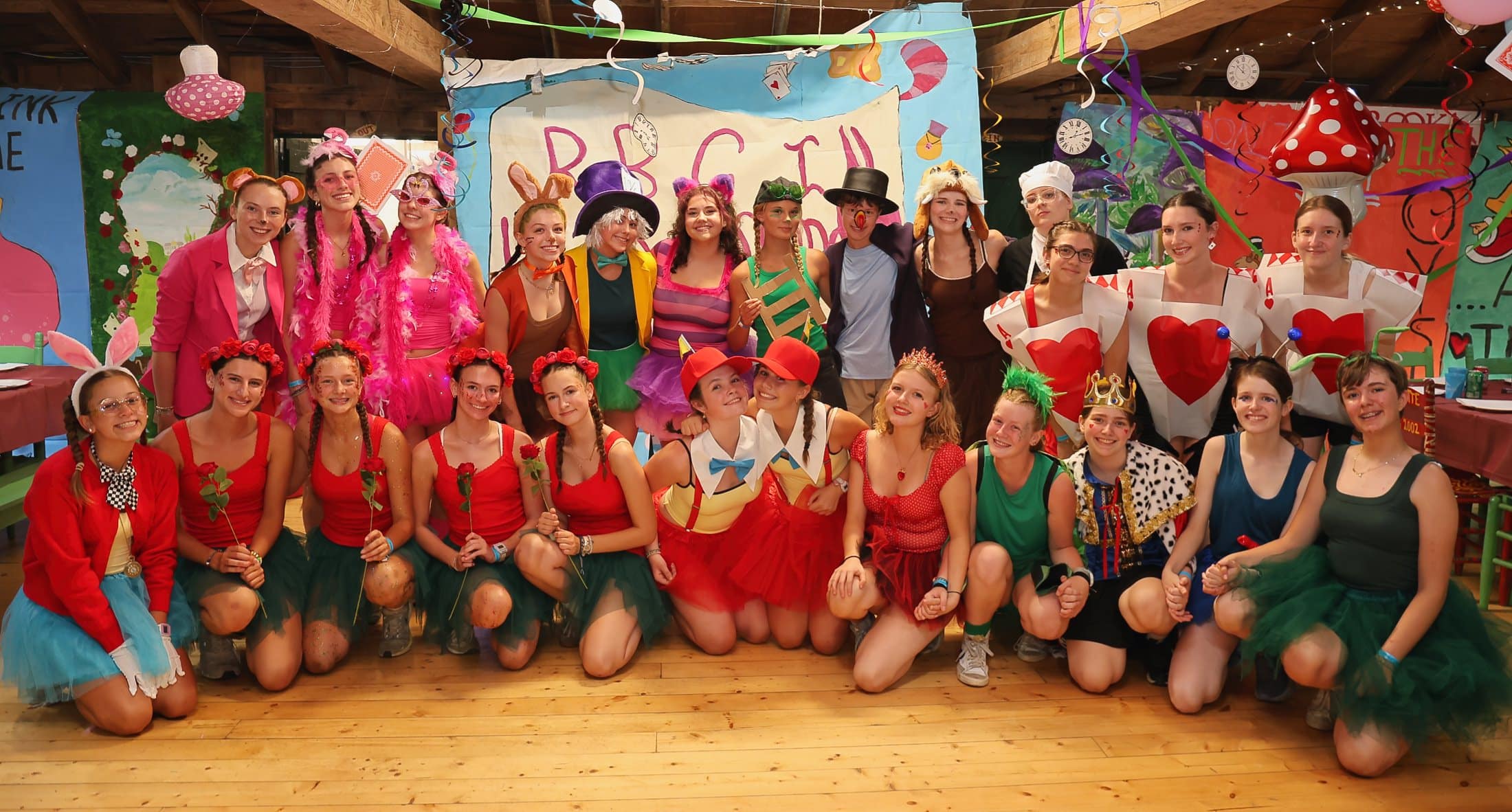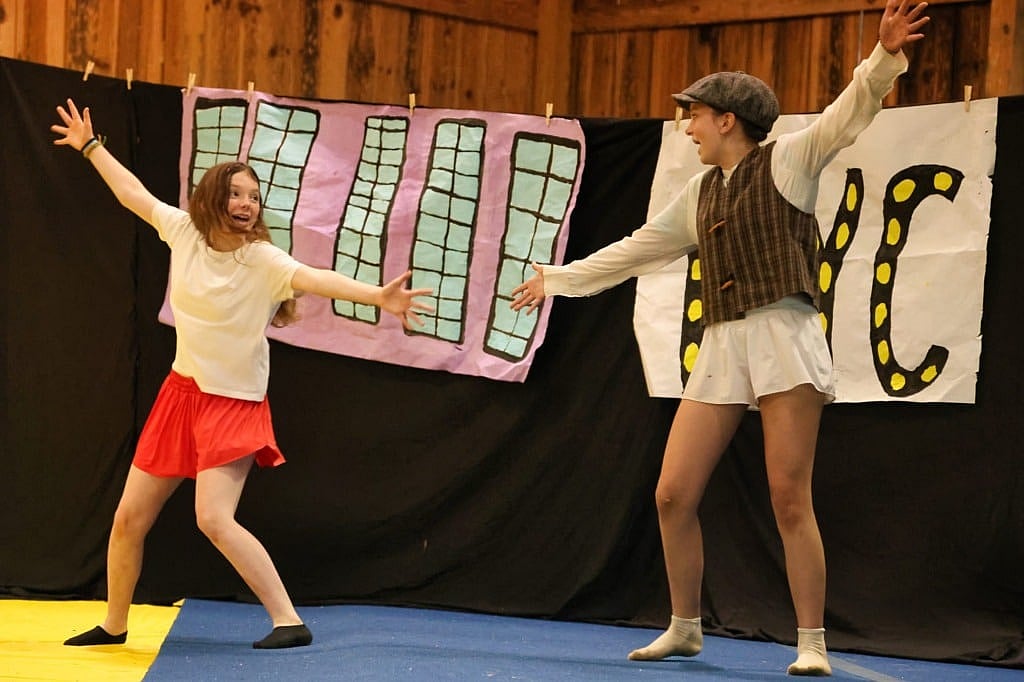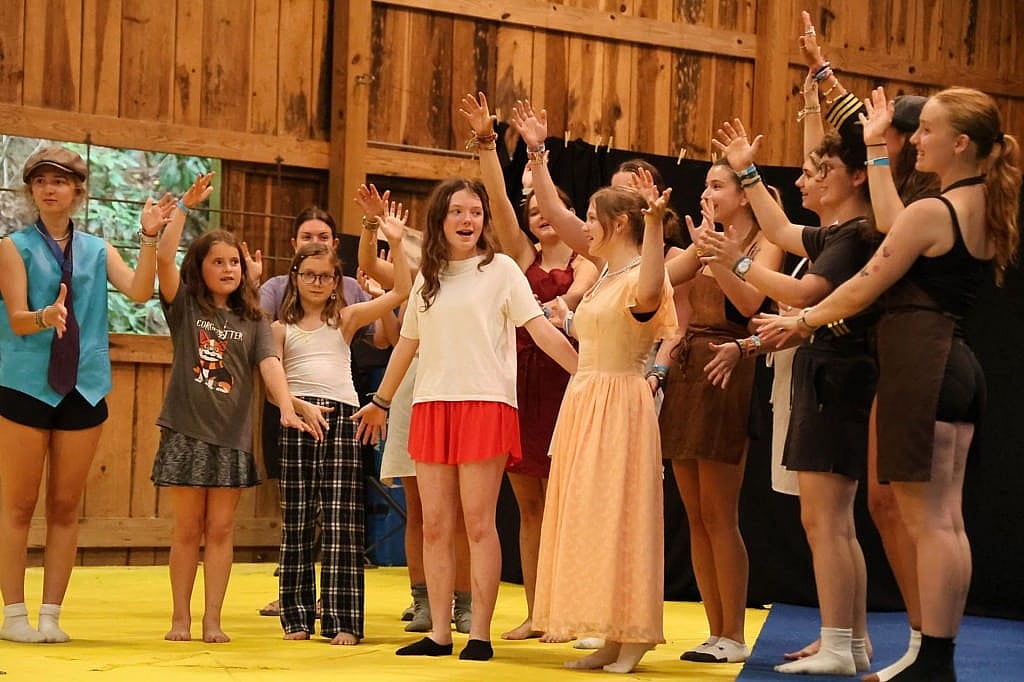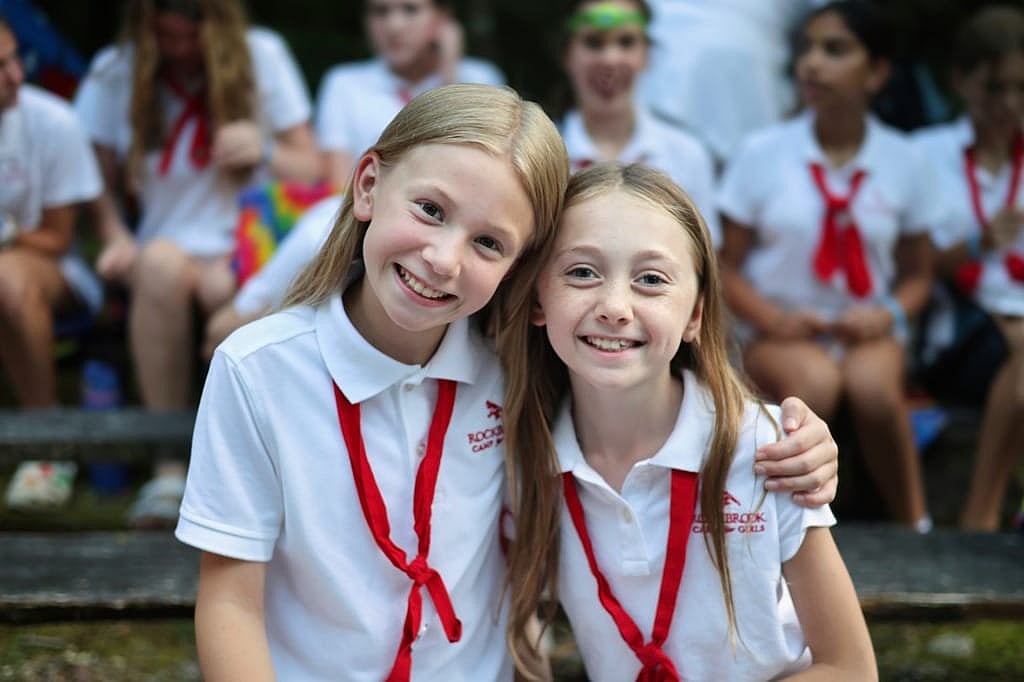

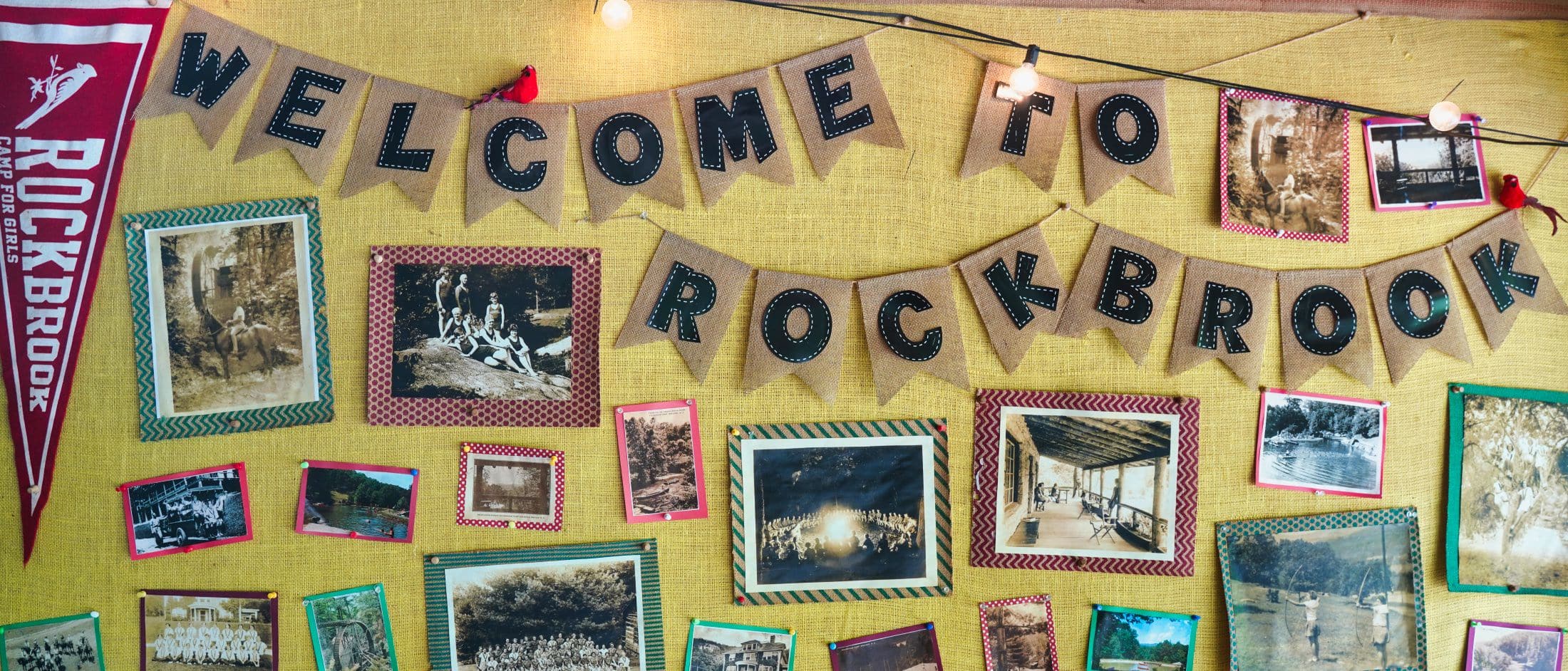
Every five years it’s time to return, time for Rockbrook to be given over to the women who grew up here, and hold an alumnae reunion. On August 21st through the 23rd, a few more than 210 alumnae came back to Rockbrook for our 105-year reunion, counting from that first summer in 1921 when Nancy Carrier gathered a group of girls on her family’s wooded mountain for something called “camp.” Alumnae of all ages made plans to attend, to enjoy some time at camp, and reconnect with their camp friends. With perfect weather set for all three days, cool in the mornings and blue overhead, we were all looking forward to a great weekend.
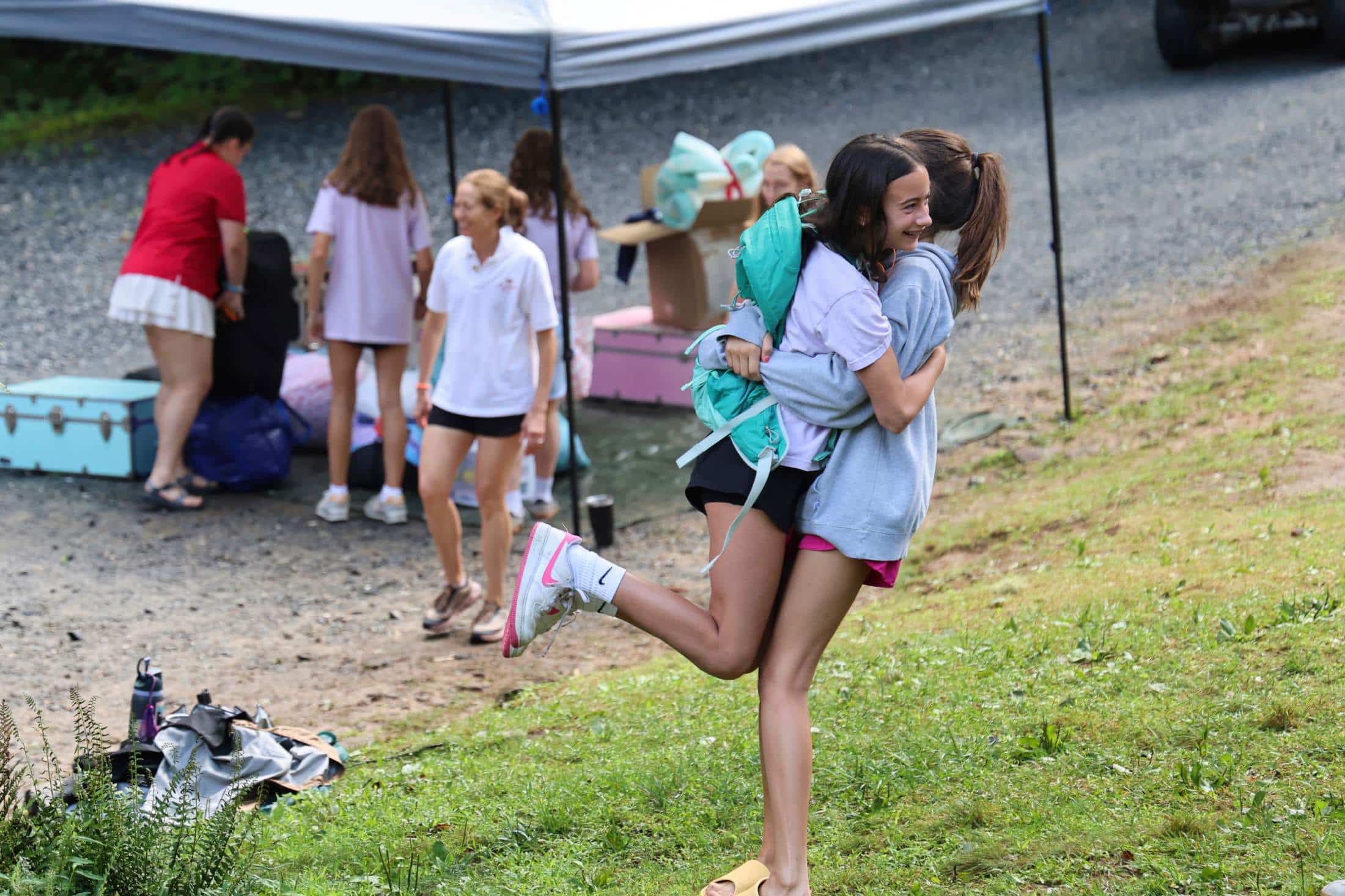
Something is clearly proven with a Rockbrook reunion, and it’s proven fast. Right from the beginning in fact, when the alumnae women arrive and step out of the car. It’s a feeling that of course includes the widest smiles and the longest hugs. But it’s also something that resurfaces once the adult world of email, calendars and errands is left behind. What comes back is the carefree ease you had here when you were twelve, the natural beauty, the friendly vibes, the pace set without expectation, the excitement of engaging with the real world. You step out onto the hill and find all of it sitting right where you left it. Before any of the camp activities, any of the singing in the dining hall, well before the emotion of Sunday morning’s Chapel, you can feel you’re back at camp.

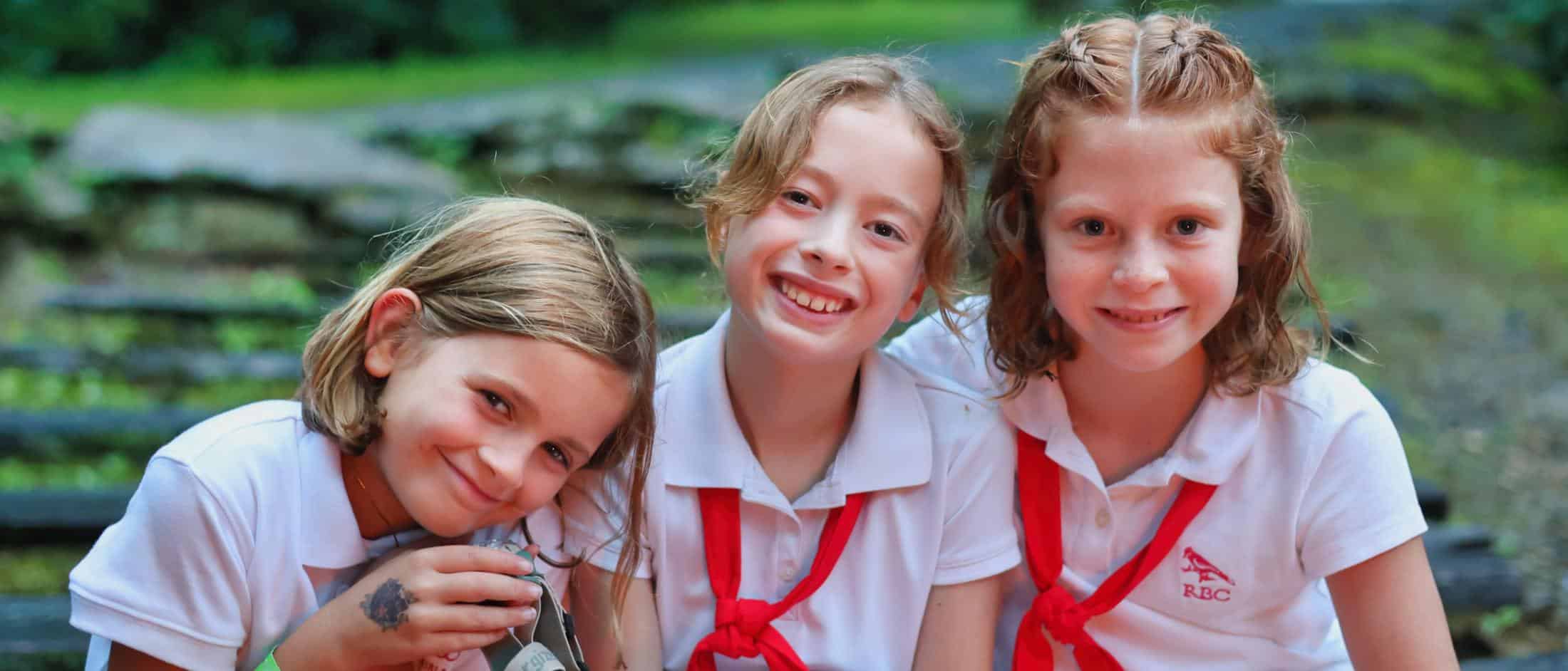
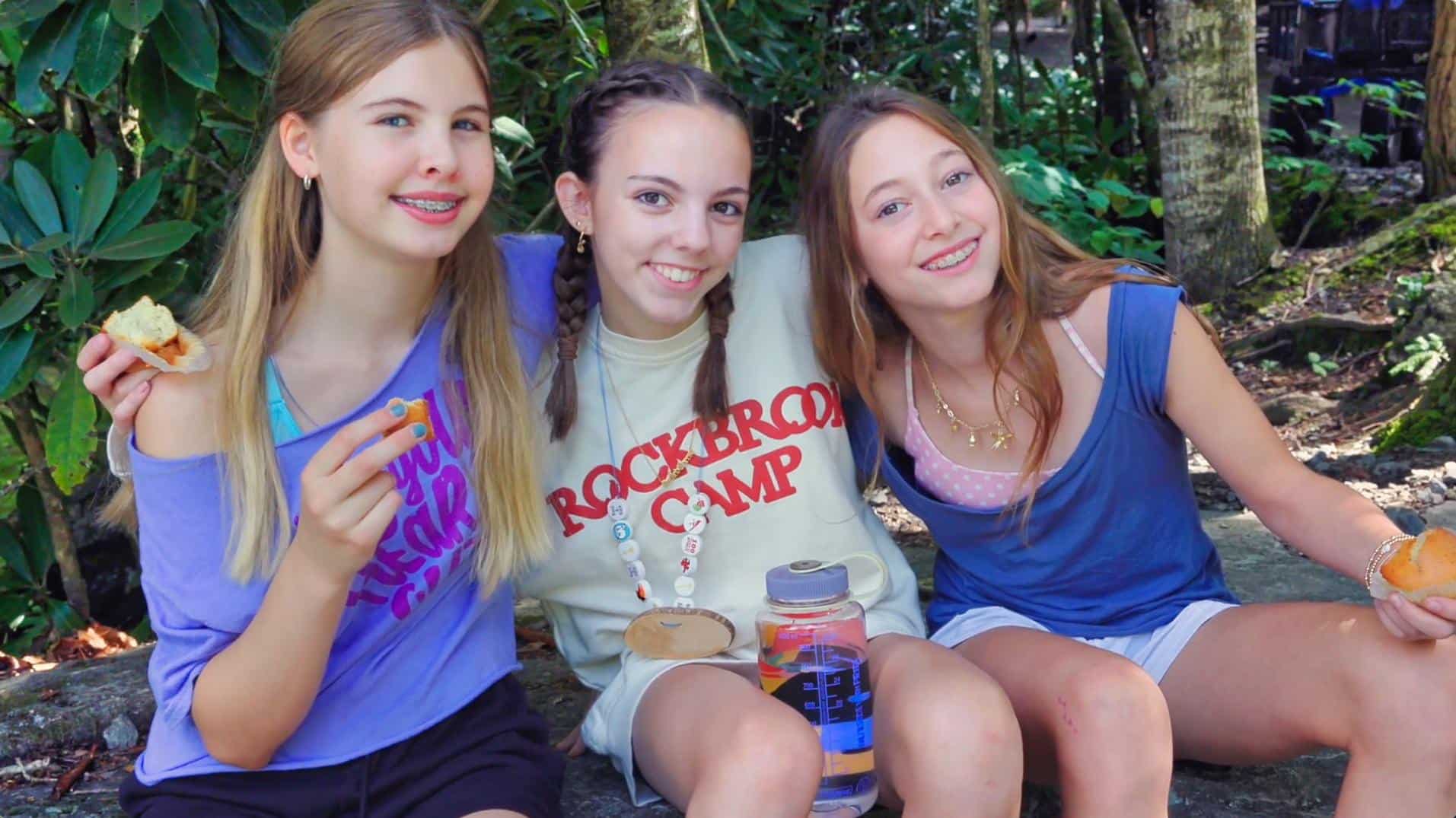
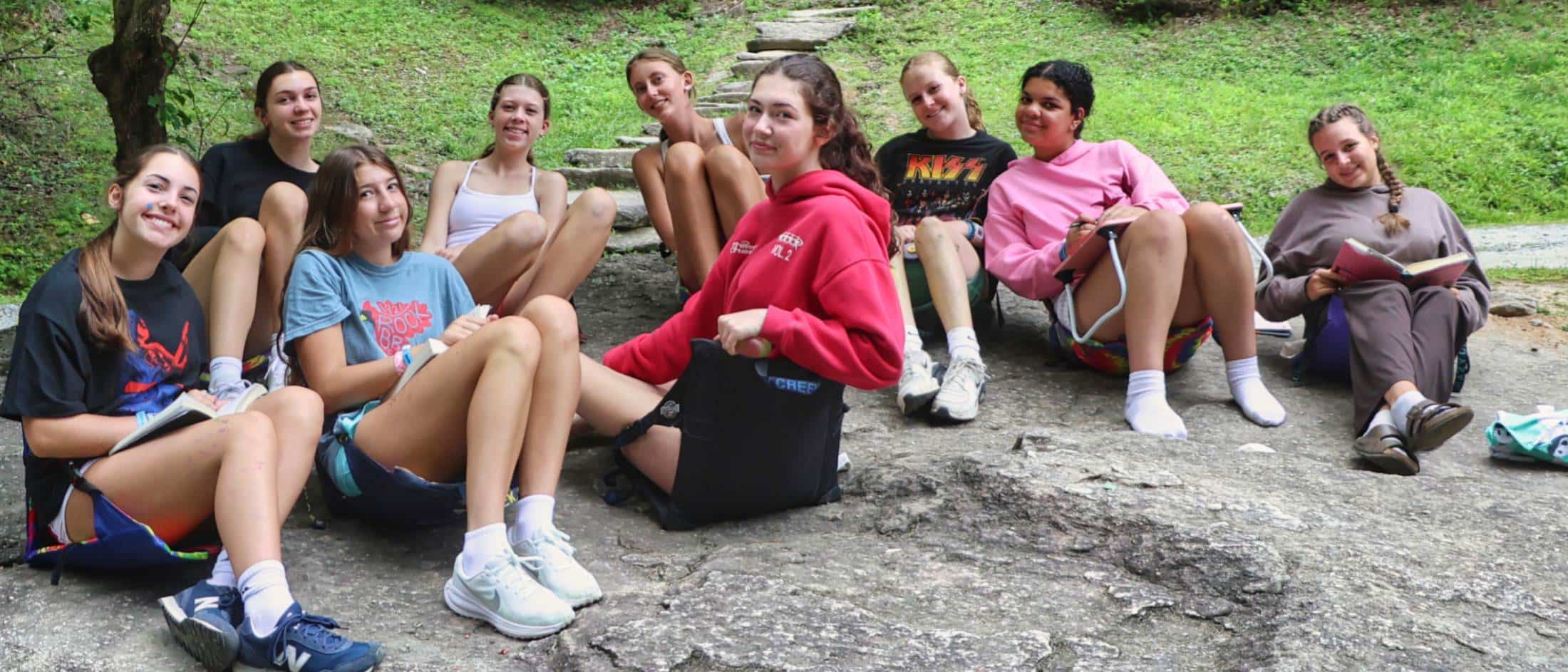
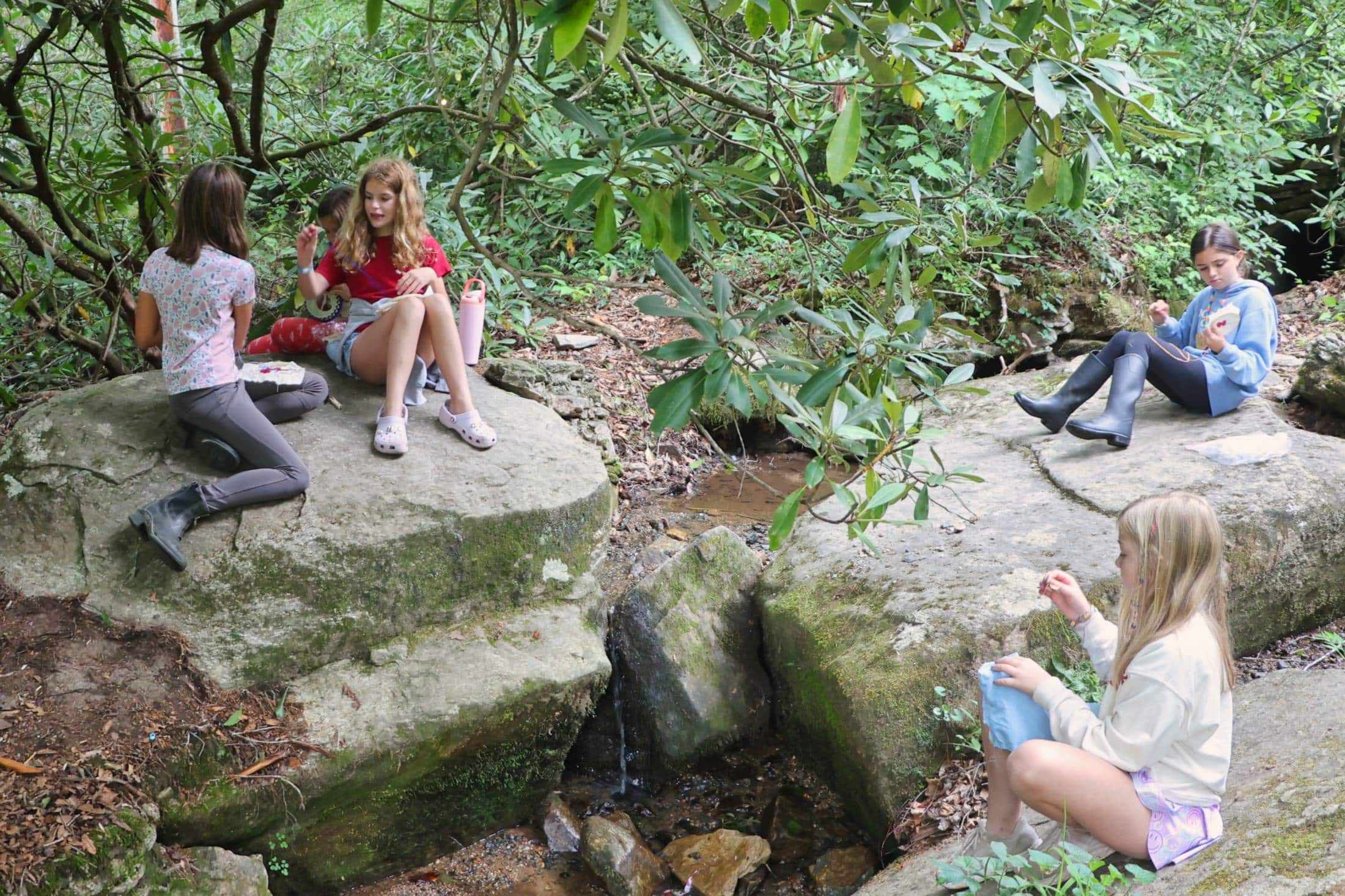
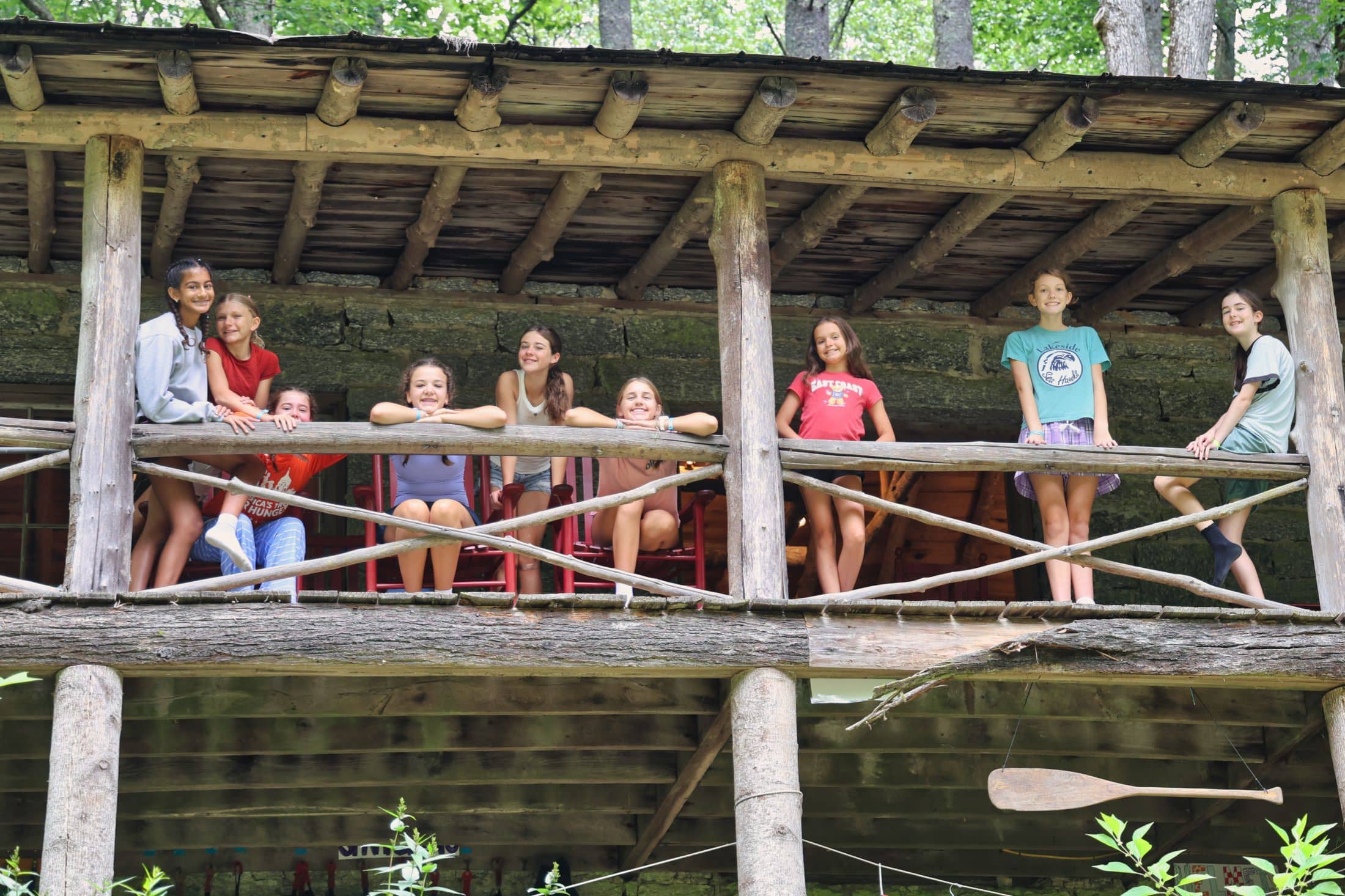
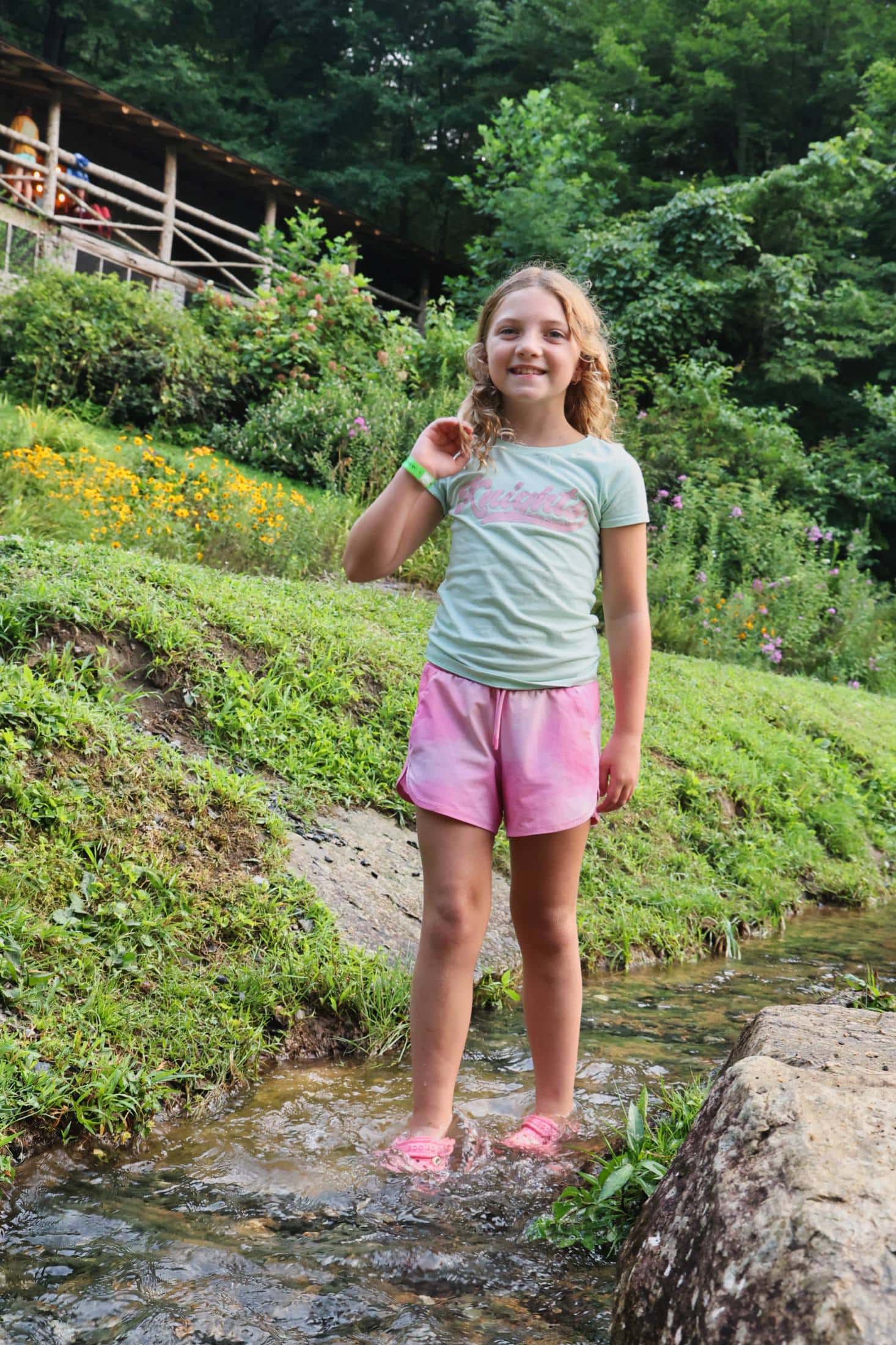
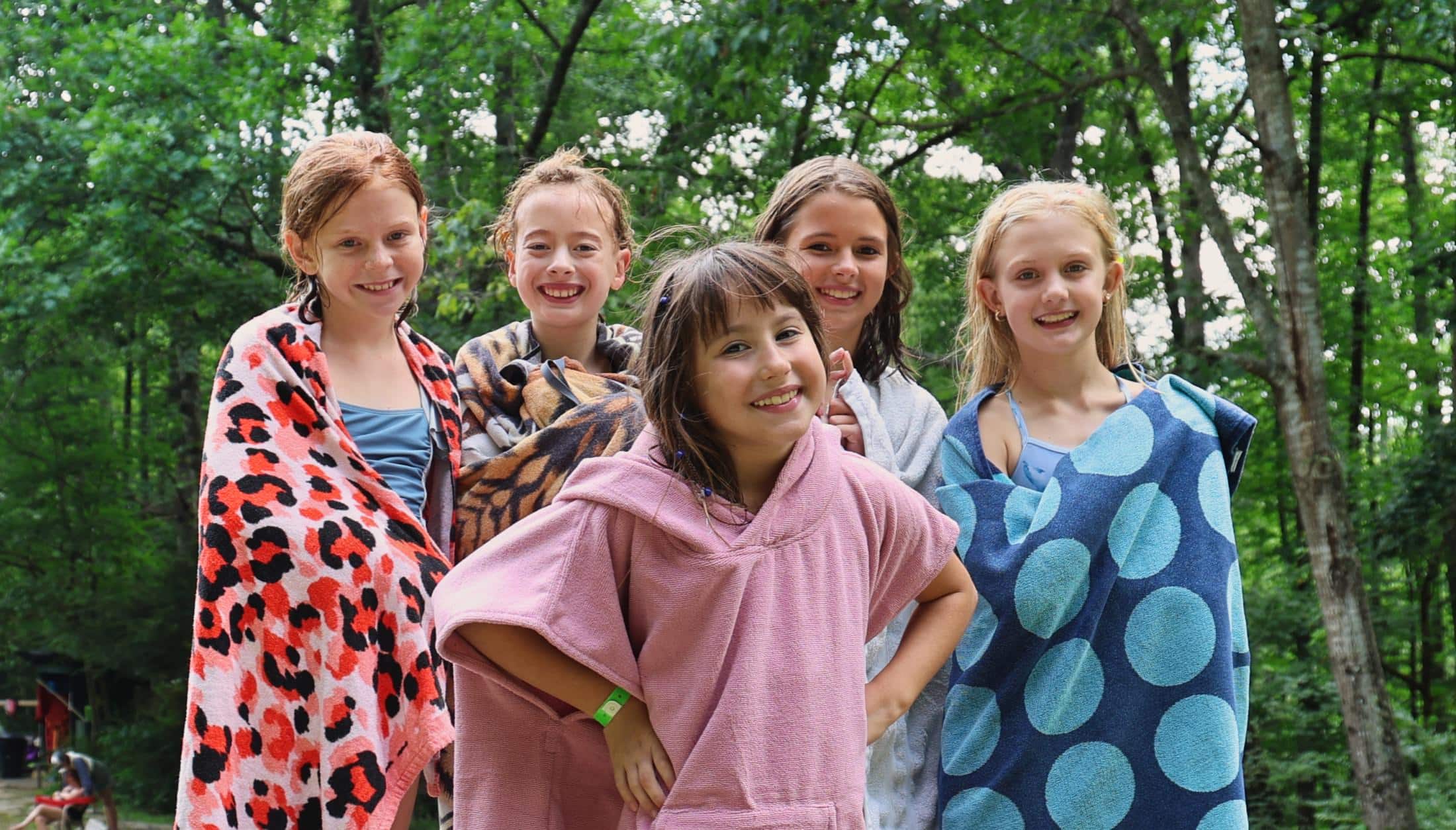
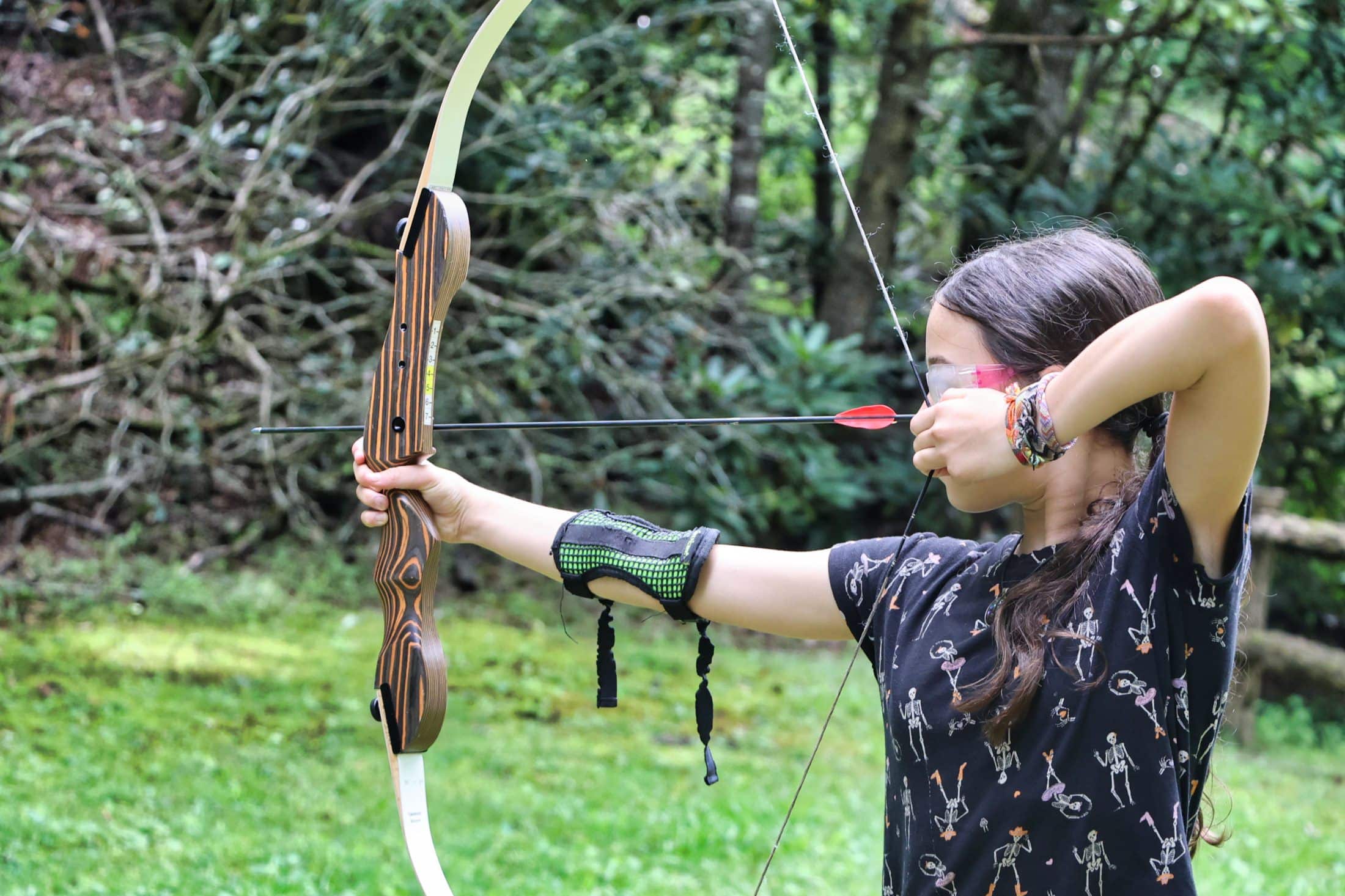
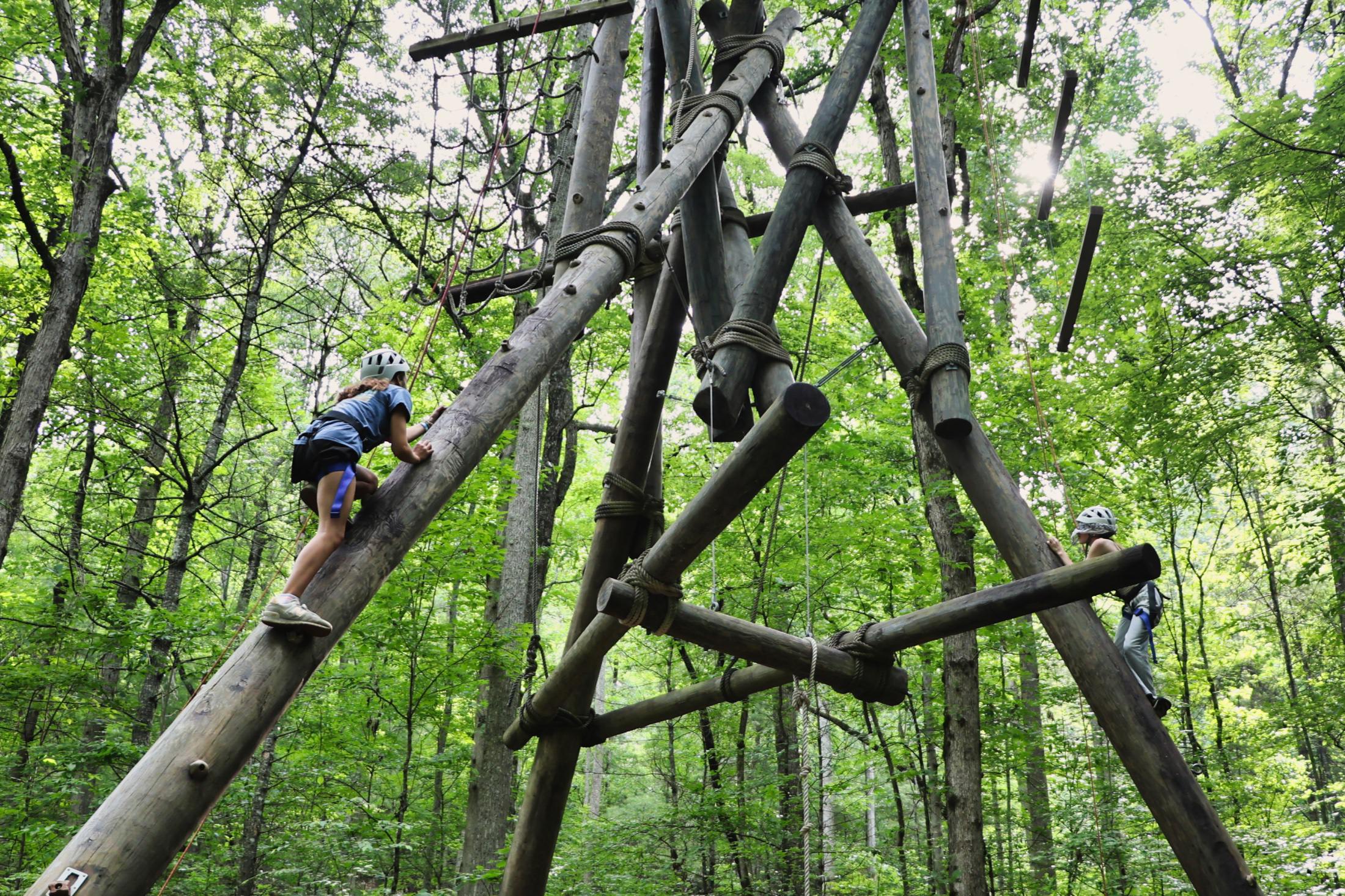
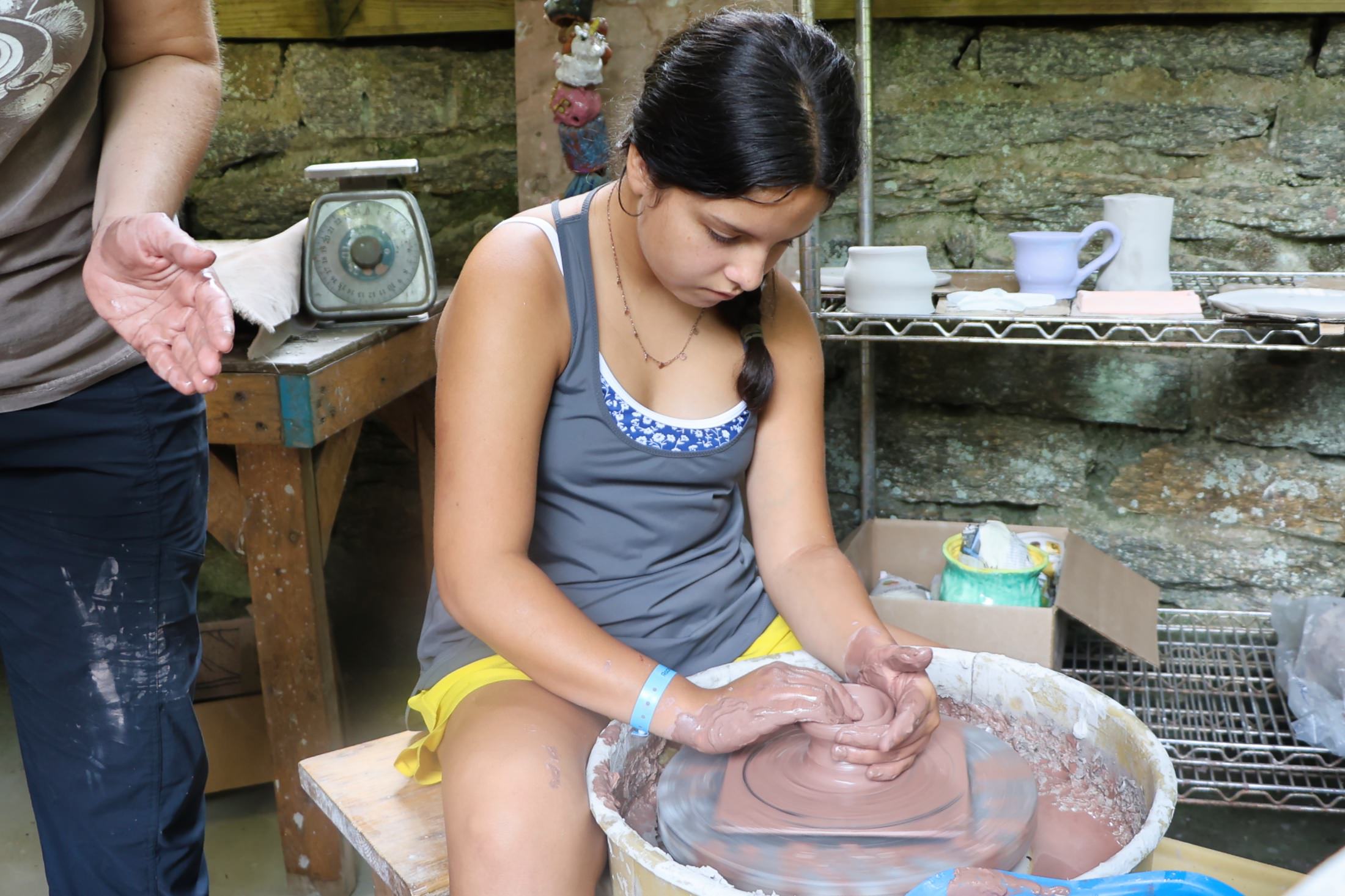
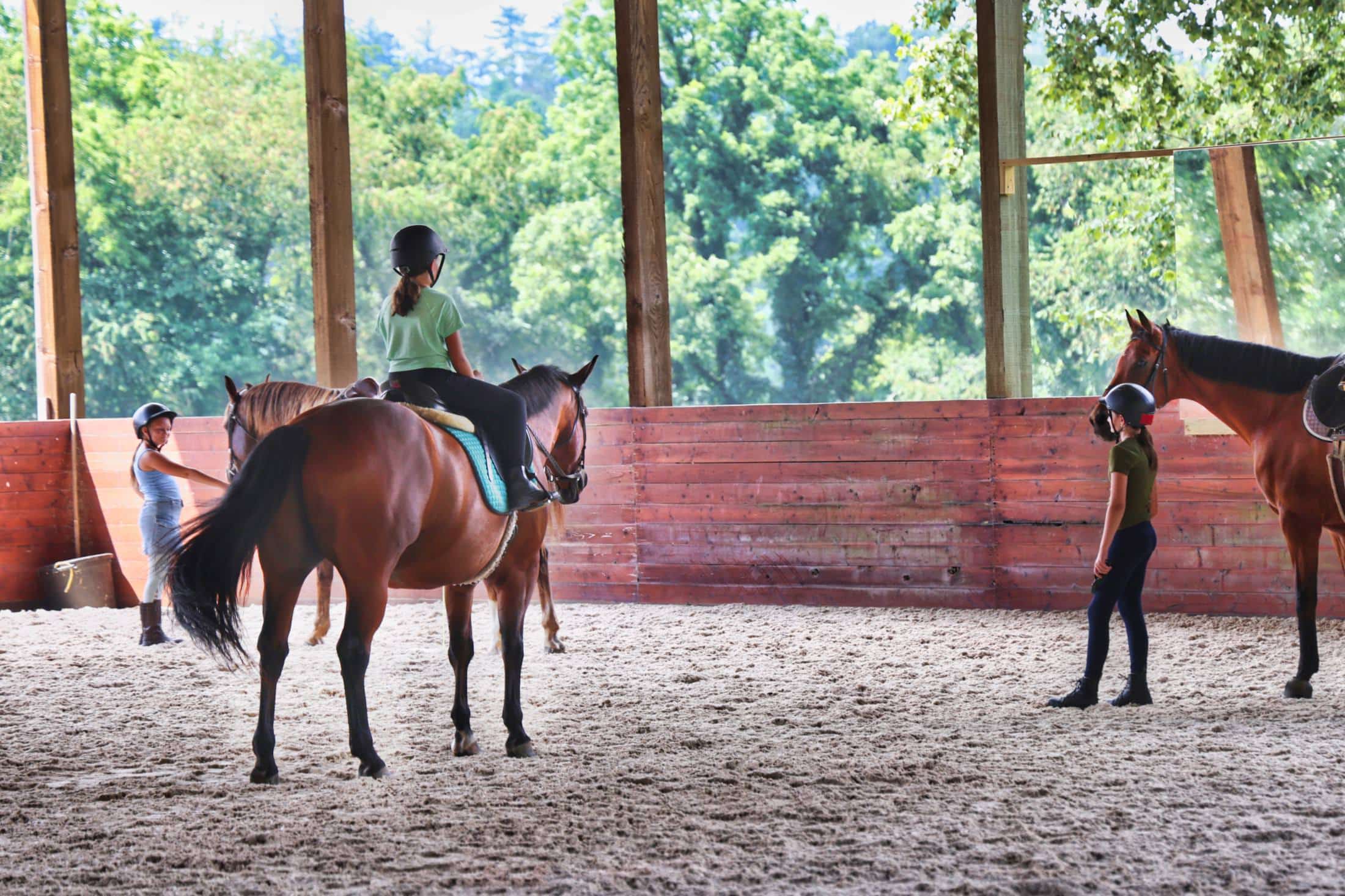
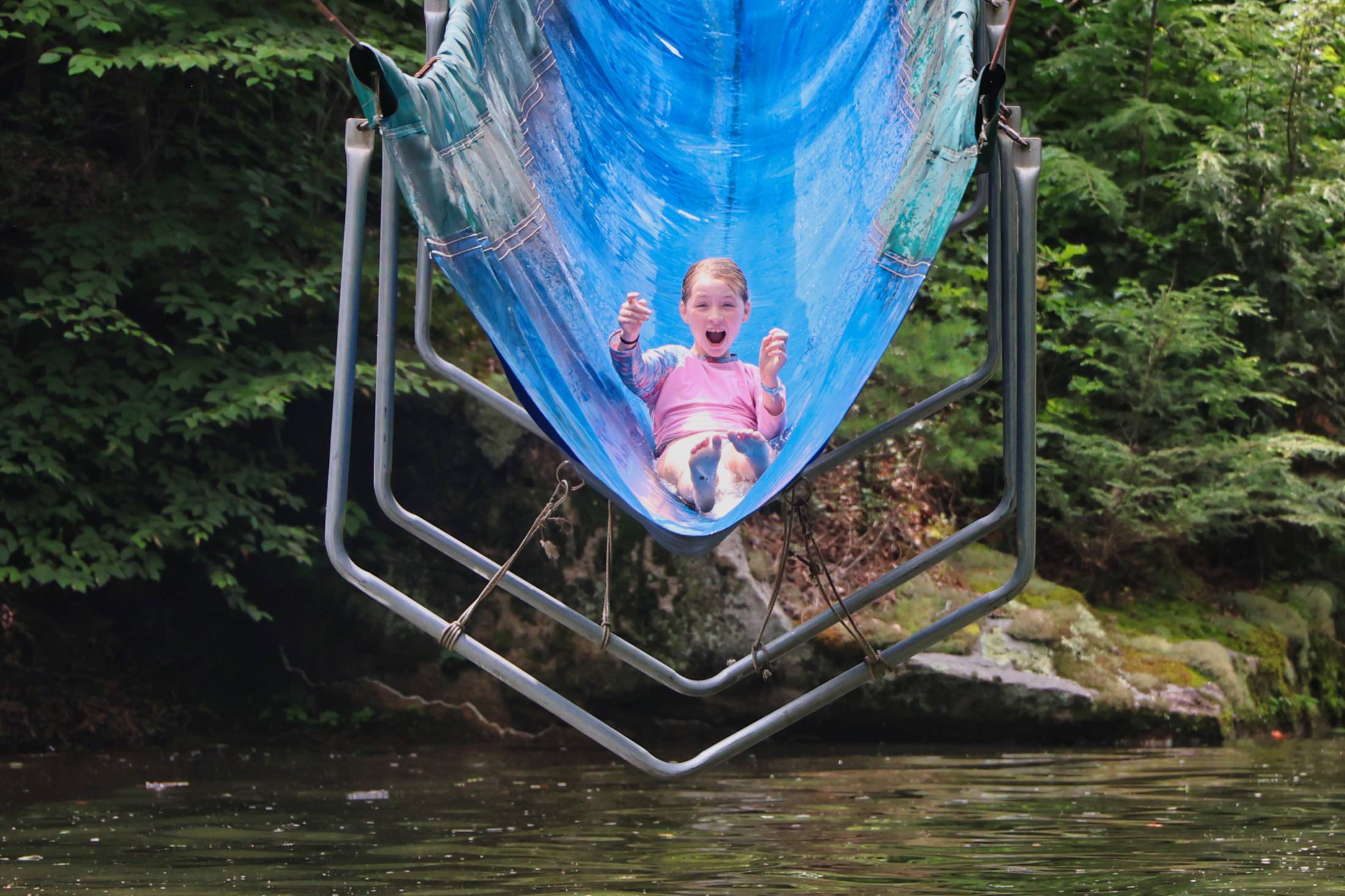
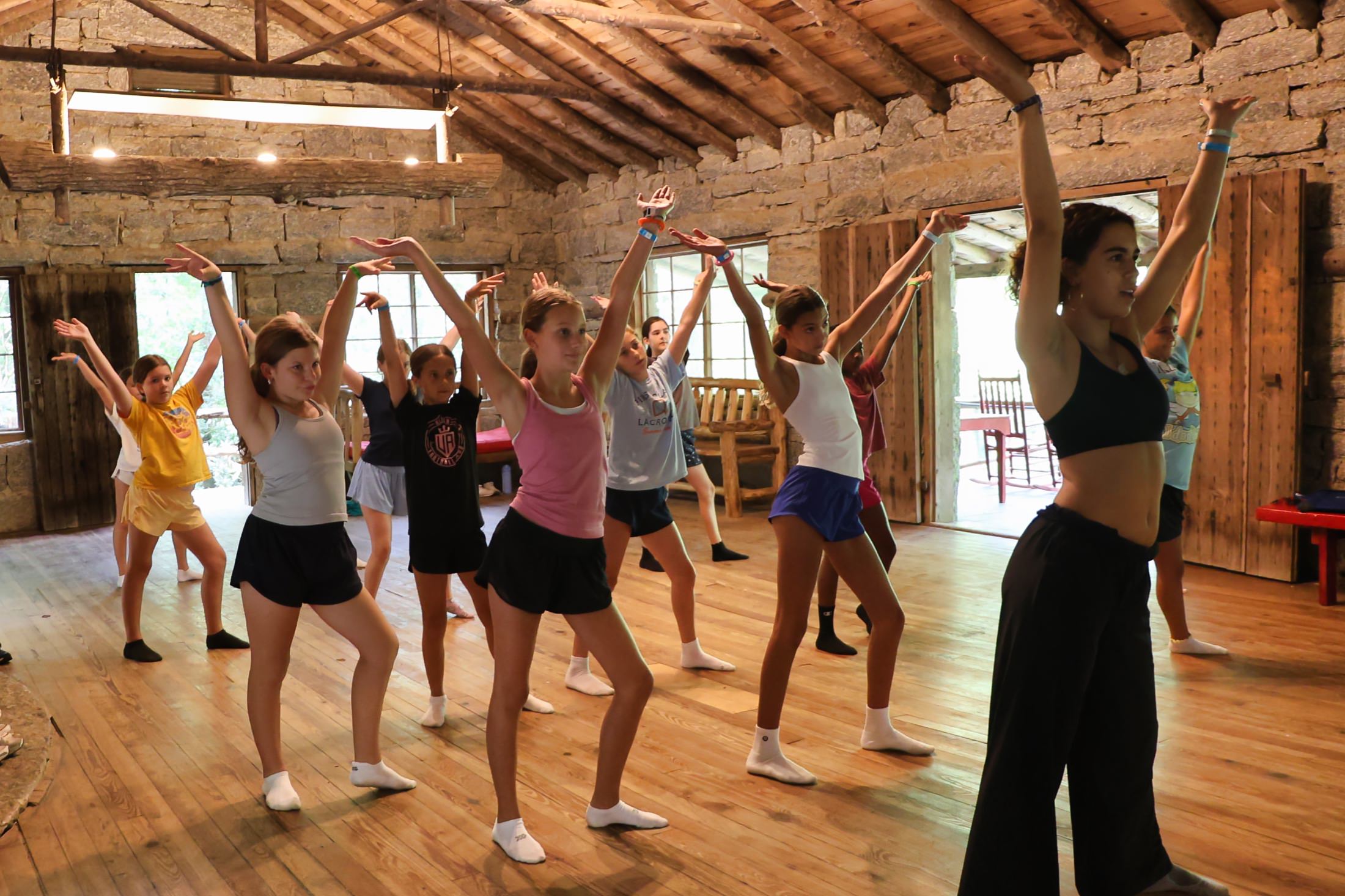
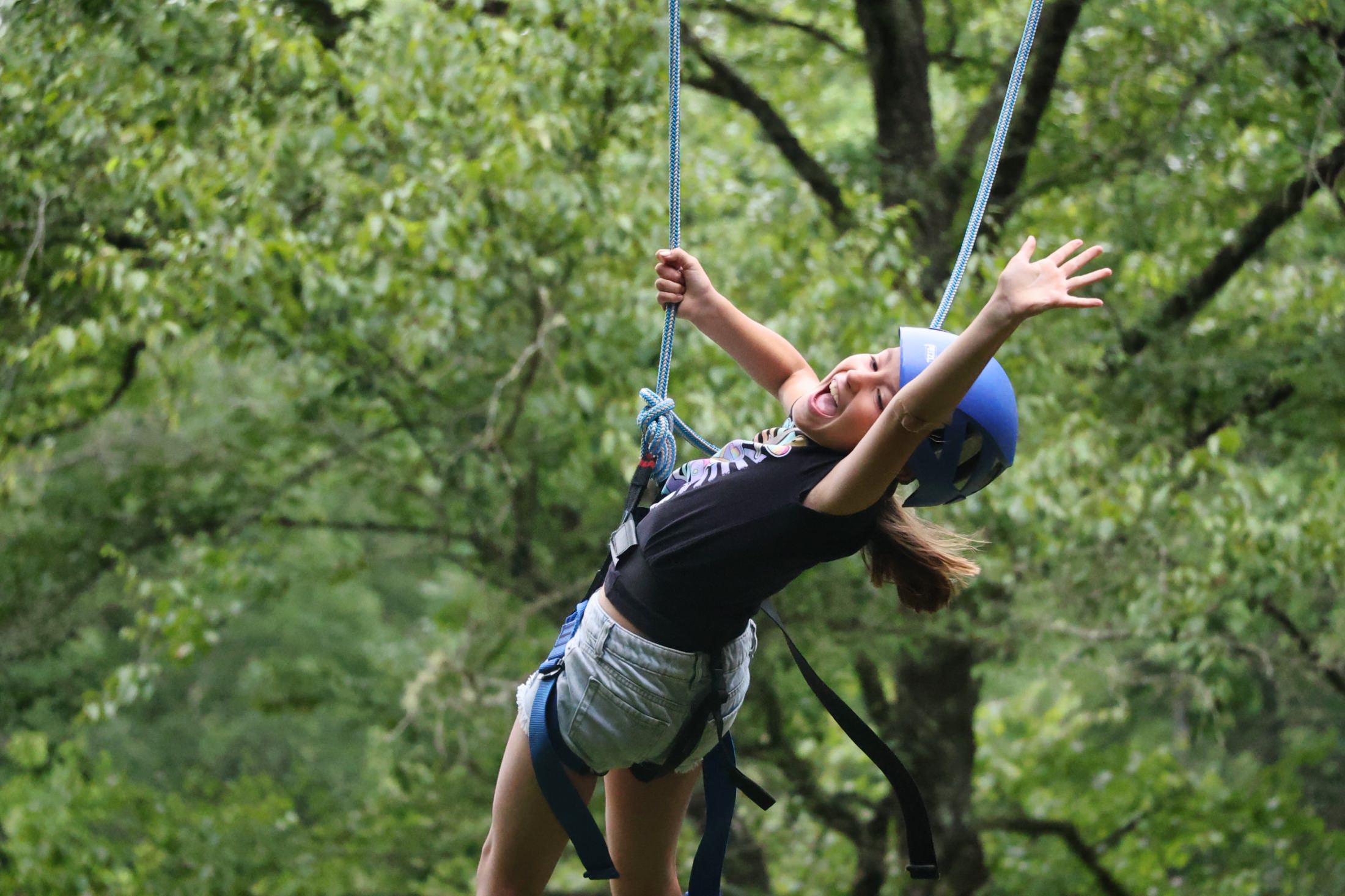
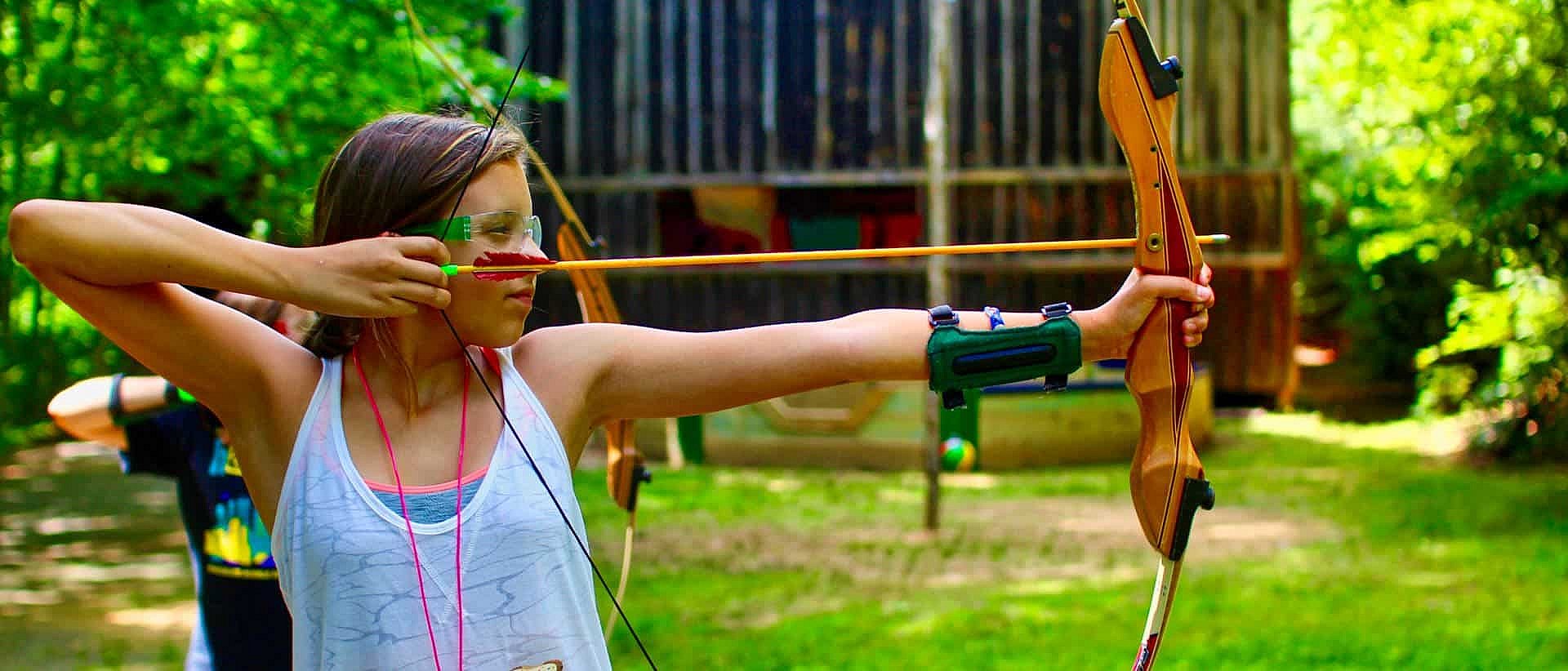
The schedule helped, of course. We ran a real sampling of camp all weekend. There was pottery and weaving, archery and riflery, a tennis clinic, t-shirts to tie-dye. Down at the lake there was swimming, fun floats and the water slide, the forest zip line, hikes up to Castle Rock and out to Rockbrook Falls, and for anyone who wanted it, the challenge of climbing the Alpine Tower. Here again, the activities provided opportunities to relive camp experiences and dust off a few camp skills, but everywhere pockets of conversation popped up on porches, side-by-side in red rocking chairs, or lounging on one of the rocks at the lake. Being at camp with friends was the real activity.
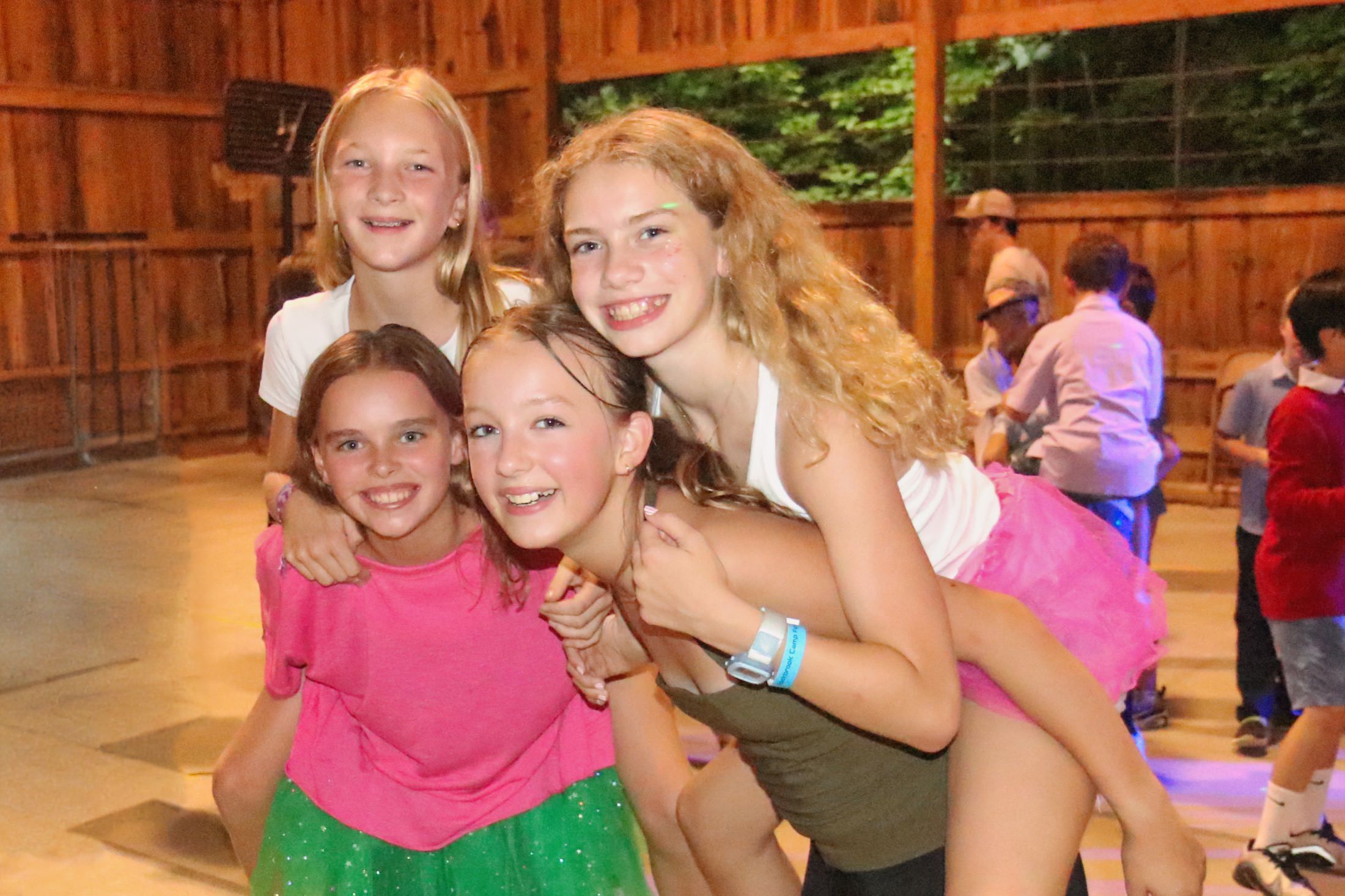
We have plenty of evidence. Photographer Steve captured the day on Saturday, and we’ve posted his full gallery of photos. Videographer Robbie also put together a short video from the reunion.
Saturday evening brought everyone down to the Rockbrook House for a wine reception and viewing of the Rockbrook archives. Sarah had the house full of camp. Green and white uniforms from over the decades, photo albums stacked on the tables, memorabilia, and bound issues of the Carrier Pigeon going back to the camp’s earliest years. Women bent over those pages finding their own names, their mothers’ names, photos and faces they hadn’t seen in years. If that display left you wanting more of it, we keep a good deal of Rockbrook’s photographic history organized by era in albums on our website. Give yourself an evening to enjoy stepping through it.
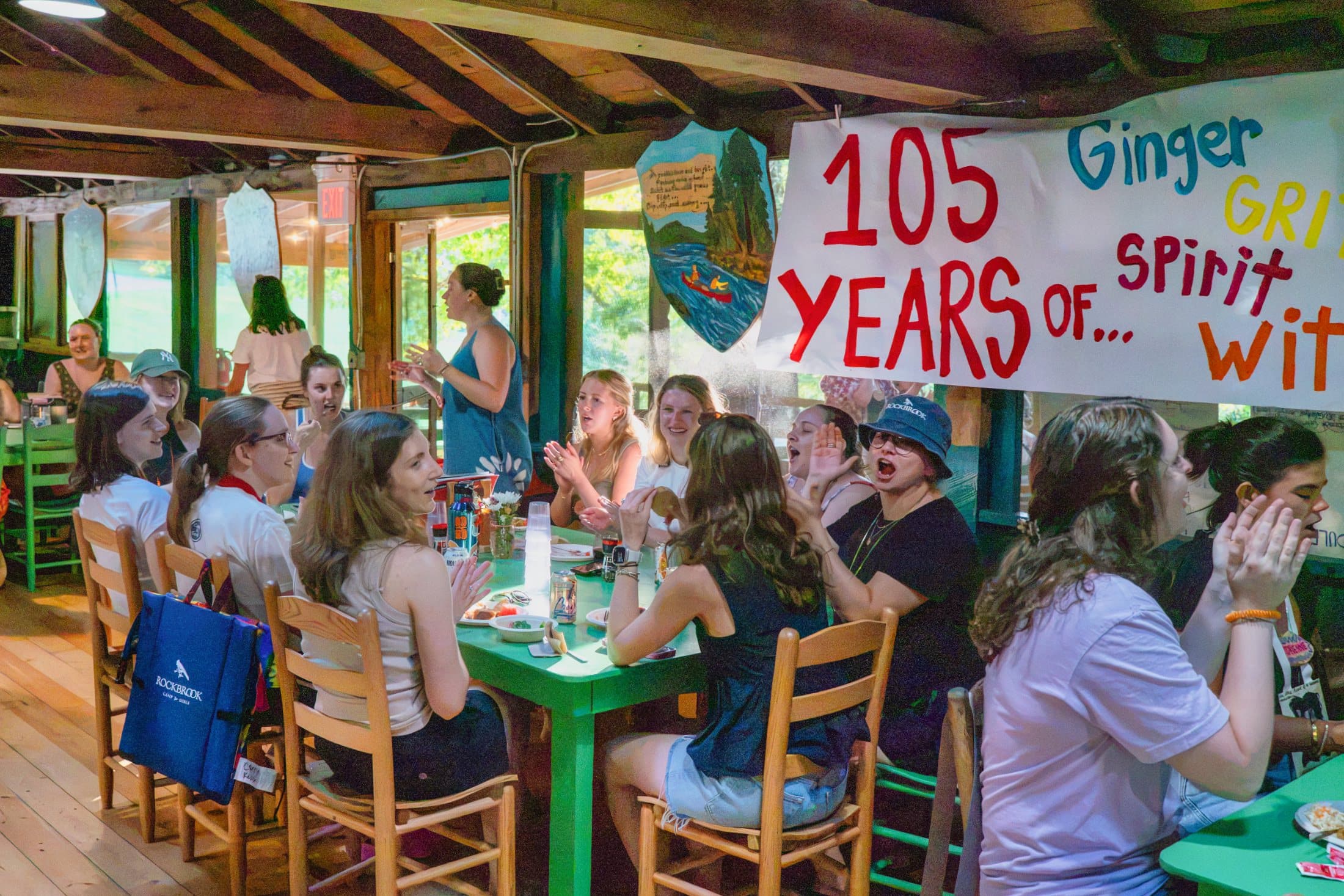
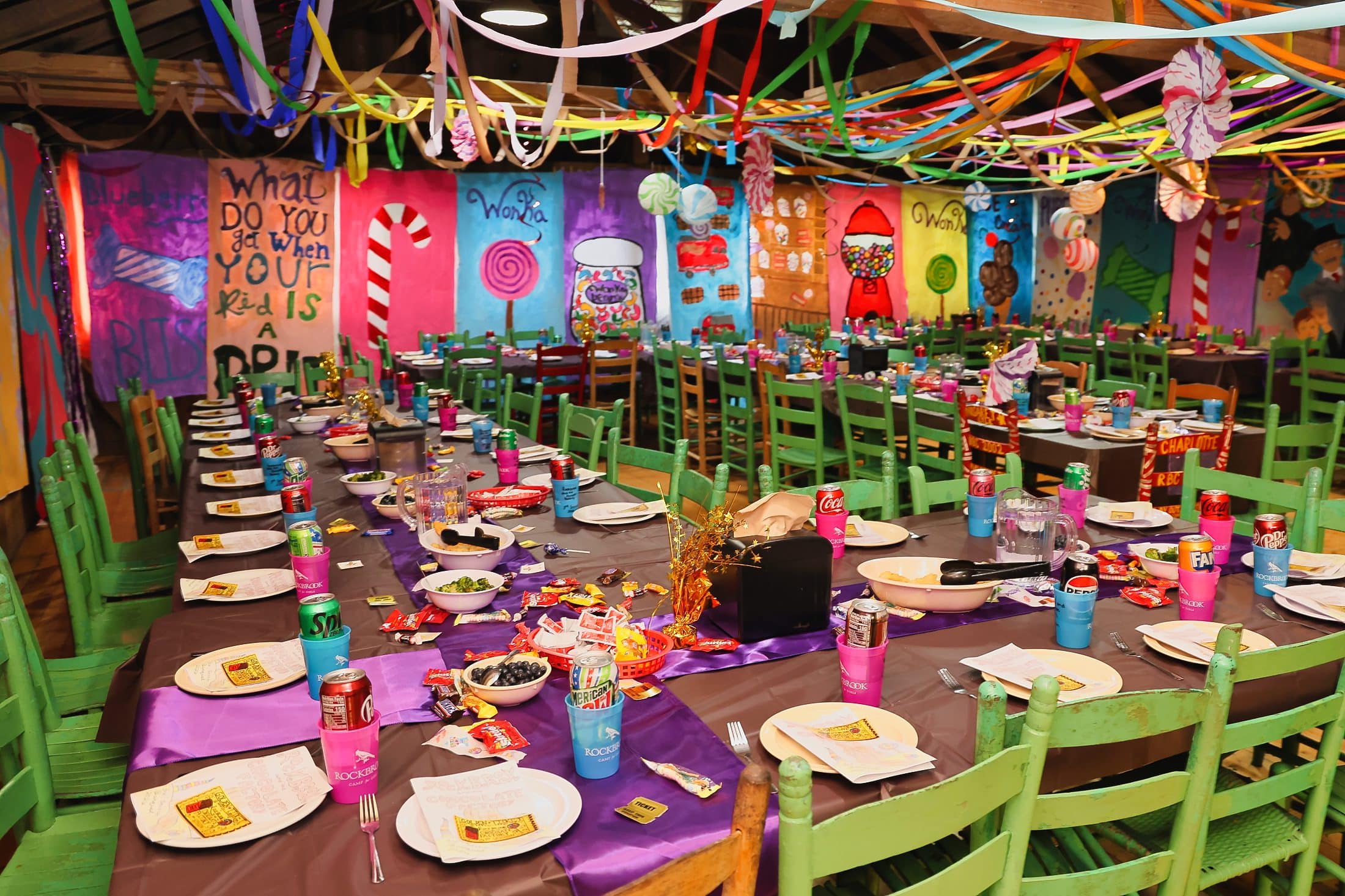
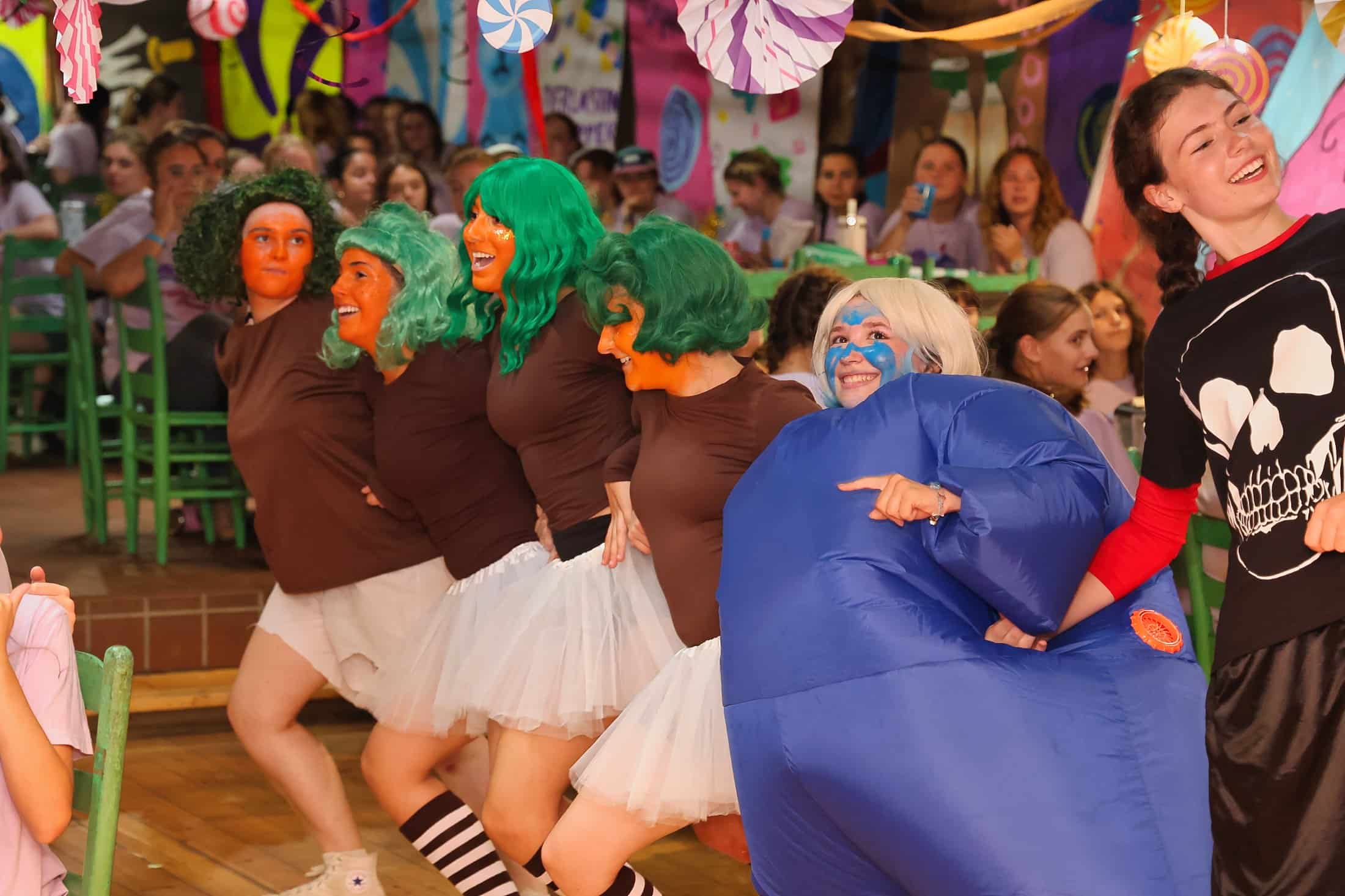
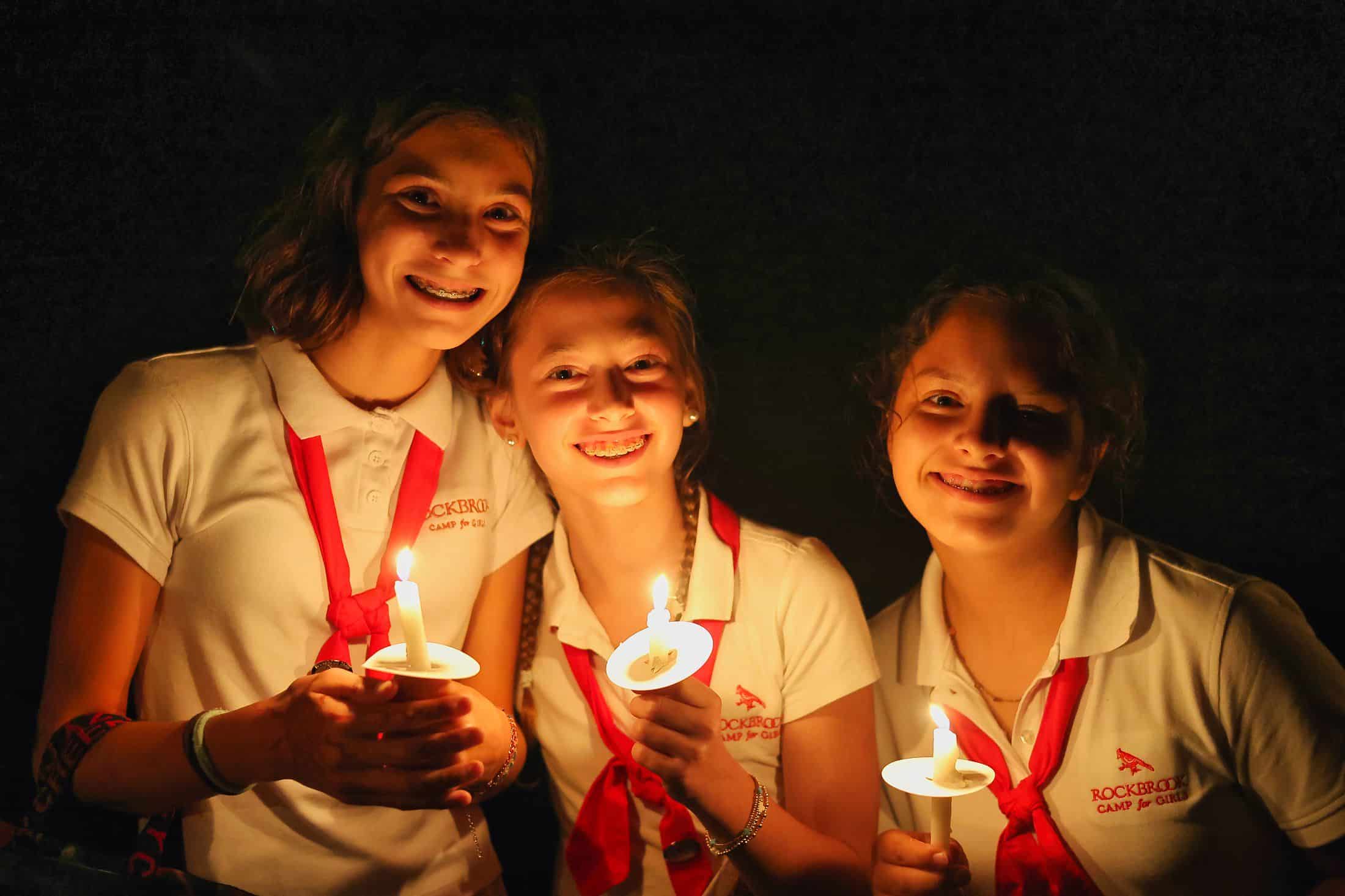
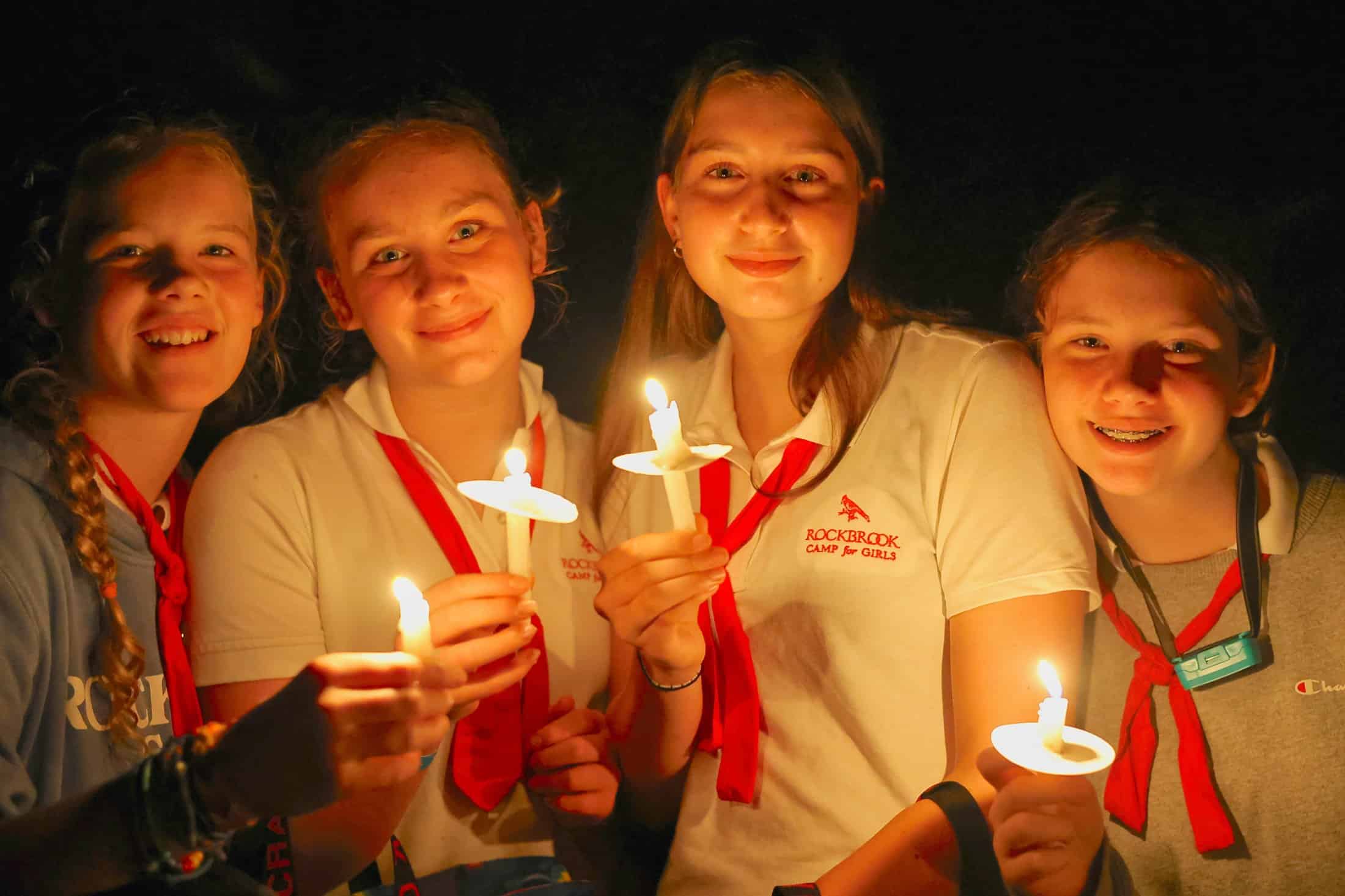
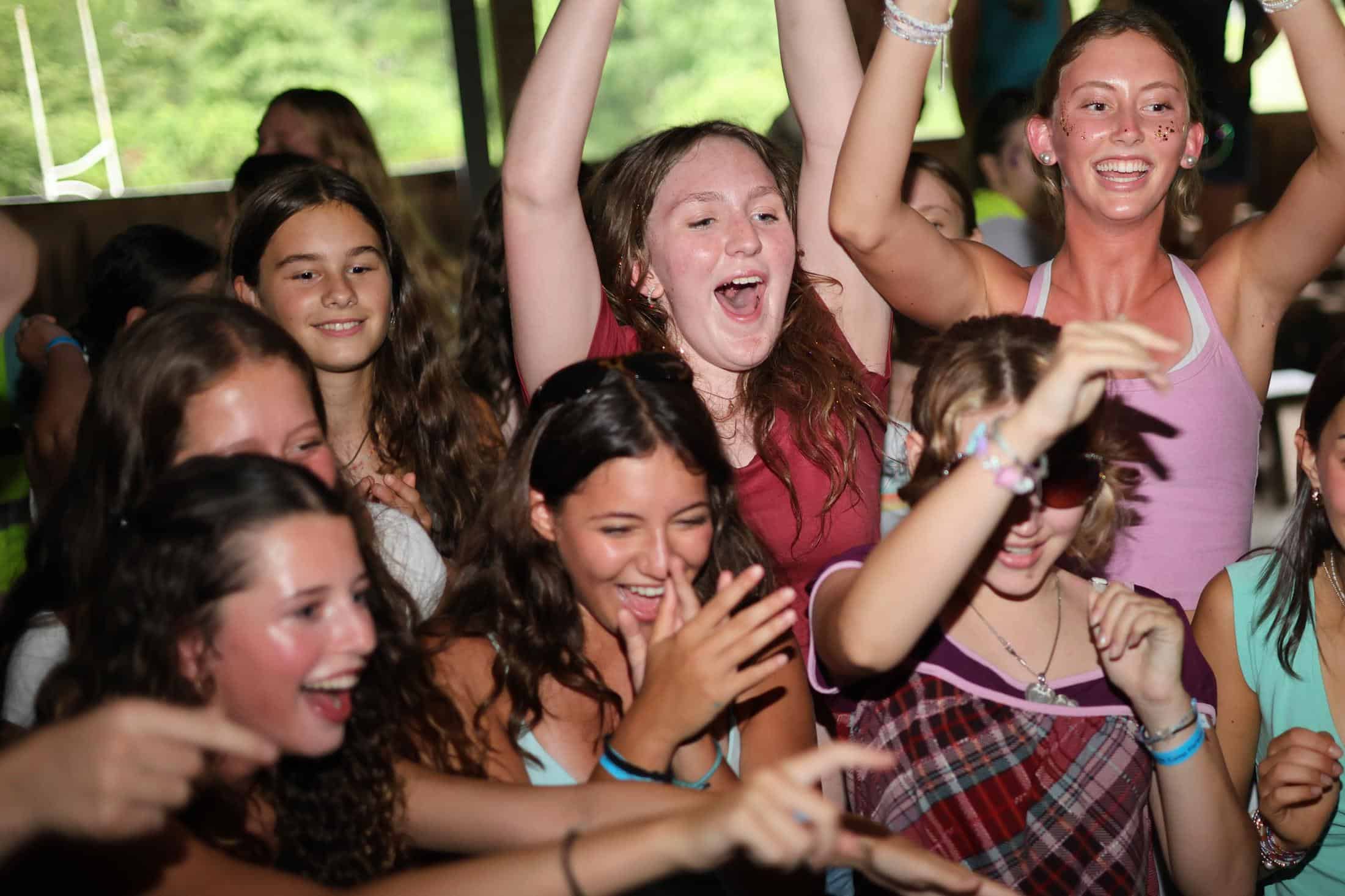
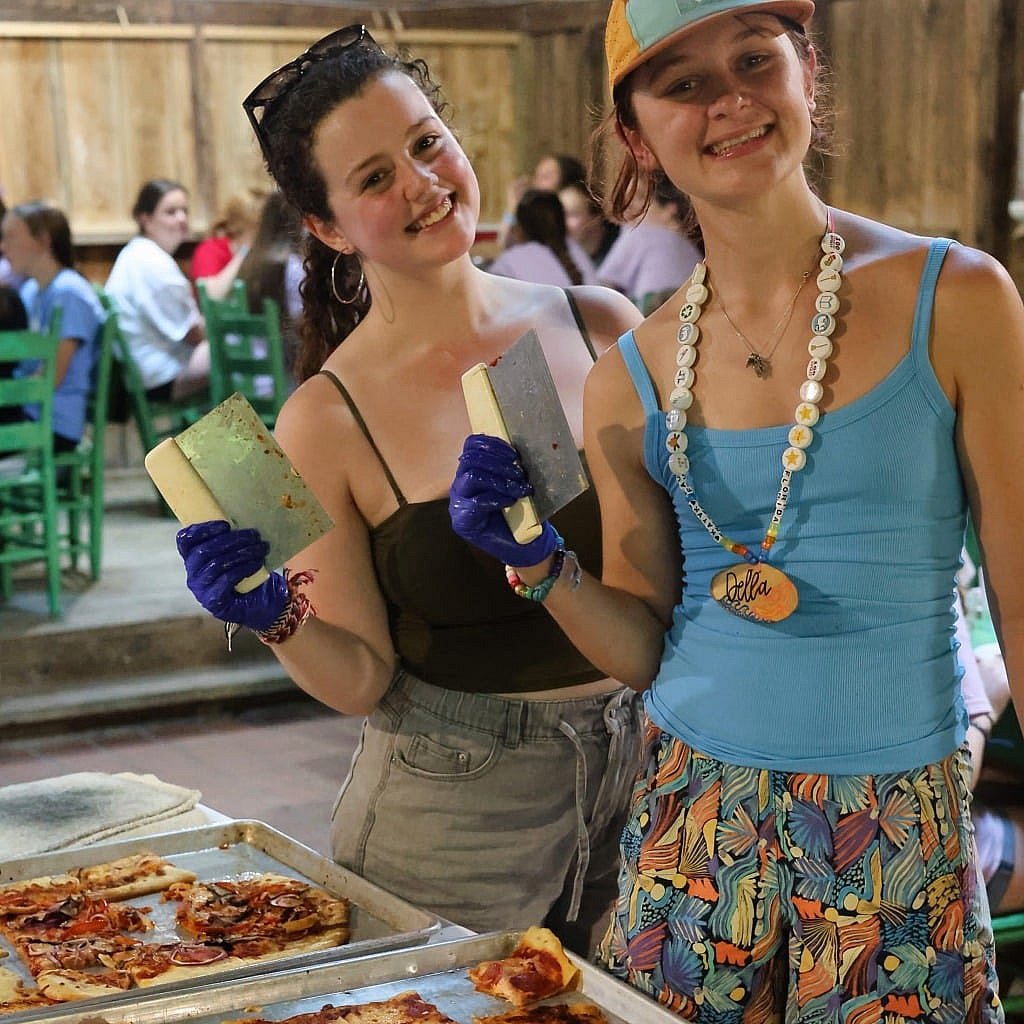
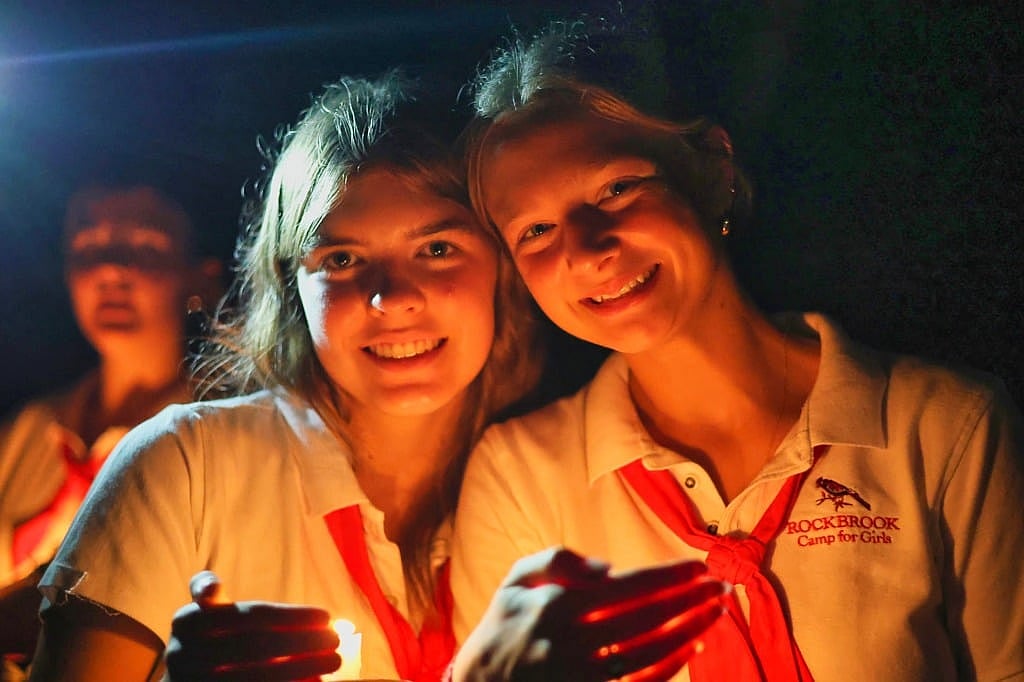
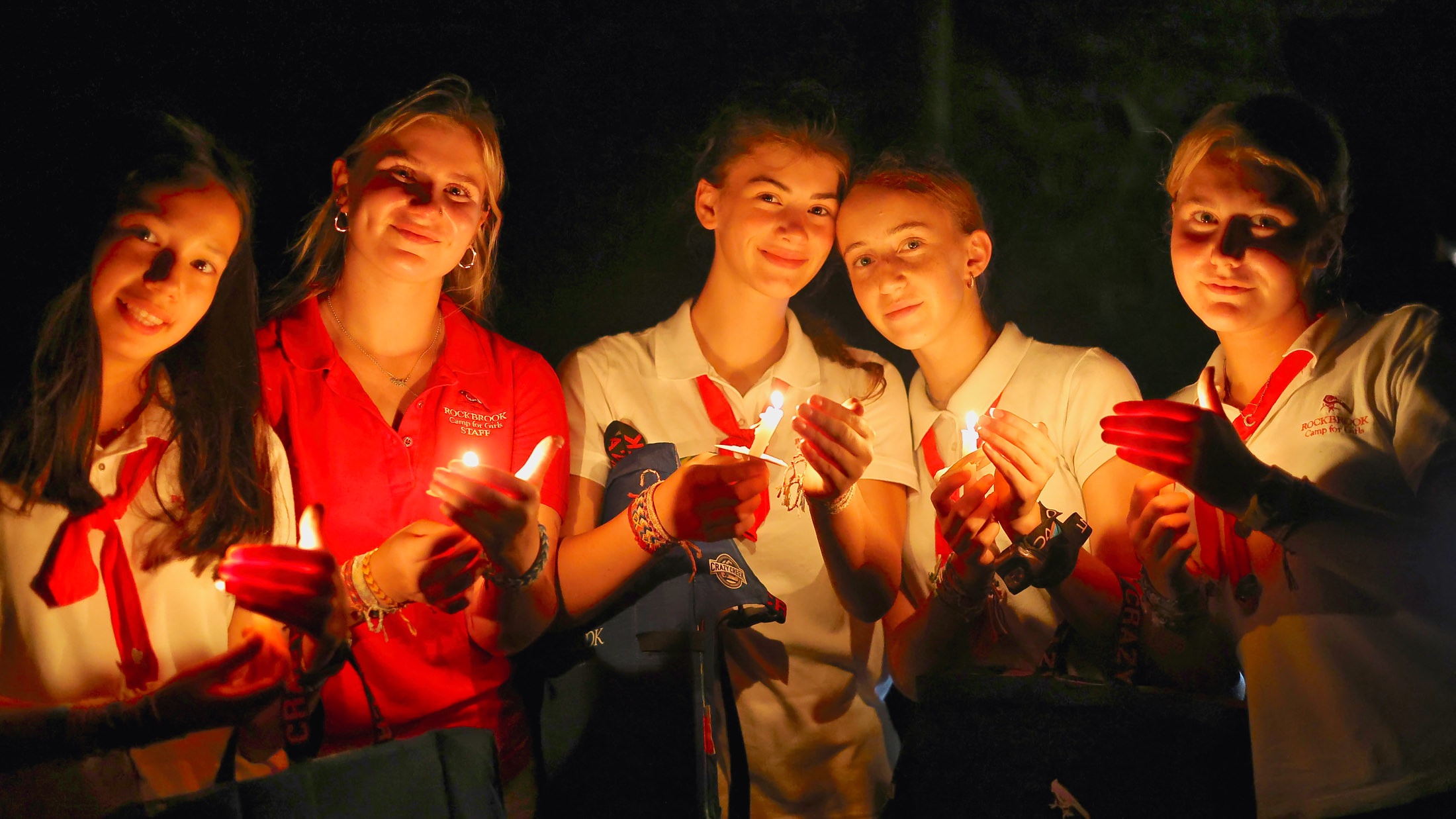
The dining hall became a hub for the weekend, just like it does at camp. Rick and his crew gave us dish after dish of delicious meals. And then there was the singing. The dining hall songs came back in full voice, table banging included, sung by women who clearly loved these old songs from their past. Few people needed the words. Saturday night we held a Spirit Fire and a jug band campfire, which together make about as honest a portrait of this place as you can fit into one evening: at times solemn and candlelit, and other times loud and ridiculous, both of them sincere and wholehearted.
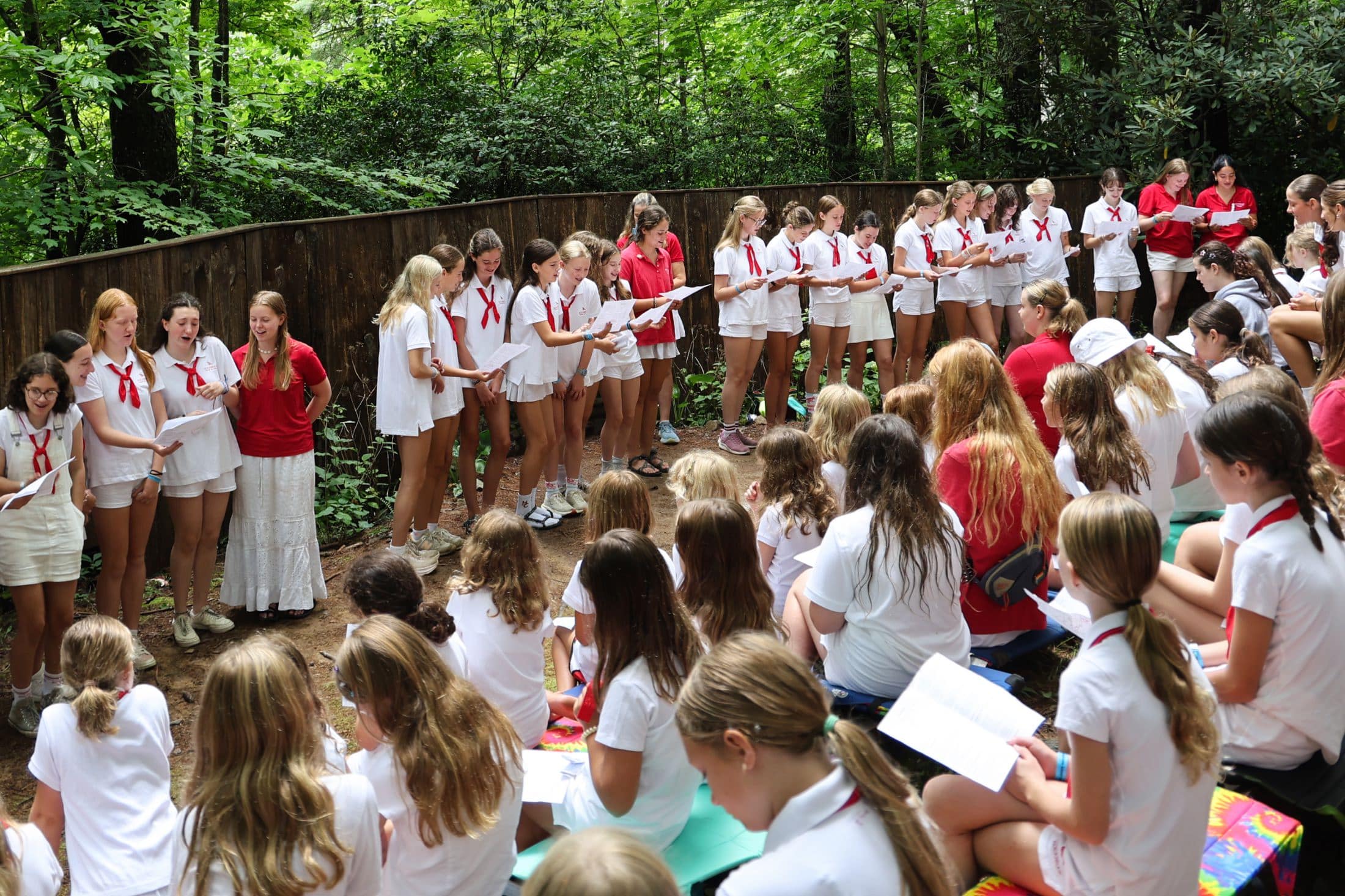
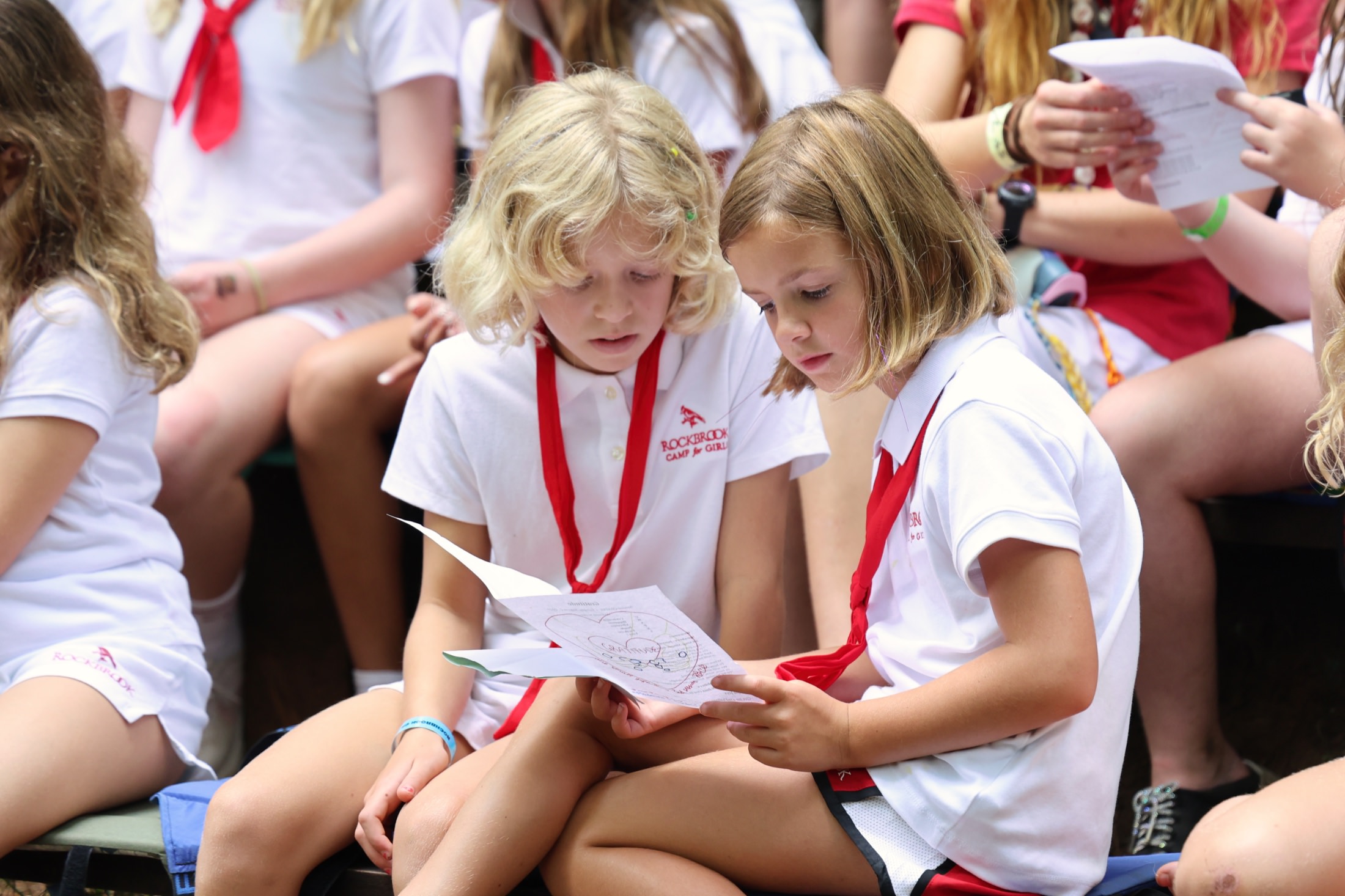
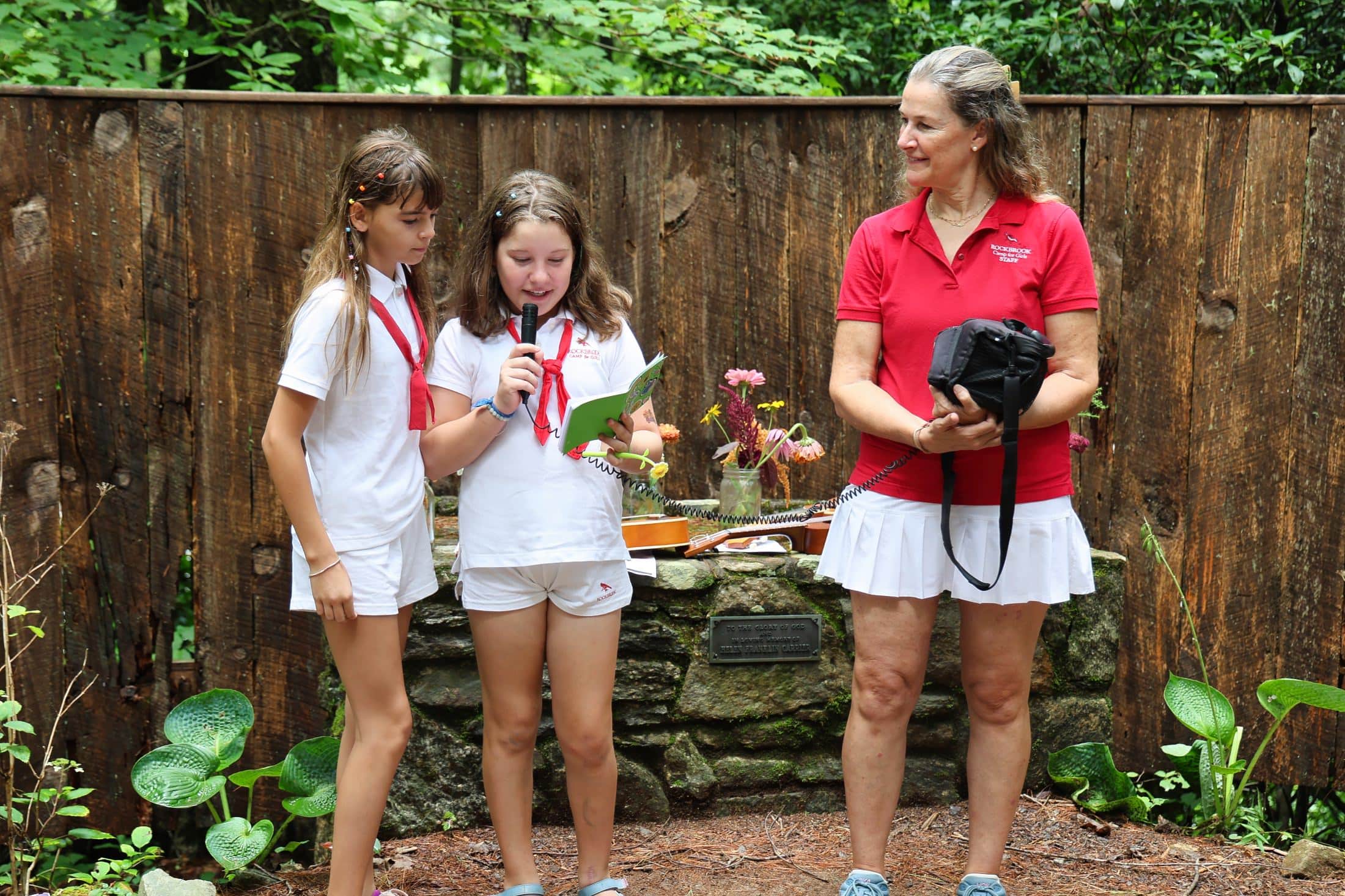
Sunday morning we walked down to Chapel, and the theme was connection. That’s when the tears came. There is something moving about sitting on those benches as a grown woman, in the same spot where you sat as a young girl, listening to people talk about what has held all of us together for so long, what camp still means to them all these years later. It was a beautiful expression of the Rockbrook Spirit, and I think everyone felt it that morning.
Late on Saturday, after the campfire had burned down, small groups were still out talking in the dark, laughing at things that happened forty summers ago, nobody willing to be the first one to go to bed. Camp does this to adults. It gives you back the part of yourself that was easy and unhurried among friends, that sense that you belong, and that this is your place. It may be five years until the next reunion, but in the meantime, Rockbrook is here.