
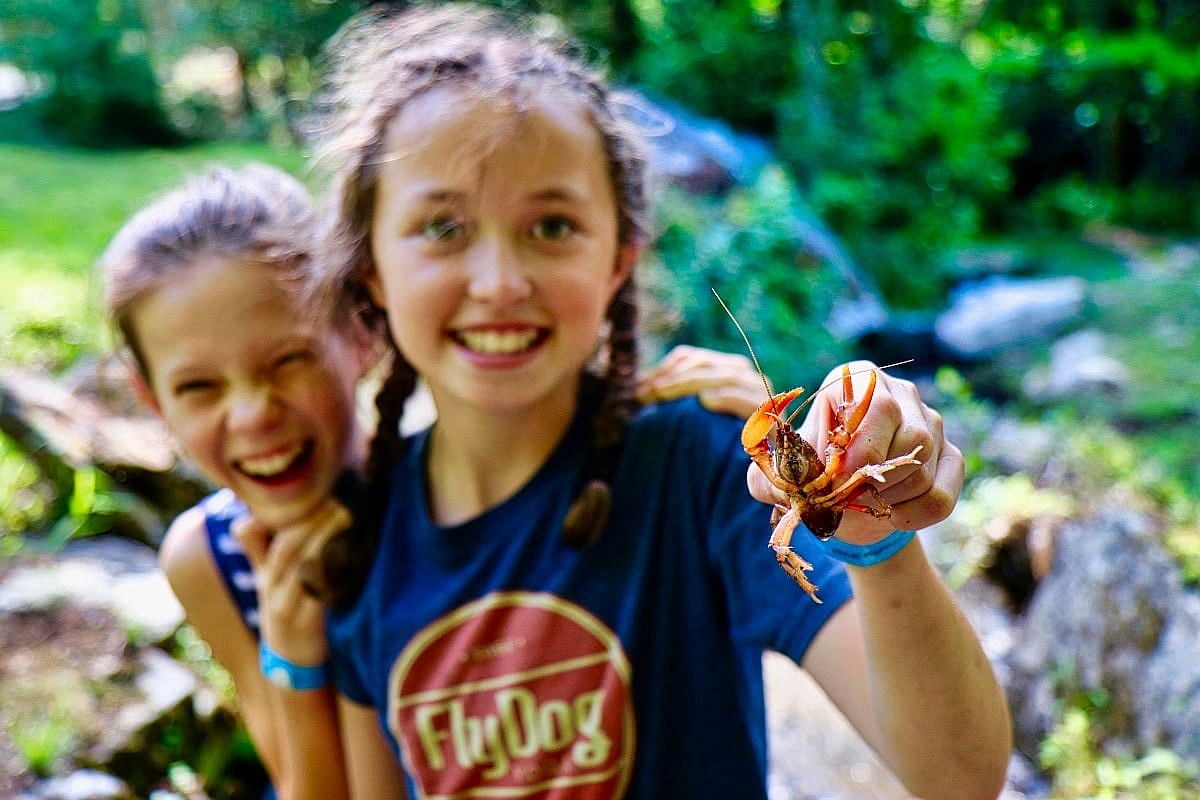
Camp Teaches Resilience
Everyone experiences setbacks now and then, the occasional failed effort or unexpected misfortune. But what happens when you kids trip up or get knocked down? Do they stay down? Sink lower, and let that moment of failure defeat them? Or, do they bounce back, maybe learn from the experience, and gain a new dimension of confidence to face the next challenge? Put differently, how resilient are your kids?
Dr. Michael Ungar, a Social Worker, Family Therapist, and University Research Professor at Dalhousie University in Halifax, Canada has thought about this question a lot. He is a co-director of the Resilience Research Centre, an organization coordinating experts from around the world in sociology, psychiatry, education and medicine in a broad project to understand the cross-cultural similarities and differences in how resilience is understood, and to explore ways we can help children and young people be more resilient.
Several times before we’ve discussed how summer camp helps kids grow and how becoming more resilient is one of the clear benefits of camp. Now Dr. Ungar weighs in with a nice Psychology Today article entitled, “Summer Camps Make Kids Resilient.”
I encourage you to go read the article, but I wanted to summarize his main points here as well. Perhaps most importantly, Ungar identifies summer camp as a place where kids learn to do things for themselves without the kind of careful orchestration parents ordinarily provide. It’s a place where, instead, they can try challenging activities and take manageable risks, but also be provided encouragement and positive role models to help them learn to cope with disappointments.
Speaking from his research on resilience, Ungar pinpoints 7 important components of the summer camp experience children need to develop these coping strategies. These are seven things camp provides that help kids when they experience setbacks later in their lives.
- New friendly relationships
- Regular moments of pride and self-confidence
- Experiences of competency and self-efficacy
- Relief from unfair social treatment
- Healthy physical activity and nutrition habits
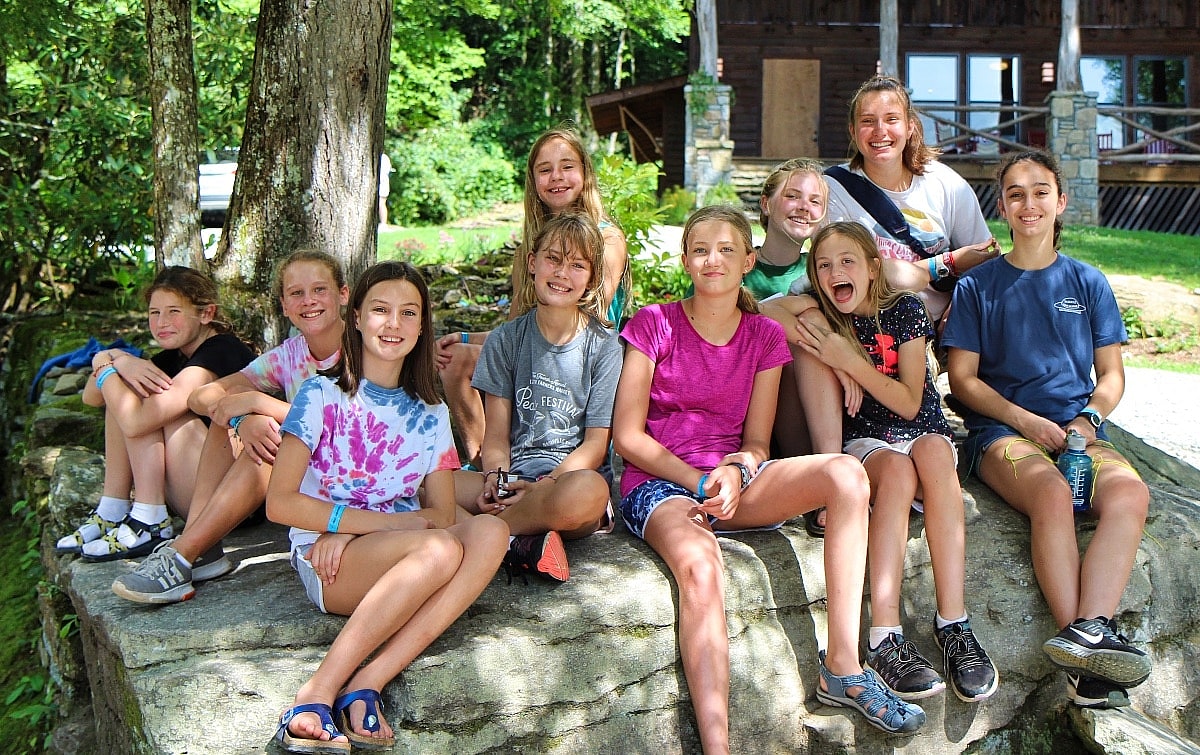
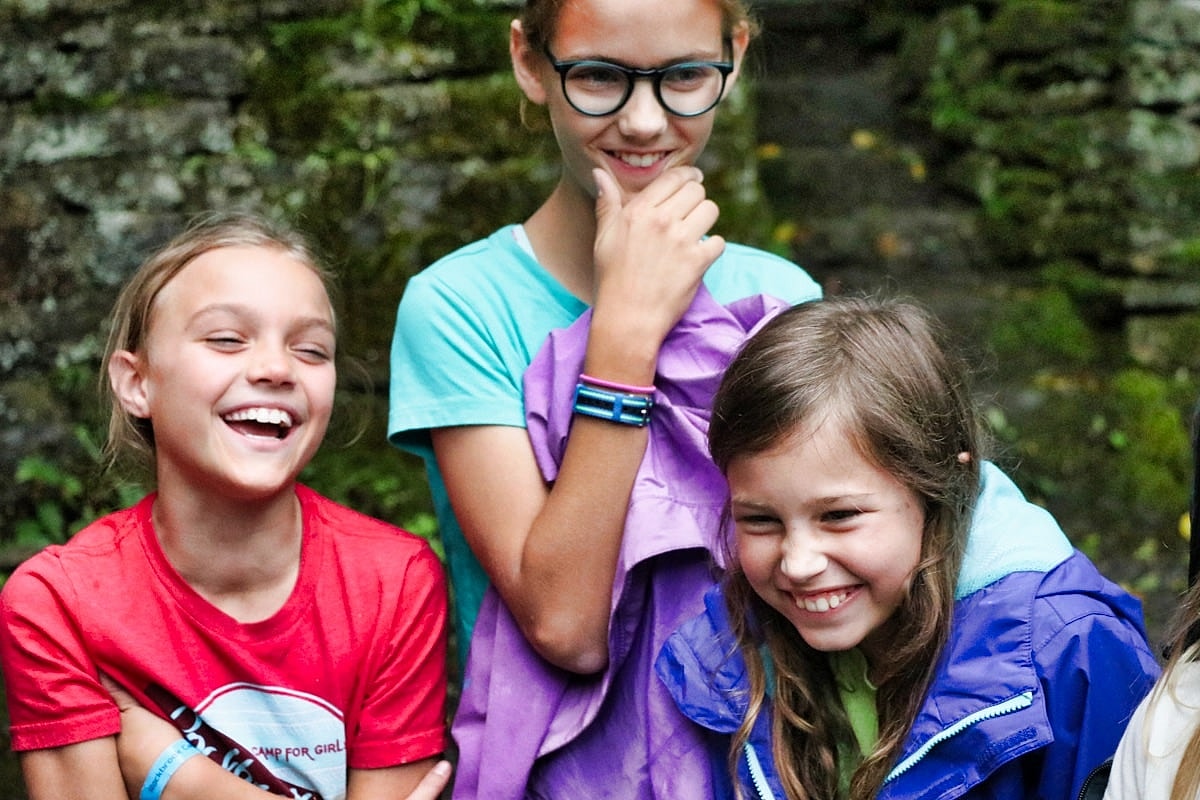
- Belonging to a meaningful community
- Opportunities to reflect on cultural values
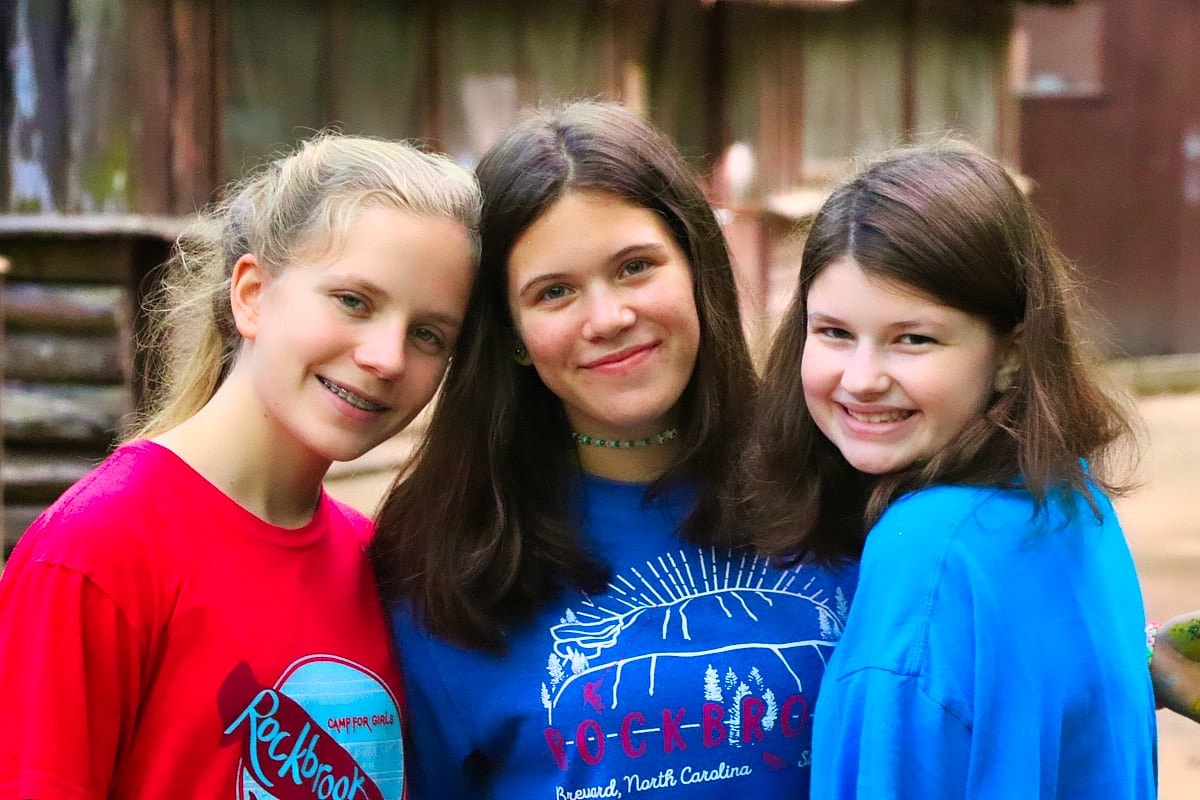
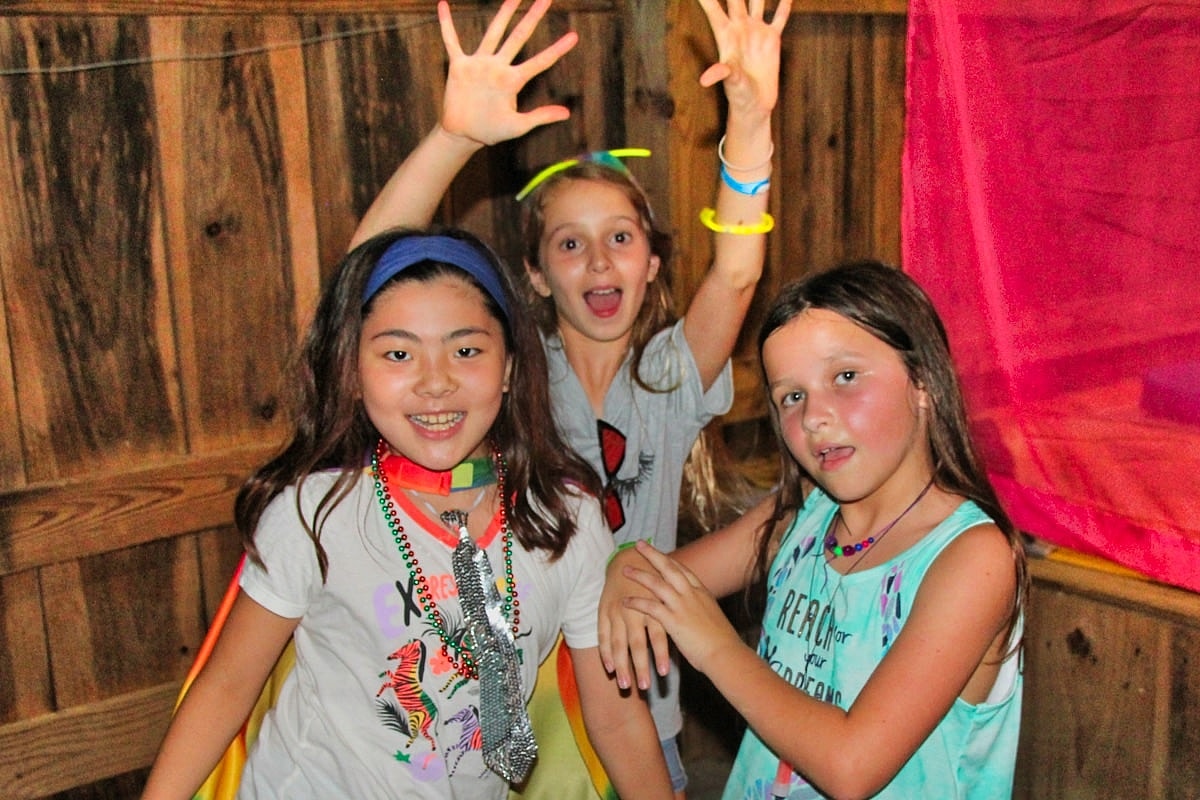
There’s so much more to each of these, and I suspect interesting mechanisms that make them effective. What’s important to realize is that all of them are core ingredients of the camp experience here at Rockbrook. The program activities, staff training, and overall camp philosophy here work together to insure that our campers enjoy these beneficial experiences. Of course, we’re having a really great time together as well, just as we strengthen our powers of resilience.
Researching the Benefits of Camp
“Sending kids to camp allows children to grow and learn good citizenship, social integration, personal development and social development, exploring his or her capabilities and being in a safe environment where they can grow, gain independence and take risks.”—Troy Glover, the director of the University of Waterloo’s Healthy Communities Research Network

It’s pretty easy for those who have attended camp to speak enthusiastically about how much it’s meant to them. Campers themselves are full of glowing stories about their summer camp experiences, but even adult camp alumni, many years later, can trace aspects of their personal success back to their time at camp.
For others, though, how camp provides these important benefits, and what types of benefits to expect from a summer camp experience, are not apparent. It was this fact —the general public’s unawareness of what makes camp great for children— that prompted a team of Canadian researchers to study and evaluate the impact of a camp experience.
Working with camp directors, staff, campers and camp alumni, the researchers conducted surveys and compiled observations focused on what a summer camp provides and how that affects children over their time at camp. Read about the study, its background and findings, on this Web site.
- Social Capital
- Risk Taking
- Environmental Attitudes
- Physical Activity
- Cultural Capital
There is, of course, quite a bit to explain about each of these areas, so I encourage you to read more about the study’s findings on their site. Also, there is a nice article about the study, complete with great quotes from camp directors, campers and staff members, published in Vaughan Today.
This is exciting stuff! We’ve often discussed the benefits of camp for children, so it’s nice to see this kind of organized, methodical verification. Now spread the word! Let’s help others understand how uniquely “camp is a place for kids to grow.”
Curing Community Deficit Disorder

There are many ways to describe the difference between camp life and the “real world” that happens elsewhere and throughout the school year. At Rockbrook, we might point to our living mostly outdoors and close to nature. We might celebrate our opportunities to experience adventure (hike, paddle, climb!), or to have time for unstructured play. We could describe how camp is a break from electronic technology, and from the social pressures of school revolving around our appearance, possessions, and status. We might highlight the true independence kids experience being away from parents and teachers.
These are all very clear differences, each helping to explain the benefits of a sleepaway camp experience for children. But there is another one, and it is community, the very real sense of being included, respected, trusted and loved by a group of people. Camp is, at its core, a special community built on central values like kindness, cooperation, compassion, care and generosity. It is brimming with enthusiasm and encouragement, wrapped tightly by a collective spirit. At camp, and certainly at Rockbrook, everyone is welcomed and included.
How different this feels from ordinary life! Camp is not about individual consumption, getting a grade, standing out as the best, or advancing at the expense of others. It’s not so ego-centric, nor blind to the people around us. At camp, where there is always support from friends, you’re never left to just fend for yourself.
And how wonderful it feels! Partly, I think joining a camp community, and other communities too, provides us such a powerful sense of contentment because it is so different from ordinary American life. Human beings, and especially kids, crave this kind of connection. We need to know wholeheartedly that we belong to something bigger than “just me,” that our “true self” is accepted and valued by those around us, and unfortunately it is all too rare these days. Perhaps we modern Americans are dis-content because we are dis-connected from an authentic community. Perhaps we are suffering from what could be called “Community Deficit Disorder.”
Thank goodness for camp and its ability to be a powerful and effective antidote for this disorder. It may not be the main reason we attend a sleepaway camp, but the joy of joining a camp community is certainly one of the most important reasons why we love it.
Camp Builds Character
It doesn’t take long, once your daughter has attended an overnight summer camp like Rockbrook, to realize that the weeks spent having fun, enjoying outdoor adventure, horseback riding and all sorts of crafts have also been profoundly formative. Summer camp professionals and camp families alike, all know it; camp builds character.
In fact, it was back in 1929 when Hedley Dimock and Charles Hendry published their study Camping and Character: A Camp Experiment in Character Education. This book reported what the authors saw as positive changes in campers’ behavior as well as the mechanisms that explain how camp can be so “stimulating and enlightening.” Far beyond what ordinary classroom learning can provide, they saw the highly social nature of camp to be most important for helping children grow more responsible, trustworthy and more caring, fair and respectful in their interaction with others.
At Rockbrook we take great care to create a culture where all children feel included and appreciated, where staff members are extraordinarily admirable, and where positive peer pressure reinforces honesty and kindness. This is camp, and this is why camp builds character.
A Refuge from Advertising
We’ve written before about how the average American child spends 53 hours per week consuming electronic media— television, computers, cell phones, video games, ebook readers —interacting with various screens. One consequence of this media consumption is all the advertising it includes. Woven throughout these hours of electronic entertainment is a flood of ads and product branding, to the extent of about 3000 ads per day, according to one study. Just about everywhere our children go, including their schools, they are exposed to carefully crafted advertising messages. Advertisers know that children constitute not only a large market themselves, but also a powerful force capable of influencing their parents’ spending. Even more insidiously, they know exposing children to brands very early in life can have lasting brain effects that influence their buying habits as adults.
Recognizing this trend in America, researchers have begun to study the effects pervasive advertising and branding have on children, their (cognitive, social and personal) development, and their overall physical and psychological health. Unfortunately, it’s not good, with links to tobacco, alcohol and drug use, to obesity, to premature sexual activity, and to fostering negative body image ideals. There is strong evidence that advertising and even subtle branding messages have profoundly negative effects, so much so, several European countries, Greece, Belgium and Sweden for example, have banned advertising that explicitly targets children.
Fortunately for the children that attend summer camp, there is a true break from media consumption and from its accompanying advertising. Spending time at Rockbrook, playing outside, and enjoying real friends and relationships, function as countering forces. Back to the basics of childhood, girls at camp find they are more creative, more imaginative and more adventurous. We all know camp is a refuge; it is in this way as well— a refuge from advertising and branding. And that’s a great thing.
Marie Brown Chapel
Toward the end of our recent Rockbrook Alumnae reunion celebrating the 90th year of the camp, the women attending held an impromptu chapel meeting. Like those held on Sunday mornings in the summer, this gathering was a chance to sing favorite traditional songs and reflect upon some of the more important experiences, lessons and values we all associate with Rockbrook. These are wonderful moments, often full of personal stories, and on this occasion, childhood memories of camp.
Marie Brown, who came to camp starting in 1989 when she was 8, shared something that we’re so proud to reprint here. It’s a brief reflection on how the Spirit of Rockbrook can sustain and revive us long after we grow up and become adults in the “real world.”
“The wonders of air travel, incredible timing, (and a supportive husband) have made it possible for me to step out of the stifling mayhem I have been living to come for a brief moment to be here. All the stone and concrete has fallen away into mountain laurel, rushing water, beloved rocks and roots and trees…and faces that, despite the decades, haven’t seemed to age.
I have to admit, I was afraid to come. My memories of this place are so deeply embedded in my heart, so close to my core, so invaluable to my spirit, I was afraid that coming back here with the sharpened, hardened and perhaps jaded eyes of an adult would somehow mar the perfection of those memories. And between having a genetically poor memory, and the inability to return to any of the places I actually called home as a child, at times it feels as though the past were no more than a figment of my imagination. There is no other place on the planet that I can go to that holds anywhere as much of my memory in its hillsides as this place. So it was with trepidation that I came to tread back into those memories.
I was grateful as a child and well aware it was only because of the generosity of my grandmother (also a Rockbrook girl) that I was able to come year after year. But I don’t think there was any way for me to understand how big a gift she was giving me until I left Rockbrook to fare the rockier world of “civilization” without my annual reprieve in this Rivendale.I have spent countless days and nights over the last years feeling I was going crazy, feeling so trapped or confused or heartbroken about the state of the world; a world continually more driven by fear, over “teched” yet disconnected, and terrifyingly detached from, and destructive of, nature. It is so easy to get overwhelmed by all the noise… and for someone as sensitive as myself, to feel despair. But despair won’t do any of us any good. So coming back here at this particular moment for me, and walking literally as if I were Mary Poppins jumping into the chalk painting of my childhood and finding it hasn’t changed (and where it has it has only gotten better) has given me such rejuvenating hope. I am not crazy. I am not intolerant, or impatient, or bitter. I am just in severe withdrawal of my annual dose of Rockbrook.
And what this weekend has shown me is that the gifts and perspective, and lessons this place has to offer are just as present and valuable to me now as there were for me when I was a little girl. If not more so. These enduring stones soften my hardened defenses. The cold waters warm my chilled spirit. These steep hills dull my impatience and intolerance. And rather than damaging the perfection of my memories, returning has added to them. Returning to Rockbrook for even this brief sip has filled my belly once again with a little bit of ginger, a little bit of grit, a little bit of spirit and a little bit of wit to carry with me as I go back out once again to face the big bad world.”
Thanks Marie!
More than Entertainment
This morning we had to say goodbye to our friends in the first July mini session. Across the board, the campers and counselors have felt this session fly by. We’ve been having the kind of fun that’s completely absorbing, and the kind of days where it’s easy to stay busy. And when there are this many cool people around to play with, the days click by without you even noticing. This closing day is particularly difficult for everyone because some of us, the full-session campers (and all of the staff, of course), are staying behind for 2 more weeks of camp. The mini sessions are great for younger campers and girls who are new to Rockbrook, but after a few years of coming, it’s completely normal to start attending for longer if possible. We hear it all the time from campers on closing day, “Next year I’m coming for the full session!”
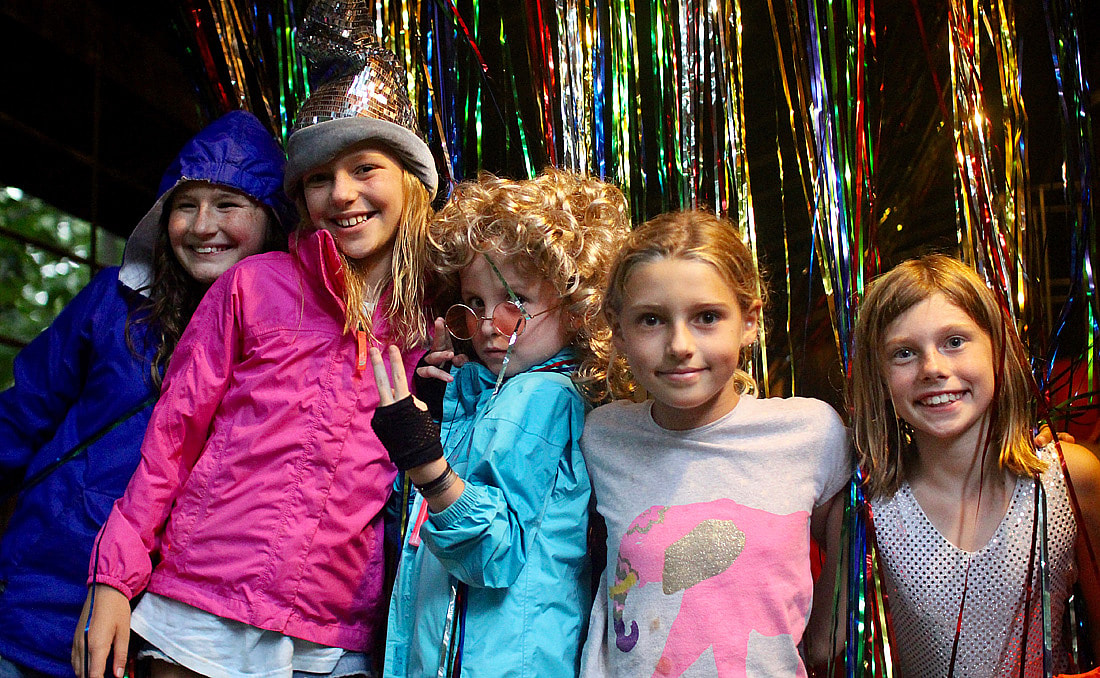
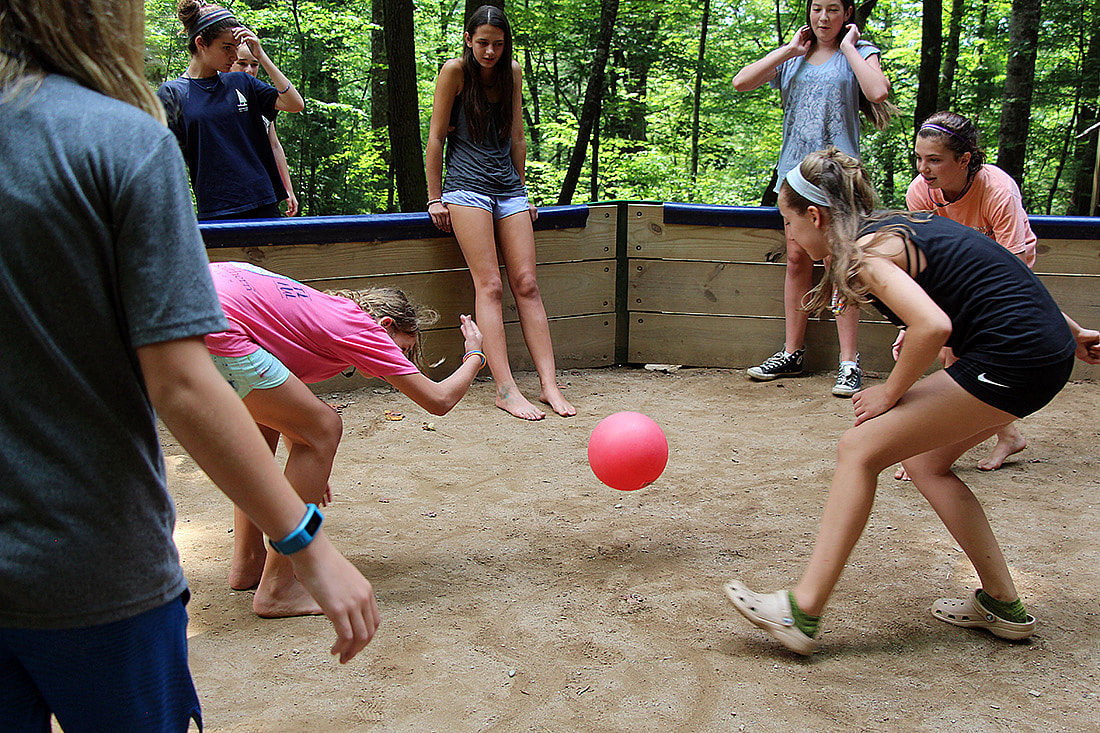
During the check out procedure today, one mother made a thoughtful comment worth sharing. After seeing her daughter in the photo gallery, reading this blog and the letters from her counselor, she remarked that what was most valuable about being at Rockbrook was not the activities, but the warm relationships her daughter had with everyone here. She didn’t really care if her daughter went down the water slide or rode horses as much as she had hoped. What mattered was that she felt comfortable, safe and had plenty of good people to be with. She thanked us for providing such a wonderful community. That was great to hear! Sure we spend a lot of time offering top-notch activities everyday, and making sure that there is always something fun to do, but it’s true camp is so much more than all of this. Rockbrook is a beautiful place and it’s tons of zany fun, but it’s the people and feel of the place that make it truly special. We’re focused on making Rockbrook a great experience for our campers, far beyond just entertaining them.
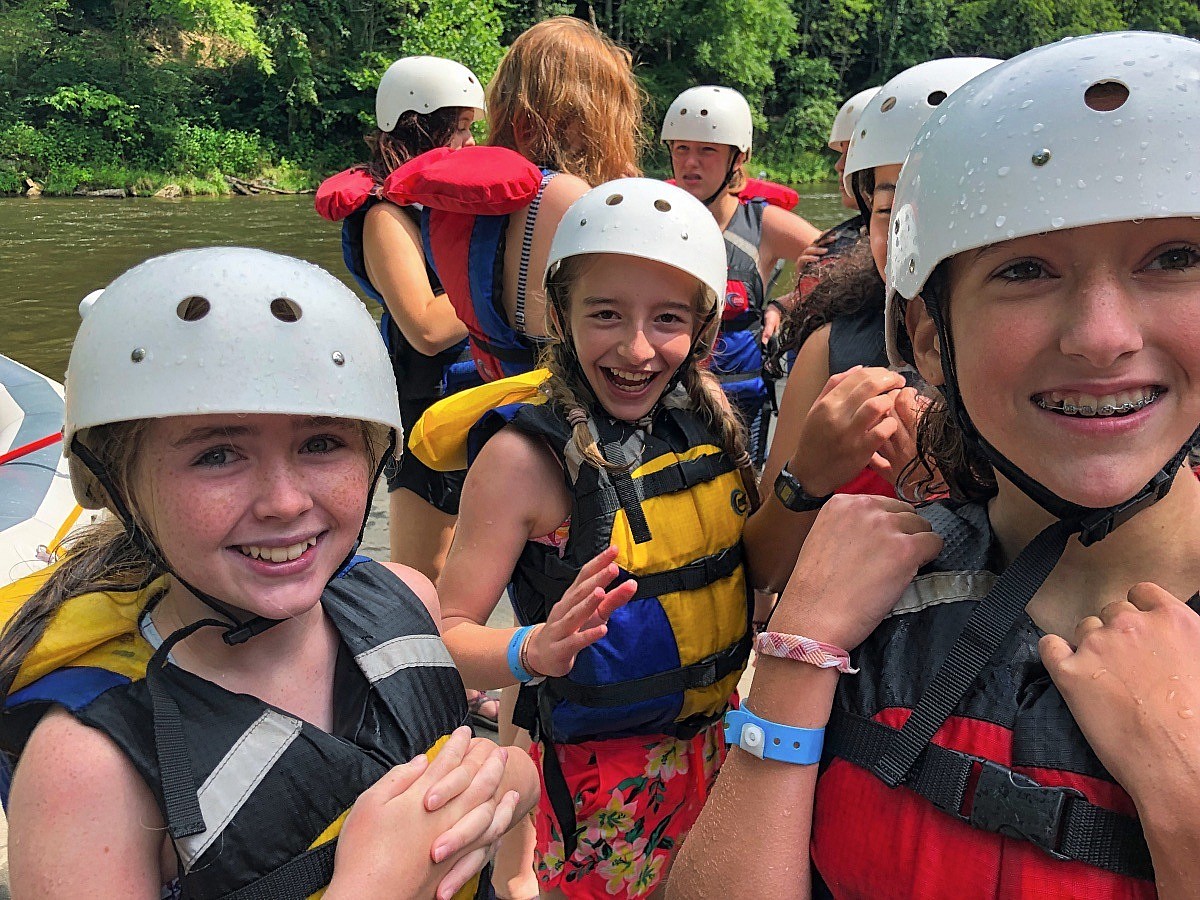
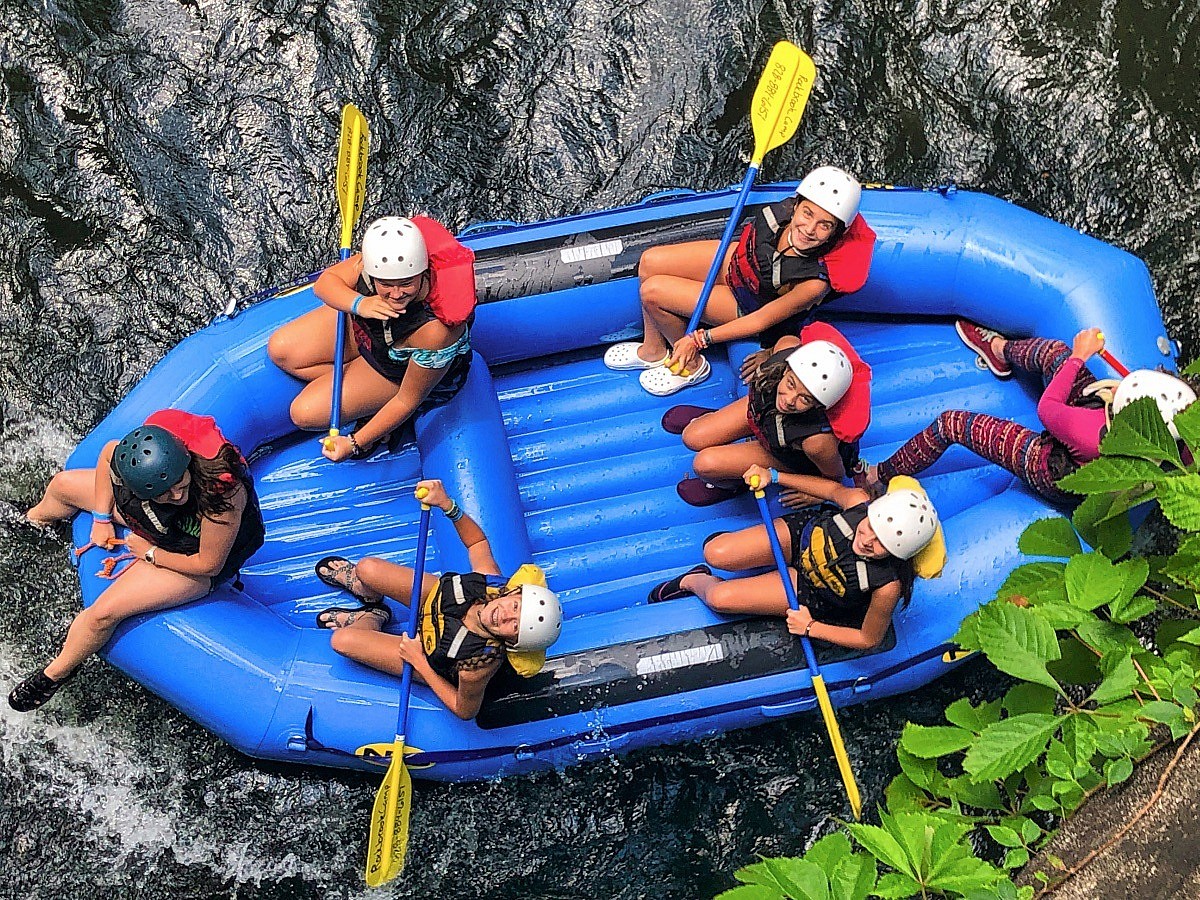
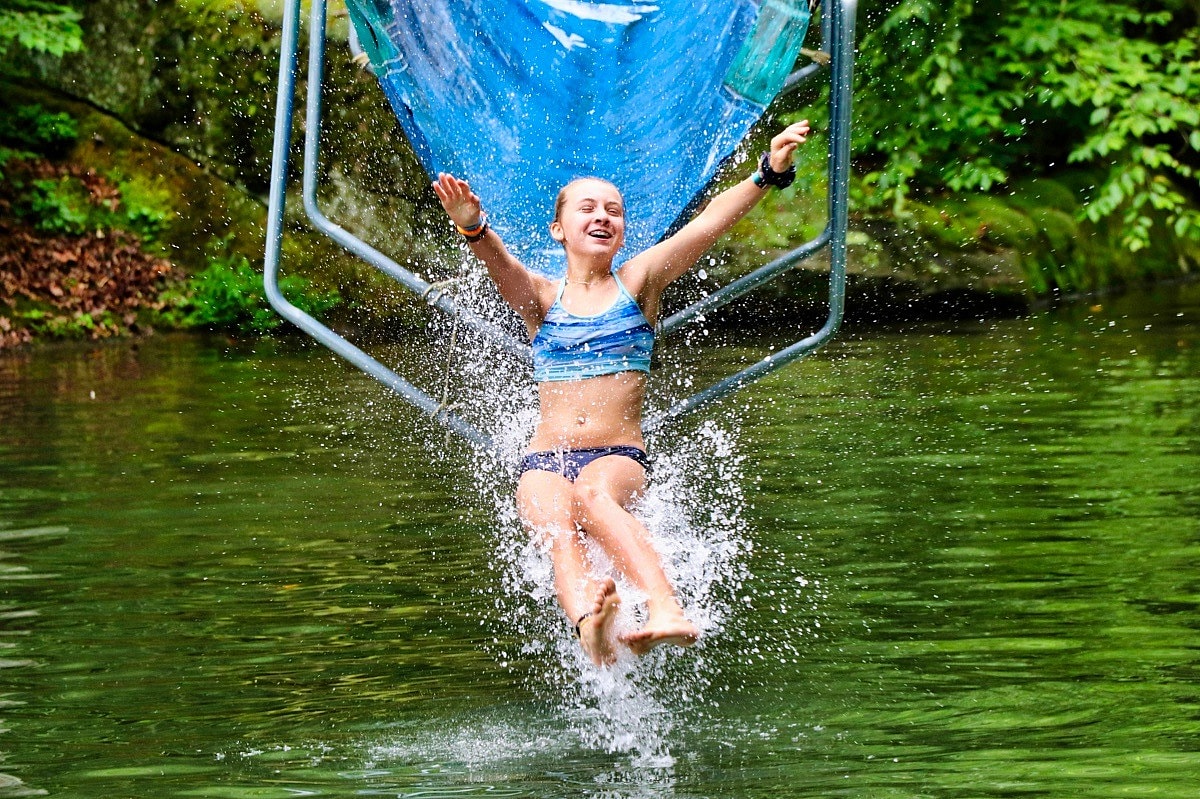
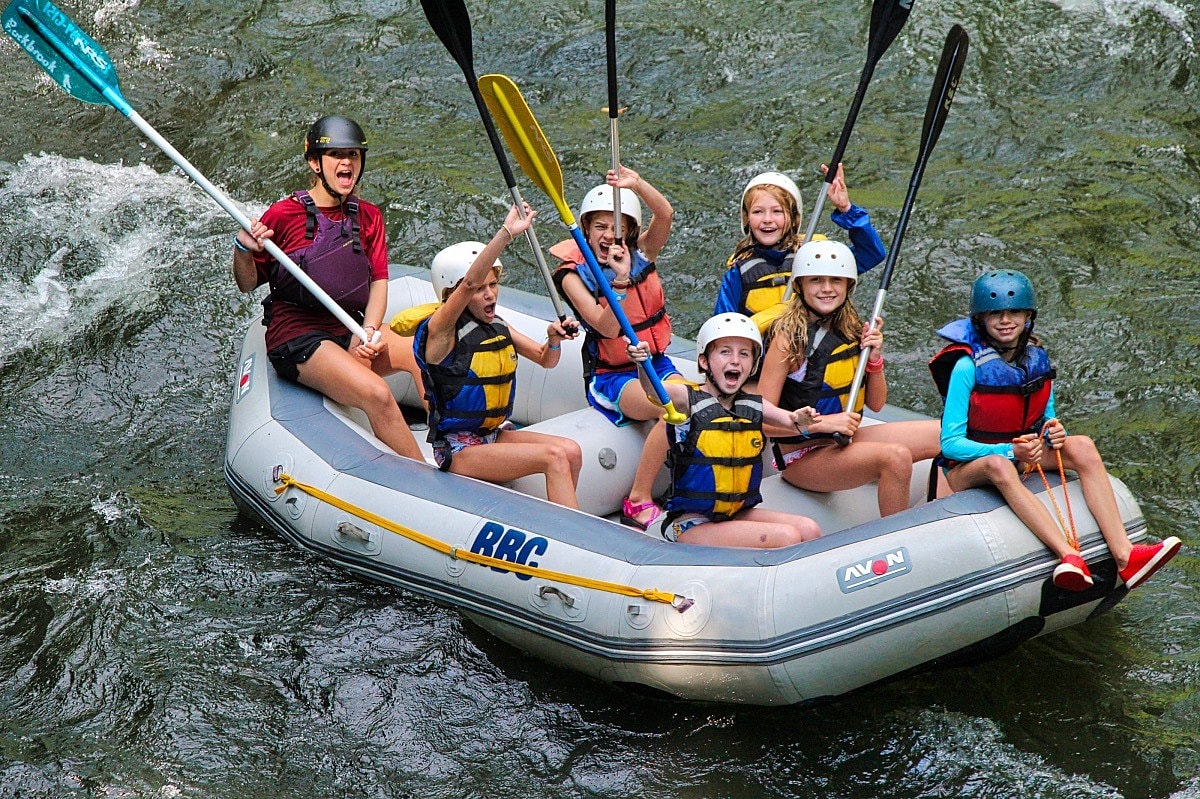
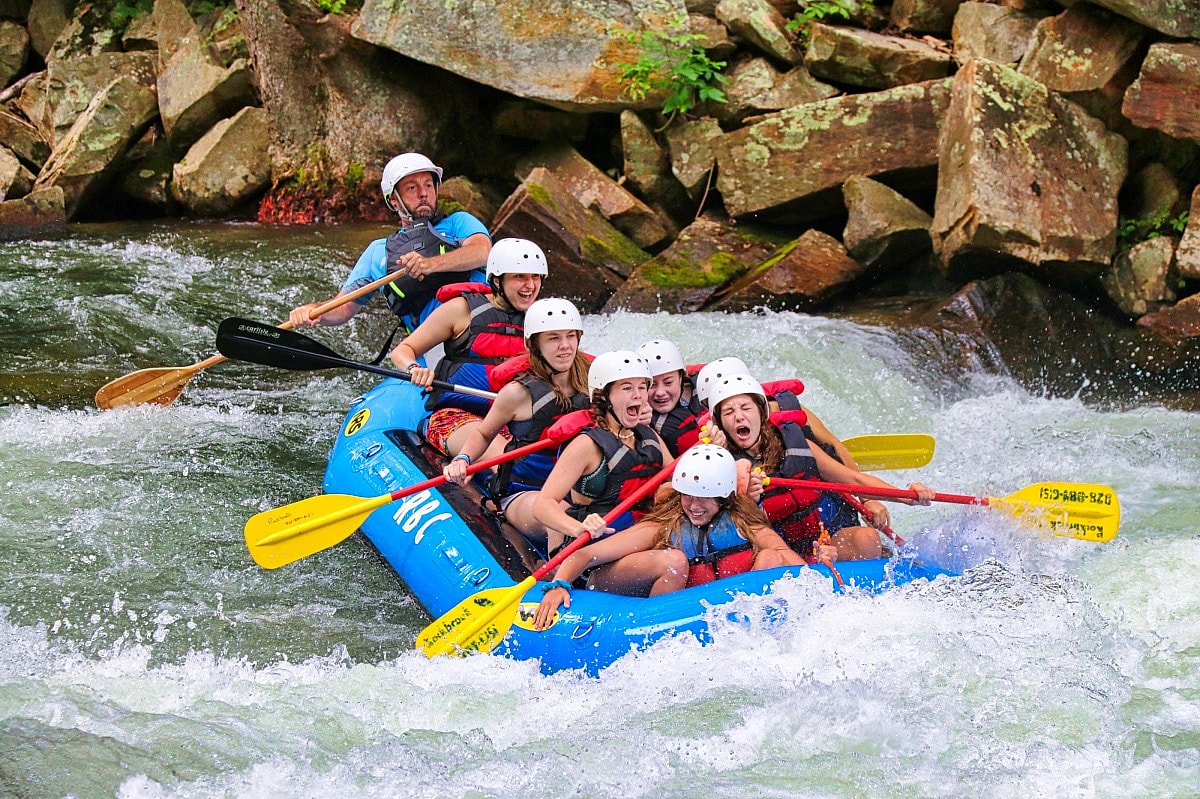
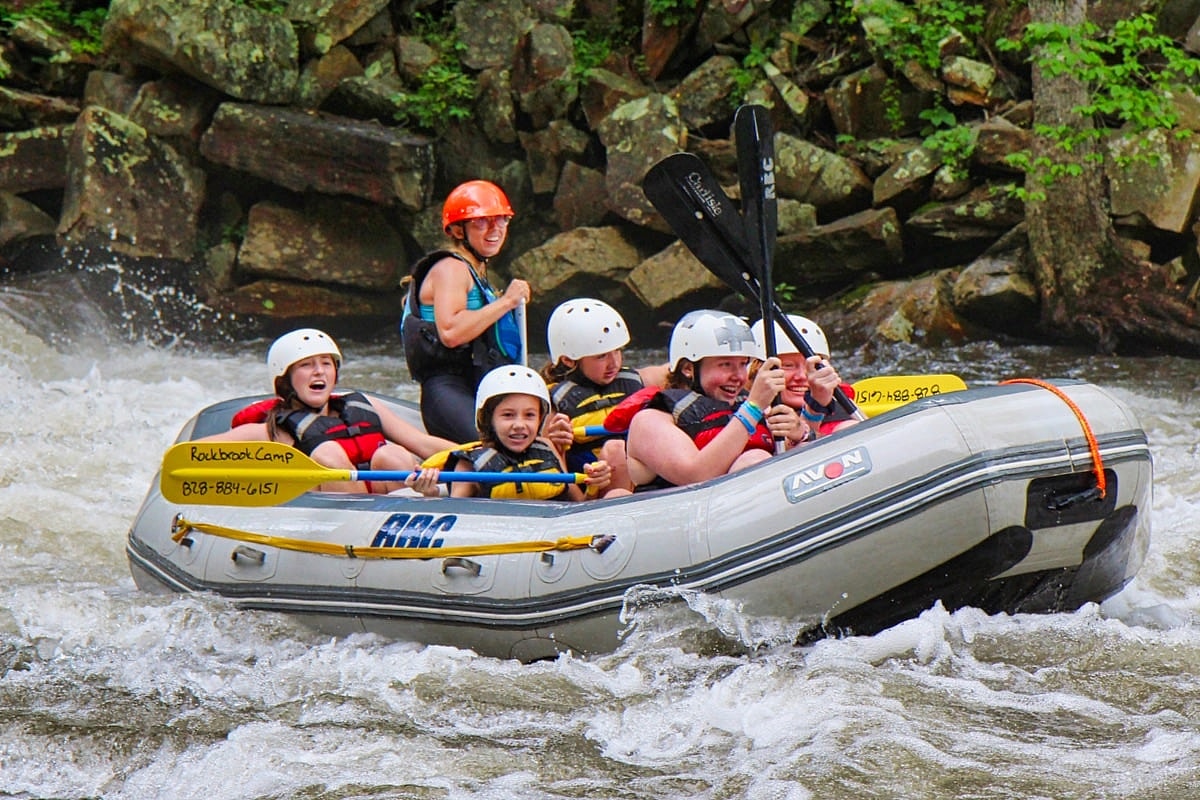
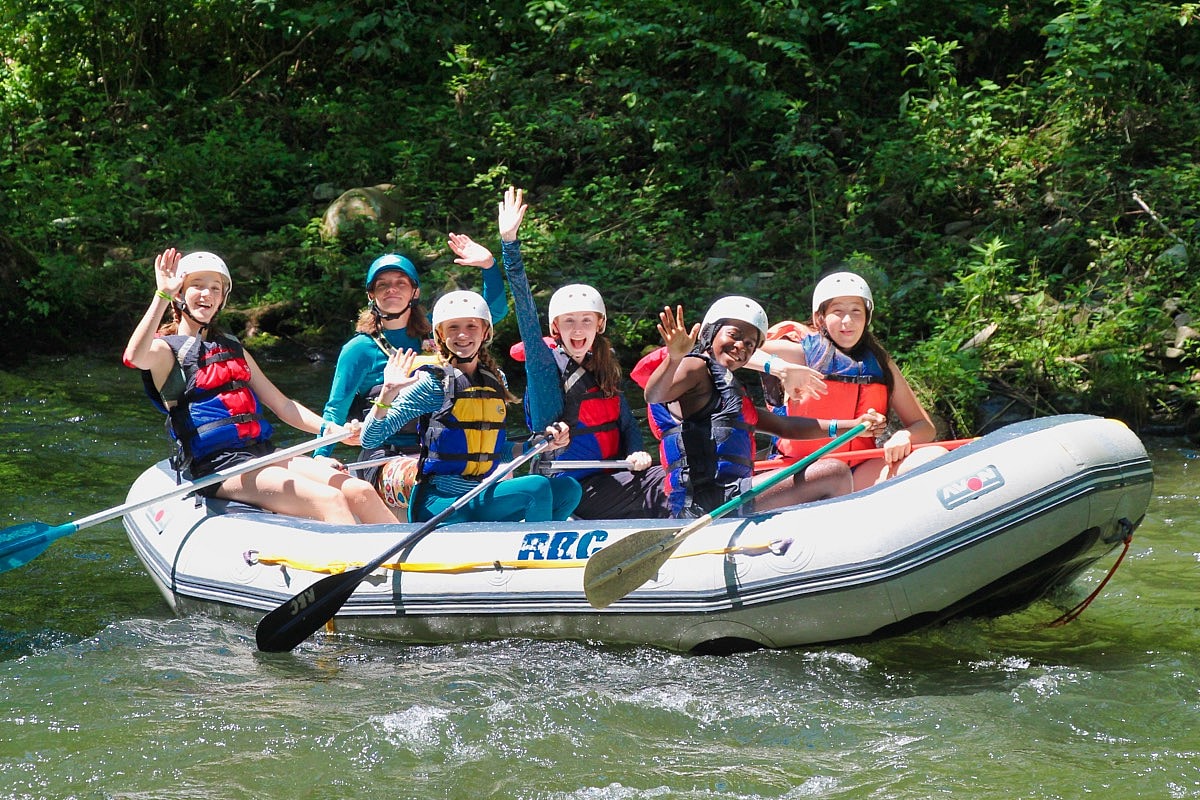
Also today, a group of full session Middlers and Seniors took a day trip down the Nantahala river. We took our time and left after breakfast with a lunch and several snacks packed in the buses. Peaches before rafting! It wasn’t long after lunch and we had five rafts of excited girls splashing down the chilly rapids of the river, learning to slap a “high five” overhead with their paddles, laughing and singing along the way. While it was hot and sunny for the first part of the trip, it started to rain for the last 30 minutes or so. It wasn’t thundering, so we just kept on rafting, and surprisingly, the rain was warmer that the river water, so the girls didn’t skip a beat. It was just all the more fun! We were all totally soaked by the end, but after changing into dry clothes it was a comfortable bus ride back to camp in time for dinner.
Camp Friends are Real Friends
How many Facebook “friends” do you have? And how many of them are also your “real” friends? Of those, how many do you actually see or talk to regularly? It’s a strange modern American phenomenon that paradoxically, we have loads of these kind of casual contacts, acquaintances and loose relationships, but also often feel profoundly on our own. As we spend more of our time plugged into the virtual world of the Internet (a rather solitary activity, after all), as we are encouraged to be uniquely independent and value our “freedom,” and as we are increasingly “on the move” to pursue professional, financial or lifestyle “opportunities,” we seem to have been quick to sacrifice real friendships.
Daniel Akst, in his essay “America: Land of Loners?” published last year in the Wilson Quarterly, clearly makes this point. He describes how for so many of us, a fierce dedication to independence and self-sufficiency is robbing from us an important form of human relationship that can’t be replaced by one’s spouse, immediate family members (e.g., children, siblings, etc.), or pets. Combine this with complex demands on everyone’s time— work, school, chores, etc. —and it’s easy to see how it’s become quite difficult to make and maintain close friends.
I suspect, also, that children aren’t entirely immune to this phenomenon. They too, though perhaps less so than adults, struggle with being overly busy, with spending a lot of their time alone or online, and with having fewer opportunities to meet new people and share common rewarding experiences. The ordinary lives of children today are generally less suited to building a strong network of close, true friends. This is worrisome, especially when you consider that the forces behind this trend will only get stronger as our children grow older and take on greater responsibilities.
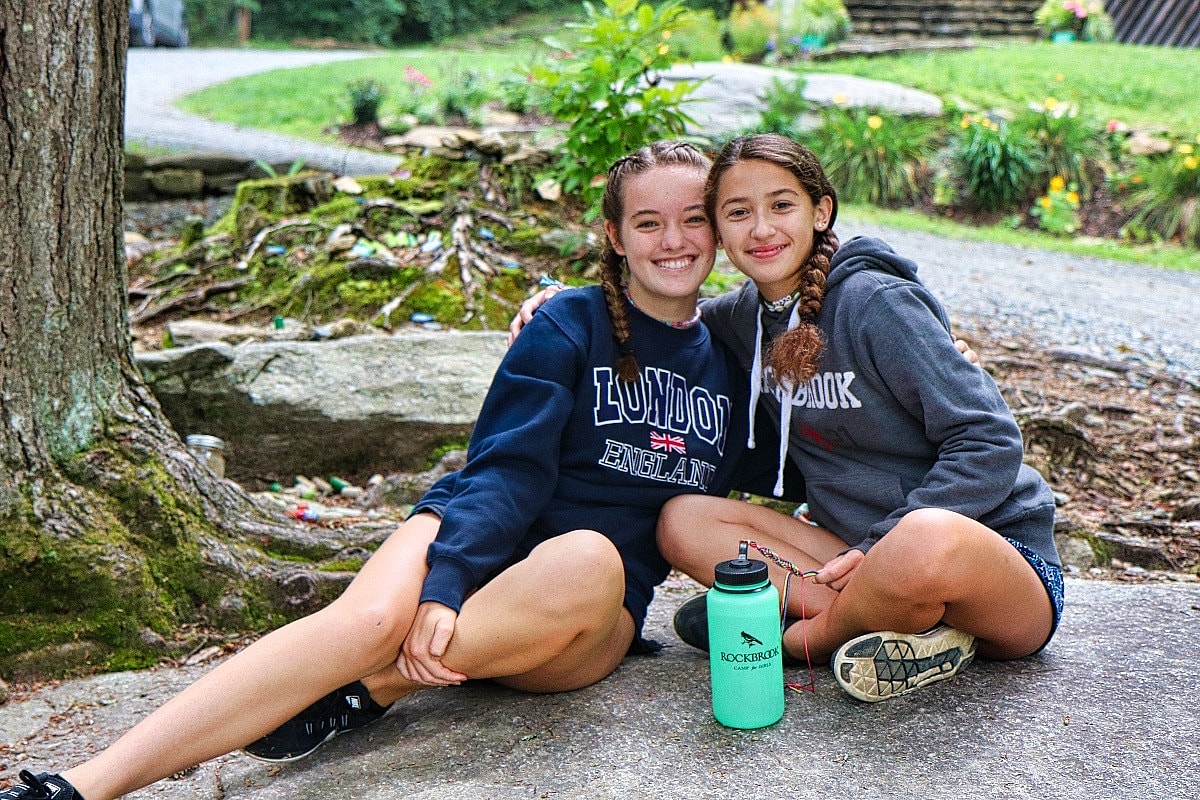
Ah, thankfully, there is camp, that magical place were kids get to relax a bit, take a break from the pressures of school and try some new things just for the fun of it. It’s a place to meet new people, share wonderful experiences, and simply do a lot of things together. Camp gets them outside, away from the buzz and flicker of electronic media, and allows children to explore who they are and be their authentic selves. All of this is the ideal setting to develop real friendships, to connect with others in meaningful ways. Camp is where your real friends are. And everyone will tell you, you have to come back to camp every summer… to be with your friends.
Camp is a haven, a place where children can fulfill their need for true friends, and is something we all can use nowadays.