
Building Community: Challenges and Relationships

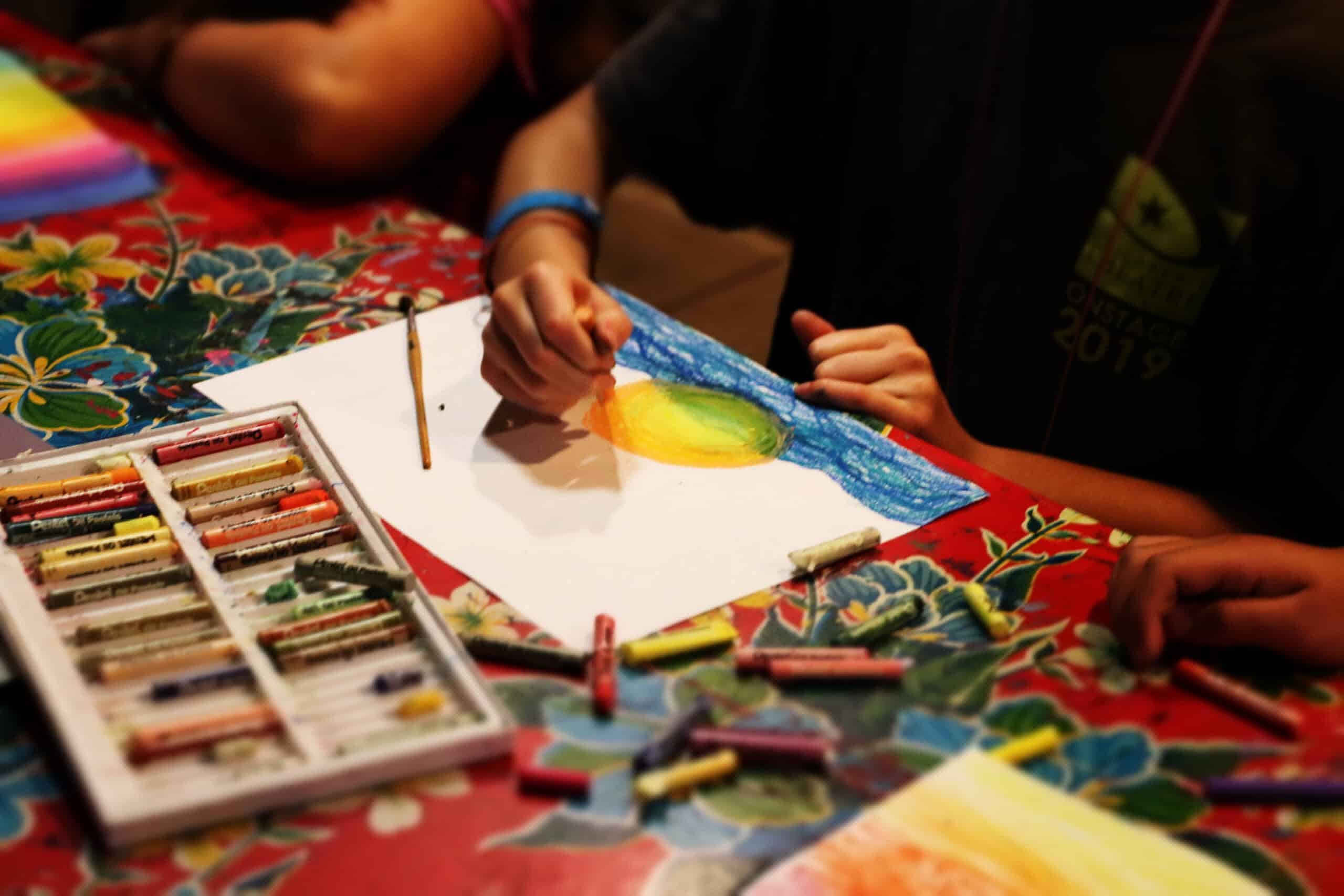
oil pastel drawing project

Now that we are into the second week of 3rd session, the CITs and Hi-Ups have had some time to get used to their new roles at camp. As part of the Leadership Ladder, these girls are transitioning from campers to counselors. Part of this transition is extra training throughout the session. This training comes in the form of hands-on experience helping counselors in activities, setting for and cleaning up meals, and spending time with campers. In addition, they participate in training periods led by our Directors and Leadership team on topics such as cabin logistics, learning Rockbrook history, and and behavior management.

Recently, I got the chance to talk with both Hi-Ups and CITs about the activity philosophy at Rockbrook. While walking around camp observing the various activities, we discussed why we do activity sign ups and activities in our particular way. Hi-Ups and CITs all had thoughtful answers to any question posed to them. They took the time to reflect on their own experience as campers, and then start to think about activities at Rockbrook from a counselor perspective. Their maturity, insight, and understanding of our philosophy was impressive!
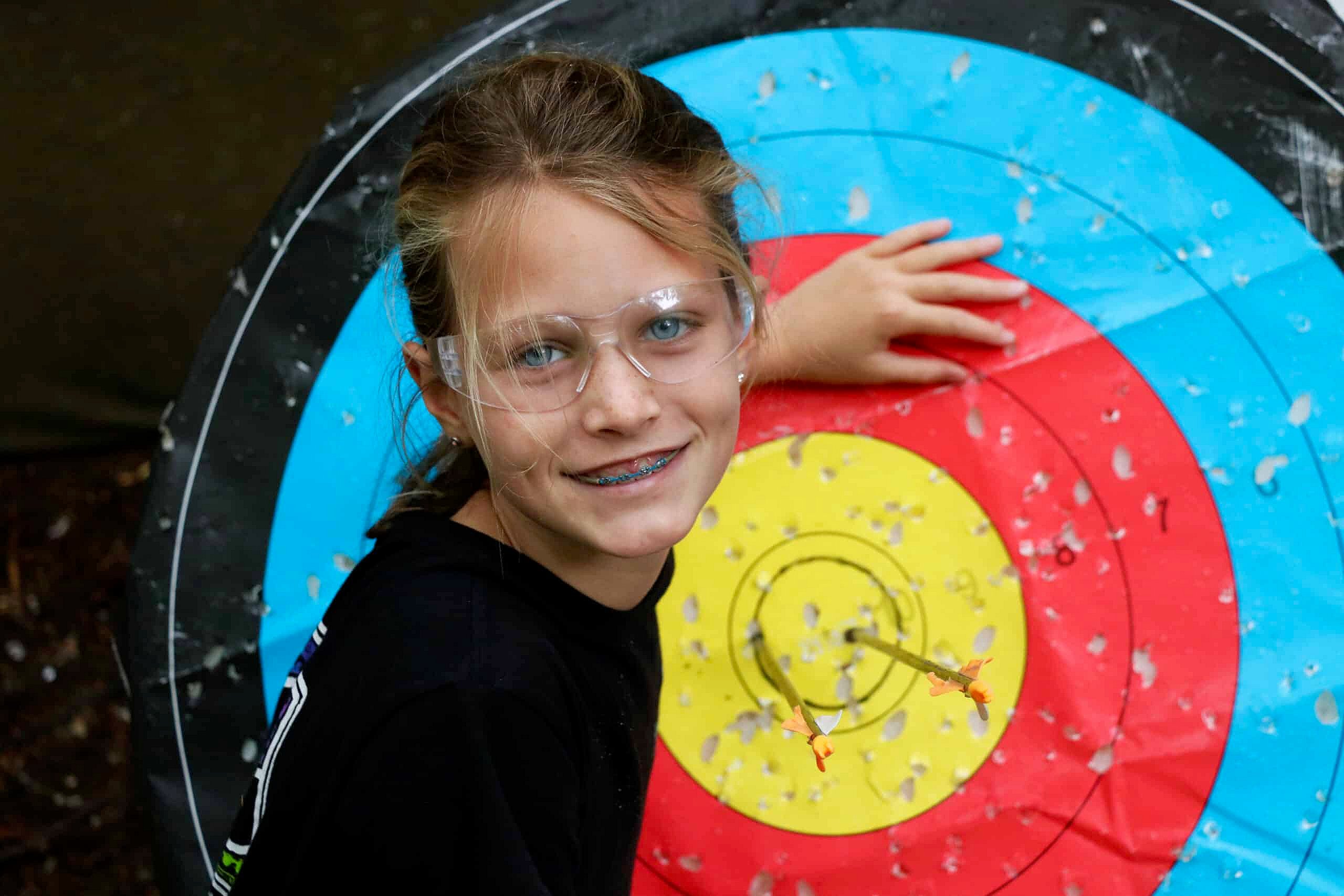
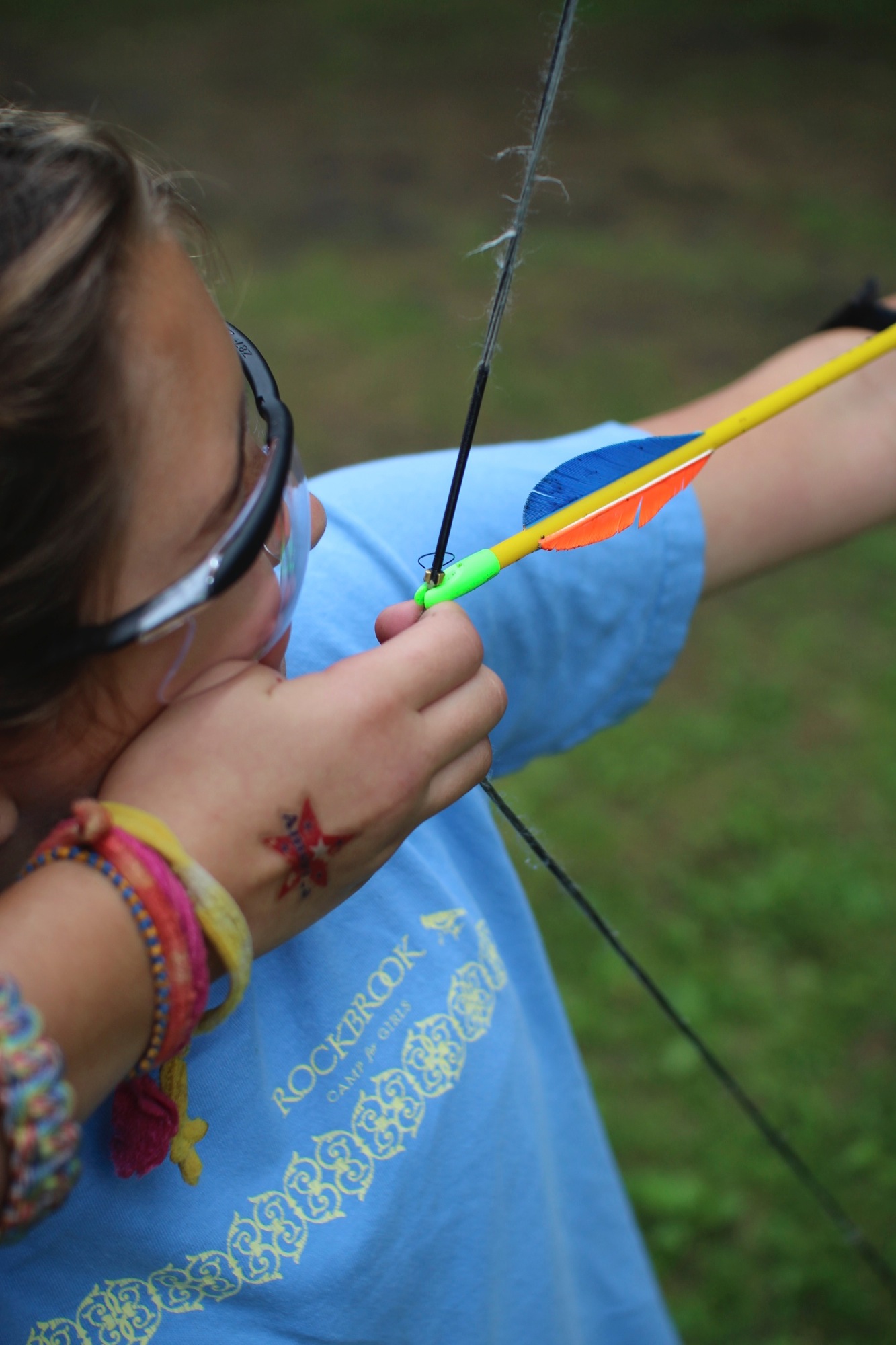
Girl proud of here bullseye in archery

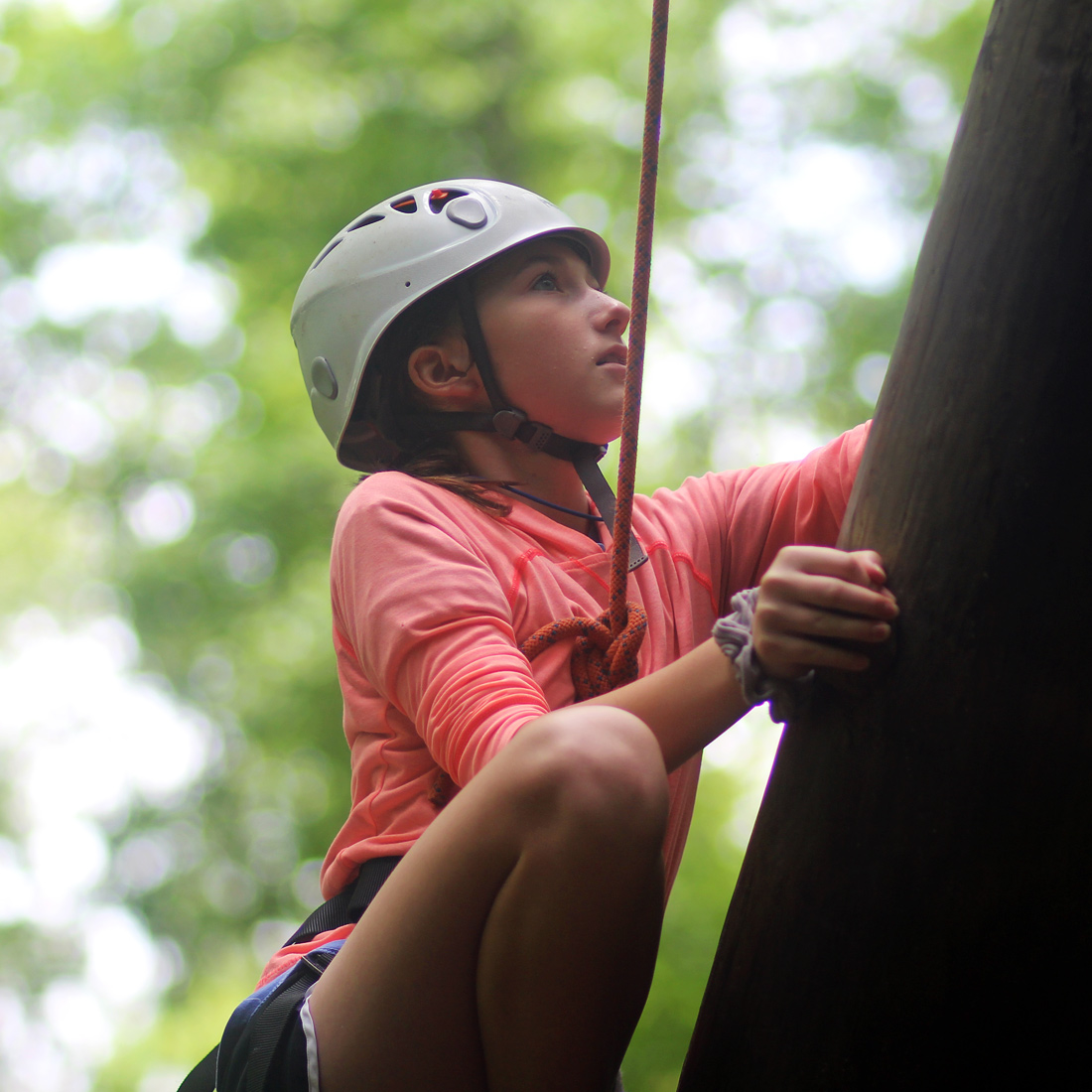
First, we discussed the concept of “Challenge by Choice.” During the sign up process, campers can challenge themselves or be encouraged by their counselors to try a new activity. Sometimes this is a nerve-wracking moment for campers, who may think: “none of my cabin mates signed up for dance,” “I’ve never been a good swimmer,” or “what if I’m not good at embroidery?” We hope that through these moments campers can learn to be independent and be willing to choose their own adventures. During activities, the challenge is more obvious in some than in others. Increasing your accuracy in archery, reaching the top of the alpine tower, or perfecting your serve in tennis are clear goals campers can strive towards. The craft activities can also be challenging, however, especially if you’ve never thrown on a pottery wheel or used a large floor loom before. In these activities the challenge is more subtle, and can be seen more through the process rather than the finished piece. The counselors facilitate the challenges in appropriate ways so that each camper has her own experience. Seeing other campers trying new things and the constant environment of encouragement and support allows girls to branch out of their comfort zones.

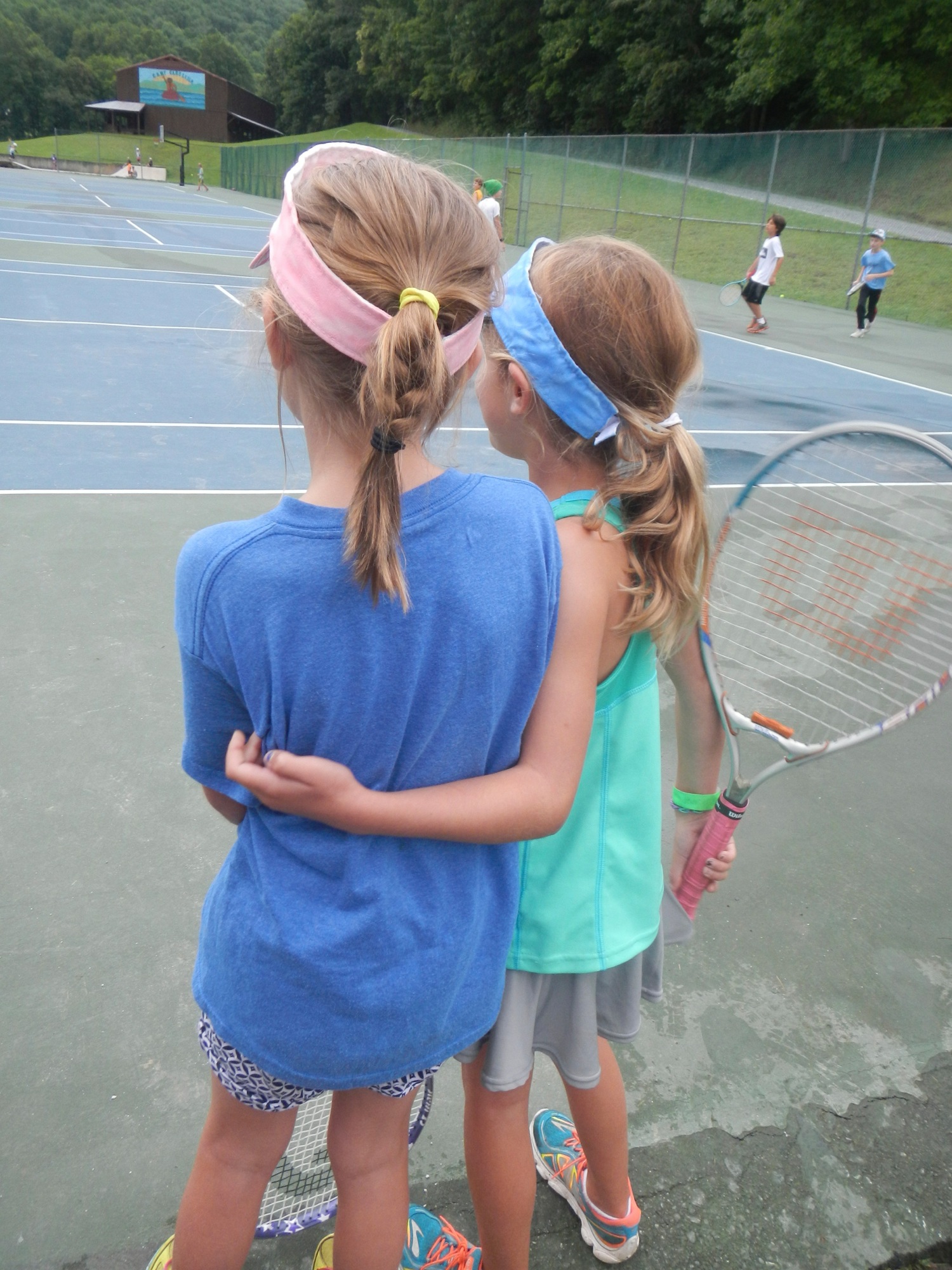
Second, we discussed the relationships that are able to flourish at camp. Taking activities is just one of the ways that the social and emotional needs of campers are supported at camp. The Hi-Ups and CITs all commented on the benefits of signing up alone for activities in addition to signing up with a group of your cabin mates. On one hand, campers get to make new friends amongst their age group. On the other, they get to become closer with the other girls in their cabin. One Hi-Up mentioned how she would be too nervous to sign up for tennis by herself, but if she signed up with a friend, she would be more willing to take that risk and try something new. Either way, campers get to make new friends through their shared triumphs, failures, and laughter in activities. Plus, they are able to meet counselors from other lines, who may inspire them to sign up for an activity they otherwise wouldn’t take.

Through activities, campers and counselors of different age groups get to interact in a low-pressure, high-encouragement environment. Pottery, yoga, jewelry making, play rehearsal, horseback riding—these are just the channel through which our community is created. This safe, supportive space for genuine relationship-building is what makes camp unique, and is why campers come back year after year to see the friends and counselors who have impacted them along the way.


—Jenna Lilly
Daily Acts of Leadership

Leadership is a trait seen in numerous forms every day at camp. From the directors to the campers, everyone has the opportunity to be a leader in some way. Successful leadership characteristics start with the counselors, who role model patience, dedication, kindness, and teamwork. Counselors both live in cabins with campers and teach activities, so they have countless chances every day to demonstrate leadership to their peers and to their campers. In activities, counselors provide girls with opportunities to learn new things as well as facilitate appropriate challenges to help them build on skills they have learned throughout the session. In the cabin, counselors work together with their co-counselor(s) to create a warm, welcoming, and inclusive environment for their campers.

Campers Taking Initiative

After witnessing their counselor role models, campers are inspired to take initiative in various forms. Recently, several Junior campers have created clubs (Skit Club, Game Night, and Nature Fairy Club to name a few), and even made their own announcements to the whole dining hall at meals. This sense of ownership and belonging along with the courage to try something new is fundamental to the Rockbrook experience. Campers hone their leadership skills when they take initiative and give their creativity free rein, and camp provides a supportive, encouraging environment to allow this to happen.

The Leadership Ladder Program

For some girls, they might make the leap from being a camper to being a counselor at some point in their Rockbrook career. This transition is called the Leadership Ladder, and it begins with CAs, who are the 15 year old campers. The CAs still take activities like the other campers, but their main responsibility is to plan and put on a big themed dinner and dance party called Banquet at the end of their session. CAs practice teamwork, decision making, and organization as they plan their Banquet, while at the same time still enjoying the fun opportunities for campers.

Balloons soaking in water

The second step in the Leadership Ladder is Hi-Ups. These are the 16 year old girls, who are technically still campers, but they have more responsibilities that allow camp to function. For instance, they set and clean up the dining hall for meals, as well as begin to help in activities rather than take them. Yesterday, the Hi-Ups put on a special Twilight event: Wockbrook Water World! They planned, set up, ran, and cleaned up the whole event for the Mini session campers who are leaving on Thursday. Everybody loved the slip n slide, water guns, sno-cones, and water balloon fight! The Hi-Ups impressed us all with their initiative, enthusiasm, and work ethic, exemplifying true Rockbrook girls.

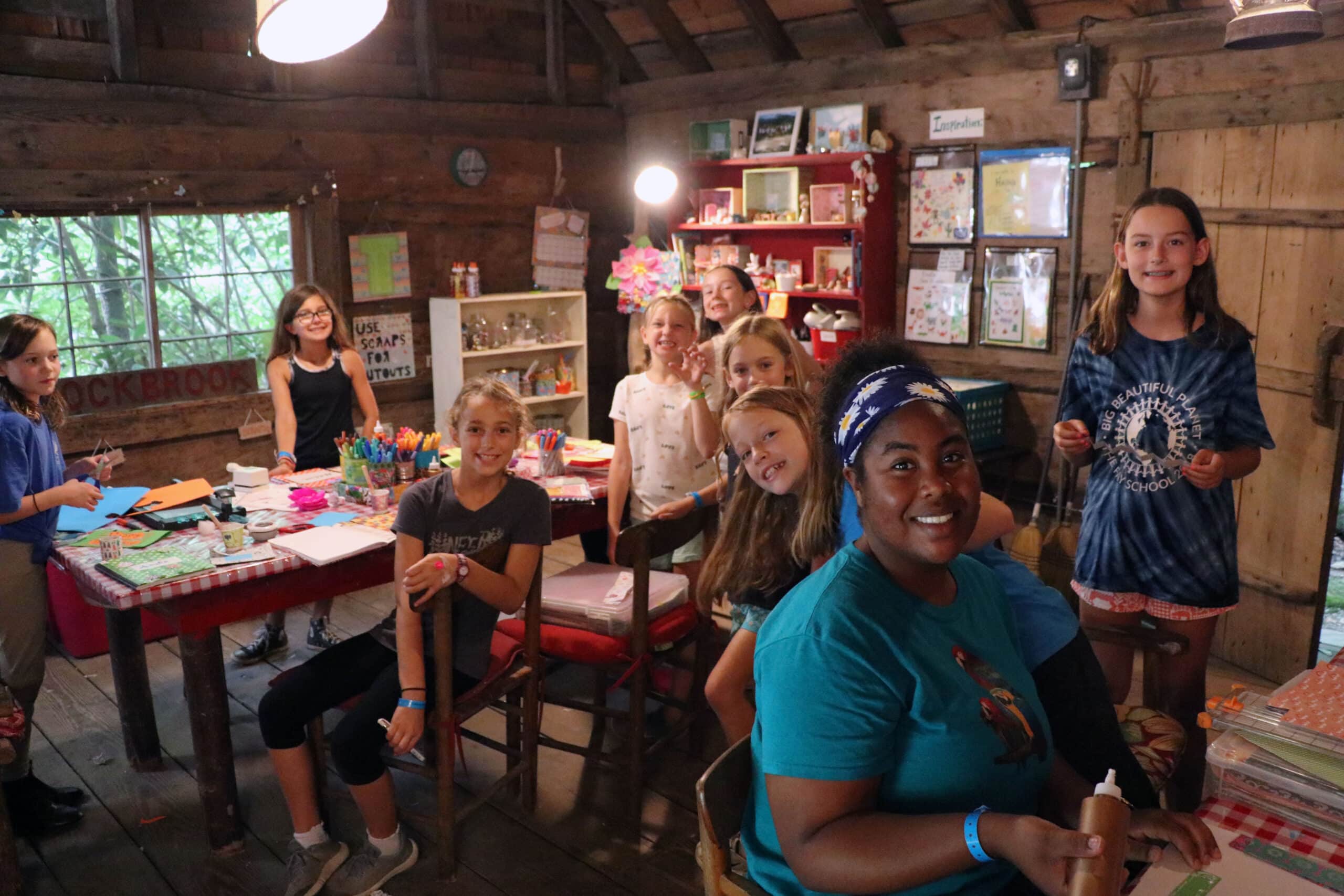
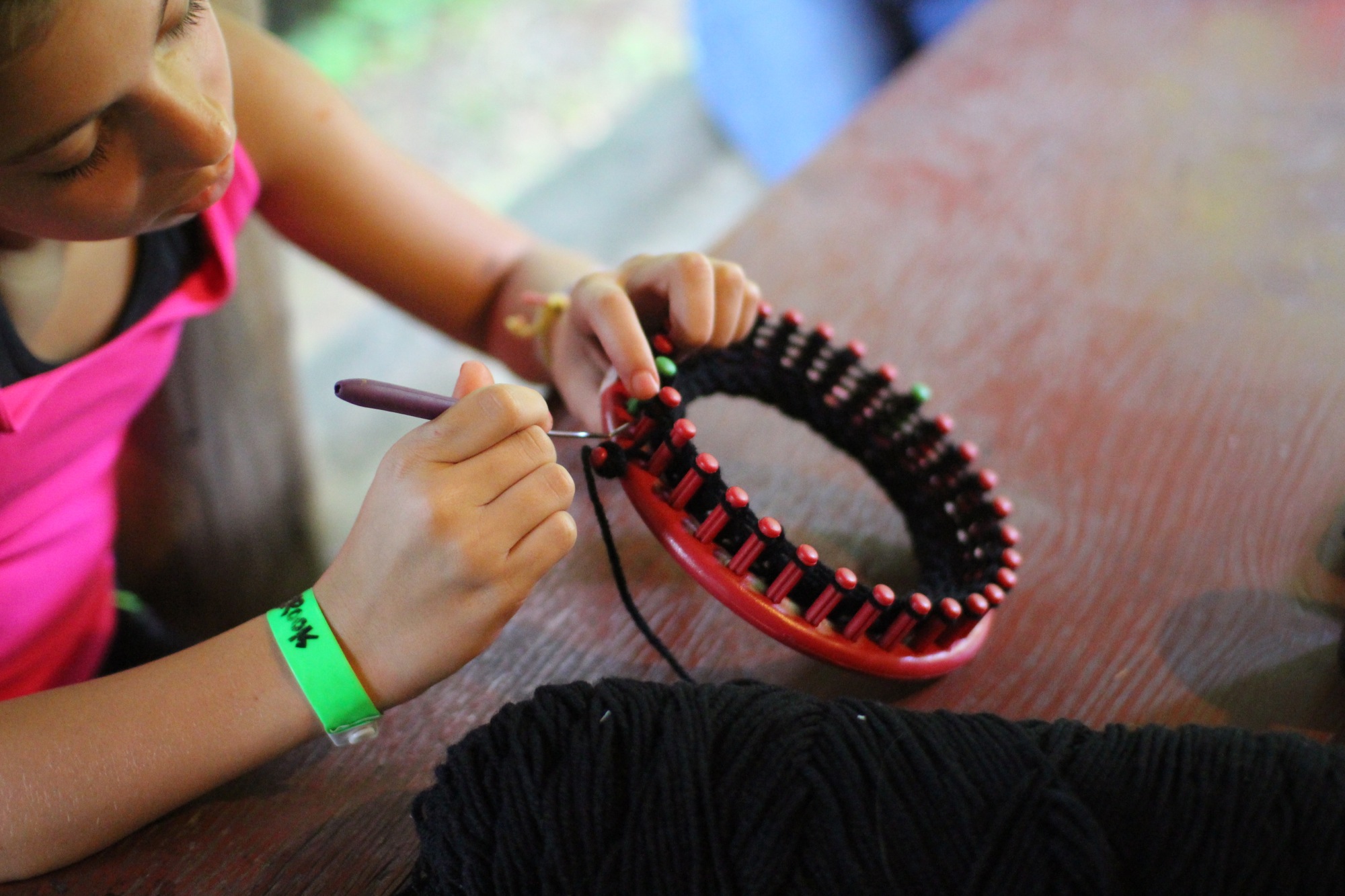
Girls in arts and crafts cabin

After Hi-Ups come CITs, or Counselors-In-Training. The CITs are no longer campers as they are fully on the staff side of camp life. They live in cabins with 2 co-counselors and their campers, they help in activities, and they wash dishes after every meal. Besides learning how life is like as a counselor, CITs receive extra training with the directors to help ease the transition from camper to counselor. One activity the CITs did early in the session was about determining your natural leadership style, and what this means for working both individually and on a team. This allowed CITs time to reflect on their in- and out-of-camp experiences as leaders, and how they want to grow this session while working at Rockbrook.

Campers, CITs, counselors, and directors alike all have chances to foster their leadership skills every day. Even though there are structured times and places for teamwork, patience, and critical thinking to grow at camp, it is the unexpected, self-led moments where leadership truly flourishes.

Meet Wendy!

Meet Wendy Manner, Rockbrook’s new Staff Director!

Wendy Manner is the Rockbrook Camp Staff Director

We’re all very excited to welcome Wendy to Rockbrook’s full-time administrative team. We’ve known Wendy and her family (husband and two children) for years here in Brevard, and when Sofie and her husband Lyle decided to make a change and move to Raleigh, we also knew Wendy could do a great job for Rockbrook.

Her many years of camp experience include attending as a child, working as a counselor, and later holding a staff director position at another camp in New York State. Wendy is also certified to teach parenting classes and serve as a foster parent, which she has done for several children.

After growing up near Cary, NC, Wendy was graduated from Appalachian State University with concentrations in English and Psychology. She and her husband Eric have recently established a local berry farm. Her daughter Cora will be a camper this summer for the first time too.

We are certain you’ll enjoy getting to know Wendy this summer. Meanwhile look out for her enthusiastic voice on the phone when you call the office!

We Love You Counselors…

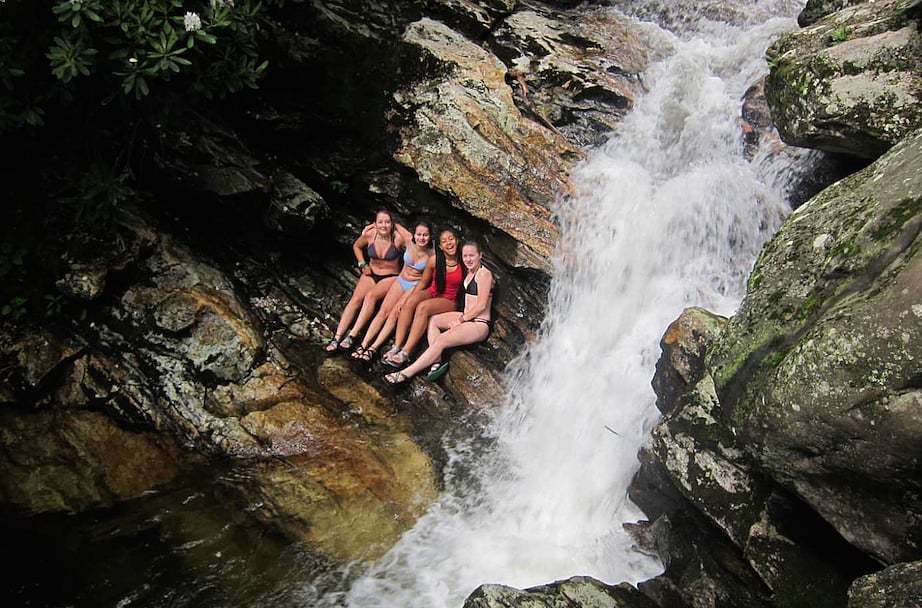
Camp counselors in waterfall

At Rockbrook, we talk a lot about the friendships that campers develop as the days and years go by. Many campers, reflecting on what makes Rockbrook a special place to them, talk about the people that they meet here — people that will color their memories of camp for years to come. Often, the people that come to mind when thinking of camp friends are peers — the people who are in your cabin, that you take activities with, that you go on adventure trips with. Tonight in the dining hall, while listening to campers belt out an appreciation song dedicated to “counselors,” I realized that maybe thinking this way might be putting a limit on our experiences. There are many others involved in creating the camp experience special for campers, but the people with the biggest influence are counselors.

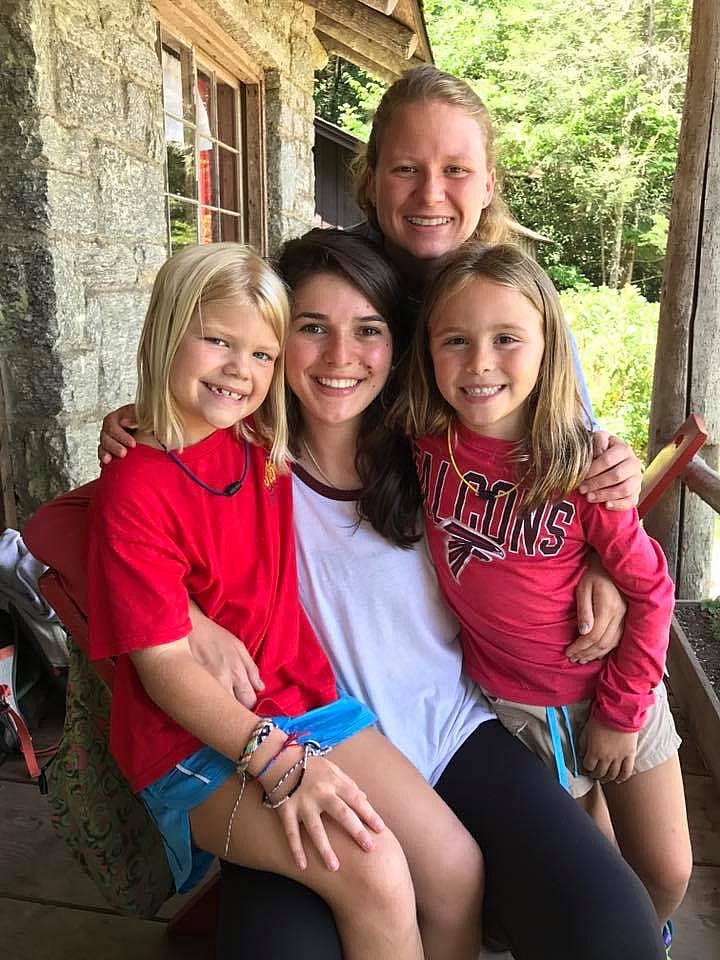
Camp Counselor and girls

We are always so proud of the staff that we hire to be counselors at Rockbrook. Every year, Sofie works hard to hire a group of women who are confident, strong, and empathetic, as well as fun and silly! These women are the role models and beloved leaders for our campers. They do so much for everyone here, and at the end of the session, campers get to show their gratitude in classic Rockbrook style…with a skit!

The Monday before camp closes (today!), the theme for Evening Program skits is “Counselor Impersonations.” In these very special skits, cabins get to reflect on their favorite memories with their counselors. Campers work together to recreate moments when their counselors made them laugh, comforted them, or any other special memories they share. Because of this, these skits are always incredibly unique and unbelievably touching. I got to watch some of these skits tonight, and from the silly moments that juniors chose to share to the sweet moments that seniors chose, I loved getting to see the relationships that campers and counselors have formed over their time at camp. As the song goes, WE LOVE YOU COUNSELORS!

Confident and Capable

Rockbrook Rapids Kayaking Camp


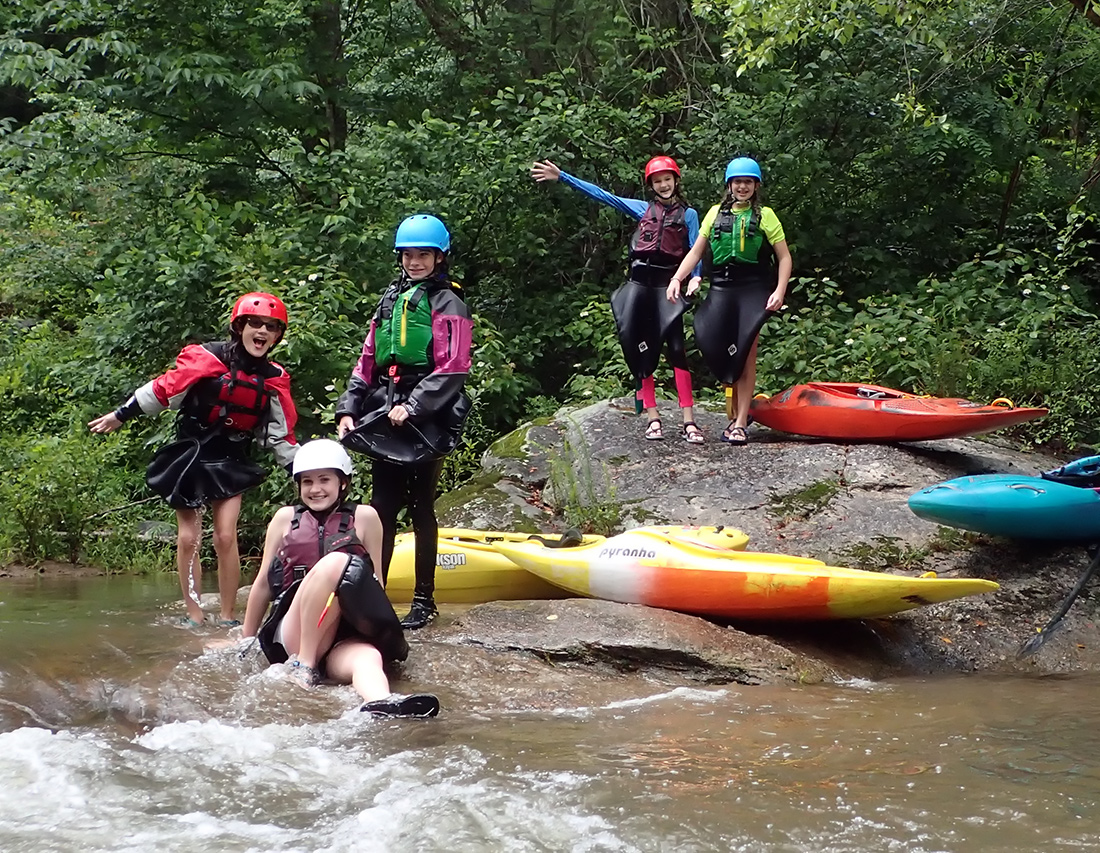
Let’s start with an update from the kayakers, particularly the staff and campers who are enjoying a week-long specialty camp devoted to kayaking. Over the last few years, we’ve seen a growing interest in whitewater kayaking among the girls at Rockbrook, so to meet that interest, we now offer two specialty kayaking camp sessions called the “Rockbrook Rapids.” Led by Leland Davis, and our two head kayaking instructors Sarah Arvidson and Stephanie Whiting, these 1-week sessions are essentially small-group kayaking trip camps where the girls can improve their boating skills while enjoying some of the many whitewater rivers in the area. Everyday is a different river trip, with some including overnight camping. Today the girls ran the lower section of the Green River, which is a great place to start out because it provides a series of class II rapids, plenty of moving water to practice eddying and ferrying, and at one point a perfect surfing wave. Despite the light rain that fell most of the day, the girls had a great time on the river. Back at camp for a hot shower and a huge pasta meal, they seemed happy and proud of the day’s accomplishments on the river. If you are an Instagram user, Leland is posting now and then to a specialty account for the Rockbrook Rapids. Follow along! (By the way, here is our main Rockbrook Instagram account.)

Girls kayaking camp fun in the rain
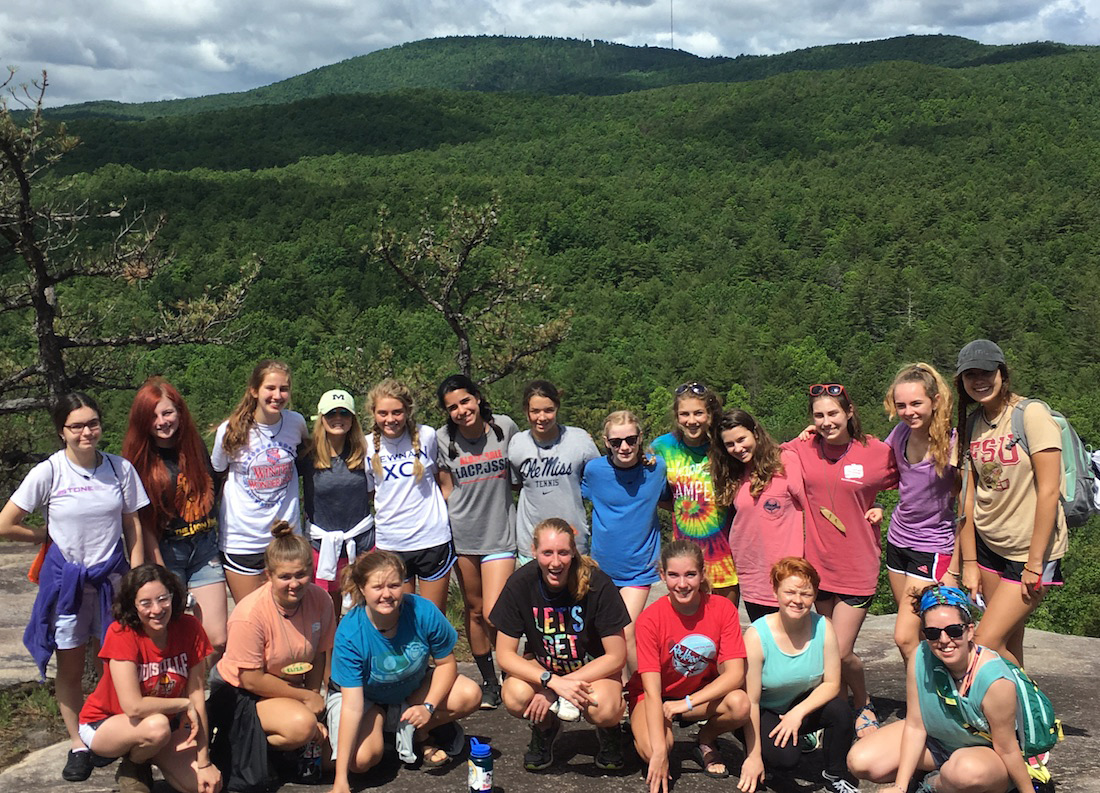
(9th grade hiking girls

CAs Select Their Banquet Theme

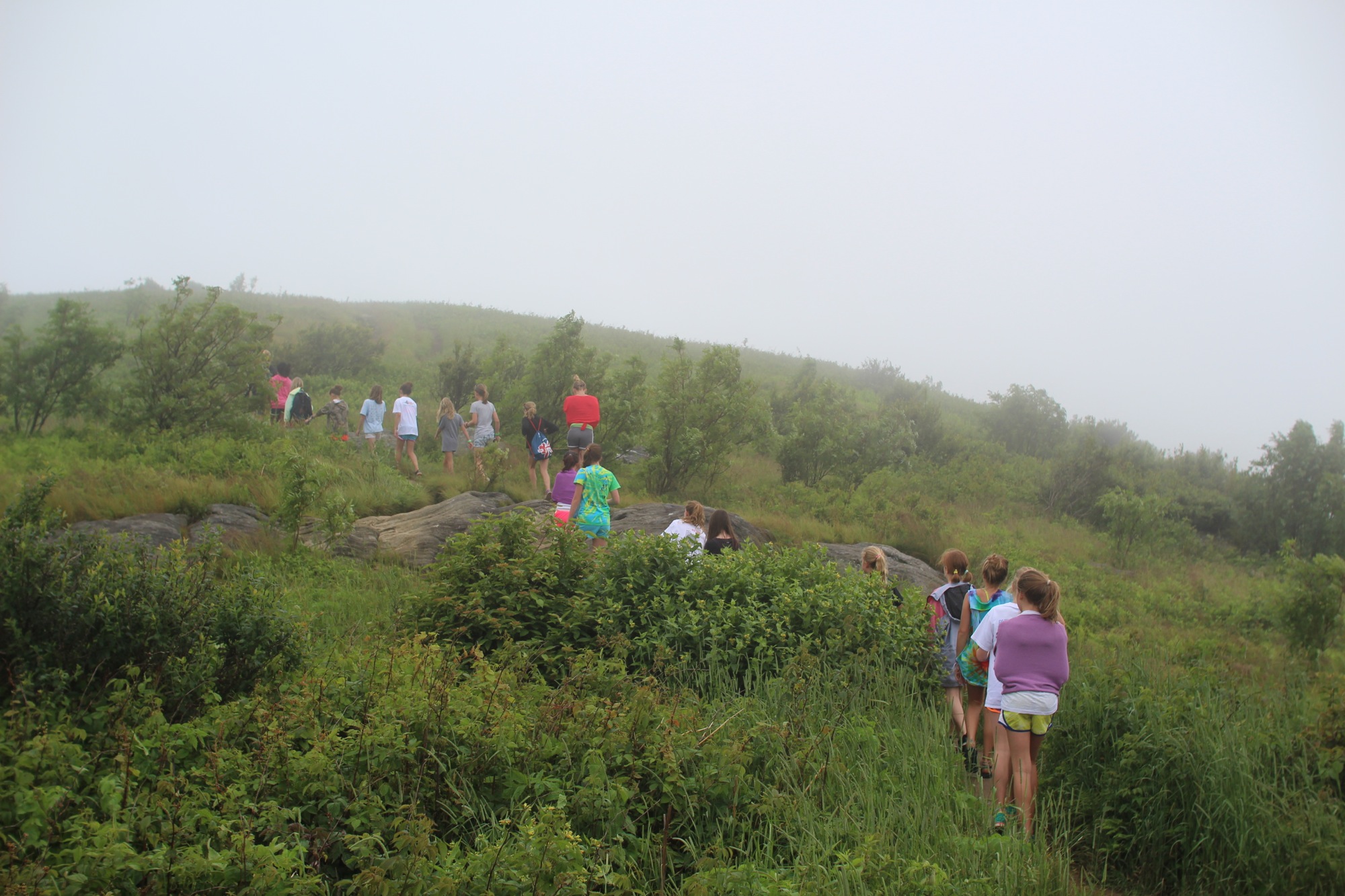
Our 9th grade girls, who we call “CA campers” or “CAs,” accomplished an important goal today. They selected their banquet theme. Right after breakfast, we loaded up a couple of buses and drove to the Dupont State Forest for a hike, and more importantly, a private place to discuss what the secret surprise theme will be. The girls brainstormed more than 40 different ideas, and after hiking to a beautiful overlook, stopping along the way to narrow down their list, they settled on their theme. They cheered after the final decision, and immediately started offering new ideas about the special food, decorations, music and costumes they would organize for their big party of the session. The girls were so eager to take on the responsibility of planning and implementing this complex project for the whole camp, I can already tell that this is going to be an excellent banquet.

Hi-Up Leadership Training

Our 10th grade girls, known at camp as “Hi-Up campers” or just “HUPS,” likewise had a special day— their first “Girls With Ideas” meeting. Getting together with their counselors, this was a discussion session focused on what it means to be a Rockbrook girl and how those character traits can help make our camp community stronger, contribute to the magic of camp for the other, younger campers’ experience, and potentially make the broader, outside-of-camp, world a better place. The Hi-Ups are the oldest true campers at Rockbrook, so we count on their leadership with several camp projects, special events, and important jobs, like clearing dishes from the dining hall, and setting all the tables before each meal. This particular group of HUPS is already showing amazing maturity and enthusiasm for their new roles at camp.

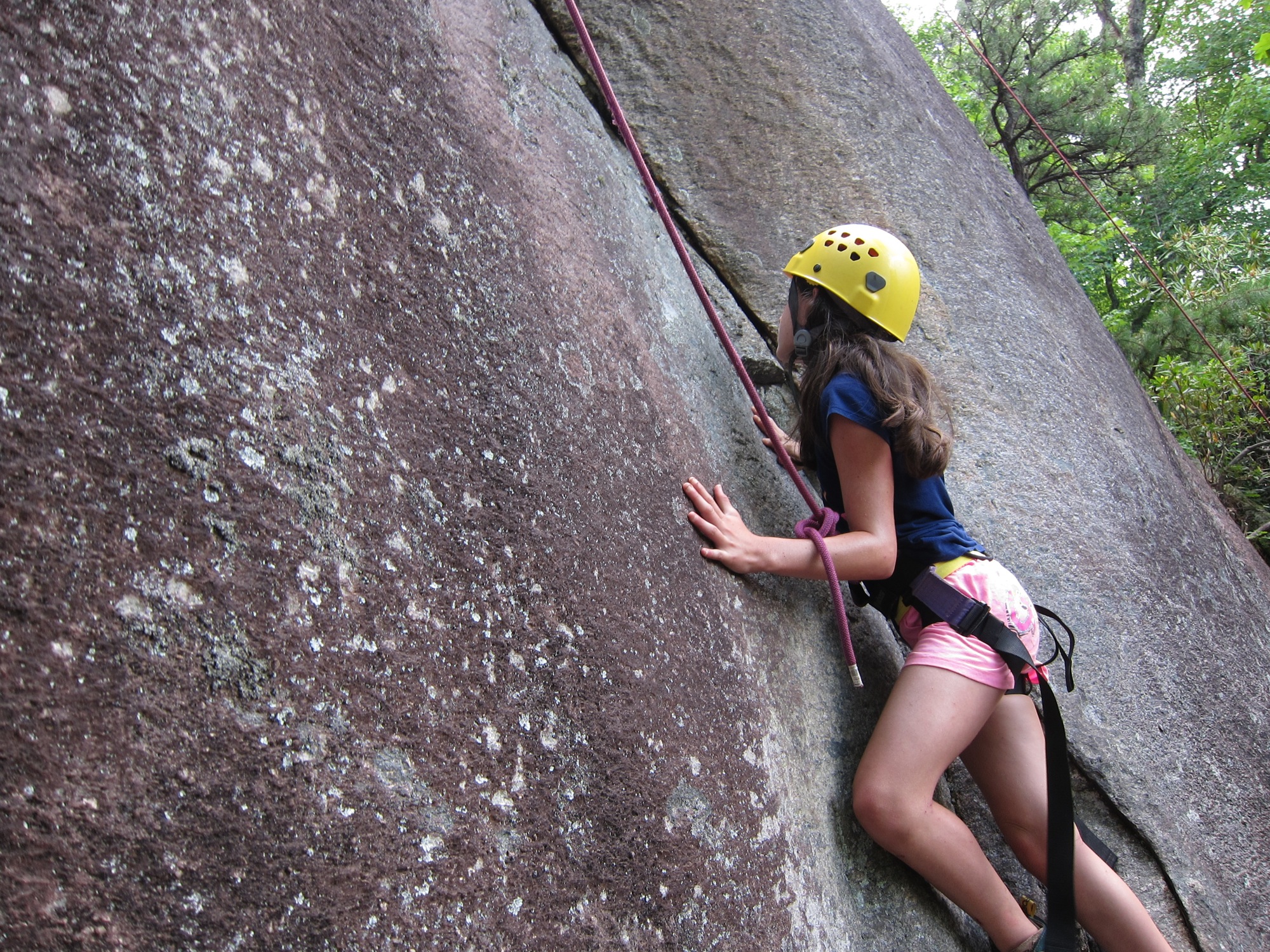
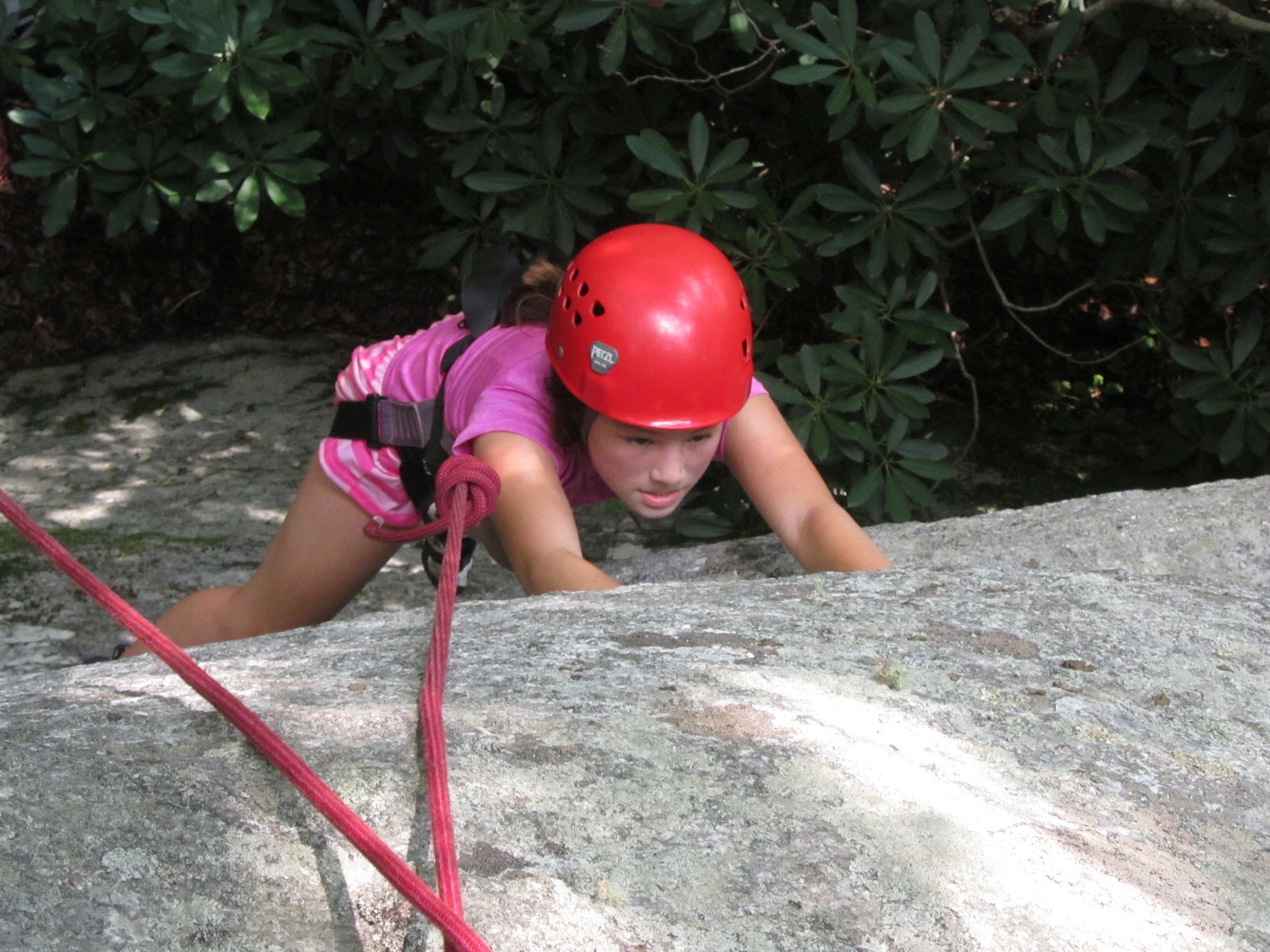
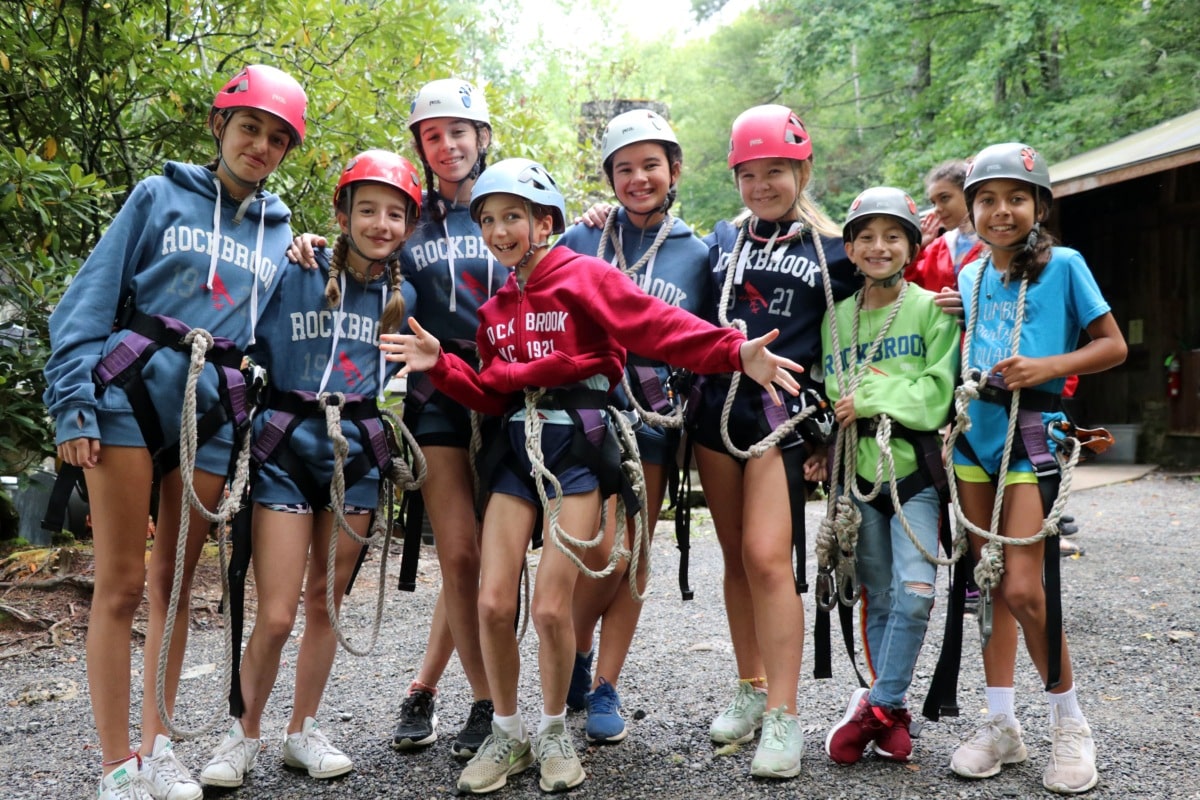
Camp Girl Climber

Counselors in Training

After tenth grade, we offer one last step in leadership training, and it’s for those girls interested in becoming a cabin counselor at Rockbrook: our “Counselors in Training” or “CITs.” These 11th grade girls (We only accept six per session) live in the cabins with the younger campers, and as their name suggests, take on the duties of a counselor managing cabin life. They teach a camp activity for part of the day, and also take on the task of running the kitchen dish washing machine after every meal. You can imagine, depending on the meal, this can be a monumental endeavor easily taking a couple of hours. So these girls are hard workers! It’s a paid position designed to be ideal training for returning as a full counselor.

For our 9th, 10th and 11th graders, this coaching and progression of camp responsibilities, adds up to concrete leadership training. Working together as a cooperative group, focusing on important tasks, accepting responsibilities with real consequences for the broader camp community, these teenage girls are growing more confident and capable while developing real-life leadership skills.  …Another example of how “camp is a place for girls to grow.”

With good sunny weather most of the day, and only a slight late afternoon shower, this has been an excellent first day of activities. The girls have scattered across the camp excited to try everything— adventure, crafts, sports, and horseback riding. It’s been a great start to what already feels like a fantastic session!

68 Ways To Illuminate The World

Working at a summer camp is not the only way (even though it’s one of the best). Consider these 68 simple ways to make the world a better place.

North Carolina camp mountains

1. Be curious
2. Lend a hand
3. Learn all you can
4. Be gentle with those who make mistakes- including yourself
5. Share
6. If you don’t have to step on that bug, don’t
7. Upcycle, recycle, reuse, home make- turn trash into treasure
8. Be open, stay soft, be flexible
9. Ask questions
10. Remember names
11. Put people first
12. Invest in your neighbors daily
13. Listen
14. Don’t stop at the surface
15. Say, “I love you”
16. Withhold judgement
17. Start over whenever you need to
18. Reach out
19. Try
20. Advocate for something

girl camp Friends
i love you necklace


21. Plant a seed
22. Add laughter where can
23. Spend time outdoors
24. Let others have the right-of-way
25. Give thanks
26. Say thanks
27. Give people a chance (or two)
28. Dismiss perfectionism
29. Explore
30. Every now and then, ignore the mirror
31. Start from the heart
32. Choose words that lift people up
33. Buy two, give one away
34. Sometimes, step up- other times, stand back
35. Hear people out
36. Seek understanding
37. Never boo- always cheer
38. Have a hankering, a sweet tooth, for life
39. For someone in need, give up your place in line
40. Be humble
41. Appreciate yesterday, but move on from it
42. Celebrate even the smallest of achievements
43. If you can lighten someone’s load, do it
44. Invest in children
45. Don’t turn a blind eye
46. Trust
47. Pats on the back, high fives, hugs- reach out and touch
48. Celebrate others
49. Celebrate success
50. Celebrate failures
51. From harvest to heart- honor the work that goes into a good meal
52. Bring life wherever you go
53. Don’t give too much thought to what happens behind your back
54. Deliver bad news tenderly
55. Remember what it’s like to be every age you’ve been thus far
56. Be someone’s safe haven
57. Stay true to truth and dare to dare
58. Break as many falls as possible
59. If you can’t find splendor at first glance, take a second

60. Give compliments
61. Accept compliments
62. Think long and hard before you ever swing a fist
63. Recognize lessons everywhere
64. Show up for tomorrow
65. Trust in your ability to do hard things
66. Lean on someone
67. Let someone lean on you
68. Be of service

Journal Topics for Leaders

We all have the potential to impact the world in a meaningful and lasting way. Learning who we are and what we have to offer takes time, patience, and thoughtful self-reflection. Taking a job at a summer camp, allow the following questions help you discover your own capacity for leadership.

Blue Ridge Mountains

1. Consider the concept of control as a leadership principle. Rather than attempting to control others, how can you enhance your ability to lead by controlling your own feelings and actions?

2. Challenges will help to define your leadership style. In moments of struggle, how will you remain disciplined enough to act in accordance to the purpose you’ve set forth for yourself?

3. Consider all the ways that your life has fallen into place at the exact right moment at the exact right time in the exact right order to lead you to this moment. Life has conspired to help you make an impact on those around you. How will your acknowledgment and gratitude toward these things impact who you are as a leader?

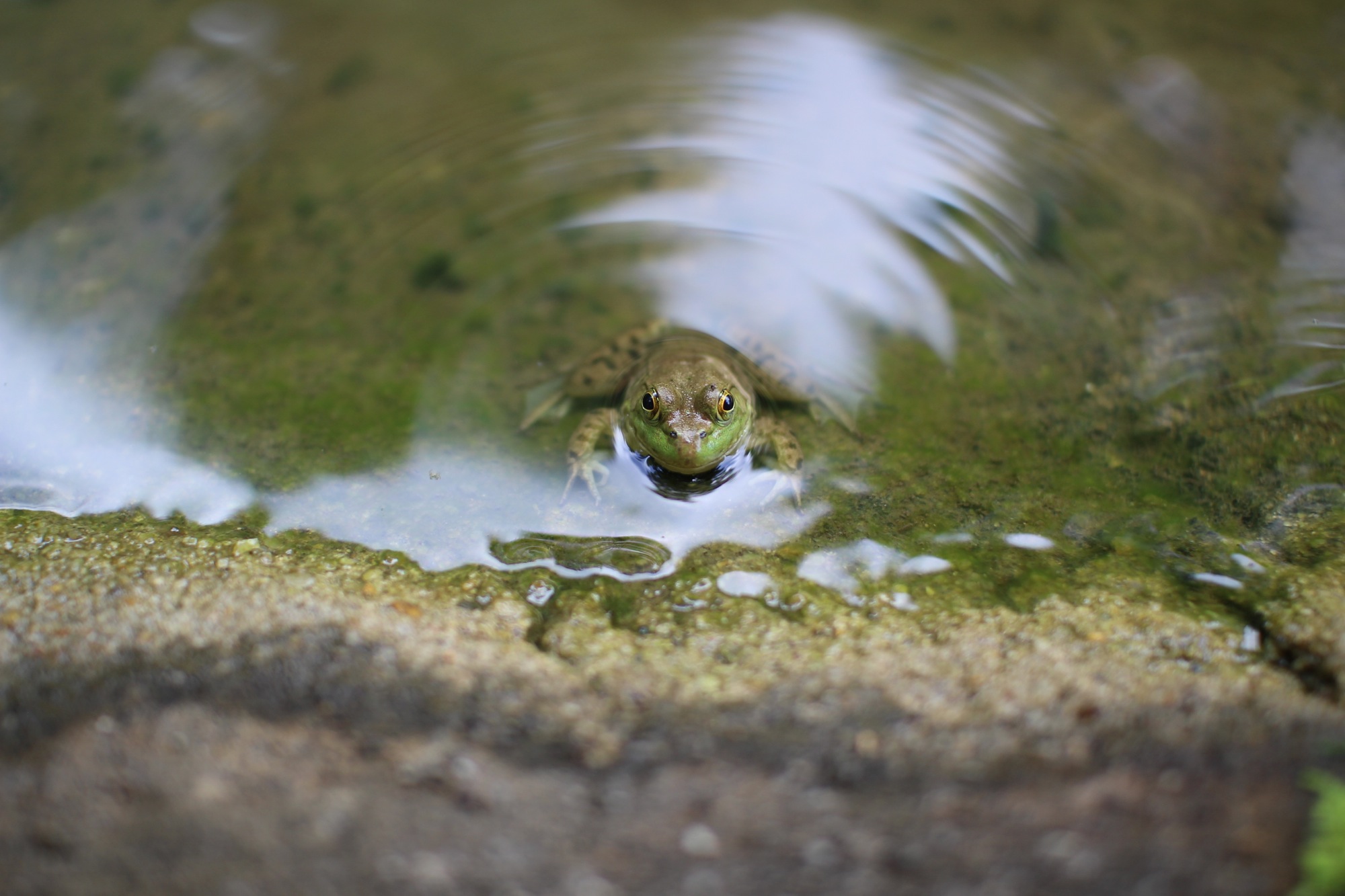
Frog

4.  Your integrity and credibility define your ability to lead. List experiences when you intentionally allowed ethics to drive your actions.

5. A successful leader values others and keeps a constant awareness on what she can learn from them. How will you work to remain open to perspectives different from your own?

6. Altruism serves as a solid foundation for leadership. List how you put people first.

7. As a leader, you’ll dedicate your life to resisting your own immediate desires and shortcomings in favor of long term success. Consider your vices. How will you work to gain control over these?

8. Leadership begins with a strong belief in your work and an ability to communicate this meaning to others. What makes your work meaningful? How can you share this meaning with the world?

Rockclimbing

9. Effective leaders empower others by encouraging autonomy and mastery. What tools can you employ to help others feel independent?

10. Leaders choose meaningful, deep interactions over surface exchanges. How do you take an interest in people?

11. Effective leaders understand how to manage conflicting personalities. How can you reconcile people of divergent belief systems to create a cohesive group?

12. Negotiating a wavering sense self-assurance can greatly enhance your capacity for leadership; it promotes empathy and a sense of authenticity. How will you navigate your fears and feelings of self-doubt to enhance your ability to lead?

Staff Development: Sample Lesson Plan

The perfect shot

Partner work can have a powerful affect on a staff development curriculum. This lesson plan focuses strongly on elements of staff accountability and communication. Our goal is to subtly guide cabin leaders to communicate the ideals of camp within the framework of their own experiences. This lesson is best presented mid-season.

Materials Needed:

Large slips of paper, pens, ziplock bags or small jars

Instructions:

1. Staff are instructed to sit with a partner. (Counselors will switch partners throughout this activity, ten partners total.)

2. On a slip of paper, staff then write a response to a prompt (see below) read by the group’s facilitator (one prompt response per slip of paper).

3. Upon completion, staff will fold their responses and present the folded slip of paper to their partner. (It is critical that each partner cannot see the other’s written response).

4. Partners then place the folded response, without looking at it, from their partner into their ziplock bag or mason jar.

5. This pattern continues for three prompts per partner set.

6. This entire activity will yield a total of thirty different responses for each staff member to store in their bag or jar. Staff can read each response from their partners in any way they desire- they can read the prompt responses all at once, one each day, one each time they need a piece of inspiration, etc…

Blue Ridge Parkway

Partner #1: Focus- Cabin Culture

1. Write a statement that makes your partner feel powerful and confident in her capabilities as a cabin leader. This can be advice, a compliment, a recount of a camper’s description of your partner- or anything else you can think of!
2. Suggest how your partner can pamper herself during challenging moments at camp. How do you suggest your partner step back and relax when she feels overwhelmed?
3. Write a “big picture” statement. Remind your partner of the dent that her work in her cabin is making in the universe.

Partner #2: Focus- Program Objectives

1. What can your partner do when she wants to add new excitement, zip, and illumination to her teaching style at camp? Give her ideas.
2. Remind your partner how the energy and effort she puts into teaching her activity is actually changing the world. How is her hard work making our corner of the world a better place? What is it doing for our campers?
3. Give your partner a unique and creative idea to add a little spunk and spark to her activity’s lesson plans. If you were a camper in your partner’s activity, what would you like to learn and do?

Partner #3: Focus- Navigating A Session Change

1. Tell your partner what you really admire about her. How she can keep this element of her character strong even in moments of fatigue?
2. Describe how you think the new session’s campers will remember your partner.
3. Share a quote or saying that you think will inspire your partner’s stamina and endurance.

Camp Crafts

Partner #4: Focus- Gratitude

1. List ten things that your partner can be thankful for here at camp.
2. Tell your partner why you’re thankful for her.
3. Tell your partner why she should always remain thankful to her campers.

Partner #5: Focus- Life Beyond Camp

1. Tell your partner how she can use her experience in this job to elevate her next academic year or her next year in her career.
2. Remind your partner of her potential and capacity to change the world for the better.
3. Suggest five skills and traits of your partner that she can use on a resumè or highlight in an interview.

Partner #6: Focus- Happiness and Laughter 

1. Tell your partner three things that will make her happy.
2. Describe and thank your partner for a time when she made someone else happy.
3. Write a joke to make your partner laugh.

Partner #7: Focus- Negotiating Feelings of Fatigue in a Job that Requires Energy and Effort

1. Write something, anything, that will give your partner good, energetic vibes.
2. Share with your partner how you navigate your own feelings of fatigue- these tips and tricks may help her too!
3. Work often requires us to give of ourselves completely. Even in moments of fatigue, explain to your partner why this job is worth doing.

Climb to the top

Partner #8: Focus- Morals and Ethics

1. How will your partner impact her campers as she makes morals and ethics the driving force behind all of her actions during the camp season?
2. Think of the little ways that we can “slip” in our job description at camp- staying up late, lingering a touch too long in the staff lounge, etc… Remind your partner of how her own experience will be enhanced if she stays strong and resists these little moments of temptation.
3. Your partner is a role model. Share with your partner how her high standards and morals inspires those she works with.

Partner #9: Focus- Challenges and Conflict

1. Name a time when you observed your partner artfully and effectively solve a problem.
2. What is it about your partner that makes her so well equipped to handle the world and whatever it throws her way?
3. Anticipate a challenge that your partner may encounter this week. Based on your knowledge of her capabilities and skills, how do you foresee her successfully solving the problem?

Dog Days

Partner #10: Focus- Our Imprint

1. Why should your partner dedicate her summer to giving her absolute all to this job, her campers, her peers, and herself?
2. How has your partner impacted the camp community thus far?
3. For the remainder of the summer, how can your partner work to make everybody feel like a somebody?

Staff Training: Ideas and Instruction

Reflection is an essential component of any staff development curriculum. The following topics provide a solid foundation for individual contemplation as well as ideas to stimulate large and small group discussion. This material focuses on staff attention and efforts while it also communicates clear expectations of a camper-centric work ethic. These themes also help to reveal the meaning and power behind a staff’s work and purpose during the camp season. Each question can be easily tailored to reflect an individual camp’s philosophies, missions, and program objectives. Most of these questions are best presented to a staff at the middle or end of a camp season.

1. Describe a time this summer when you completely exceeded your expectations for yourself.

2. This summer, did you experience more moments that were professionally rewarding or professionally challenging? Throughout the season, did you focus more attention on the rewarding moments or the challenging ones?

3. Describe a moment with campers that made you stop and think.

4. Practice gratitude. Create a list of ways to thank yourself on your time off.

5. Do you have a role model on staff? Identify what you admire about her.

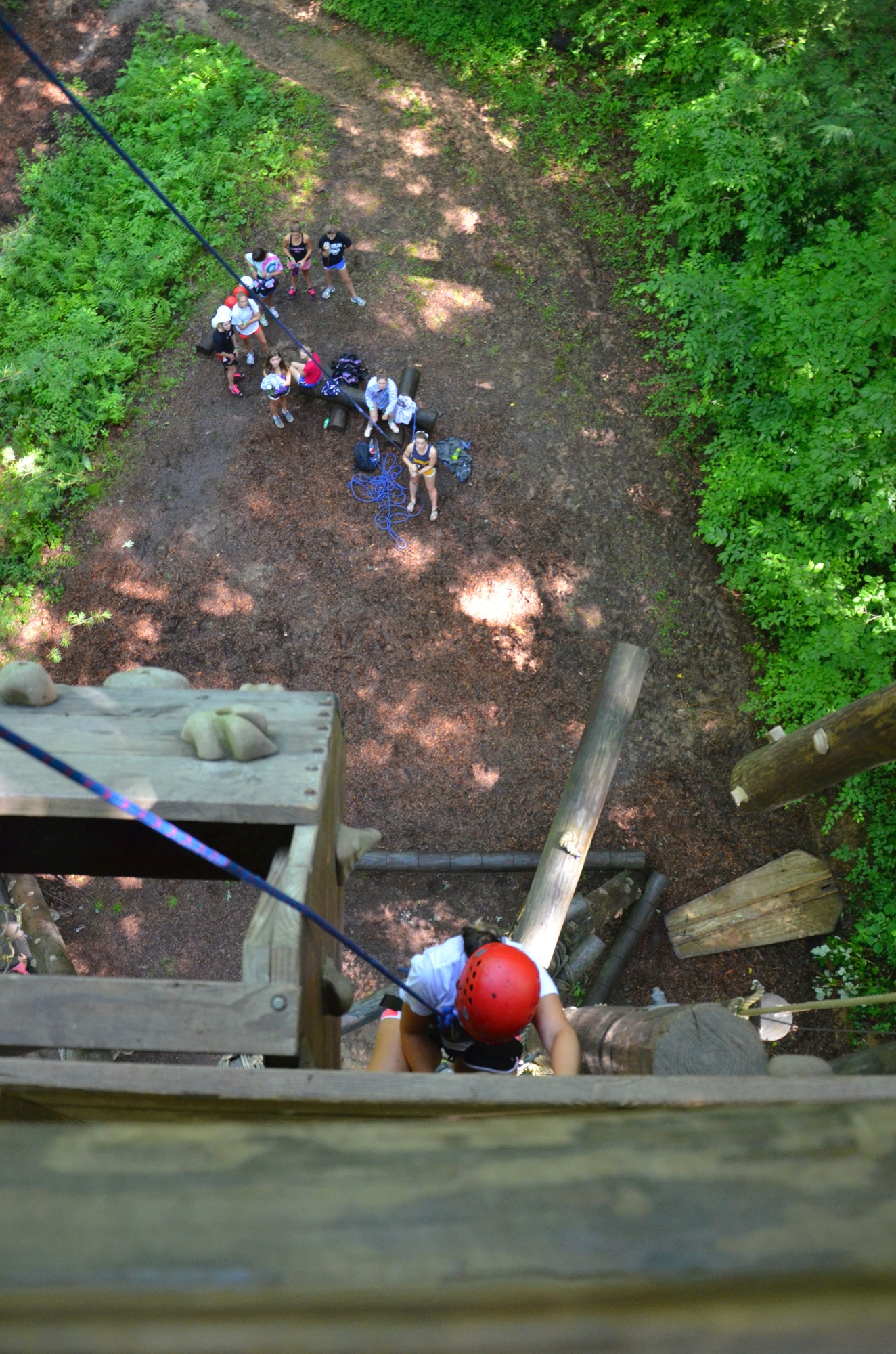
Tower climbing at camp

6. Can you recollect a time when you solved a problem by stepping back and using a sense of humor? Conversely, can you recollect a time when you solved a problem by stepping in and taking yourself and the situation completely seriously?

7. Share a positive thought for the start of each day.

8. Describe one topic that you’re passionate about outside of camp and explain why you’re so dedicated to it.

9. Set a milestone to celebrate with your campers this summer. What will it be and how will you celebrate it?

10. Describe a time when you thought and acted beyond your own immediate needs for the good of the camp community.

11. Create an award to present to the entire staff.

12. Name a way that this job will affect your life outside of camp.

13. Name one thing that you offer the camp community that is uniquely your own; something that can never quite be replicated.

14. Imagine that you’re giving advice to next summer’s staff. What would you like to say to them?

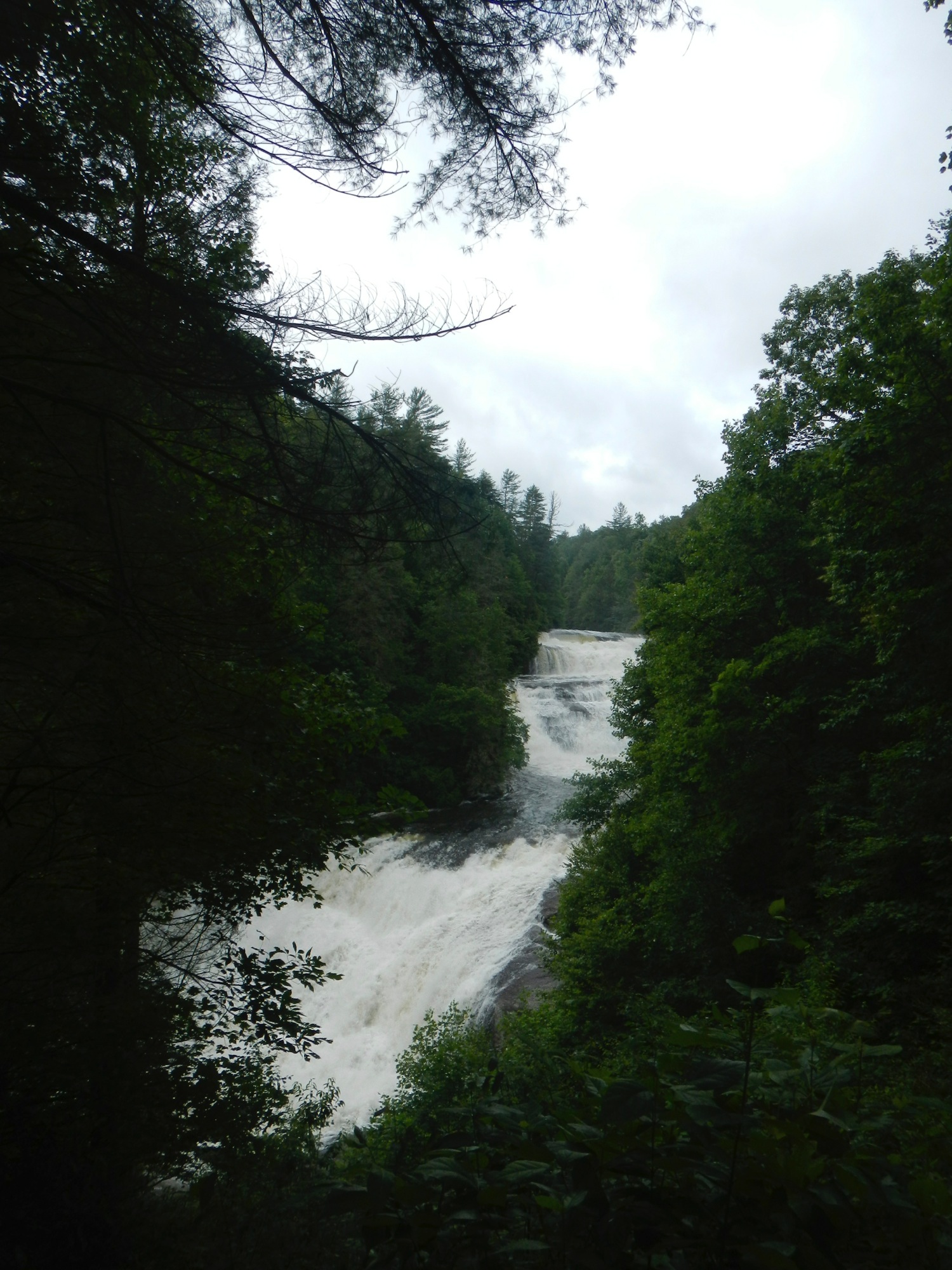
Water Fall

15. How do you define “success” at camp?

16. Is there anything about yourself that you wish you’d known at the start of the season?

17. Imagine that you’re writing a thank you note to your campers. How will you thank them for who they are and what they’ve taught you about yourself and your place in the world?

18. Imagine that you’re writing a thank you note to your co cabin leader (or program instructor). How will you thank her for who she is and what she’s taught you about yourself and your place in the world?

19. If your campers learn just one thing this summer, what do you hope it is?

20. What has this job done for you? What have you done for this job?

21. Describe a time this summer when you were pushed to think outside the box.

22. If you could take one thing that you’ve learned in this job and incorporate it into your life, everyday, what would it be?

23. Name your favorite place at camp and a moment that you shared with a camper there.

24. In the last 24 hours, try to count how many times your campers have made you smile. In the last 24 hours, try to count how many times you’ve made your campers smile.

garden cabbage

25. Did anything happen this summer that you expect to impact your next off-season year for the better.

26. What is the quickest way to make someone smile? Do you do this often throughout your day?

27. If this summer has encouraged you to add any three things to your life’s bucket list, what are they?

28.Describe five random acts of kindness that you’ve witnessed this season.

29. What are our ultimate goals for our campers? How can we begin our work with these in mind?

30. If you could teach humanity a single lesson, what would it be?

31. If you had to create a time capsule to represent your work this summer, what would you put in it?

32. Give an example of a minor victory that we can celebrate as a staff.

America

33. Was there a mystery that you solved this summer?

34. Describe how we’re making a difference throughout our day’s work.

35. Name three character traits that are essential to being an effective and successful cabin leader.

36. Did you build anything from scratch this season? (Think beyond things here.)