
I read recently that the average American spends about three hours a day on their phone. This number changes depending on who is reporting it, but there is truth to the fact that people spend a lot of their waking hours using their phones. This is not an inherently bad thing—phones give us an easy form of communication, entertainment, and information. At Rockbrook, we do not have phones, and I started thinking today about how that impacts our daily lives and how we use those three hours differently at camp.
Conversations at Needlecraft
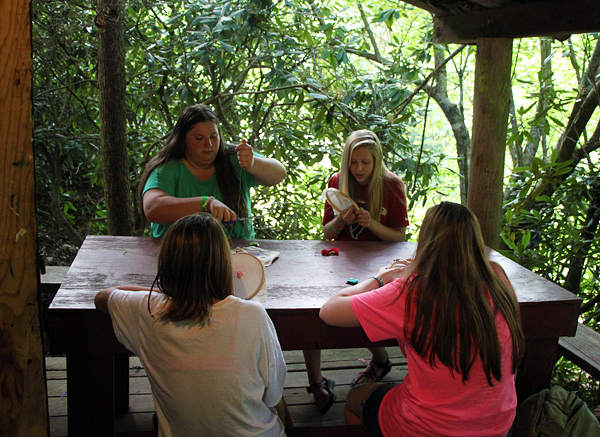
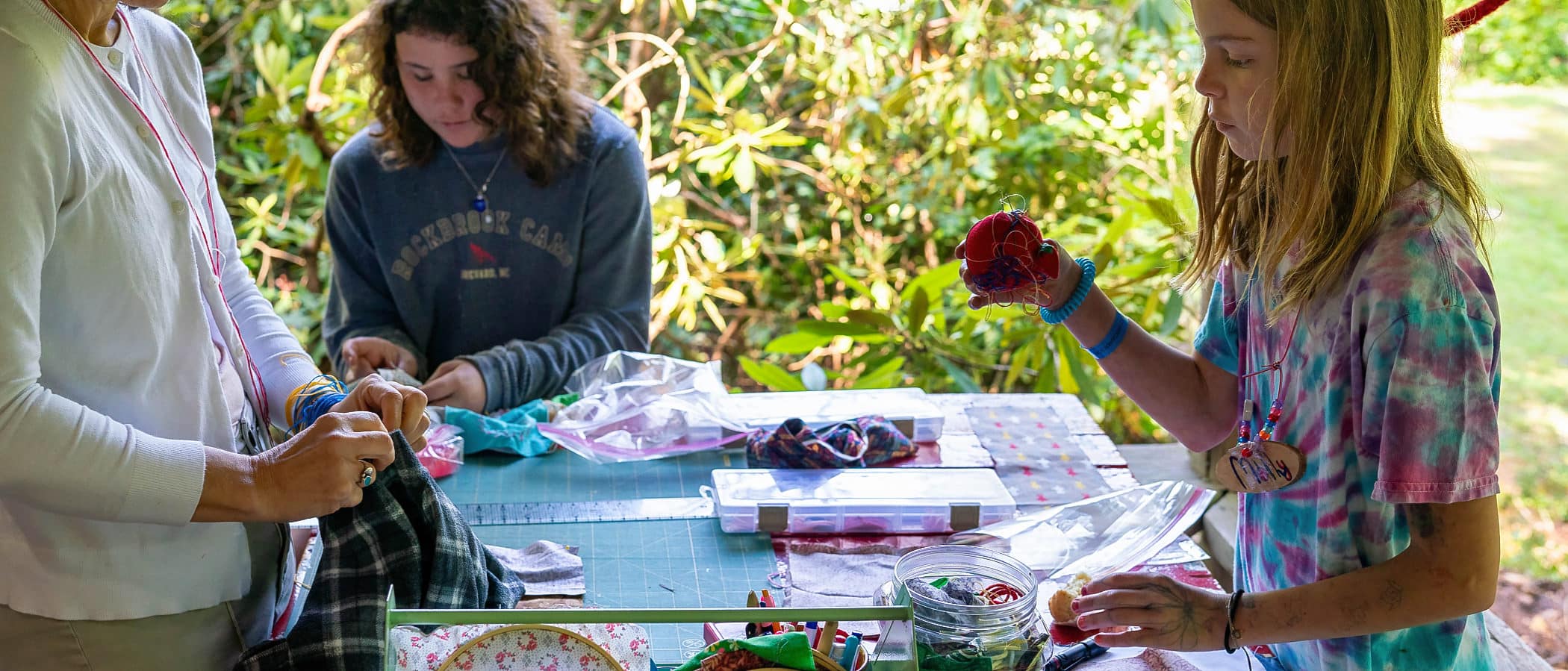
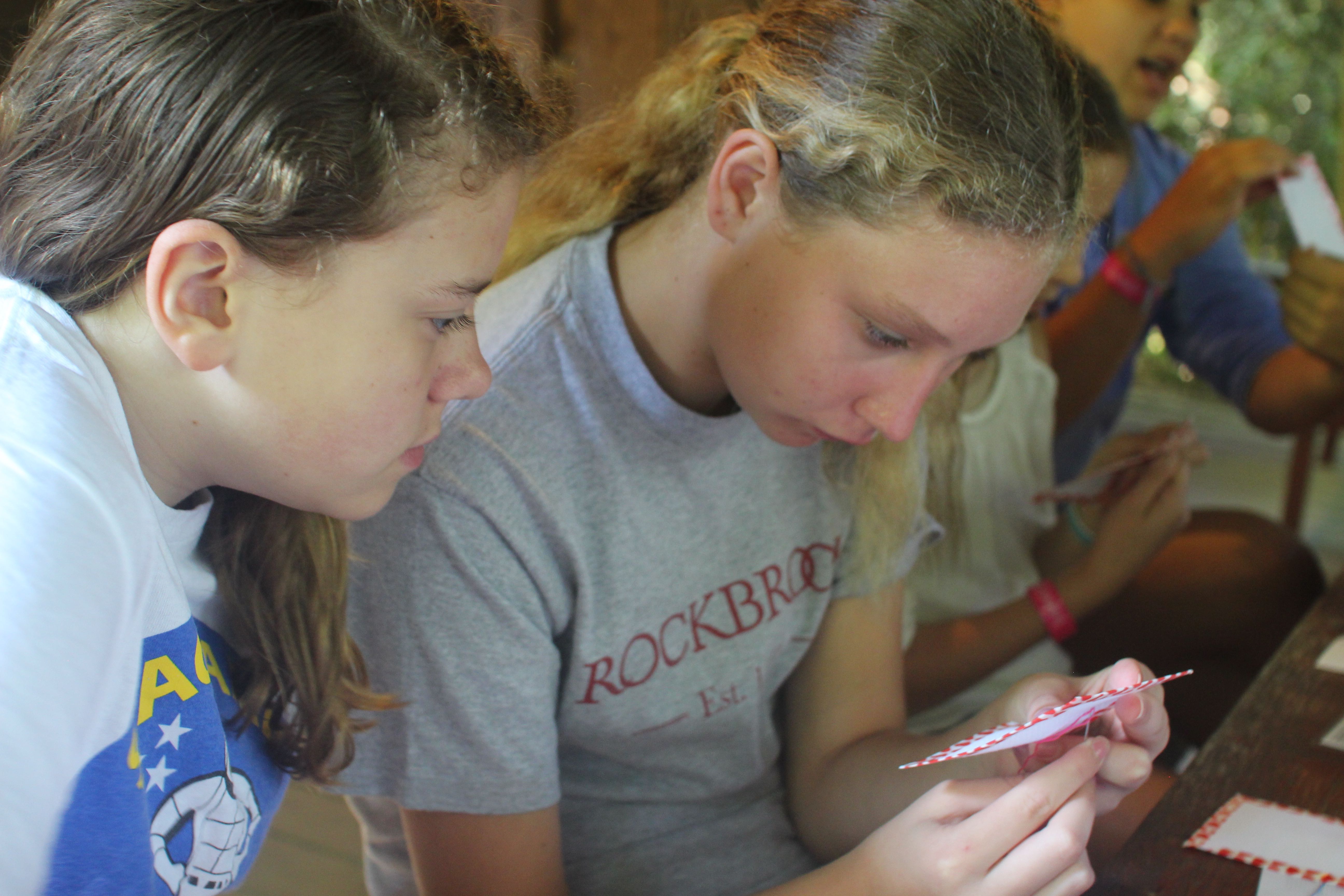
While walking around today, I spent some time at Needlecraft where the girls were working on cross-stitching pillows. Needlecraft is a relaxing activity, located on the back porch of Curosty, surrounded by the sounds of flowing water and chirping birds. While working on their projects, the girls were spinning conversations about their lives at home, what they thought muffin break would be, and how much fun they had ziplining. It is the perfect setting for easy conversations, and every girl who has taken Needlecraft comes back talking about how easygoing and enjoyable the activity is.
Next, I walked down to climbing. In climbing, girls love to climb the Alpine Tower, a huge tower that is tucked in to the woods. On the Alpine Tower, three girls can climb at a time, and they can choose whichever route they want to reach the top. This year, if girls are able to put on their helmets and harnesses themselves, tie a proper figure eight follow through knot, and know their commands, they earn a bracelet. Upon accomplishing other landmarks, such as climbing all three sides blindfolded, they are able to earn beads for the bracelet. When they are not climbing, however, most campers are still engaged with the activity. Some spend the time practicing knots, others give the climber advice, while still others are trying to map out their own routes for when it is their turn to go up.
Engagement Without Distraction
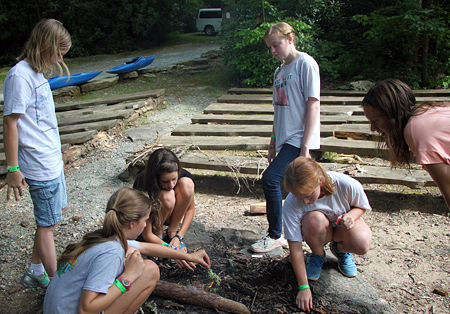
As I walked away from climbing, I realized that these are the moments when most of us use our phones when we are outside of camp. We look at our cell phones when waiting for something, when we are not actively engaged in a particular activity. The beauty of camp, then, is that it asks us to be constantly engaged. We are not being pulled in different directions and different places by social media and text messages with friends. We do not have an easy distraction from the present. Therefore, we are more likely to engage with each other.
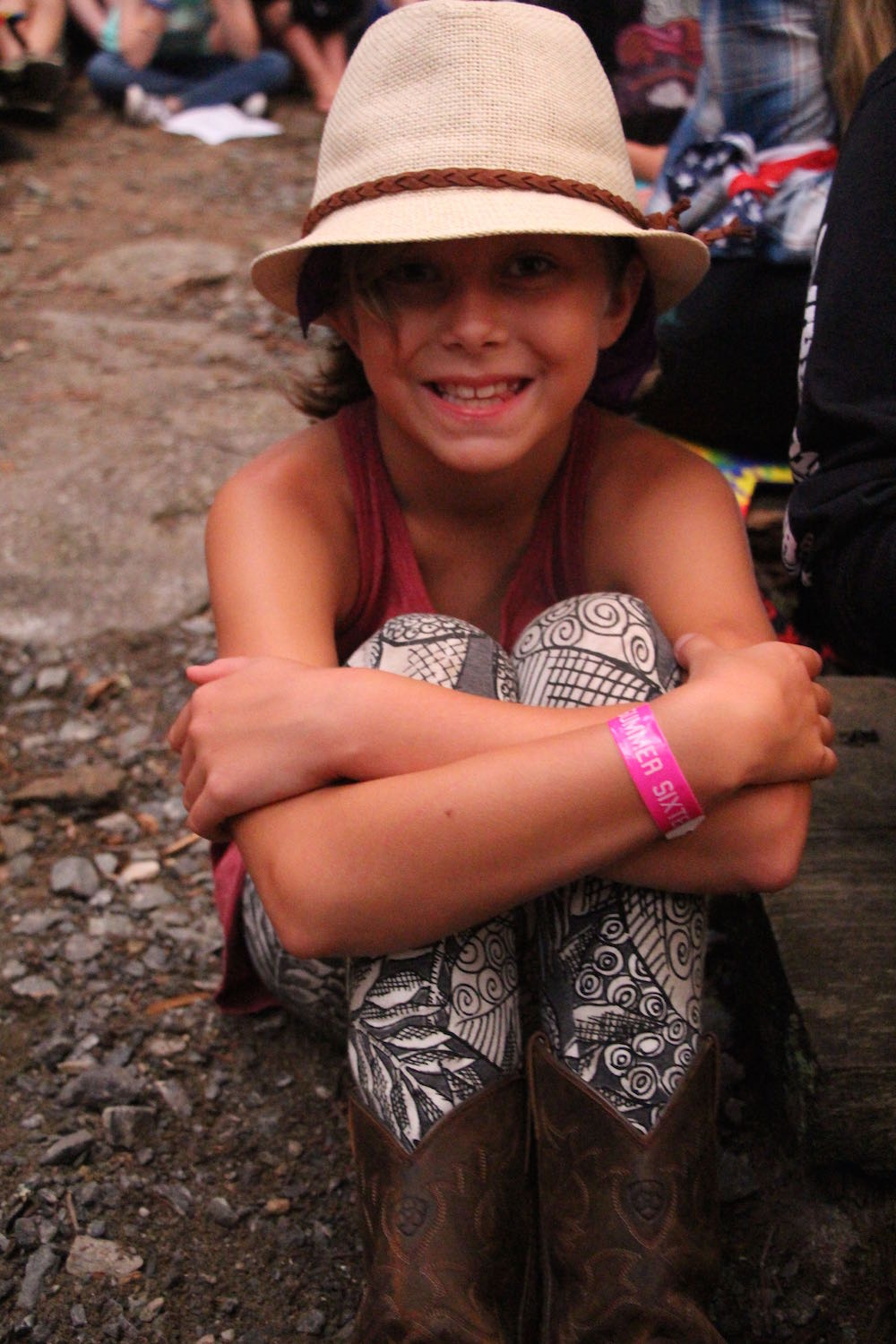
After two activities, a free swim (where I saw many Rockbrook Runners decide to run Charlotte’s Loop twice—that’s about 4 miles!), and a delicious lunch, we were all ready for rest hour. Depending on whom you are asking, rest hour is the best hour. It is nestled in the precise center of our day, right after lunch and right before the rest of our activities. It is a time where every girl is asked to stay in bed and stay quiet, a time for us to all rejuvenate so we can have the energy to take on the rest of the day. Some girls listen to iPods, revisiting their favorite songs, but many others choose not to use electronics at all. They write letters, read books, fall asleep, or just use the time to think. We don’t usually talk about Rest Hour, but it is so key to our day. It gives campers a time to themselves, and gives them the freedom to figure out how they want to use it. This can be a challenging time for some campers, but learning how to keep oneself content without easy distractions like phones and other people can be a valuable lesson.
After Rest Hour, we had another activity period before candy break. Girls lined up to get their favorite candy bar, happy to have such a special treat. The final activity period came and went, and then it was time for second free swim. I spent time on the Lakeview Lodge porch with my cabin of girls. We sat in rocking chairs and talked, read, and made friendship bracelets for the entire hour. It felt like such a long and relaxing time. I heard someone comment that, at camp, the days go by slowly, but the weeks go by quickly. I agree with this sentiment completely.
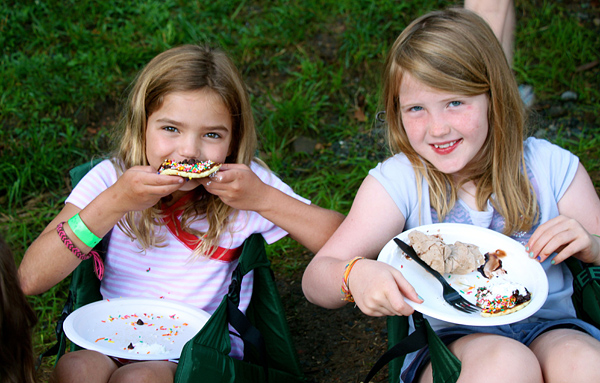
We ate an incredible dinner of tortellini, fresh bread, mixed vegetables, and pesto sauce, followed by delicious homemade brownies for dessert. Amid songs, we told each other how our days had gone, and looked forward to the days ahead.
Jug Band Night
After dinner, we had quite a special event—Jug Band! This is a time-honored Rockbrook tradition. It’s part mountain culture appreciation, part all-camp campfire, and all fun. We all gathered together to sing songs around the campfire. A group of counselors led fun songs like “Mountain Dew,” “Rocky Top,” and “She’ll Be Comin’ Round the Mountain.” Everyone made an instrument to play along as part of the band. These instruments ranged from broomsticks to pots and pans. We laughed all night, as campers told their favorite jokes and counselors told stories and performed ridiculous skits. It was such a simple evening. All we needed was a campfire, a homemade instrument, and a group of enthusiastic girls. But it may have been my favorite night of camp so far. Everyone was just so engaged in the simple silliness, and participating in it was perfection.
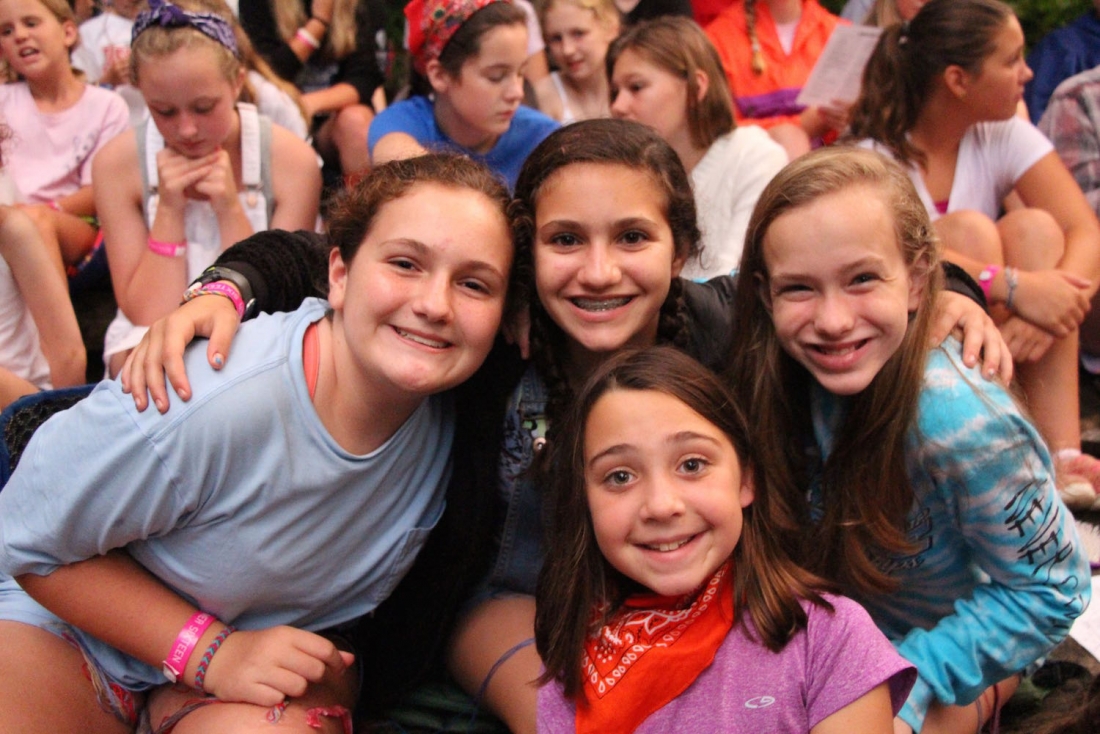
When jug band was over, we went to the lodge to wait for milk and cookies. While waiting, the senior line girls kept telling more jokes and challenging each other with trivia questions. It was another moment that they chose to engage and now have a memory instead of being distracted. Once milk and cookies had ended, some cabins stayed up talking about their days and their lives.
As we finally got into bed after a long, exciting day, I realized that so much of the time we spend at camp is time telling stories. We tell stories about our pets, our friends, our families, and our experiences. We do this more than we normally would because it is just so easy to talk to people at camp. This is one reason we are able to get so close, so fast. When we get home, we will probably use our phones regularly (though maybe we will be more intentional about it) and we will probably return to life as normal. Yet we will still tell stories. We will continue to share our experiences with those around us. Most campers find that, when they go home, they can’t help but tell stories from camp for weeks and weeks after. The impact of being engaged, then, is that we are living our lives in such a way that we have the best stories to tell.